
















A letter sign is a sign made from individual letters, words, or logos used to identify a business, communicate information, or reinforce brand identity. Cosun Sign manufactures custom signage, including Embedded Acrylic Signs with integrated LED lighting. Founded in 2004, the company operates a 38,000-square-meter factory, employs over 500 people, and has completed more than 10,000 projects across over 65 countries.
What Is a Letter Sign?
A letter sign is a signage system that uses individual characters, words, or logos to display names, directions, or brand information.
In commercial environments, letter signs can be made from acrylic, metal, plastic, or other materials, with or without illumination. Their construction depends on the installation location, viewing distance, design requirements, and environmental conditions.
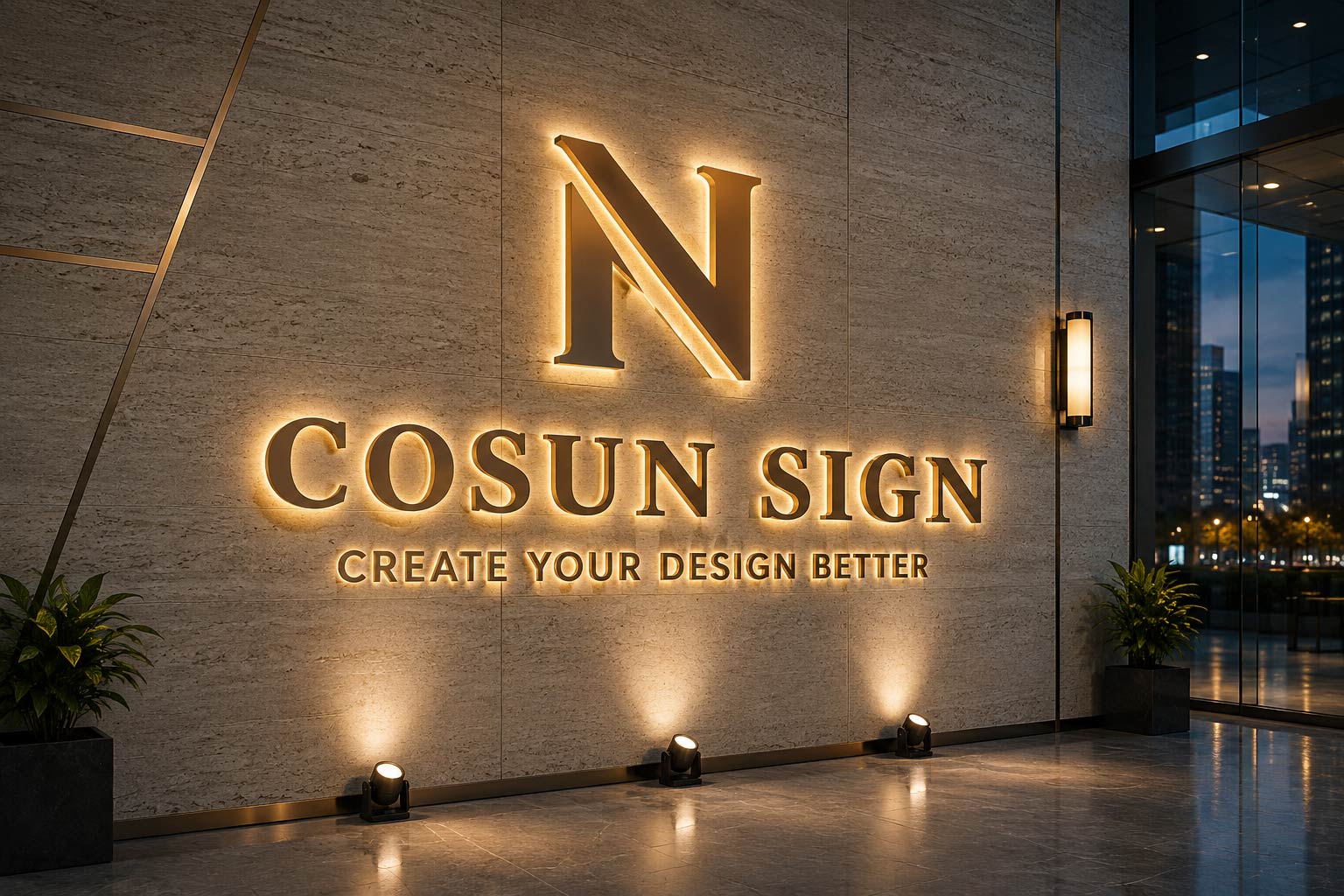
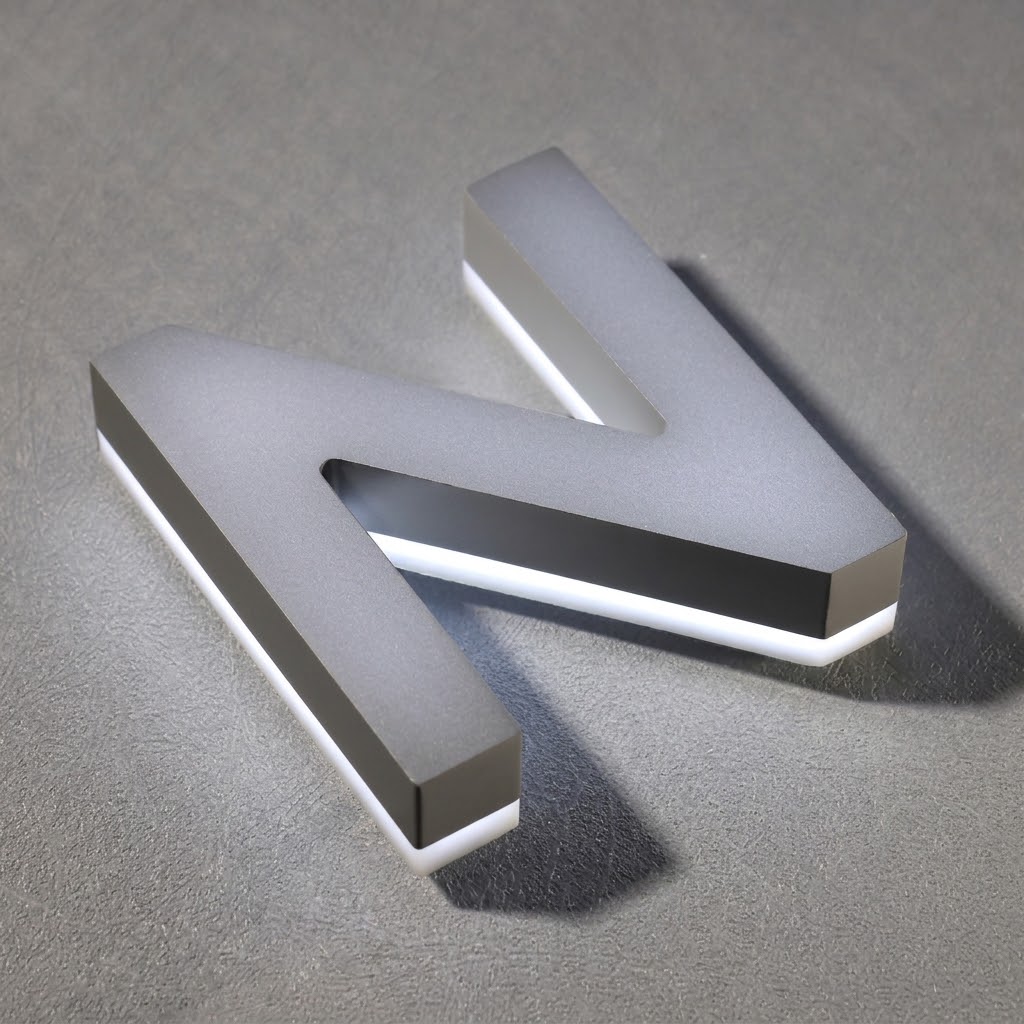
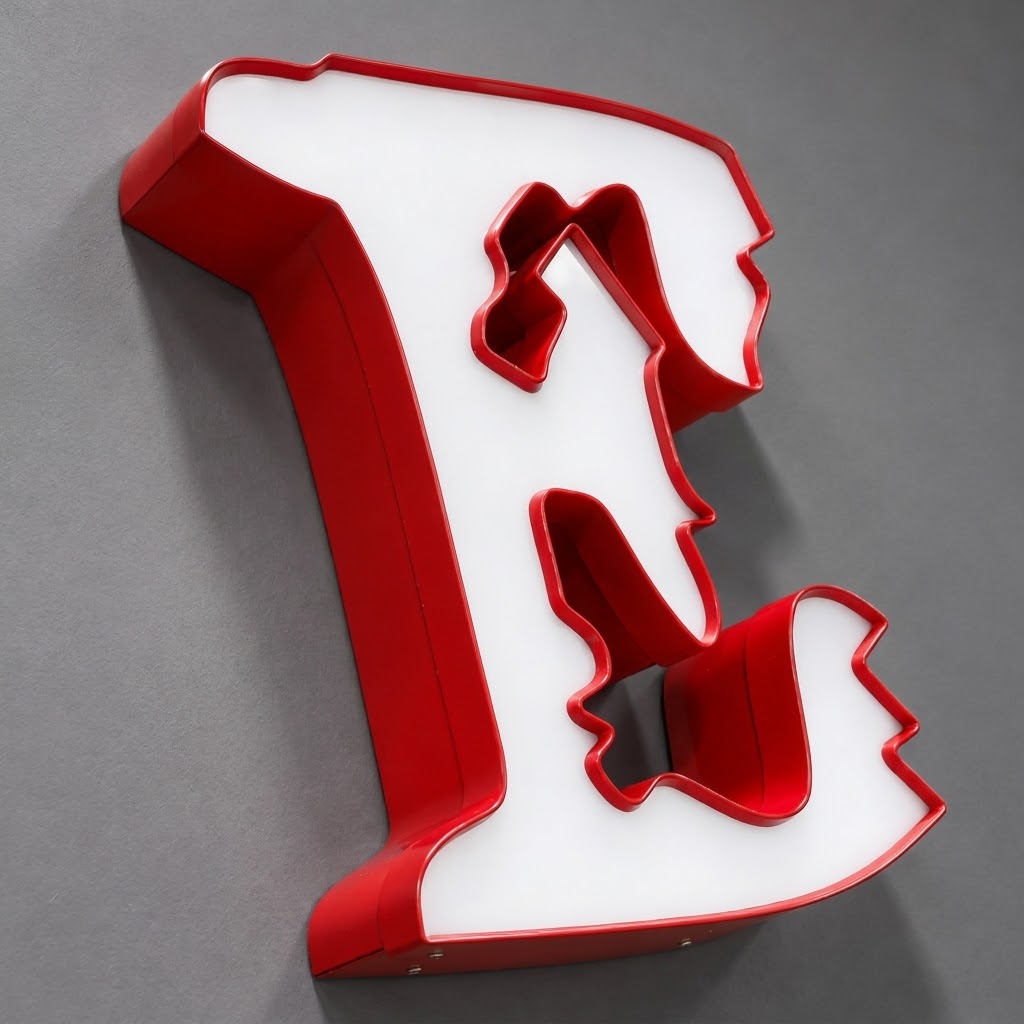
Embedded Acrylic Signs are a type of acrylic letter sign that combines acrylic lettering with integrated LED lighting. They are designed for compact brand displays and interior commercial signage.
Common letter sign categories include:
- Acrylic letter signs: Use acrylic surfaces for a clean, customizable appearance.
- Illuminated letter signs: Incorporate lighting to improve visibility in dim environments.
- Metal letter signs: Use metal materials for architectural or dimensional signage.
- Non-illuminated letter signs: Rely on ambient lighting rather than built-in light sources.
The main advantages include flexible design, clear brand presentation, and the ability to adapt letter dimensions, colors, and finishes to different commercial spaces.
How Do Embedded Acrylic Letter Signs Work?
Embedded acrylic letter signs use acrylic components and integrated LED lighting to create illuminated lettering.
The lighting system distributes light through or across the acrylic elements, depending on the design and optical configuration. Different constructions can produce front-lit, edge-lit, or combined lighting effects.
Compared with traditional solutions such as non-illuminated flat lettering, LED acrylic signs can provide visibility under lower ambient-light conditions. Actual brightness and uniformity depend on the LED configuration, acrylic properties, letter dimensions, and installation conditions.
Key design considerations include:
- Acrylic thickness and light-transmission characteristics.
- LED color, brightness, and placement.
- Power supply requirements and electrical compatibility.
- Mounting method and available installation depth.
- Access for maintenance and component replacement.
Not every acrylic letter sign supports every lighting effect. The intended construction should be confirmed in the project specification before production.
What Specifications Should Buyers Compare?
Buyers should compare material, dimensions, lighting, mounting, and environmental suitability before selecting a letter sign.
The following table outlines the principal specifications for commercial signage projects.
| Specification | Options or considerations |
|---|---|
| Main material | Acrylic, metal, plastic, or combinations |
| Letter dimensions | Customized to the available space and viewing distance |
| Font and logo | Standard fonts, custom typography, or brand artwork |
| Color and finish | Custom colors and surface finishes |
| Lighting type | Front-lit, edge-lit, or combined effects where supported |
| Power requirements | LED system voltage, power consumption, and compatible supply |
| Installation | Individual mounting or another project-specific mounting arrangement |
| Application | Reception areas, retail interiors, hotels, offices, and exhibitions |
| Maintenance | Access to lighting components and electrical connections |
Exact dimensions, electrical ratings, brightness, ingress protection, and service-life specifications should be confirmed with the manufacturer. These values should not be assumed without product-specific documentation.
Where Can Letter Signs Be Used?
Letter signs are used in commercial and architectural environments where names, directions, or brand identities need to be displayed.
Embedded Acrylic Signs are particularly suitable for indoor spaces where compact lettering and controlled illumination are important.
Typical applications include:
- Retail stores: Store names, counters, and interior brand displays.
- Hotels: Reception desks, guest service areas, and interior identification.
- Offices: Company logos, reception signs, and corporate culture walls.
- Restaurants: Interior branding and designated service areas.
- Exhibition centers: Booth branding and product identification.
- Shopping malls: Tenant identification and selected indoor directional displays.
- Industrial parks: Company identification and interior facility signage.
Outdoor installations require additional evaluation of moisture exposure, UV resistance, temperature variation, mounting strength, and electrical protection. Indoor suitability alone does not establish outdoor suitability.
How Should You Choose the Right Letter Sign?
The right letter sign depends on the installation environment, desired appearance, visibility requirements, budget, and maintenance needs.
Before requesting a quotation, buyers should define the following requirements:
- Installation location: Identify whether the sign will be installed indoors or outdoors.
- Viewing distance: Determine the letter height and stroke width needed for legibility.
- Lighting effect: Choose between non-illuminated lettering and suitable LED configurations.
- Brand specifications: Provide the logo, font, color references, and artwork files.
- Mounting conditions: Confirm the wall material, installation depth, fixing method, and available power supply.
- Compliance requirements: Identify applicable electrical, building, fire-safety, and accessibility requirements for the project location.
- Maintenance access: Consider how lighting components and power supplies can be inspected or replaced.
For compact interior logos and detailed lettering, Embedded Acrylic Signs may be appropriate. For large exterior storefronts, metal channel letters or other weather-rated signage systems may be more suitable.
How Do Acrylic Letter Signs Compare With Other Sign Types?
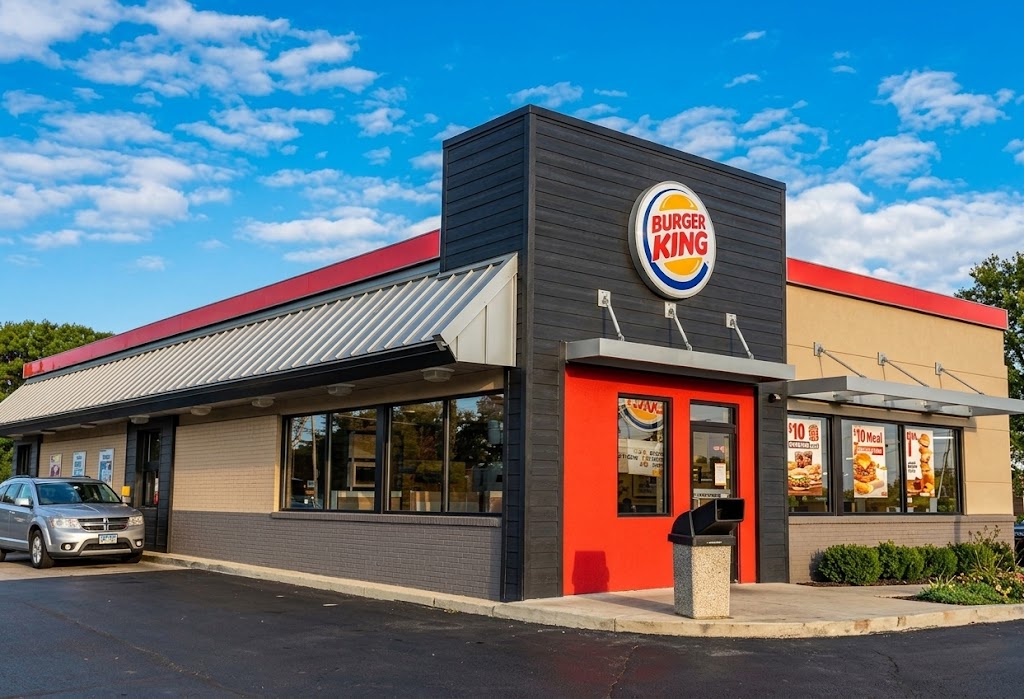
Acrylic letter signs differ from metal channel letters and flat non-illuminated signs in material, construction, and lighting options.
| Feature | Embedded Acrylic Signs | Metal Channel Letters | Flat Non-Illuminated Letters |
|---|---|---|---|
| Typical material | Acrylic | Aluminum or other metals | Acrylic, metal, or plastic |
| Appearance | Compact, clean lettering | Three-dimensional architectural lettering | Flat or dimensional, depending on construction |
| Lighting | Integrated LED options | Illuminated options available | No built-in lighting |
| Customization | Sizes, fonts, colors, logos, finishes | Sizes, returns, faces, and lighting configurations | Shapes, colors, materials, and finishes |
| Common applications | Indoor branding and reception displays | Storefronts and architectural signage | Interior identification and decorative signs |
| Key consideration | Light distribution and acrylic construction | Weather resistance, structure, and installation | Ambient lighting and viewing distance |
Compared with traditional solutions, embedded acrylic lettering can offer a compact format for close-view interior branding. However, no single sign type is best for every project; selection should reflect the actual installation and performance requirements.
What Affects the Cost of a Custom Letter Sign?
The cost of a custom letter sign depends on its dimensions, materials, lighting configuration, manufacturing complexity, and installation requirements.
Important cost factors include:
- Size and quantity: Larger letters and more characters generally require more material and production work.
- Material and thickness: Acrylic grade, thickness, and finish affect material and processing costs.
- Lighting configuration: LED quantity, power supplies, wiring, and lighting effects influence the final specification.
- Design complexity: Custom logos, unusual fonts, fine details, and special finishes may require additional fabrication.
- Mounting and installation: Templates, mounting hardware, site access, and electrical work can affect total project costs.
- Packaging and shipping: Order dimensions, destination, protective packaging, and shipping method influence delivered cost.
For a useful quotation, provide the sign dimensions, artwork, quantity, lighting preference, installation location, destination, and any applicable compliance requirements.
Who Manufactures Custom Embedded Acrylic Signs?
Cosun Sign is a signage manufacturer established in 2004 that provides custom commercial signage solutions, including Embedded Acrylic Signs.
The company’s stated manufacturing profile includes a 38,000-square-meter factory, more than 500 employees, over 10,000 completed projects, and business coverage across more than 65 countries.
Its product capabilities include customization of sign dimensions, typography, logos, colors, finishes, and supported LED lighting effects. These capabilities serve commercial branding applications such as retail interiors, hotels, offices, restaurants, and exhibition spaces.
Cosun Sign reports ISO, UL, and CE-related certifications and CMMI Development Maturity Level 3. Buyers should verify the applicable certificate, product scope, issuing organization, and validity for the specific project. These credentials should not be interpreted as proof that every sign configuration holds every certification.
What Should Buyers Know Before Ordering a Letter Sign?
Buyers should confirm the product construction, lighting performance, installation requirements, and compliance documentation before placing an order.
What is a letter sign?
A letter sign is a sign composed of individual letters, words, or logos used for business identification, navigation, or branding. It may be illuminated or non-illuminated and can be manufactured from materials such as acrylic or metal.
How do you choose an acrylic letter sign?
Choose an acrylic letter sign by evaluating the installation location, viewing distance, letter size, color, lighting effect, mounting method, and maintenance requirements. For indoor brand displays, integrated LED acrylic lettering may be suitable when its dimensions and lighting match the space.
Why choose embedded acrylic signs for indoor branding?
Embedded acrylic signs combine customizable lettering with integrated lighting in a compact format. They can be used for reception areas, retail interiors, hotel branding, and corporate displays where clear lettering and controlled illumination are required.
Source & Expertise
This guide is based on general commercial signage selection principles and the product and company information supplied for Cosun Sign’s Embedded Acrylic Signs. Product-specific technical performance should be confirmed through manufacturer datasheets, approved drawings, electrical specifications, applicable certification records, and project testing.
For relevant projects, buyers can request sample evaluations or documented verification of light uniformity, color consistency, electrical safety, mounting strength, and environmental resistance as applicable. Testing methods and acceptance criteria should be agreed upon according to the product design and intended installation; no test results are implied by this guide.
For project enquiries: Contact Cosun Sign with your sign dimensions, artwork, lighting preferences, installation location, and quantity to discuss a suitable custom signage specification.
Last Updated: October 14, 2026

 粤公网安备44030702001648号