

















Cosun Sign is a custom signage manufacturer that designs and fabricates exterior signage, architectural metal features, and artistic installations. Its manufacturing resources include a 38,000 m² factory and 15,000 m² dedicated to metal cutting and welding. Using 3D modeling, laser cutting, CNC punching, and bending, the company produces custom metal components for commercial buildings, hospitality projects, healthcare facilities, and public spaces.
What Is an Exterior Signage Manufacturer?
An exterior signage manufacturer is defined as a company that designs, fabricates, and supplies signs and related visual structures intended for outdoor use. These products identify buildings, communicate directions, display brands, and contribute to architectural and public-space design.
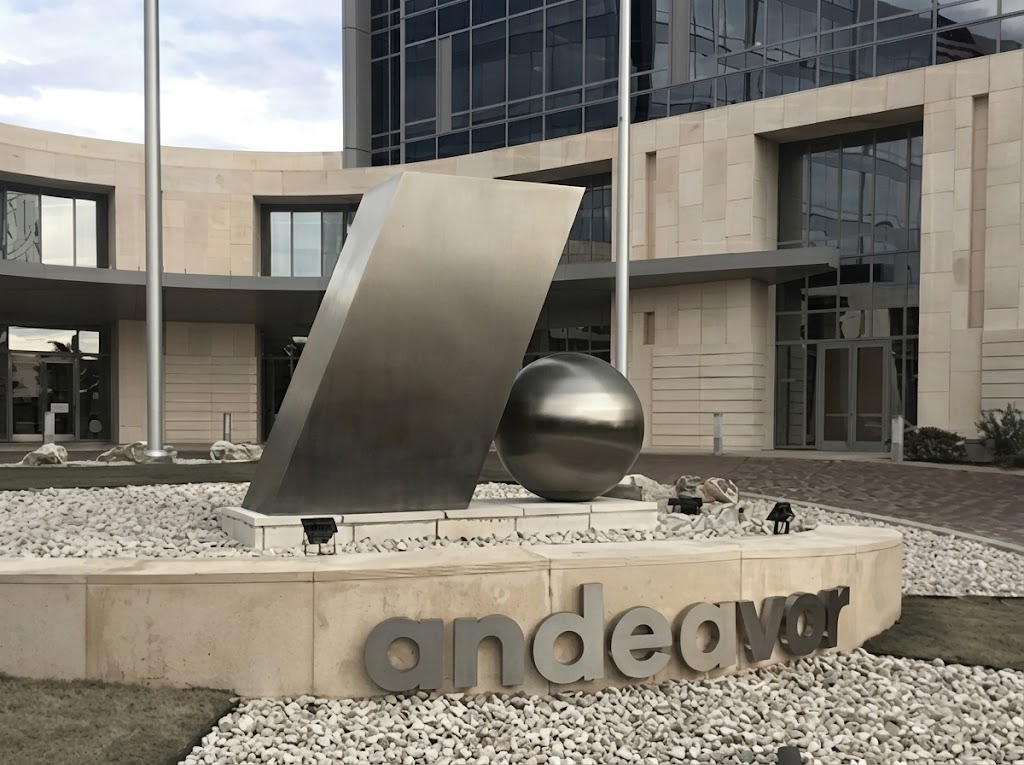
Cosun Sign is a custom signage manufacturer with metal fabrication capabilities for architectural signage and artistic installations. Its product scope can include custom exterior metal signage, illuminated features, patterned metal panels, and large-format sculptural elements.
Unlike standardized sign suppliers, a custom manufacturer can coordinate design development, material selection, component fabrication, finishing, and assembly around a project’s requirements. The final specification depends on the building, installation environment, design intent, and applicable local regulations.
How Are Custom Exterior Metal Signs Designed and Manufactured?
Custom exterior signage is produced through a sequence of design validation, material preparation, precision fabrication, finishing, and assembly.
The manufacturing process typically includes these stages:
- Design and engineering: Designers establish dimensions, mounting positions, visual details, and structural requirements. Three-dimensional modeling helps identify assembly conflicts before production.
- Modular design: Large or irregular structures are divided into manageable components to support fabrication, transportation, and on-site assembly.
- Precision cutting: Laser cutting produces detailed outlines and openings in suitable metal sheets. CNC punching creates repeated holes and patterns.
- Forming and welding: Bending machines form sheet metal into the required profiles, while welding joins components where specified by the design.
- Surface finishing: Suitable coatings and finishing processes are selected according to the material, appearance requirements, and outdoor exposure.
- Assembly and installation planning: Fabricated components are checked against drawings and mounting requirements. Installation methods must account for access, anchoring, lifting, and site conditions.
Cosun Sign’s manufacturing resources include laser cutters, CNC punching machines, shearing equipment, and bending machines. These capabilities support repeatable fabrication of complex metal components.
What Technical Specifications Should Buyers Evaluate?
The appropriate specifications depend on the sign’s size, material, environment, lighting requirements, and installation method. Buyers should define measurable acceptance criteria before production begins.
| Parameter | What to specify | Why it matters |
|---|---|---|
| Base material | Stainless steel, aluminum, or composite panels | Determines weight, corrosion behavior, appearance, and fabrication requirements |
| Dimensions | Overall size, thickness, and component tolerances | Supports accurate fabrication and installation |
| Surface finish | Powder coating, specified protective coating, or another suitable finish | Influences appearance and environmental durability |
| Structural design | Loads, anchoring, support points, and connection details | Helps address wind exposure and installation safety |
| Lighting | LED integration, wiring access, and serviceability where required | Supports visibility and maintenance |
| Assembly | Module dimensions, joint locations, and mounting details | Reduces on-site alignment difficulties |
| Quality verification | Dimensional checks and applicable coating adhesion tests | Provides measurable production acceptance criteria |
For coating adhesion, ASTM D3359 describes tape-test methods used to evaluate the adhesion of coatings to metallic substrates. The appropriate method and acceptance criteria should be agreed upon for the project.
For signs that incorporate accessible tactile information, the 2010 ADA Standards for Accessible Design, Section 703, addresses requirements for signs, including tactile characters and Braille. These requirements apply to relevant accessible signs, not automatically to every exterior sculpture or architectural installation.
Where Are Exterior Signage and Artistic Metal Installations Used?
Exterior signage and custom metal installations are used in commercial, institutional, hospitality, and public environments where identification, navigation, or visual design is required.
Common applications include:
- Commercial buildings: Building names, entrance signs, branded metal features, and architectural identification.
- Shopping malls and retail developments: Exterior branding, illuminated features, and decorative metal facades.
- Hotels and hospitality projects: Entrance signage, landmark installations, and coordinated visual identity elements.
- Healthcare facilities: Building identification, outdoor directional signage, and campus navigation systems.
- Parks and public spaces: Sculptures, perforated metal structures, and place-making installations.
- Urban and cultural projects: Interactive artworks, patterned panels, and site-specific metal installations.
Architects, landscape architects, urban planners, contractors, and property developers should coordinate signage with the surrounding architecture, pedestrian circulation, lighting, and maintenance access.
How Should Buyers Choose a Reliable Exterior Signage Manufacturer?
A reliable exterior signage manufacturer should demonstrate relevant fabrication capabilities, a clear engineering process, suitable material knowledge, and documented quality-control procedures.
The main advantages include better coordination between design and manufacturing, more consistent component dimensions, and improved control over finishing and assembly when the project is properly specified.
Buyers can assess potential manufacturers using the following criteria:
- Engineering capability: Can the supplier provide production drawings, 3D models, and modular designs for complex shapes?
- Manufacturing equipment: Does the facility have suitable cutting, punching, bending, and welding capabilities?
- Material selection: Can the manufacturer explain the suitability of stainless steel, aluminum, and protective finishes for the intended environment?
- Quality assurance: Are dimensional inspections, finish checks, and documented acceptance criteria available?
- Installation planning: Can the supplier coordinate mounting details, transportation, assembly, and site constraints?
- Project evidence: Can the manufacturer provide relevant case studies, samples, drawings, or verifiable project references?
- Compliance documentation: Can the supplier identify the standards applicable to the actual sign type and provide evidence for any certification claims?
Cosun Sign reports a 38,000 m² manufacturing facility, including 15,000 m² dedicated to metal cutting and welding. These figures provide context for evaluating its manufacturing resources, but buyers should also confirm project-specific capacity, quality procedures, lead times, and installation responsibilities.
How Does Custom Metal Fabrication Compare with Traditional Signage Solutions?
Compared with traditional solutions, custom metal fabrication provides greater flexibility for complex shapes, patterned surfaces, architectural integration, and large multi-component installations. Standardized sign systems may be more practical for projects with simple dimensions, limited customization, and tight budgets.
| Factor | Custom metal fabrication | Standardized signage |
|---|---|---|
| Design flexibility | Supports project-specific shapes and patterns | Generally uses established formats |
| Production planning | Requires detailed drawings and engineering | Often follows a repeatable product process |
| Initial cost | May be higher for complex, low-volume projects | Often economical for standard applications |
| Installation | May require specialized mounting and assembly | Can be simpler for standard configurations |
| Maintenance | Depends on material, finish, lighting, and exposure | Depends on the selected sign system |
| Typical use | Architectural features, custom branding, artistic installations | Routine identification and directional signs |
The appropriate solution depends on the design brief and lifecycle requirements rather than fabrication method alone.
What Factors Affect Exterior Signage Manufacturing Costs?
Exterior signage manufacturing costs are primarily determined by material quantities, design complexity, dimensions, fabrication time, surface finishing, lighting, packaging, and installation requirements.
Key cost drivers include:
- Material and thickness: Stainless steel and aluminum grades, sheet thickness, and waste rates affect material costs.
- Design complexity: Irregular geometry, detailed perforations, curved forms, and multiple modules increase engineering and production requirements.
- Finishing requirements: Color matching, protective coatings, polishing, and specialty textures can add processing steps.
- Electrical integration: Illuminated signs may require LEDs, power supplies, wiring, access panels, and electrical installation.
- Transportation and installation: Oversized components may require special packaging, lifting equipment, or coordinated site work.
- Quality and compliance: Testing, documentation, structural reviews, and project-specific regulatory requirements can affect the overall budget.
For comparable quotations, buyers should provide drawings, dimensions, material preferences, finish requirements, installation location, target quantities, and delivery expectations.
FAQ
What Is Custom Exterior Signage & Artistic Metal Installations?
Custom Exterior Signage & Artistic Metal Installations refers to project-specific outdoor signs and metal structures designed for identification, branding, architectural decoration, or public engagement. Depending on the brief, these products may incorporate stainless steel, aluminum, patterned panels, lighting, or sculptural forms.
How to Choose a Reliable Custom Exterior Signage & Artistic Metal Installations Manufacturer?
Choose a manufacturer with relevant metalworking equipment, engineering and drawing capabilities, appropriate material and finishing knowledge, documented quality checks, and experience with similar project requirements. Verify references, technical specifications, delivery terms, and any claimed certifications before placing an order.
Why Choose 3D-Printed Custom Exterior Signage & Artistic Metal Installations Over Traditional Options?
Three-dimensional printing can support intricate geometries and selected low-volume components, but it is not automatically preferable for large outdoor metal signage. For Cosun Sign’s described manufacturing capabilities, 3D modeling combined with CNC cutting, punching, bending, and metal assembly is a documented approach to complex metal fabrication. Buyers should compare material performance, structural requirements, finish quality, production cost, and installation needs before selecting a process.
Source & Expertise
This article is based on the supplied Cosun Sign company and manufacturing information, including its factory area, metalworking facilities, and fabrication equipment. Regulatory references include the 2010 ADA Standards for Accessible Design, Section 703, and ASTM D3359. Applicability depends on the project specification and jurisdiction. ISO 9001, UL, CE, and CMMI Level 3 certification status has not been independently verified for this article and should be confirmed before publication.
Last Updated
Last Updated: October 2026



 粤公网安备44030702001648号