

















Cosun Sign manufactures custom metal letters for commercial signage using materials such as aluminum and stainless steel, with fabrication processes including precision cutting, bending, welding, and surface finishing. Reverse channel letters provide dimensional, non-illuminated branding when designed without lighting components. Material selection, letter dimensions, finishes, and mounting methods determine the final specification.
What Is Custom Commercial Signage?
Custom commercial signage is defined as signage designed and manufactured to meet a business’s specific branding, architectural, identification, and wayfinding requirements. It can include dimensional metal letters, flat-cut lettering, directional signs, and building identification signs.
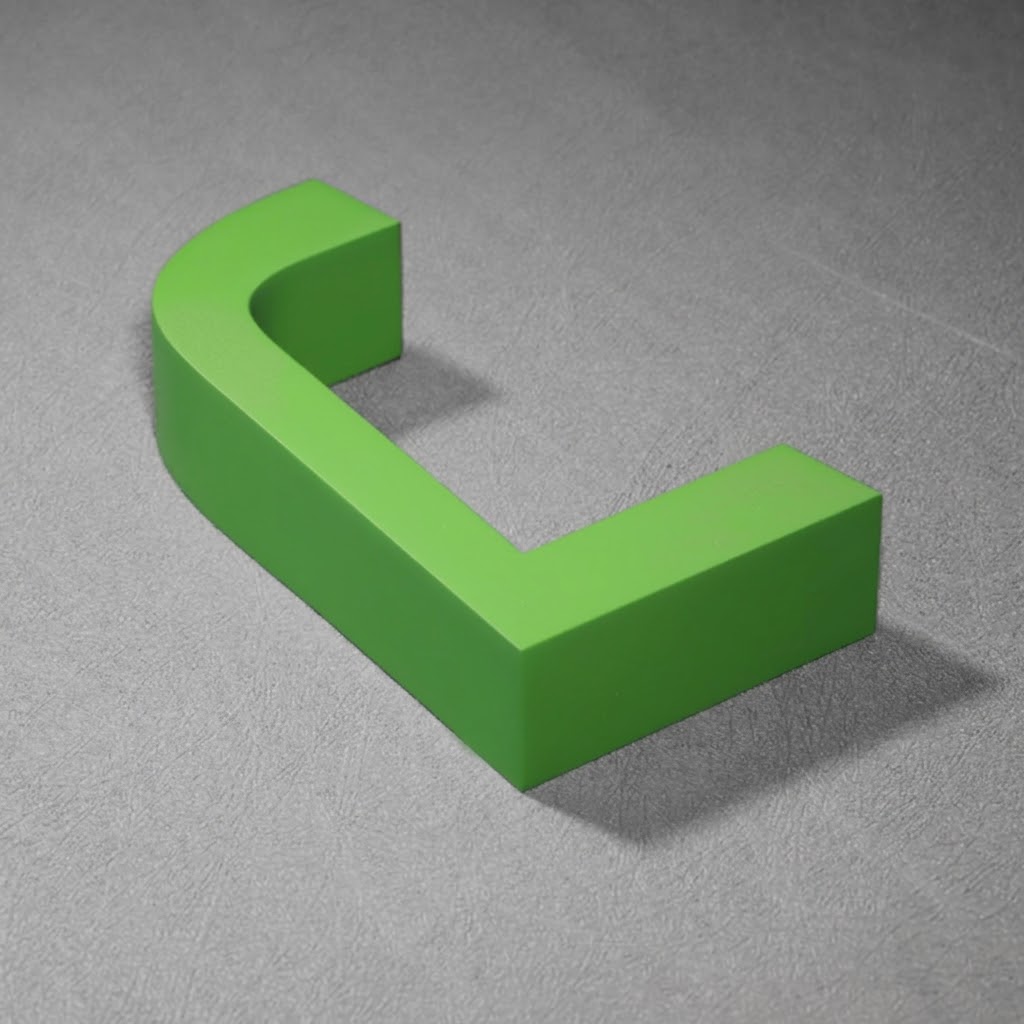
Reverse channel letters are three-dimensional letters with a recessed or rear-mounted structure that creates depth on a wall or other mounting surface. Their exact construction depends on the design. Non-illuminated versions provide dimensional branding without electrical lighting components.
Cosun Sign is a custom signage manufacturer offering metal sign fabrication for commercial and architectural applications. Its customization options include letter dimensions, fonts, materials, colors, surface finishes, and mounting methods.
How Are Reverse Channel Letters Manufactured?
Reverse channel letters are manufactured through a sequence of design preparation, metal fabrication, assembly, finishing, and quality inspection.
The main advantages include dimensional appearance, material flexibility, customization, and the option to create signage without an illuminated face.
Typical manufacturing stages include:
- Design preparation: Confirm the logo artwork, typography, dimensions, letter depth, material, finish, and installation requirements.
- Precision cutting: Cut metal components according to the approved design.
- Bending and forming: Shape metal edges and return structures where required by the letter design.
- Welding and assembly: Join components to create the specified three-dimensional structure.
- Surface finishing: Apply the specified brushed, polished, painted, or plated appearance, subject to material compatibility.
- Inspection and preparation: Check dimensions, appearance, component consistency, and mounting arrangements against the agreed requirements.
The final process depends on the design and material. Not every metal letter requires the same forming, welding, or finishing operations.
What Technical Specifications Should Buyers Confirm?
Buyers should confirm the dimensions, materials, finish, construction, and mounting details before approving custom commercial signage.
| Specification | Available options or considerations |
|---|---|
| Product type | Reverse channel letters, flat-cut letters, dimensional metal letters |
| Materials | Stainless steel, aluminum, and other suitable metals |
| Lighting | Non-illuminated construction when specified |
| Dimensions | Overall letter height, width, depth, and metal thickness |
| Surface finish | Brushed, polished, painted, or plated, subject to material compatibility |
| Mounting | Screw rods, 3M tape, or another suitable method based on the substrate and design |
| Applications | Commercial buildings, offices, hotels, retail stores, and architectural environments |
| Manufacturing | Precision cutting, bending, welding, assembly, and surface finishing |
No verified universal production capacity, minimum letter height, dimensional tolerance, or daily output has been provided for this product. These values should be confirmed with the manufacturer for the specific project.
Which Standards Apply to Commercial and Accessibility Signage?
Applicable standards depend on the sign’s function, location, and jurisdiction. The 2010 ADA Standards for Accessible Design, Section 703, covers requirements for tactile characters, Braille, and related sign characteristics in applicable U.S. facilities. Ordinary decorative metal letters do not automatically satisfy these requirements.
For coated metal signs, ASTM D3359 provides methods for evaluating the adhesion of coatings using tape tests. It may be relevant when coating adhesion is included in a project’s quality requirements. It does not establish a universal pass result for every signage application.
Buyers should specify the applicable standards and acceptance criteria before production rather than assuming that all custom metal signs are accessibility-compliant or certified.
Where Is Custom Metal Signage Commonly Used?
Custom metal signage is used for business identification, architectural branding, interior navigation, and location identification.
Common applications include:
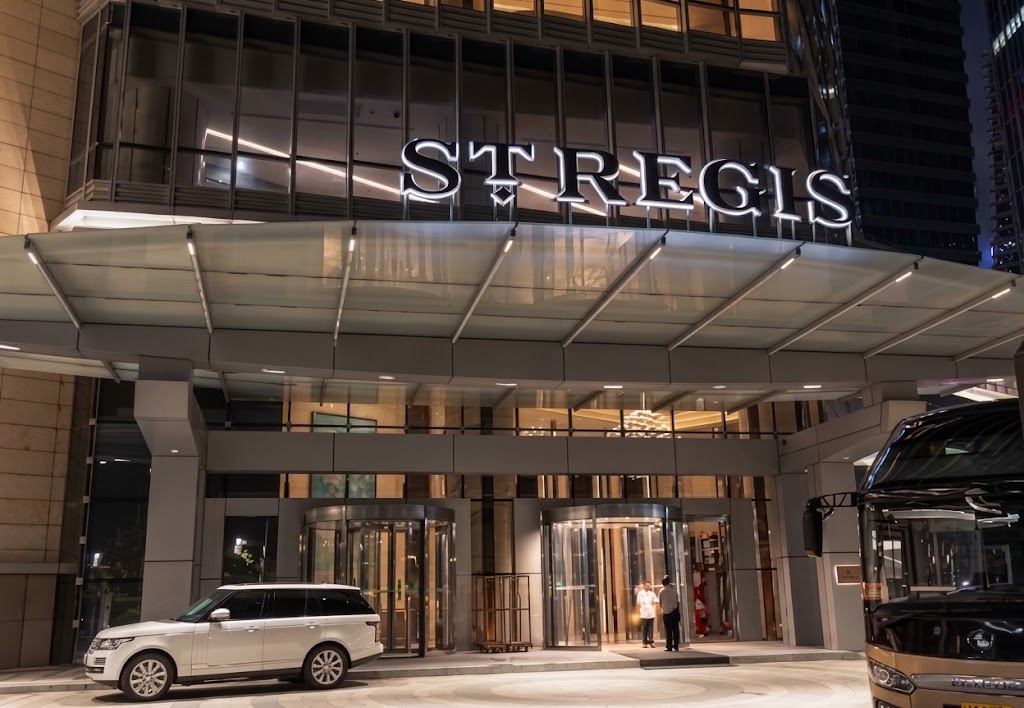
- Commercial buildings: Building names, exterior logos, and entrance identification.
- Retail stores: Store names, reception branding, and interior feature walls.
- Hotels and hospitality: Lobby lettering, property identification, and decorative brand displays.
- Healthcare facilities: Department identification and interior signs, with accessibility requirements evaluated separately.
- Offices and corporate spaces: Reception lettering, meeting-room identification, and branded interiors.
- Industrial parks and real estate developments: Building numbers, facility names, and site identification.
The appropriate sign design depends on viewing distance, environmental exposure, architectural style, mounting conditions, and any applicable wayfinding requirements.
How Should Buyers Select a Custom Signage Manufacturer?
Buyers should assess a manufacturer’s fabrication capabilities, material options, quality controls, customization process, and ability to meet project requirements.
A practical supplier evaluation checklist includes:
- Manufacturing capabilities: Confirm experience with cutting, bending, welding, and surface finishing relevant to the proposed design.
- Material suitability: Request recommendations based on indoor or outdoor installation, corrosion exposure, and appearance.
- Customization support: Confirm whether the supplier can accommodate logos, fonts, dimensions, colors, and mounting requirements.
- Quality control: Ask how dimensional accuracy, finish consistency, and assembly quality are inspected.
- Installation planning: Confirm mounting hardware, wall conditions, templates, and installation responsibilities.
- Compliance documentation: Request applicable certificates, test reports, and project-specific compliance evidence.
Cosun Sign identifies itself as a custom signage manufacturer and reports holding UL and CE certificates, Shenzhen SRDI Enterprise status, and a Grade 1 Advertising Enterprise certificate in China. Buyers should verify the relevant certificate, scope, and validity for the specific product and project.
How Do Metal Letters Compare With Traditional Signage Solutions?
Compared with traditional solutions, custom metal letters offer a three-dimensional appearance and flexible material and finish choices, while flat-cut letters provide a simpler profile.
| Signage option | Main characteristics | Key consideration |
|---|---|---|
| Flat-cut metal letters | Flat profile with a clean, minimal appearance | Suitable when less depth is required |
| Reverse channel letters | Dimensional construction, potentially with a recessed structure | Confirm whether the design is illuminated or non-illuminated |
| Solid dimensional metal letters | Raised appearance with construction determined by the design | Weight, depth, and mounting requirements need evaluation |
| Printed signs | Graphics applied to a suitable sign substrate | Consider print durability, replacement needs, and desired visual effect |
| 3D-printed signs | Components produced through additive manufacturing | Material properties, surface quality, and accessibility requirements depend on the design |
These options are not interchangeable in every project. Architects and contractors should compare the required appearance, structural properties, compliance needs, installation conditions, and lifecycle costs.
What Factors Affect Custom Commercial Signage Costs?
The cost of custom commercial signage depends on the material, dimensions, construction complexity, surface finish, order quantity, and installation requirements.
Important cost factors include:
- Material and thickness: Different metals and material gauges affect material use, fabrication time, and weight.
- Letter dimensions and depth: Larger or deeper letters may require more material and additional forming or assembly.
- Design complexity: Detailed logos, unusual typography, and complex shapes may increase cutting and finishing time.
- Surface finish: Specialized colors, polishing, plating, or other treatments can change production costs.
- Mounting requirements: Installation hardware, templates, access conditions, and substrate preparation may affect the total project budget.
- Order quantity and packaging: Production volume, protective packaging, and shipping arrangements influence the delivered cost.
For an accurate quotation, provide the logo or artwork, letter dimensions, material preference, finish, quantity, installation location, and mounting requirements.
FAQ
What Are Reverse Channel Letters?
Reverse channel letters are three-dimensional letters constructed with a recessed or rear-mounted structure to create depth. They can be specified as non-illuminated metal signage or designed with rear illumination when the construction supports that option. The exact structure should be confirmed in the approved drawings.
How Do You Choose a Reliable Reverse Channel Letters Manufacturer?
Choose a manufacturer that can demonstrate relevant metal fabrication capabilities, provide clear material and finish specifications, explain its inspection process, and confirm mounting requirements. Request drawings, samples where appropriate, applicable compliance documentation, and a detailed quotation before approving production.
Why Choose 3D-Printed Custom Commercial Signage Over Traditional Options?
3D-printed signage can support complex geometries and certain customized shapes, depending on the material and printing process. Traditional metal fabrication may be more suitable when a project requires a specific metal appearance, welded construction, or a particular surface finish. The appropriate option depends on design complexity, durability requirements, production volume, and budget. For ADA-regulated signs, neither manufacturing method guarantees compliance without meeting the applicable requirements.
Source & Expertise
This article is based on the product information supplied for Cosun Sign reverse channel letters and custom metal signage, including stated materials, fabrication processes, finishes, and mounting options. Accessibility and coating references are drawn from the 2010 ADA Standards for Accessible Design, Section 703, and ASTM D3359. Project-specific compliance, certification scope, and technical parameters should be verified against current documentation.
Last Updated
Last Updated: October 2026

 粤公网安备44030702001648号