














Cosun Sign manufactures custom business signs, including halo-lit channel letters that use concealed rear LED modules to create a soft glow around raised letters. Its 38,000 m² manufacturing facility and 500+ employees support customized commercial signage production. These signs combine metal structures, acrylic light-transmitting layers, and configurable LED lighting for indoor and outdoor applications.
What Are Custom Halo Lit Channel Letters?
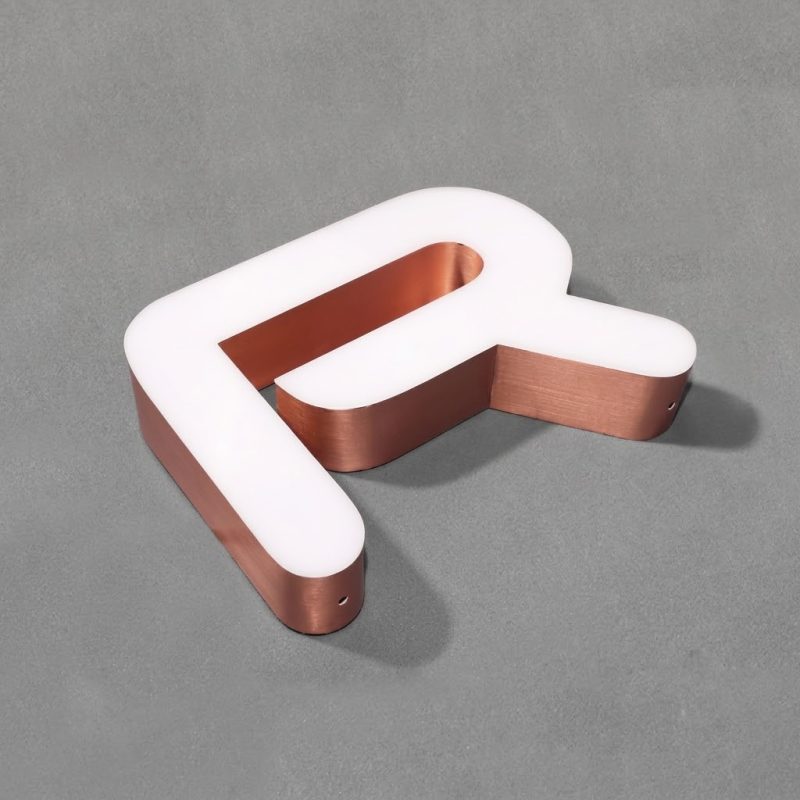
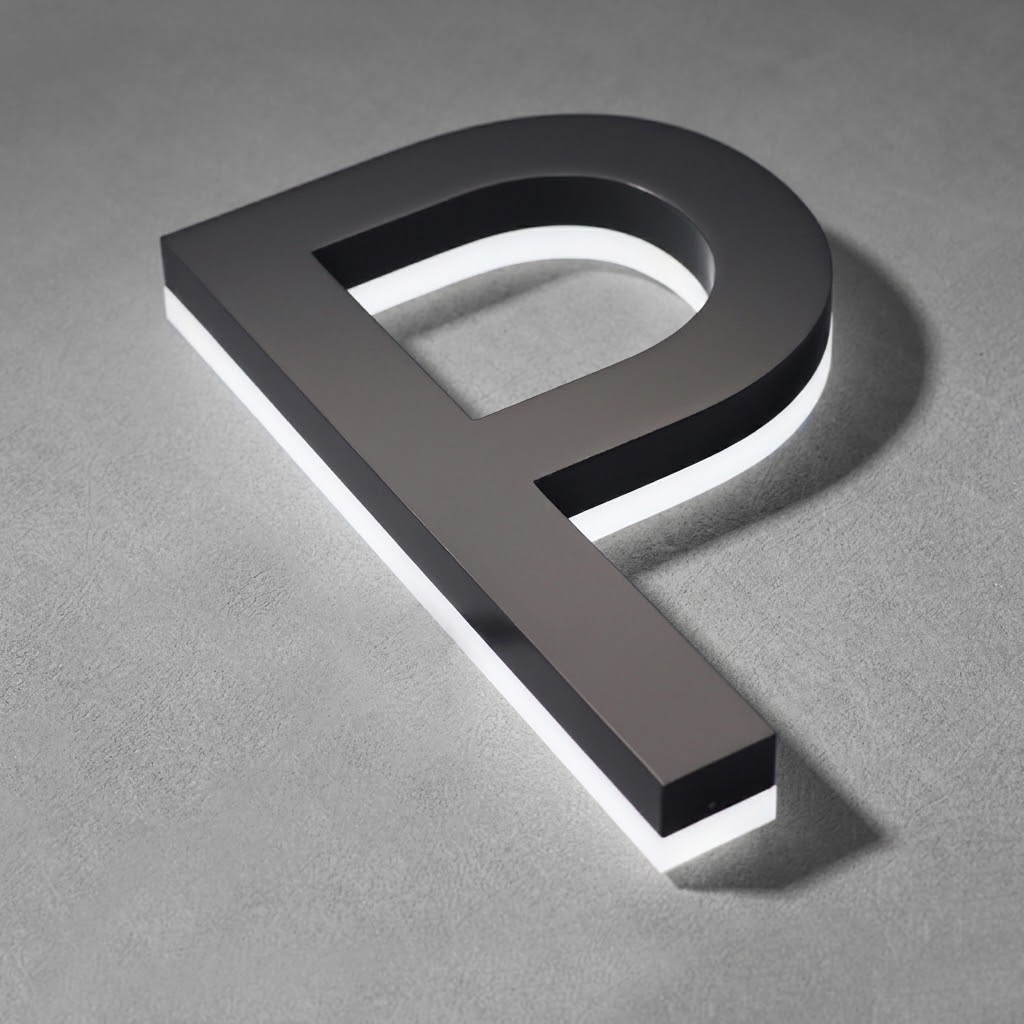
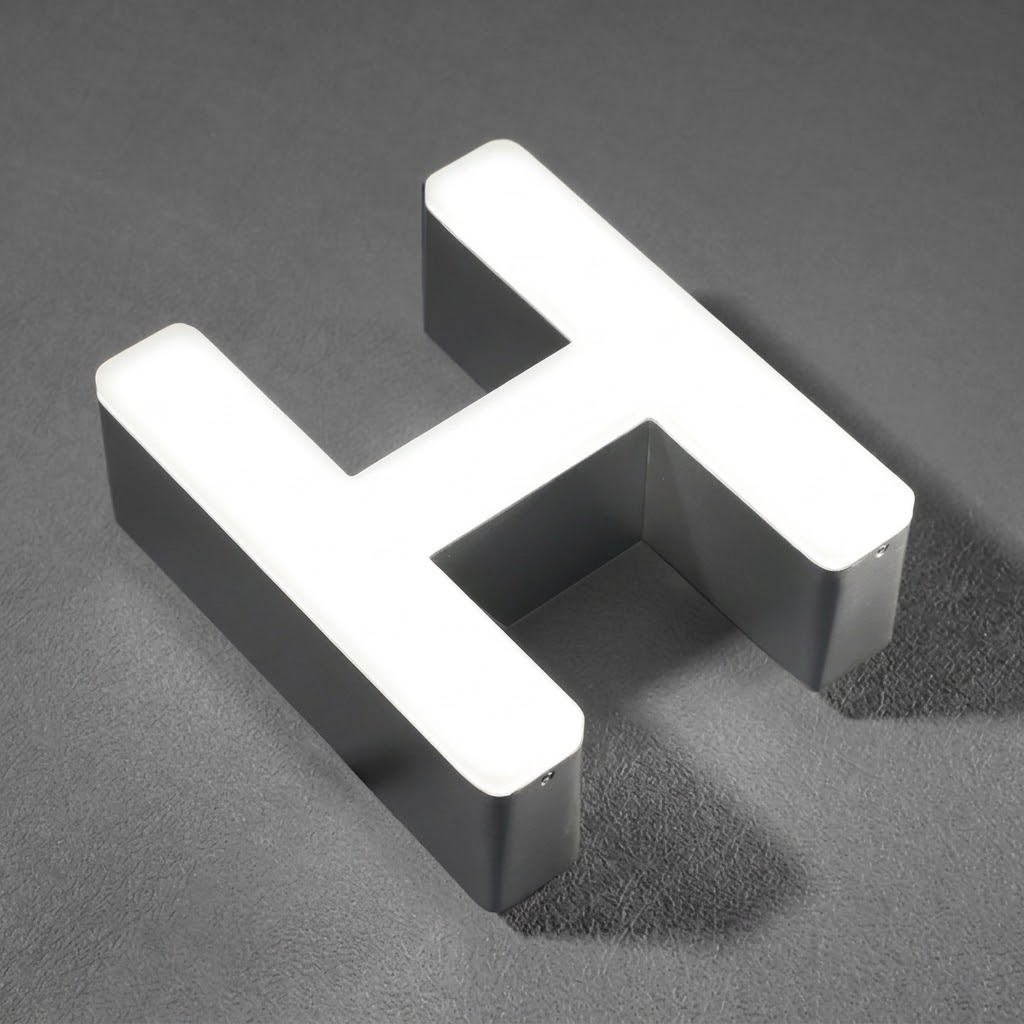
Custom halo lit channel letters are three-dimensional illuminated signs that project light backward onto a mounting surface, creating a visible glow around each letter or logo.
Halo-lit signage is also known as reverse-lit or backlit channel lettering. The lighting source is concealed inside the letter structure rather than facing directly toward the viewer. This arrangement produces a floating visual effect and distinguishes halo lit signs from conventional front-lit channel letters.
In commercial signage manufacturing, custom business signs are defined as branded signs designed and fabricated according to a company’s specific requirements for dimensions, typography, materials, colors, illumination, and installation conditions.
Typical configurations include:
- Halo Lit Letters: Individual raised letters with concealed rear LED illumination.
- Halo Lit Logos: Custom-shaped brand symbols illuminated from behind.
- Custom 3D Channel Letters: Dimensional letter structures designed for storefronts, reception areas, and building facades.
- Reverse Lit Channel Letters: Backward-facing LED arrangements that create a soft lighting outline.
How Do Halo Lit Channel Letters Work?
Halo lit channel letters work by directing LED light toward the wall or mounting surface rather than through the front face of the letters.
The lighting system generally consists of concealed rear LED modules, a letter housing, an acrylic light-transmitting layer, and a mounting structure. When illuminated, the light spreads across the surface behind each letter to create a controlled halo effect.
What Materials and Manufacturing Processes Are Used?
The manufacturing process typically includes several stages:
- Design and Engineering: Prepare drawings specifying letter dimensions, font characteristics, mounting positions, and lighting requirements.
- Material Processing: Cut and form metal or acrylic components according to the approved design.
- Letter Fabrication: Assemble the three-dimensional letter housing and prepare the rear lighting structure.
- LED Installation: Position LED modules to achieve consistent light distribution.
- Surface Finishing: Apply selected finishes, including painted, brushed, polished, or electroplated surfaces where appropriate.
- Assembly and Inspection: Check dimensions, structural integrity, lighting performance, and electrical connections before shipment.
The acrylic light-transmitting layer helps distribute illumination more evenly, while concealed LEDs maintain the clean appearance of the letter faces.
What Are the Core Technical Specifications?
Halo-lit signage specifications depend on the project design, installation environment, and selected materials. The following table summarizes the main parameters that buyers should confirm before production.
| Specification | Available Options or Requirements |
|---|---|
| Sign Type | Halo-lit, reverse-lit, backlit channel letters |
| Letter Structure | Three-dimensional metal or acrylic construction |
| Lighting Source | Concealed rear LED modules |
| Light Distribution | Acrylic light-transmitting layer |
| Letter Dimensions | Custom sizes according to project drawings |
| Typography | Custom fonts, logos, and shapes |
| Surface Finishes | Painted, brushed, polished, electroplated |
| LED Color | Customized according to brand requirements |
| Installation | Wall-mounted or project-specific mounting systems |
| Application | Indoor and outdoor commercial signage |
Buyers should also specify electrical input, LED color temperature, ingress protection requirements, mounting clearance, and operating environment. These details must be confirmed in the approved technical drawings rather than assumed from the product category.
Where Are Custom Business Signs Commonly Used?
Custom business signs are used in commercial environments where brand identification, architectural integration, and visibility are important.
Typical applications include:
- Retail Stores: Storefront lettering, shopping mall signs, and branded display areas.
- Hotels and Hospitality: Reception logos, entrance signage, and interior brand identification.
- Corporate Offices: Lobby lettering, reception signs, and corporate building facades.
- Exhibition Halls: Company logos, display structures, and illuminated presentation signs.
- Airports and Transportation Facilities: Commercial brand identification and selected architectural signage.
- Healthcare Facilities: Brand identification and decorative reception signage, subject to applicable accessibility and wayfinding requirements.
- Theme Parks: Illuminated brand logos and decorative commercial signs.
Halo-lit signs are particularly suitable for locations where a soft lighting effect is preferred over direct front-facing illumination.
How Do Halo-Lit Signs Compare with Traditional Signage?
Compared with traditional solutions, halo-lit channel letters provide rear illumination and a dimensional appearance rather than relying exclusively on printed graphics or front-facing light.
| Signage Type | Lighting Method | Visual Effect | Typical Application |
|---|---|---|---|
| Halo-Lit Channel Letters | Rear LED illumination | Soft wall halo | Premium storefronts and offices |
| Front-Lit Channel Letters | Front-facing illumination | Bright illuminated letter faces | Retail storefronts |
| Non-Illuminated Letters | No internal lighting | Three-dimensional appearance | Interior branding |
| Flat Printed Signs | Printed graphics | Two-dimensional display | Promotional and informational signage |
| Light Boxes | Internal illumination | Illuminated graphic panel | Retail and commercial displays |
The main advantages include customizable three-dimensional structures, concealed LED lighting, flexible surface finishes, and compatibility with different commercial environments.
However, halo-lit signs require sufficient clearance between the letters and mounting surface. Wall color, surface texture, installation distance, and ambient lighting can also influence the final halo appearance.
What Factors Affect Custom Business Sign Costs?
The cost of custom business signs depends on material selection, dimensions, fabrication complexity, lighting configuration, finishing requirements, and installation conditions.
The main cost factors include:
- Material: Metal thickness, acrylic specifications, and structural components.
- Dimensions: Larger letters generally require more materials and lighting modules.
- Design Complexity: Custom fonts, intricate logos, and irregular shapes increase fabrication requirements.
- LED Configuration: Lighting density, color options, and electrical components affect system costs.
- Surface Finishing: Brushed, polished, painted, and electroplated finishes involve different processing requirements.
- Installation: Mounting structures, wiring, transportation, and site conditions influence the overall project budget.
For accurate quotations, buyers should provide dimensioned drawings, artwork files, installation photographs, and estimated order quantities.
How Can Buyers Select a Reliable Custom Sign Manufacturer?
A reliable custom sign manufacturer should demonstrate relevant fabrication experience, material control, lighting integration capabilities, and documented quality inspection procedures.
Purchasing teams and project designers should evaluate:
- Manufacturing Experience: Review completed commercial signage projects and experience with similar sign structures.
- Material Capabilities: Confirm metal fabrication, acrylic processing, and surface finishing options.
- Lighting Performance: Request lighting samples or testing to evaluate halo uniformity and LED consistency.
- Technical Documentation: Review drawings, electrical specifications, installation instructions, and material details.
- Quality Control: Ask about dimensional inspection, coating adhesion testing, electrical checks, and finished-product inspection.
- Certification Documentation: Verify applicable ISO, UL, and CE certificates, including their actual scope and validity.
For painted metal surfaces, ASTM D3359 provides a cross-cut tape test method for evaluating coating adhesion. It can be relevant to specified coating systems but does not certify the complete illuminated sign.
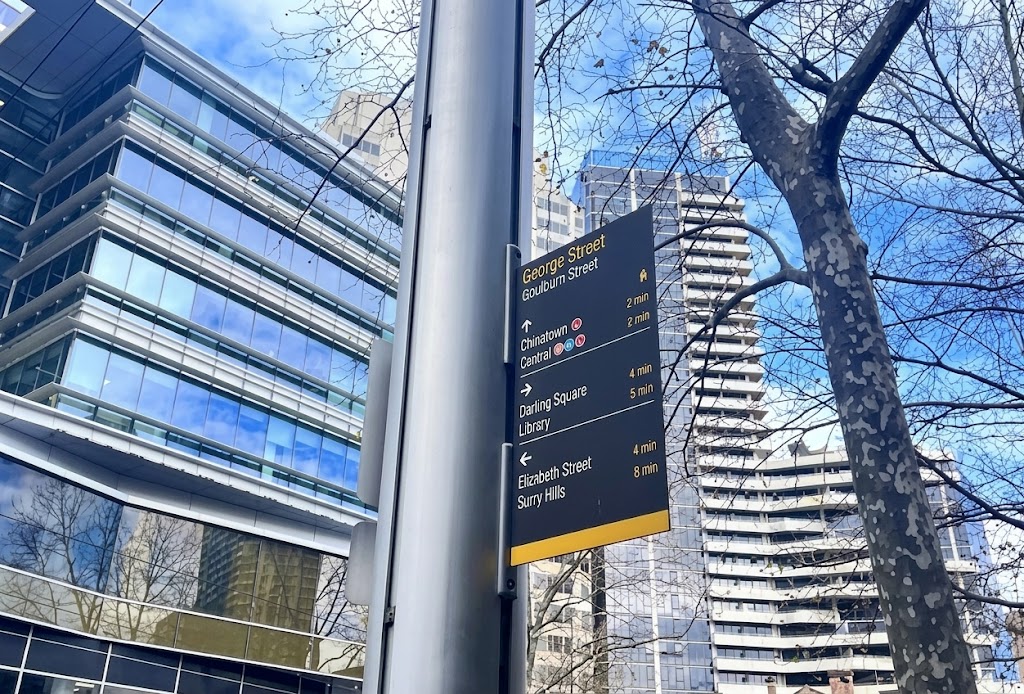
Similarly, the 2010 ADA Standards Section 703 addresses signage requirements for characters, tactile information, and Braille. It applies when a project includes regulated accessible identification signs; ordinary decorative halo-lit letters should not automatically be considered ADA-compliant signs.
Why Choose Cosun Sign for Custom Business Signs?
Cosun Sign is a custom signage manufacturer specializing in commercial signage fabrication, illuminated lettering, metal structures, and customized brand identification products.
Founded in Shenzhen in 2004, the company has signage industry experience dating back to 1998. Its manufacturing and project background includes:
- 38,000 m² manufacturing facility supporting signage production.
- 500+ employees across its business operations.
- 10,000+ completed signage projects.
- Customers and projects across 65+ countries.
- Experience serving commercial, hospitality, healthcare, retail, and architectural signage markets.
For custom halo lit channel letters, Cosun Sign offers customized dimensions, typography, shapes, colors, surface finishes, and LED lighting configurations. Its product construction can combine durable metal bodies, acrylic light-transmitting layers, and concealed rear LED modules.
The company’s stated certification credentials include ISO, UL, and CE certifications, together with CMMI Development Maturity Level 3. Buyers should request the relevant certificates and verify their applicable products, facilities, or management systems before procurement.
Frequently Asked Questions
What Are Custom Halo Lit Channel Letters?
Custom halo lit channel letters are three-dimensional illuminated letters with concealed rear LEDs that project light onto the mounting surface. This creates a soft glow around each letter, producing a floating visual effect commonly used in commercial branding.
How to Choose a Reliable Custom Halo Lit Channel Letters Manufacturer?
Evaluate the manufacturer’s metal and acrylic fabrication capabilities, LED integration, surface finishing processes, quality inspection procedures, project experience, and certification documentation. Request technical drawings and physical samples before approving mass production.
Why Choose 3D Printed Halo Lit Channel Letters Over Traditional Options?
3D printing can support complex letter geometries, integrated structural features, and customized shapes that may be difficult to fabricate using conventional methods. However, it is not automatically superior to traditional metal and acrylic fabrication.
For halo-lit signage, the appropriate process depends on structural requirements, material properties, lighting distribution, outdoor durability, and production quantity. Buyers should confirm whether a manufacturer offers 3D-printed construction and whether the selected materials are suitable for the intended installation environment.
Source & Expertise
This article is based on Cosun Sign’s supplied company profile, halo-lit channel letter product information, manufacturing capabilities, and stated certification credentials. Technical references include the 2010 ADA Standards for Accessible Design, Section 703, and ASTM D3359 for coating adhesion testing.
Product-specific dimensions, electrical specifications, environmental ratings, and compliance claims should be confirmed through approved engineering drawings and supporting documentation before procurement.
Last Updated: October 2026

 粤公网安备44030702001648号