

















Retail shop signage is defined as dimensional or flat visual identification installed inside or outside retail premises to display brand names, logos, and business information. Cosun Sign manufactures custom 3D channel letters using three main material options: aluminum, stainless steel, and acrylic, with two lighting configurations: illuminated and non-illuminated. These options support different storefront designs, budgets, and installation requirements.
What Is Retail Shop Signage?
Retail shop signage is a visual identification system used by retail businesses to communicate brand identity, improve storefront visibility, and guide customers. It includes dimensional metal letters, illuminated channel letters, wall signs, entrance signs, and other customized commercial signage.
Custom retail shop signage can be manufactured in different shapes, sizes, colors, and configurations according to brand guidelines and architectural requirements.
Common product types include:
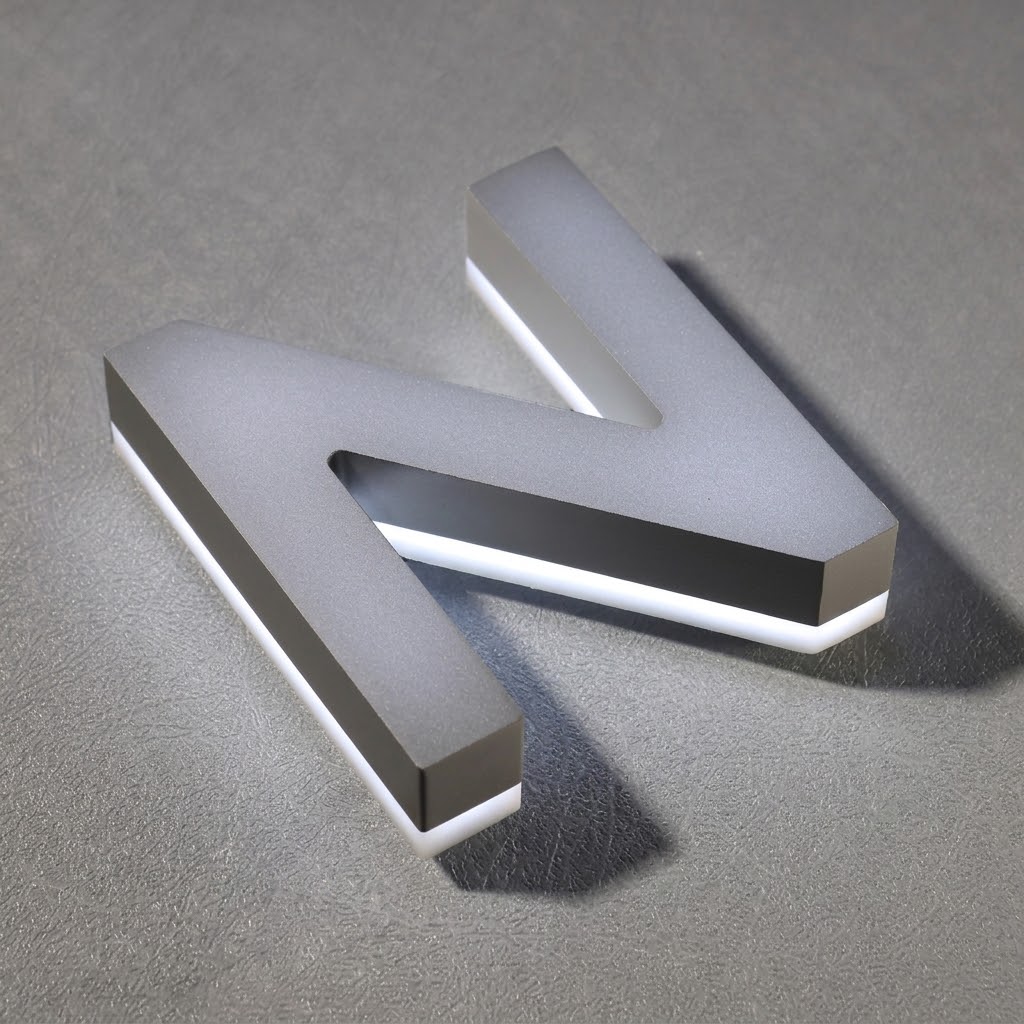
- 3D Metal Letters: Dimensional lettering made from aluminum or stainless steel for storefronts and commercial interiors.
- Custom Channel Letters: Three-dimensional letters with optional internal illumination for improved visibility.
- Dimensional Letters: Raised lettering installed using studs, adhesives, or customized mounting systems.
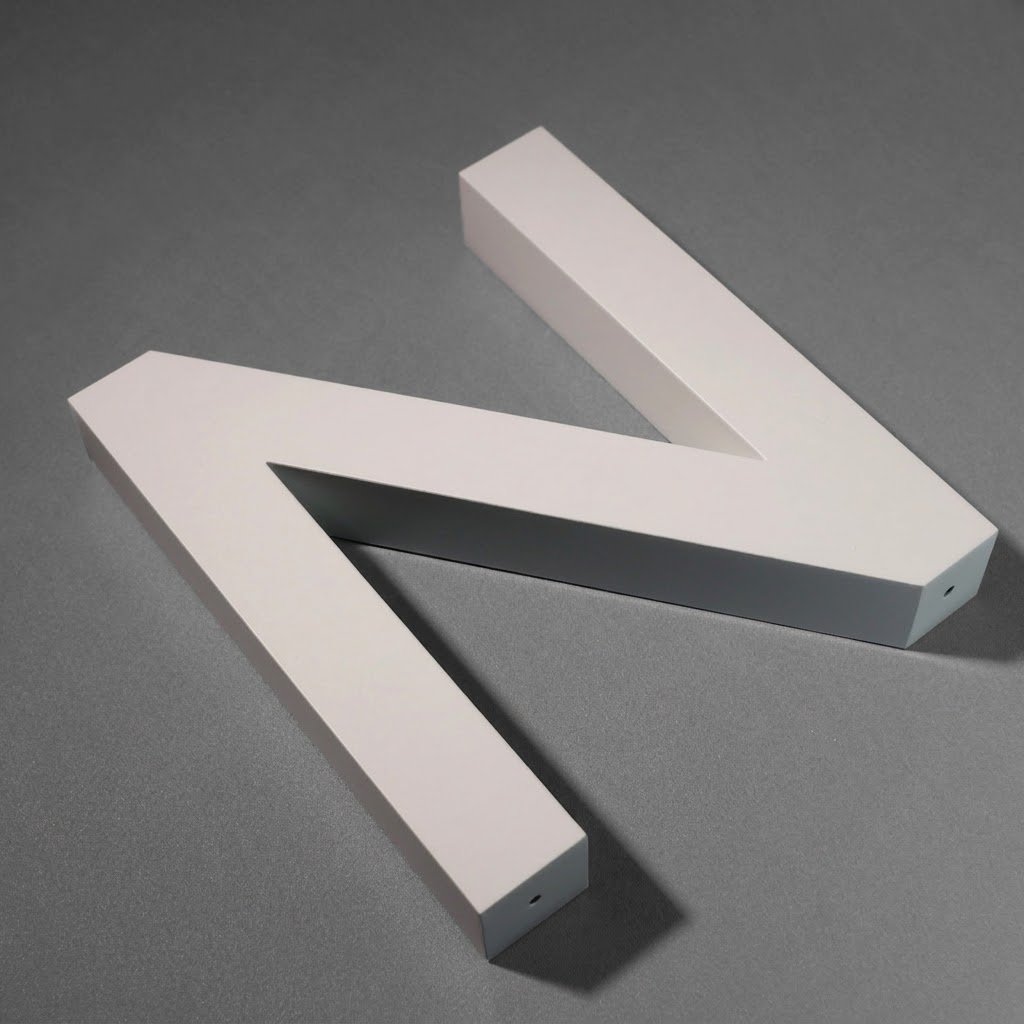
- Non-Illuminated Letters: Metal or acrylic letters that rely on ambient or external lighting.
The main advantages include improved brand recognition, flexible design options, material durability, and compatibility with different commercial building surfaces.
How Are Custom Retail Shop Signs Manufactured?
Custom retail shop signs are manufactured through design development, material selection, fabrication, surface finishing, assembly, and quality inspection.
The typical manufacturing process includes five stages:
- Design and Drawing: The manufacturer converts a customer logo, artwork, or technical drawing into production specifications.
- Material Preparation: Aluminum, stainless steel, or acrylic sheets are selected according to the required appearance and installation environment.
- Letter Fabrication: Cutting, forming, welding, sealing, and assembly processes create the required three-dimensional structure.
- Surface Finishing: Brushing, polishing, painting, and powder coating provide the specified appearance and surface protection.
- Final Inspection: Dimensions, appearance, assembly quality, lighting components (when applicable), and mounting arrangements are checked.
COSUN SIGN provides in-house design support, fabrication, and quality inspection. This allows custom lettering to be developed from customer logos, drawings, or artwork.
What Materials and Technical Specifications Should Buyers Consider?
The appropriate material for retail shop signage depends on the required appearance, installation location, structural requirements, and maintenance expectations.
| Technical Factor | Available Options | Typical Considerations |
|---|---|---|
| Material | Aluminum, stainless steel, acrylic | Weight, appearance, application |
| Surface Finish | Brushed, polished, painted, powder coated | Brand colors and surface protection |
| Lighting | Illuminated, non-illuminated | Daytime and nighttime visibility |
| Mounting | Stud, adhesive, customized mounting | Wall material and installation conditions |
| Design | Custom sizes, shapes, colors | Logo and architectural requirements |
| Application | Indoor and outdoor | Environmental exposure |
For outdoor applications, buyers should consider moisture exposure, temperature variation, UV exposure, corrosion resistance, and mounting stability.
For coating performance, ASTM D3359 provides standardized cross-cut tape testing methods for evaluating paint and coating adhesion. However, buyers should confirm whether this test is included in the manufacturer’s quality inspection requirements.
Where Is 3D Metal Letter Signage Commonly Used?
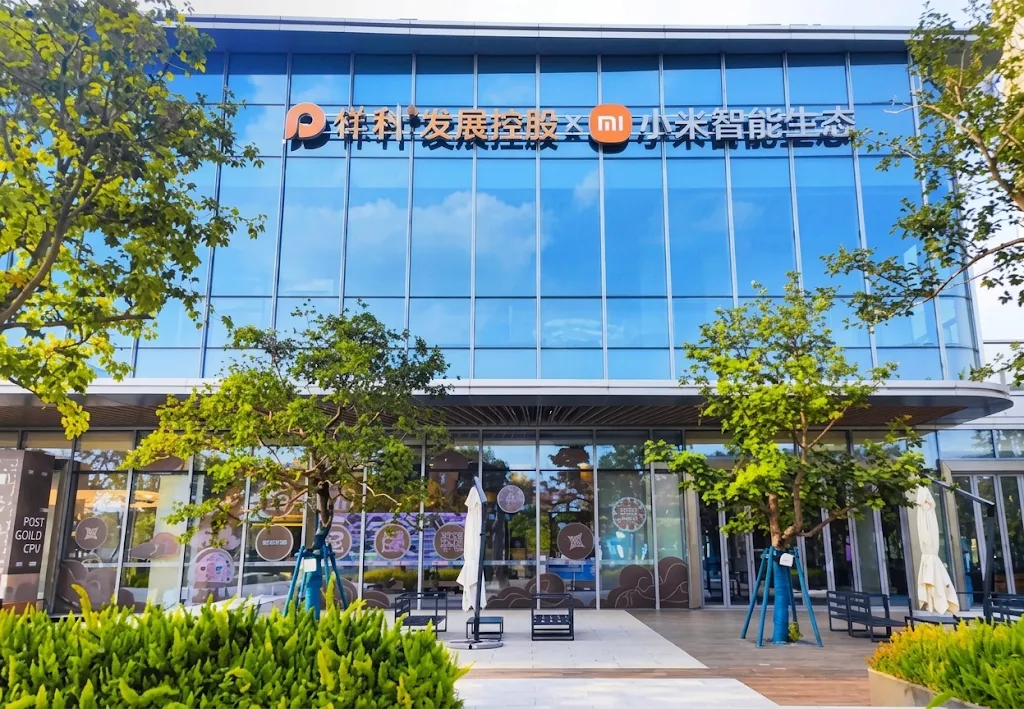
3D metal letter signage is commonly used in retail storefronts, shopping malls, office buildings, hotels, and other commercial environments.
Typical applications include:
- Retail Storefronts: Brand names and dimensional logos installed on exterior facades.
- Shopping Malls: Store entrance identification and interior brand signage.
- Hotels and Hospitality: Reception lettering, building identification, and corporate branding.
- Office Buildings: Company names, lobby signs, and exterior building identification.
- Commercial Properties: Architectural lettering and tenant identification.
For retail store exterior signage, material selection and mounting design should account for building surfaces, weather exposure, viewing distance, and local installation regulations.
How Do 3D Metal Letters Compare with Traditional Flat Signs?
Compared with traditional solutions, 3D metal letters create physical depth and dimensional visual effects rather than relying entirely on printed or flat graphics.
| Comparison Factor | Traditional Flat Signs | 3D Metal Letters |
|---|---|---|
| Appearance | Flat graphic surface | Raised dimensional structure |
| Material | Printed panels, vinyl, boards | Aluminum, stainless steel |
| Visual Depth | Limited | Three-dimensional |
| Customization | Graphic-based | Shapes, sizes, finishes |
| Lighting | Usually external or separate | Can be combined with lighting designs |
| Installation | Panel mounting or adhesive | Stud, adhesive, customized mounting |
Flat signs can be suitable for temporary promotions and budget-sensitive applications. Dimensional letters are generally more appropriate when physical depth, material appearance, and permanent brand identification are important design considerations.
What Factors Affect Retail Shop Signage Costs?
Retail shop signage costs depend on material selection, letter dimensions, fabrication complexity, finishing requirements, lighting configurations, and installation methods.
The main cost factors include:
- Material: Stainless steel, aluminum, and acrylic have different material and processing costs.
- Letter Size: Larger letters generally require more material and fabrication work.
- Construction: Double-layer structures and complex letter shapes involve additional manufacturing steps.
- Surface Finish: Polishing, brushing, painting, and powder coating require different processes.
- Lighting: Illuminated channel letters involve additional electrical components and assembly.
- Mounting: Customized mounting structures may increase fabrication and installation requirements.
Buyers should provide drawings, dimensions, material preferences, finish specifications, and installation details when requesting quotations.
How to Select a Reliable Retail Signage Manufacturer?
A reliable retail signage manufacturer should demonstrate material expertise, customization capabilities, documented quality control, and experience with the intended application.
Before selecting a supplier, evaluate the following:
- Manufacturing Capabilities: Confirm whether the supplier handles design support, fabrication, finishing, and inspection.
- Material Options: Check the availability of aluminum, stainless steel, and acrylic.
- Customization: Confirm production based on logos, drawings, and brand artwork.
- Quality Documentation: Request relevant product certifications and inspection records.
- Installation Compatibility: Verify mounting methods and suitability for the intended wall or facade.
- Project Communication: Confirm drawing approval, sample requirements, packaging, and delivery arrangements.
COSUN SIGN is a custom signage manufacturer specializing in dimensional letters, metal signage, and illuminated channel letters. Its product options include customized materials, finishes, colors, sizes, and mounting configurations.
The company provides UL and CE certificates, together with a Safety and Production License. Buyers should verify the applicable certification scope and documentation for their specific project.
For accessible retail signs, the 2010 ADA Standards for Accessible Design, particularly Section 703, provide requirements for relevant tactile characters, Braille, and signage placement. These requirements apply to designated accessible signs rather than every decorative storefront sign.
FAQ
What is 3D Channel Letter Signage?
3D channel letter signage is a form of dimensional lettering manufactured with three-dimensional structures. It can incorporate internal illumination or remain non-illuminated, depending on the project requirements.
How to choose a reliable 3D Channel Letters manufacturer?
Choose a manufacturer with documented fabrication capabilities, material options, finishing processes, quality inspection procedures, and experience producing customized letters from technical drawings or brand artwork.
Why choose 3D printed Channel Letters over traditional options?
The term 3D printed channel letters should be distinguished from conventionally fabricated metal channel letters. Conventional metal letters are typically produced through cutting, forming, welding, and assembly, while 3D printed letters use additive manufacturing processes. The appropriate choice depends on geometry, material requirements, production volume, surface finish, and project specifications.
Source & Expertise
This article is based on COSUN SIGN’s supplied product specifications for custom 3D Channel Letters, 3D Metal Letters, and Dimensional Letters, including material options, surface finishes, lighting configurations, mounting methods, and manufacturing capabilities.
Industry references include the 2010 ADA Standards for Accessible Design, Section 703, and ASTM D3359 for coating adhesion evaluation. Applicable requirements should be confirmed against the project specifications and local regulations.
Last Updated: October 2026

 粤公网安备44030702001648号