

















When patients arrive at a hospital or large medical facility, they are often already feeling stressed or anxious. In these moments, clear and well-designed wayfinding signage can play a crucial role in reducing confusion and helping them feel more at ease. This guide explores key principles of hospital wayfinding signage design that not only direct patients efficiently, but also reinforce your facility’s professionalism, accessibility, and overall brand identity.
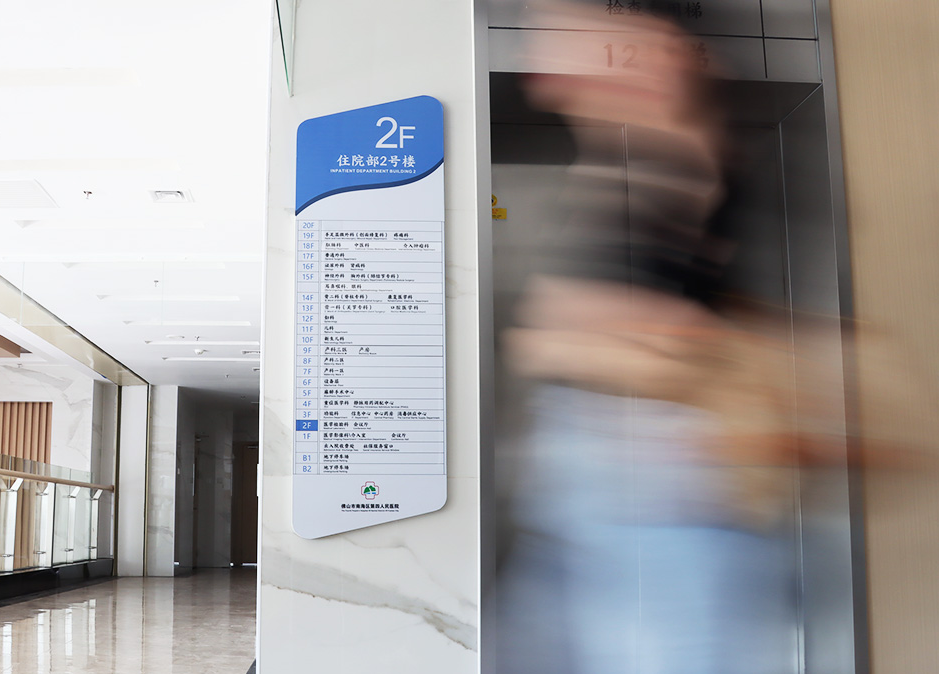
Start With a Strategic Signage Plan
Effective hospital wayfinding doesn’t happen by chance — it begins with a well-structured, strategic signage plan. Start with a comprehensive assessment of your facility’s layout, traffic patterns, and the needs of patients and visitors. As you develop your plan, consider the following:
-
Identify key decision points – Entrances, elevators, nurse stations, major intersections, and transition zones are essential locations for placing clear, visible signage.
-
Map patient and visitor journeys – Think through the various routes people might take. Whether they are moving from the main lobby to outpatient services, surgical departments, or the emergency room, signage should support a smooth and intuitive experience for every visitor.
-
Plan for future growth – Hospitals evolve, so design your signage system with adaptability in mind. Ensure it can be updated or expanded easily without requiring a complete overhaul.
Prioritize Clarity and Readability
In hospital signage design, simplicity is essential. Visitors should never have to pause or struggle to interpret complicated wording or unclear visuals. Keep the following best practices in mind when developing your signage system:
-
Use large, high-contrast lettering to ensure text is easily readable from a distance.
-
Incorporate universally recognized icons for key areas such as restrooms, elevators, and emergency exits.
-
Avoid medical jargon and use clear, plain language to make directions understandable for all visitors.
Maintain Consistency and Branding
Consistency is essential for building trust and helping visitors stay oriented as they navigate your facility. When developing your signage system, keep the following guidelines in mind:
-
Use a unified design system—maintain the same color palette, typography, and visual style across all signs.
-
Consider color-coded zones to clearly distinguish departments, wings, or service areas.
-
Standardize directional arrows so their size, shape, and placement remain consistent throughout the facility.
-
Integrate your brand identity by incorporating your logo, colors, and design elements—while ensuring these additions never compromise clarity or readability.
Ensure ADA Compliance
Hospitals serve a wide range of patients and visitors, including individuals with disabilities. Those with visual impairments have specific requirements that must be addressed through thoughtful signage design. To ensure accessibility for everyone, all hospital wayfinding signage should comply with ADA standards:
-
Include braille and tactile lettering to support visitors with visual impairments.
-
Use anti-glare finishes to maintain legibility under various lighting conditions commonly found in medical facilities.
Plan for Digital Integration
Modern hospital wayfinding often incorporates digital elements to provide real-time updates, event information, and emergency notifications. When integrating digital components into your signage system, consider the following:
-
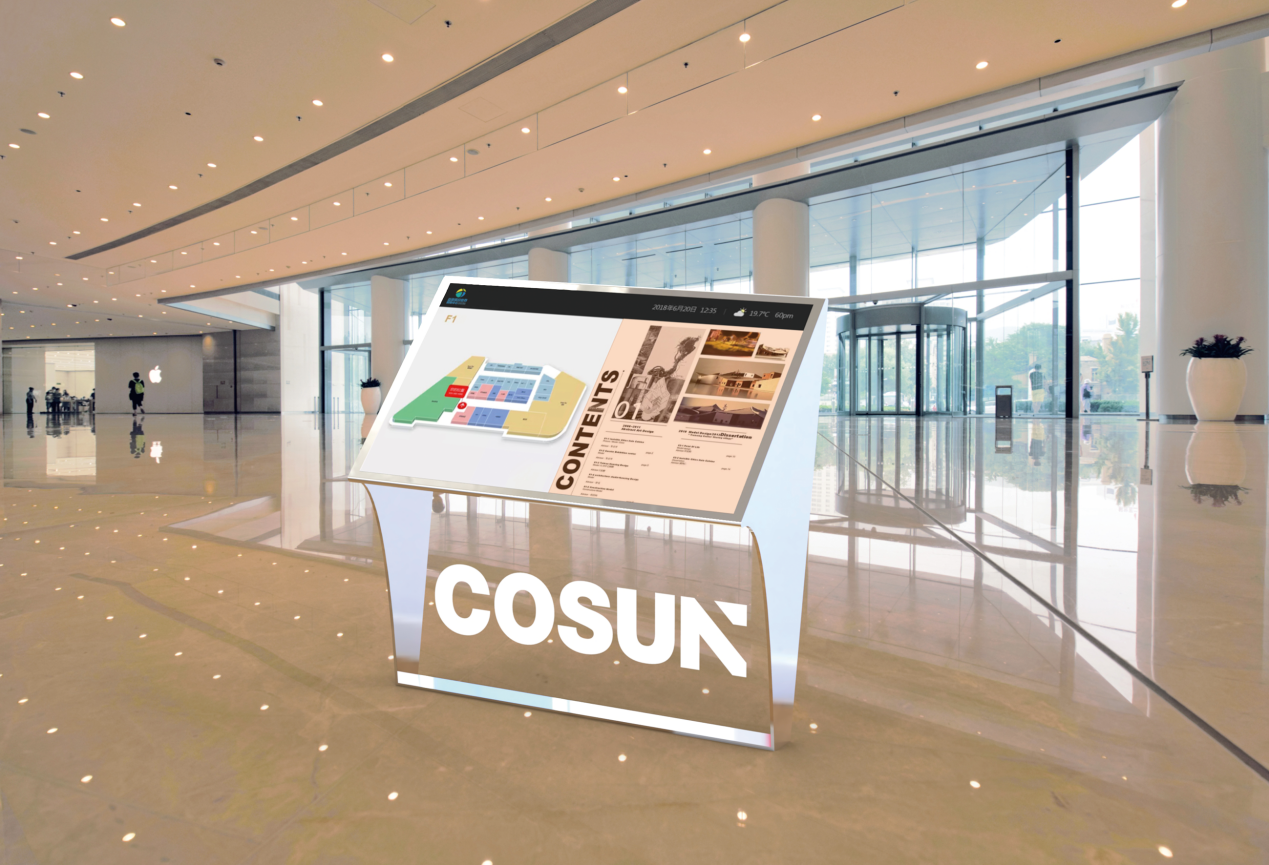
Use digital screens, kiosks, or interactive maps in high-traffic areas to reduce reliance on printed postings and improve navigation efficiency.
-
Add QR codes to existing signs to give visitors quick access to supplemental information, directions, or department details.
-
Ensure all digital and static signage remains clear, concise, and fully ADA compliant to support accessibility for every user.
Hospitals are high-pressure environments, and smooth navigation plays a major role in reducing stress. When visitors can find their way easily, patient satisfaction rises, operations run more efficiently, and staff interruptions decrease. If you’re ready to upgrade your hospital signage, contact COSUN SIGN today—we’ll help you create customized, effective signage solutions tailored to your facility’s needs.
FAQ:
FAQ 1: What types of signs are essential in a hospital wayfinding system?
Hospitals typically need directional signs, room identification signs, department markers, ADA-compliant signs with braille, and digital or interactive displays for real-time updates.
FAQ 2: How often should hospital signage be updated?
Hospitals should review and update signage whenever departments relocate, layouts change, or branding is refreshed—typically every 3–5 years.
FAQ 3: What materials work best for hospital signage?
Durable, easy-to-clean materials such as acrylic, aluminum, stainless steel, and anti-glare laminated surfaces are ideal for medical environments.
FAQ 4: How does effective wayfinding help hospital staff?
Clear signage reduces the number of directional questions staff must answer, allowing them to focus on patient care rather than navigation assistance.
FAQ 5: Can digital and traditional signage be used together?
Yes. Combining static signs with digital screens, kiosks, and QR codes creates a flexible and efficient system that supports both quick directions and detailed information.



 粤公网安备44030702001648号