

















Effective wayfinding is often underestimated, yet it directly influences a hospital’s operational efficiency and overall financial performance.
For nearly all visitors, a hospital visit is already a stressful experience. When patients struggle to locate the right clinic or department, that stress intensifies—impacting their well-being, adding pressure to frontline staff, and ultimately affecting the hospital’s bottom line.
Clear, intuitive wayfinding creates a seamless experience that helps patients and families feel supported from the moment they arrive. For healthcare workers, who are already managing heavy workloads, it reduces complaints and minimizes time spent giving directions within complex hospital corridors.
Strong wayfinding also strengthens a hospital’s brand in an increasingly competitive healthcare environment. Over time, it contributes to better reviews, positive word-of-mouth, and measurable ROI. By investing in modern wayfinding strategies for 2026 and beyond, healthcare providers can enhance patient experience and turn navigation into an essential element of calm, compassionate care.

Developing an Effective Wayfinding Strategy
Achieving clarity requires a comprehensive wayfinding strategy built around five key decision points that guide a visitor’s journey from start to finish.
1. Pre-visit Communications
Because first impressions matter, an effective wayfinding experience begins well before anyone steps inside the facility. Optimizing pre-visit touchpoints—such as website content, appointment emails, reminder texts, and call-center scripts—ensures that essential details like location, directions, parking, and entrances are easy to access and impossible to miss. At minimum, patients and visitors should clearly understand where they are going and what to expect before they arrive.
2. Facility Exteriors and Reception
When patients or visitors arrive on hospital grounds, they begin navigating a series of choices—from identifying the correct site entrance to locating parking and finding the nearest access point to their appointment. On large or multi-building campuses, clear exterior wayfinding is essential for guiding people along the most efficient route. Key considerations at this stage include:
-
Pedestrian walkway signage
-
Entrance and patient drop-off points
-
Site identification signage
-
Exterior directional signage
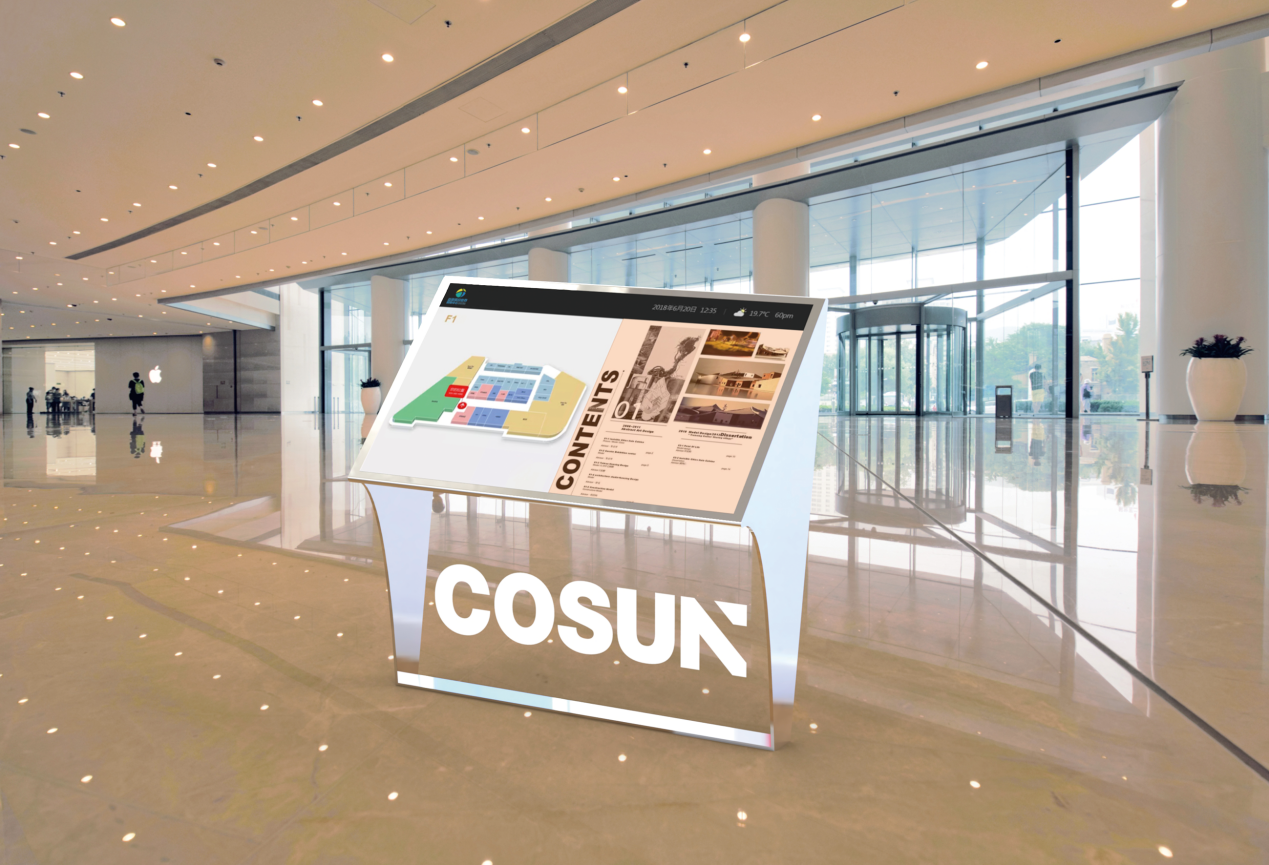
Once inside, the reception area becomes the next critical touchpoint. Effective wayfinding here helps set the tone for the entire visit. A thorough assessment should evaluate everything from welcome signage and entrance markers to service counters, digital directories, and interactive maps—ensuring visitors feel oriented and supported from the moment they step in.
3. Interior Wayfinding
Hospital interiors are often vast and complex. Beyond reception, patients may need to navigate long corridors, multiple floors, tunnels, annexes, and specialized clinics. When internal wayfinding is unclear, visitors can become disoriented quickly—an issue that can be especially critical in a healthcare environment.
A thorough assessment of interior wayfinding typically includes examining:
-
The overall brand experience within the facility
-
Key patient journey routes
-
Primary and secondary directional signage guiding movement through different departments
-
Landmarks, architectural elements, and branded features that serve as intuitive navigational cues
-
Directories, maps, and digital guides located at important transition points such as elevators, stairwells, and major intersections
4. Destination
When visitors reach their destination, they should immediately feel a clear sense of arrival. In busy hospital environments—where identical hallways and doorways can blur together—what appears obvious to staff may feel confusing to an anxious patient. Evaluating this stage involves asking:
-
Are clinic entrances clearly and consistently marked?
-
Are shared waiting areas distinctly defined and easy to recognize?
-
Do staff frequently receive questions from patients unsure whether they’re in the right place?
5. Exit
As a patient’s visit concludes, clear guidance becomes just as important. The journey out—whether heading home or continuing to another appointment—often shapes the final impression of the entire experience.
Visitors leaving the facility need straightforward signage directing them to exits, elevators, and parking areas. Those transitioning between departments—such as moving from imaging to a fracture clinic—require clearly marked pathways and transition signage to support smooth, stress-free movement.
A thoughtful exit strategy ensures the visit ends with clarity, not confusion, completing the wayfinding experience on a positive note.
One Size Doesn’t Fit All
After completing a full assessment, the next step is to develop and implement a tailored wayfinding strategy. Because every hospital differs in layout, services, and patient flow, a customized approach is essential. Still, navigating healthcare environments often triggers similar emotions, so an effective plan should account for several site-specific factors:
• Scale and facility type – Size and complexity shape the entire strategy. While the core principles are universal, the needs of a standalone clinic differ dramatically from those of a multi-building medical campus.
• Bottlenecks – In high-pressure healthcare settings, inefficiencies quickly translate into lost time and increased costs. Strong wayfinding helps eliminate congestion in busy areas, keeping patients moving smoothly through the facility.
• Implementation approach – Should deployment be phased or completed all at once? For larger projects, a phased rollout often ensures a smooth transition from legacy signs to the new system—for example, upgrading primary routes first, followed by secondary pathways and destination signage.
• Branding – Consistent branding plays a key role in reinforcing clarity. When hospitals within the same network share visual standards, patients gain familiarity that supports navigation across all facilities. Repeated brand cues also provide subtle navigational reassurance, confirming that visitors are on the right path.
Together, these elements ensure that every wayfinding solution is uniquely designed for the facility while still delivering a universally intuitive experience.



 粤公网安备44030702001648号