

















Digital outdoor kiosks have become essential tools for boosting user engagement and enhancing customer experiences. Their applications span a wide range of sectors, including public spaces, transportation hubs, retail environments, and tourism. These versatile, weather-resistant information hubs are transforming how people access information, services, and entertainment while on the move.
In this article, we explore the diverse use cases of outdoor digital kiosks, highlighting their role in reshaping the way we live, work, and interact with the world around us.

Digital Outdoor Kiosks: Use Cases and Opportunities
Wayfinding and Navigation
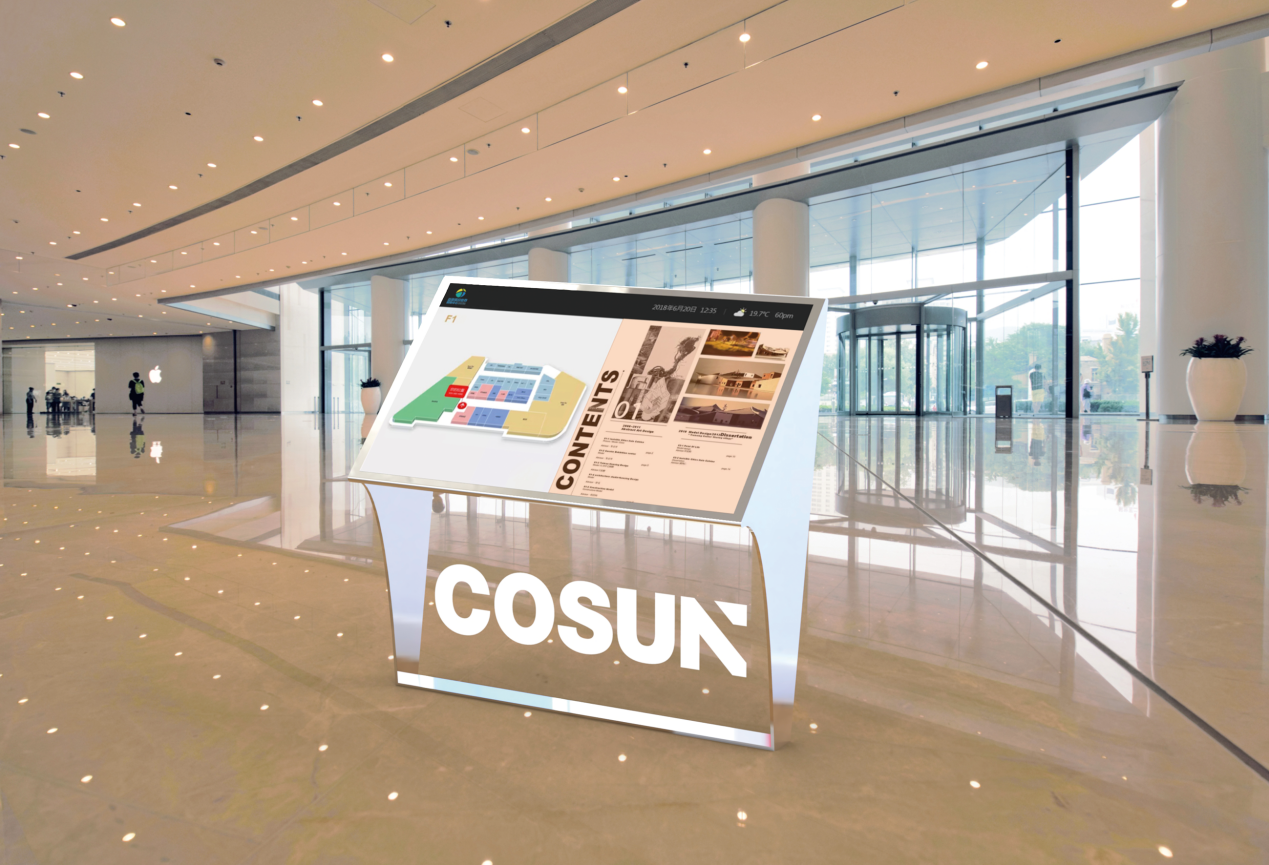
Digital outdoor kiosks have become essential tools for navigating complex urban environments. They provide real-time digital wayfinding, including interactive maps, directions, and points of interest, helping pedestrians and tourists find their way efficiently. Many kiosks feature touchscreen interfaces that allow users to input destinations, check transit schedules, and explore nearby attractions, enhancing the overall visitor experience.
Parks and Recreational Areas
In parks and recreational spaces, digital outdoor kiosks offer visitors essential information such as amenities, event schedules, and trail maps. By keeping visitors informed, these kiosks enhance the overall outdoor experience. Additionally, for parks with admission fees, kiosks can integrate ticketing functionality, enabling visitors to purchase and receive tickets either in print or digitally on their mobile devices.
Retail and Advertising
Interactive outdoor kiosks have transformed the retail sector by providing customers with 24/7 access to products and services. Retailers can showcase their offerings, accept orders, and process payments through these kiosks, delivering convenience even when traditional stores are closed. Beyond commerce, these kiosks serve as dynamic advertising platforms, displaying engaging, eye-catching content that captures the attention of passersby.
Transportation Hubs
Digital kiosks have become vital tools in transportation hubs, including bus stops, train stations, and airports. They provide travelers with essential information, such as schedules, real-time arrivals and departures, and route planning assistance. Additionally, these kiosks support tourism by offering details on local attractions, accommodations, and points of interest, enhancing the overall travel experience.
Tourism and Hospitality
In areas with high tourist activity, digital outdoor kiosks act as virtual concierges, providing visitors with information about landmarks, historical sites, and local dining options. These “smart city” kiosks offer convenient access to maps, historical context, and personalized recommendations, helping tourists explore and enjoy their destinations with ease.
Emergency Alerts and Public Safety
Digital outdoor kiosks also serve a critical role in public safety and emergency communication. During natural disasters, accidents, or other urgent situations, these kiosks can quickly deliver essential alerts and information, keeping the public informed and helping ensure safety.
Environmental Education and Awareness
Outdoor digital kiosks are increasingly used by environmental organizations and government agencies to promote awareness of local ecosystems, wildlife conservation, and sustainability initiatives. Interactive features such as educational videos, quizzes, and informative displays engage the public and encourage active participation in environmental issues.
Event Promotion
Cities and event organizers use touchscreen outdoor kiosks to showcase upcoming events, festivals, and cultural activities. These kiosks provide schedules, ticketing information, and location details, helping to drive attendance and foster greater community engagement.
Community Engagement and Feedback Collection
Outdoor kiosks provide an effective platform for community engagement and feedback gathering. Local governments and organizations can use them to collect input from residents on topics such as city planning, public services, and community initiatives, fostering transparency and civic participation.
Art and Cultural Installations
Digital outdoor kiosks are also being leveraged to showcase art and cultural exhibits. They can display digital artwork, historical archives, and cultural information, enriching public spaces and offering interactive, educational experiences for the community.
Interactive outdoor kiosks have become versatile tools that integrate technology seamlessly into outdoor environments. Their applications span a wide range of business and public sectors, transforming how people access information, services, and entertainment in public spaces. As technology continues to advance, outdoor digital kiosks are expected to play an increasingly prominent role in daily life, enhancing convenience, fostering community engagement, and enriching the overall experience of the world around us.
FAQs about Digital Outdoor Kiosks
1. What are digital outdoor kiosks used for?
They provide information, services, and entertainment in public spaces, including wayfinding, ticketing, advertising, tourism, community engagement, and event promotion.
2. Are outdoor kiosks weather-resistant?
Yes. They are designed to operate reliably in various weather conditions, including rain, wind, and sunlight.
3. Can the content be customized?
Absolutely. Kiosks can display maps, advertisements, event information, educational content, or interactive applications based on user needs.
4. Do kiosks support payments or ticketing?
Yes. Many kiosks allow e-payments, ticket purchases, and retail transactions directly on-site.
5. How do kiosks enhance public safety?
They can broadcast emergency alerts, disaster notifications, and safety messages in real time to keep the public informed.
6. Are the kiosks interactive?
Most feature touchscreens, app integration, or voice-activated controls, enabling intuitive navigation and user interaction.



 粤公网安备44030702001648号