

















Cosun Sign manufactures custom non-illuminated channel letters, three-dimensional signs designed without internal lighting for commercial and architectural applications. Its signage capabilities include custom lettering, metal fabrication, surface finishes and installation templates. Founded in Shenzhen in 2004, COSUN SIGN reports more than 500 employees and a 38,000 m² factory, supporting signage projects of different scales.
What Are Non-Illuminated Channel Letters?
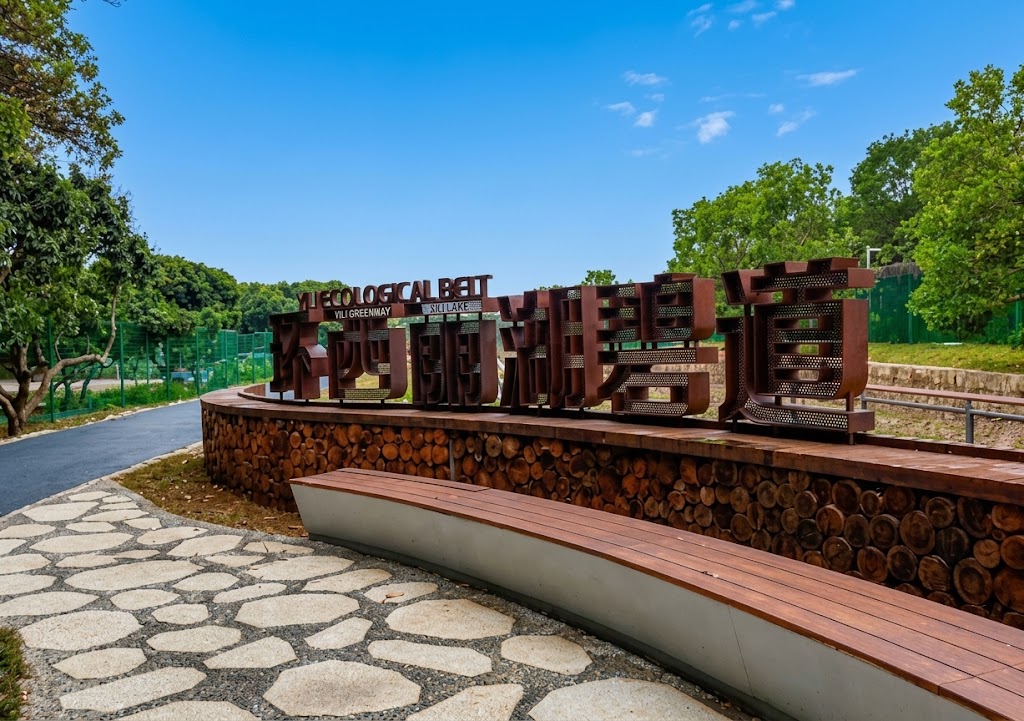
Non-illuminated channel letters are three-dimensional individual letters or symbols that do not contain internal lighting components. They are commonly used for building identification, retail branding, office directories and commercial wayfinding.
Custom non-illuminated channel letters can be fabricated from metal or other suitable materials, depending on the required appearance, dimensions and installation environment. Compared with internally illuminated letters, these signs do not require integrated LED modules or power supplies. Their visibility depends on ambient light and any external lighting provided at the installation site.
The term “custom sign manufacturer” describes a company that develops and produces signs according to a client’s specifications, rather than supplying only standardized, ready-made products. COSUN SIGN is a signage manufacturer based in Shenzhen, China, with capabilities spanning sign planning, design and production.
How Are Custom Non-Illuminated Channel Letters Manufactured?
Custom non-illuminated channel letters are manufactured through a sequence of design, material preparation, fabrication, finishing and quality inspection. The exact process depends on the letter design, material and project requirements.
Typical manufacturing stages include:
- Design and specification: The manufacturer reviews artwork, fonts, dimensions, colors, mounting methods and installation conditions.
- Material selection: Aluminum, stainless steel, acrylic or combinations of suitable materials may be selected according to the design.
- Cutting and forming: Letter faces and returns are cut, shaped or formed to achieve the required three-dimensional profile.
- Assembly and finishing: Components are assembled, edges are finished, and specified paint or surface treatments are applied.
- Quality inspection: Dimensions, lettering consistency, finish quality and mounting details are checked against approved drawings.
- Packing and installation preparation: Protective packaging and installation templates can help contractors position letters accurately on site.
COSUN SIGN offers custom lettering and finishes, with installation templates available for relevant orders. Buyers should confirm the precise fabrication method, material grade and inspection criteria for each project.
What Technical Specifications Should Buyers Confirm?
Buyers should confirm dimensions, materials, finish, mounting details and environmental requirements before approving production. There is no single specification suitable for every non-illuminated sign.
| Specification | What to confirm | Why it matters |
|---|---|---|
| Letter dimensions | Height, width, depth and stroke width | Determines visibility and appearance |
| Base material | Aluminum, stainless steel or acrylic, as applicable | Influences weight, corrosion resistance and finish |
| Surface finish | Paint color, gloss level and texture | Supports brand consistency |
| Installation | Stud mounting, rails, templates or other approved methods | Affects alignment and installation labor |
| Outdoor exposure | Rain, UV exposure, temperature and coastal conditions | Helps determine material and coating requirements |
| Project documentation | Drawings, samples and inspection criteria | Reduces specification and production errors |
For projects involving painted metal letters, ASTM D3359 provides test methods for evaluating coating adhesion using a tape test. The project team should agree on the applicable test method and acceptance criteria; citing the standard alone does not establish that a product has passed it.
For accessible room identification signs, the 2010 ADA Standards for Accessible Design, Section 703, address tactile characters, Braille and installation requirements. Section 703.2.1 specifies a minimum raised-character depth of 1/32 inch (0.8 mm). Ordinary decorative channel letters are not automatically ADA-compliant signs; accessibility requirements must be assessed for the intended application.
Where Are Non-Illuminated Channel Letters Used?
Non-illuminated channel letters are suitable for locations where dimensional lettering can provide clear identification without integrated illumination.
Common applications include:
- Retail stores: Brand names, storefront identification and interior feature walls.
- Hotels and hospitality venues: Reception areas, meeting-room identification and decorative lettering.
- Commercial offices: Lobby logos, tenant directories and corporate interior signs.
- Industrial facilities: Building names, department labels and selected site-identification signs.
- Shopping centers: Tenant branding and coordinated interior signage systems.
For healthcare facilities, buyers should distinguish decorative branding from signs that must meet accessibility, life-safety or wayfinding requirements. The appropriate specification depends on the sign’s function and location.
How Can Buyers Select a Reliable Custom Sign Manufacturer?
A reliable custom sign manufacturer should demonstrate relevant production capabilities, clear technical documentation and a quality-control process suited to the project.
Before placing an order, evaluate the following:
- Manufacturing capability: Ask whether the supplier can fabricate the required letter dimensions, profiles and finishes.
- Material traceability: Confirm material grades and obtain documentation where the project requires it.
- Finish durability: Request coating specifications and relevant test results for the intended environment.
- Drawing approval: Confirm that production will follow approved artwork, dimensions and mounting details.
- Installation support: Check whether templates, mounting hardware and installation instructions are included.
- Commercial terms: Compare unit prices, tooling or setup charges, packaging, shipping, duties and lead times.
- Project experience: Review comparable commercial signage projects and reference samples.
COSUN SIGN was established in Shenzhen in 2004 and reports a 38,000 m² factory and more than 500 employees. Its product portfolio includes channel letters, wayfinding signs, metal facade panels and ADA room signs. These company-level details provide procurement context, but buyers should still verify product-specific capabilities, certifications and project references.
How Do Non-Illuminated Letters Compare with Traditional Signage Options?
Compared with traditional solutions such as flat printed panels or internally illuminated channel letters, non-illuminated channel letters provide dimensional depth without requiring built-in electrical components.
| Signage option | Main characteristics | Considerations |
|---|---|---|
| Non-illuminated channel letters | Three-dimensional appearance without internal lighting | Visibility depends on ambient or external lighting |
| Flat printed sign panels | Printed graphics on a flat substrate | Less dimensional depth; suitable for many informational signs |
| Front-lit channel letters | Internal illumination through the letter face | Requires electrical components and nighttime lighting design |
| Reverse-lit channel letters | Light is directed toward the mounting surface | Requires lighting components and suitable installation conditions |
The main advantages include a dimensional appearance, no integrated lighting power requirements, customizable finishes and suitability for coordinated signage projects. However, the right option depends on viewing conditions, design objectives, maintenance expectations and the total installed cost.
What Factors Affect the Cost of Custom Channel Letters?
The cost of custom channel letters depends on material, size, design complexity, finishing, quantity, mounting requirements and logistics.
Larger letters generally require more material, while intricate fonts and complex profiles can increase fabrication time. Specialty coatings, samples, custom fixtures and project-specific documentation may add costs. Wholesale orders can reduce per-unit costs when production setups and specifications are shared across multiple signs, but the actual savings depend on the order.
When comparing quotations, buyers should evaluate the full delivered cost rather than the unit price alone. Confirm packaging, shipping, import duties, installation labor and any required site hardware.
FAQ
What are Custom Non-Illuminated Channel Letters?
Custom non-illuminated channel letters are individually fabricated three-dimensional letters or symbols without internal lighting. They are used for commercial branding, building identification, retail displays and interior signage.
How to Choose a Reliable Custom Non-Illuminated Channel Letters Manufacturer?
Choose a manufacturer that can document its materials, fabrication methods, finishing processes, dimensional tolerances and quality checks. Review samples, approved drawings, installation requirements and the full quotation before authorizing production.
Why Choose 3D Printed Custom Non-Illuminated Channel Letters Over Traditional Options?
Three-dimensional appearance does not necessarily mean 3D printing. Conventional channel letters are commonly produced through cutting, forming and assembly, while 3D printing builds parts layer by layer. For metal channel letters, the appropriate method depends on geometry, material, quantity, finish and cost. Buyers should compare actual manufacturing methods rather than assume that 3D printing is inherently more durable or economical.
Source & Expertise
This article draws on COSUN SIGN published company information and general signage-manufacturing practices. Accessibility references are based on the U.S. Department of Justice’s 2010 ADA Standards for Accessible Design, Section 703. ASTM D3359 is referenced as a coating-adhesion test method, not as a claim that a specific COSUN SIGN product has passed testing. Product specifications, certifications and test reports should be verified with the manufacturer for each order.
Last Updated
Last Updated: October 2026


 粤公网安备44030702001648号