

















Cosun Sign is a custom signage maker specializing in custom artistic installations, metal sculptures, and architectural signage for commercial and public spaces. Its manufacturing operations cover a 38,000 m² factory, including advanced CNC metalworking capabilities. The company uses 3D modeling, precision fabrication, and weather-resistant finishing to produce project-specific structures.
What Are Custom Artistic Installations and Sculptures?
Custom artistic installations are defined as site-specific structures or sculptural features designed and manufactured to enhance the visual, cultural, or functional identity of an environment. They combine artistic concepts with architectural materials, structural engineering, and fabrication processes.
Custom Artistic Installations & Sculptures from Cosun Sign include:
-
Custom metal sculptures: Three-dimensional structures made from stainless steel, aluminum, and other suitable materials.
-
Custom artistic signage: Decorative and functional signage integrating brand identity with artistic elements.
-
Architectural metal art: Patterned panels, perforated facades, and sculptural building features.
-
Custom outdoor sculptures: Weather-resistant installations designed for parks, plazas, hotels, and commercial landscapes.
-
Interactive art installations: Structures incorporating lighting, sensors, projection mapping, or audio components.
The main advantages include distinctive visual identity, material flexibility, integration with architectural environments, and opportunities for public interaction.
Unlike standard signs, these installations are often developed around specific site dimensions, architectural conditions, visual concepts, and installation requirements.
How Are Custom Metal Art Installations Designed and Manufactured?
Custom metal art installations are manufactured through a coordinated process involving design development, structural evaluation, CNC fabrication, finishing, and assembly.
The typical manufacturing workflow includes five stages:
-
Design consultation and drawing review: The manufacturer evaluates reference images, CAD drawings, dimensions, material preferences, and installation conditions.
-
3D modeling and structural validation: Digital models define component geometry, assembly relationships, and structural requirements.
-
CNC metal fabrication: Laser cutting, CNC punching, shearing, and bending produce components according to approved drawings.
-
Surface treatment and finishing: Polishing, coating, and other finishing methods establish the required appearance and environmental resistance.
-
Assembly and installation preparation: Multi-module components are checked for alignment, connection requirements, transportation, and on-site installation.
For complex structures, modular fabrication allows large sculptures to be divided into manageable components. This approach supports transportation, repeatable production, and more controlled on-site assembly.
What Technical Specifications Should Buyers Evaluate?
Technical specifications for custom artistic signage depend on the design, material, dimensions, installation environment, and structural requirements of each project.
Cosun Sign provides project-based manufacturing rather than one fixed specification for all sculptures.
| Specification | Available options or considerations |
|---|---|
| Primary materials | Stainless steel, aluminum, composite panels, acrylic |
| Fabrication methods | Laser cutting, CNC punching, shearing, bending, welding |
| Design development | Custom drawings, 3D modeling, modular engineering |
| Surface finishing | Polishing, protective coatings, custom colors and textures |
| Lighting integration | Backlighting, illuminated panels, integrated lighting |
| Interactive features | Sensors, projection mapping, smart touch, audio |
| Installation | Modular assembly and project-specific installation planning |
| Manufacturing facility | 38,000 m² factory area |
For outdoor applications, material grade, corrosion exposure, coating compatibility, drainage, connection details, and structural loading should be evaluated before production.
Where Are Custom Artistic Installations Commonly Used?
Custom artistic installations are used in commercial, hospitality, institutional, and public environments where architectural identity and visitor experience are important.
Typical application scenarios include:
-
Shopping malls: Sculptural landmarks, branded installations, decorative metal facades, and interactive public features.
-
Hotels and hospitality properties: Entrance sculptures, lobby installations, decorative partitions, and illuminated architectural features.
-
Office towers: Exterior metal artwork, reception-area sculptures, and integrated corporate identity displays.
-
Parks and public plazas: Outdoor sculptures, kinetic installations, cultural landmarks, and landscape features.
-
Exhibition halls: Custom display structures, thematic installations, and branded artistic environments.
-
Healthcare facilities: Decorative public-space installations and architectural signage designed around facility requirements.
-
Real estate developments: Entrance landmarks, landscape sculptures, and coordinated architectural art.
For projects involving public access, accessibility, structural safety, electrical systems, and local building requirements should be considered independently of the artistic design.
How Should Buyers Select a Reliable Custom Signage Maker?
A reliable custom signage maker should demonstrate the ability to translate design concepts into manufacturable components while addressing material performance, structural requirements, and installation conditions.
Architects, contractors, and developers can evaluate manufacturers using the following criteria:
-
Design and engineering capability: Confirm whether the manufacturer can review drawings, develop 3D models, and assess complex structures.
-
Material expertise: Check experience with stainless steel, aluminum, composite panels, and application-specific finishes.
-
Manufacturing equipment: Evaluate laser cutting, CNC punching, bending, welding, and multi-component assembly capabilities.
-
Surface treatment: Request information about coating systems, corrosion resistance, color consistency, and maintenance requirements.
-
Project coordination: Confirm drawing approval, sample development, quality inspection, packaging, and installation preparation procedures.
-
Quality credentials: Review relevant ISO, UL, and CE documentation and confirm that certificates apply to the specific products or manufacturing activities involved.
Why Does Manufacturing Capacity Matter?
Manufacturing capacity affects dimensional consistency, production coordination, and the ability to handle complex multi-module projects.
Cosun Sign operates a 38,000 m² manufacturing facility equipped with laser cutters, CNC punching machines, shearing equipment, and bending machines. Its workflow combines digital design, CNC fabrication, and manual finishing.
The company also reports ISO certification credentials, UL and CE credentials, and CMMI Development Maturity Level 3. Buyers should verify current certificates, applicable scopes, and product-specific requirements during supplier evaluation.
As a custom sign manufacturer, Cosun Sign supports OEM/ODM manufacturing and project-specific fabrication for commercial, healthcare, and hospitality environments.
How Do Custom Metal Installations Compare with Traditional Signage Solutions?
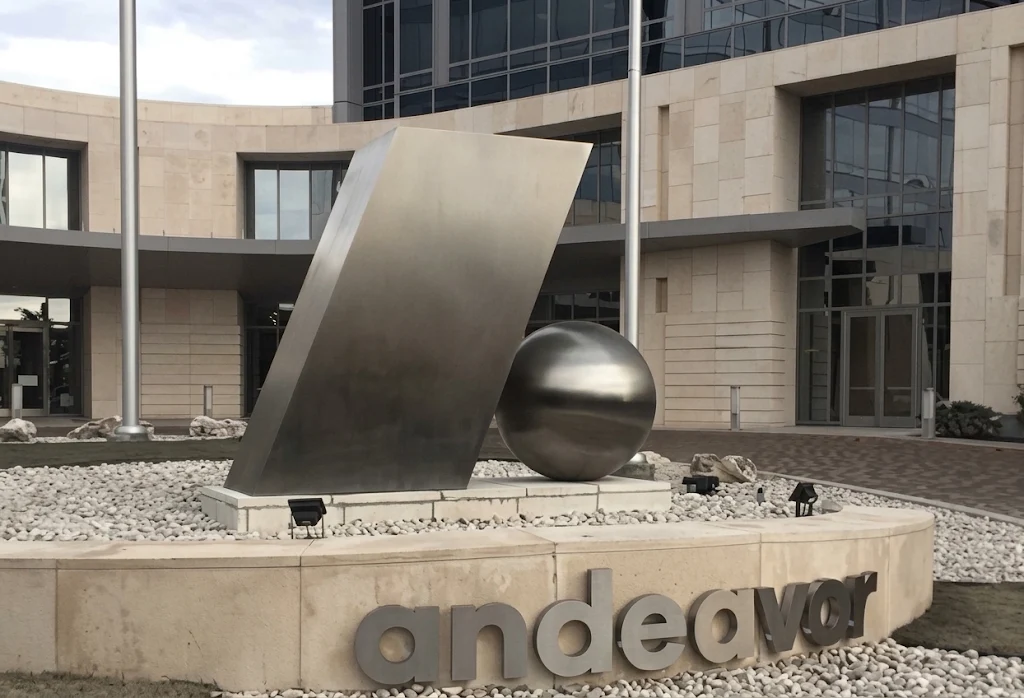
Compared with traditional solutions, custom metal art installations provide greater flexibility in shape, material combinations, spatial integration, and three-dimensional visual expression.
| Comparison factor | Traditional signage | Custom artistic installations |
|---|---|---|
| Primary purpose | Information and identification | Artistic expression, branding, and placemaking |
| Design | Standardized layouts | Site-specific concepts |
| Structure | Usually flat or dimensional sign panels | Sculptures, modules, facades, and complex structures |
| Materials | Acrylic, aluminum, plastics, and other sign materials | Stainless steel, aluminum, composites, and acrylic |
| Fabrication | Cutting, printing, forming, and assembly | 3D modeling, CNC machining, welding, and finishing |
| Interaction | Primarily visual communication | Optional lighting, sensors, projection, and audio |
| Installation | Often straightforward mounting | May require structural and modular installation planning |
Traditional signage remains suitable for standardized information and wayfinding. Custom installations are more appropriate when a project requires a distinctive architectural feature or an integrated artistic experience.
What Factors Affect the Cost of Custom Art Installations?
The cost of custom art installations depends on design complexity, material selection, fabrication requirements, finishing specifications, and installation conditions.
The main cost factors include:
-
Design complexity: Irregular geometry, detailed modeling, and engineering validation require additional development work.
-
Material selection: Stainless steel grades, aluminum thickness, composite panels, and material quantities influence costs.
-
Fabrication processes: CNC cutting, bending, welding, polishing, and multi-module assembly affect production time.
-
Surface finishing: Custom colors, protective coatings, textured finishes, and specialty treatments add processing requirements.
-
Integrated technology: Lighting systems, sensors, projection mapping, and audio equipment introduce additional components.
-
Transportation and installation: Overall dimensions, component weight, packaging, site access, lifting equipment, and assembly requirements affect project costs.
An accurate quotation generally requires approved drawings, dimensions, material specifications, finish references, quantities, and installation details.
FAQ
What is Custom Artistic Installations & Sculptures?
Custom Artistic Installations & Sculptures are project-specific artistic structures manufactured using materials such as stainless steel, aluminum, acrylic, and composite panels. They combine sculpture, architectural metalwork, branding, and optional interactive technologies for commercial and public spaces.
How to choose a reliable Custom Artistic Installations & Sculptures manufacturer?
Choose a manufacturer with experience in custom design, 3D modeling, structural validation, CNC metal fabrication, surface finishing, and modular assembly. Evaluate its production equipment, material capabilities, quality certifications, and ability to coordinate transportation and installation requirements.
Why choose 3D printed Custom Artistic Installations & Sculptures over traditional options?
3D printing can produce complex geometries, intricate details, and customized forms that may be difficult to achieve through conventional fabrication. It can also support rapid prototyping and design validation. However, 3D modeling and 3D printing are different processes. Cosun Sign’s stated capabilities include 3D modeling and CNC metal fabrication; dedicated industrial 3D printing capabilities should be confirmed separately before specifying this manufacturing method.
Why Work with Cosun Sign as a Custom Signage Maker?
Cosun Sign is a custom signage manufacturer specializing in architectural signage, custom metal fabrication, artistic installations, and commercial visual identity solutions.
Its manufacturing capabilities combine digital design, precision CNC processing, metalworking, and manual finishing. The company works with stainless steel, aluminum, and composite materials to develop custom products according to client drawings, project dimensions, and installation conditions.
Its relevant capabilities include:
-
Custom design and OEM/ODM manufacturing.
-
3D modeling and structural validation.
-
CNC laser cutting, punching, shearing, and bending.
-
Custom surface finishing and weather-resistant coatings.
-
Integrated lighting and interactive technology.
-
Multi-module fabrication and assembly.
The company identifies ISO, UL, and CE certification credentials and CMMI Development Maturity Level 3. ISO 9001 certification details and applicable certification scopes should be confirmed during procurement.
For architects, interior designers, landscape architects, contractors, and commercial property developers, manufacturer selection should consider both artistic requirements and practical fabrication constraints.
To discuss a custom project, buyers can provide drawings, reference images, dimensions, preferred materials, and installation details to Cosun Sign for technical review and quotation.
Source & Expertise
This article is based on Cosun Sign’s supplied company and manufacturing information for Custom Artistic Installations & Sculptures, including its factory area, metalworking equipment, material capabilities, and fabrication processes.
Technical references include the U.S. Department of Justice’s 2010 ADA Standards for Accessible Design, Section 703, and ASTM D3359-23, covering coating adhesion testing. These standards apply to their respective technical requirements and should not be interpreted as blanket certifications for artistic installations.
Last Updated
October 2026



 粤公网安备44030702001648号