

















Retail storefront signage is a visual identification system used to display a store’s name, logo, and brand identity. Cosun Sign manufactures Trim Cap Channel Letters featuring acrylic faces, aluminum returns, reinforced trim caps, and LED modules. Founded in 2004, the company operates a 38,000 m² facility, employs over 500 people, and has completed more than 10,000 projects across 65+ countries.
What Is Retail Storefront Signage?
Retail storefront signage is defined as exterior or entrance-facing signage that identifies a retail business and communicates its brand to customers. It includes illuminated channel letters, dimensional lettering, fascia signs, window graphics, and other signs installed on commercial storefronts.
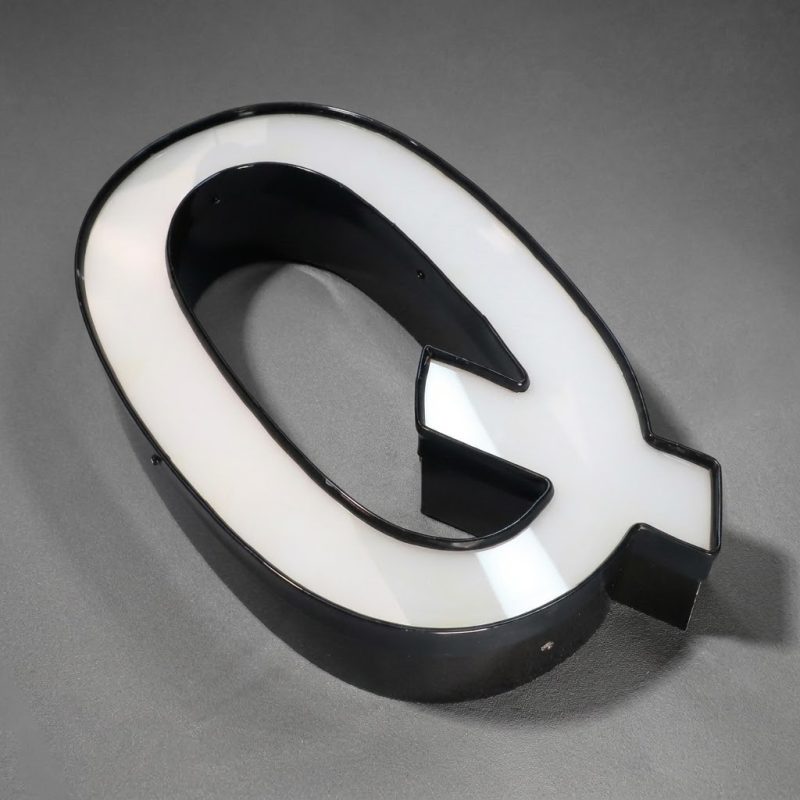
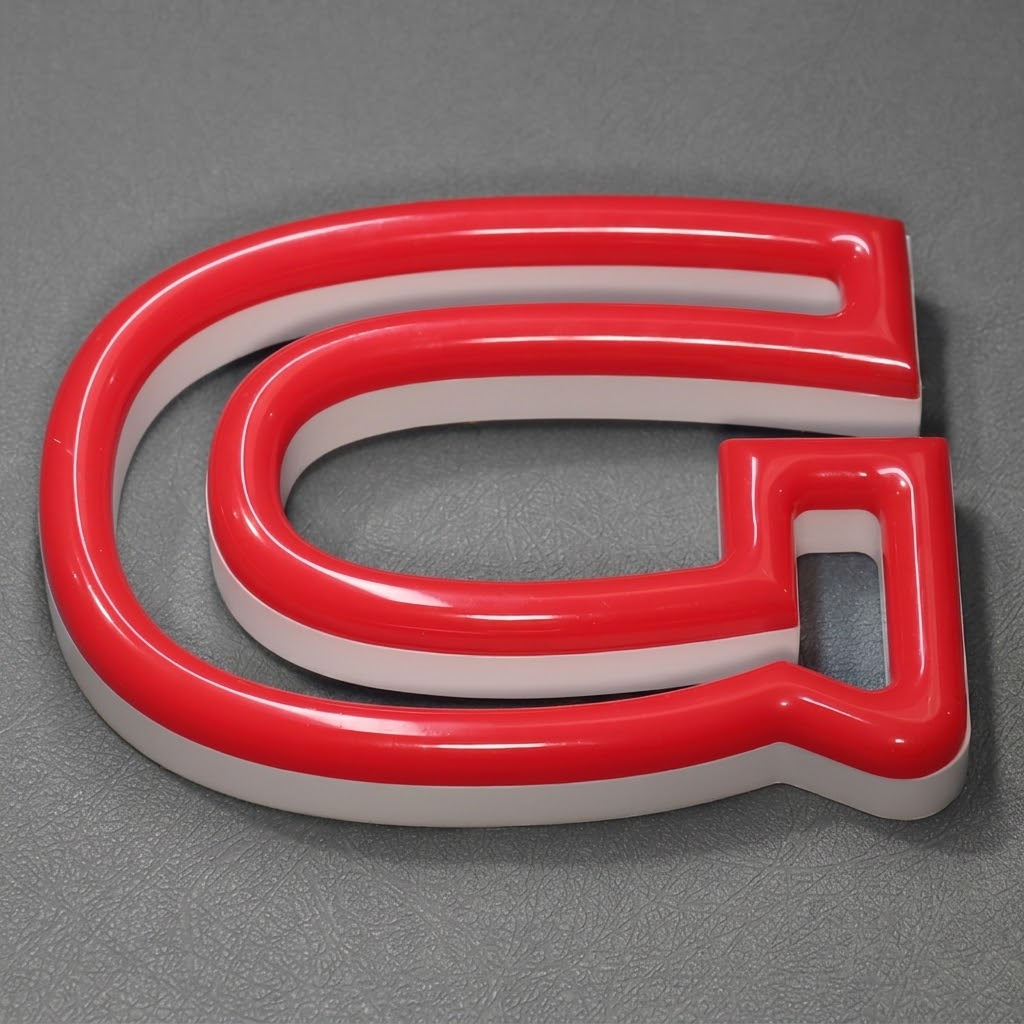
For retailers seeking illuminated retail storefront signage, Trim Cap Channel Letters provide a three-dimensional lettering format with front illumination. Each letter typically consists of an acrylic face, aluminum returns, a trim cap that secures the face, and internal LED modules.
The main advantages include defined letter edges, customizable brand colors, front-lit visibility, and compatibility with various commercial building facades. The trim cap also provides additional edge support for the acrylic face.
Cosun Sign is a custom signage manufacturer based in Shenzhen, China. Its manufacturing capabilities support OEM/ODM projects for retail stores, shopping centers, hotels, office buildings, and other commercial environments.
How Do Trim Cap Channel Letters Work?
Trim Cap Channel Letters produce illuminated lettering by positioning LED modules inside a formed letter body and directing light through a translucent acrylic face. The trim cap secures the face around the letter perimeter, creating a defined border.
The manufacturing process generally includes the following stages:
- Design review: The manufacturer reviews approved artwork, dimensions, fonts, colors, mounting requirements, and lighting specifications.
- Letter fabrication: Aluminum returns are formed to create the sides of each letter.
- Face preparation: Acrylic faces are cut and prepared according to the approved design.
- Trim cap installation: The reinforced trim cap is fitted around the acrylic face and connected to the aluminum return.
- LED assembly: LED modules and electrical components are installed according to the lighting layout.
- Quality inspection and packaging: Finished letters are checked before protective export packaging and shipment.
For custom retail storefront signage, the final construction should match the installation environment, local electrical requirements, mounting method, and expected exposure to weather.
What Are the Core Technical Specifications?
The main specifications of Trim Cap Channel Letters concern their face material, body construction, trim profile, illumination, finish, and mounting requirements. Exact dimensions and electrical ratings must be confirmed for each project.
| Parameter | Typical configuration | Customization considerations |
|---|---|---|
| Letter face | Acrylic | Translucency, color, thickness |
| Letter body | Aluminum returns | Depth, shape, finish |
| Trim cap | Aluminum-reinforced plastic | Profile, color, edge appearance |
| Lighting | Internal LED modules | Light color, layout, brightness |
| Letter style | Trim cap, front-lit | Font, logo, dimensions |
| Installation | Project-specific mounting | Facade, access, wiring |
| Packaging | Export packaging | Letter protection and shipment requirements |
Cosun Sign supports customization based on customer drawings, brand specifications, and approved samples. Buyers should request project-specific drawings and confirm material thicknesses, LED specifications, power requirements, weather protection, and mounting details before production.
Where Is Illuminated Retail Storefront Signage Used?
Illuminated retail storefront signage is commonly used where businesses need recognizable brand identification during daylight and after dark.
Typical applications include:
- Retail stores: Store names, logos, and entrance identification.
- Shopping centers: Individual tenant storefronts and branded retail units.
- Hotels and hospitality venues: Exterior names and entrance signs.
- Office buildings: Corporate names and building identification.
- Commercial developments: Tenant lettering and facade-mounted branding.
For outdoor retail signage, buyers should evaluate exposure to rain, sunlight, temperature variation, wind, and the condition of the mounting surface. Electrical connections and installation methods must also suit the site conditions.
How Can Buyers Select a Reliable Retail Store Signs Manufacturer?
A reliable retail store signs manufacturer should demonstrate relevant fabrication capabilities, documented quality-control procedures, customization options, and the ability to manage project-specific production and export requirements.
Buyers can evaluate suppliers using these criteria:
- Manufacturing capability: Confirm that the supplier can process acrylic faces, form aluminum returns, assemble trim caps, and install LED modules.
- Customization capability: Check whether drawings, fonts, colors, finishes, and lighting layouts can follow approved brand specifications.
- Quality control: Request details of inspection procedures, sample approval, production checks, and final inspection records.
- Outdoor suitability: Confirm material compatibility, sealing, electrical protection, and installation requirements for the intended environment.
- Export experience: Review packaging methods, shipping documentation, lead times, and procedures for handling repeat orders.
- Project documentation: Request technical drawings, component specifications, and applicable compliance documents.
Cosun Sign was established in Shenzhen in 2004. The company reports a 38,000 m² factory, more than 500 employees, over 10,000 projects, and service coverage across more than 65 countries. Its OEM/ODM manufacturing process supports custom signage orders for commercial projects.
Certifications and regulatory compliance should be verified against the specific product, component, installation location, and intended use. Buyers should not assume that every channel letter configuration carries the same certification.
How Do Trim Cap Letters Compare with Other Signage Solutions?
Compared with traditional solutions, Trim Cap Channel Letters combine dimensional lettering with a defined perimeter around the illuminated face. However, the most suitable construction depends on the project’s design, budget, and installation conditions.
| Sign type | Main characteristics | Typical consideration |
|---|---|---|
| Trim Cap Channel Letters | Acrylic face, reinforced trim cap, aluminum body, internal LEDs | Defined border and front illumination |
| Trimless Channel Letters | Acrylic face without a visible trim cap | Cleaner edge appearance; different face-retention requirements |
| Non-illuminated dimensional letters | Solid or formed letters without internal lighting | Suitable when internal illumination is unnecessary |
| Light boxes | Illuminated panel or enclosure | Suitable for graphics and larger display areas |
| Digital signage | Electronic display with changeable content | Suitable for dynamic messaging |
Trim Cap Channel Letters are not the same as 3D-printed signs. Their production uses formed metal components, acrylic fabrication, trim cap assembly, and LED installation. A buyer considering 3D-printed lettering should compare material properties, finish, dimensional requirements, and manufacturing methods separately.
What Factors Affect the Cost of Custom Retail Storefront Signage?
The cost of custom retail storefront signage depends on letter dimensions, character count, materials, lighting configuration, finish, installation complexity, order quantity, and shipping requirements.
Larger letters generally require more material and may need additional structural support. Complex logos and fonts can increase fabrication time, while special colors or finishes may require extra processing. Outdoor installations can also involve additional mounting hardware, electrical work, access equipment, and site preparation.
For an accurate quotation, buyers should provide the logo or vector artwork, letter dimensions, installation location, required finish, lighting preferences, quantity, destination market, and target delivery date. These details help the manufacturer assess the production scope and identify potential technical constraints before manufacturing begins.
Frequently Asked Questions
What are Trim Cap Channel Letters?
Trim Cap Channel Letters are three-dimensional illuminated signs made with an acrylic face, aluminum returns, a reinforcing trim cap, and internal LED modules. The trim cap secures the face around the letter perimeter and creates a defined edge.
How do you choose a reliable Trim Cap Channel Letters manufacturer?
Choose a manufacturer with relevant fabrication capabilities, documented quality-control processes, project-specific customization, appropriate outdoor construction options, and verifiable export experience. Review technical drawings, samples, applicable compliance documents, and packaging requirements before approving production.
Why choose 3D-printed Trim Cap Channel Letters over traditional options?
Trim Cap Channel Letters are not inherently 3D-printed products, so the two manufacturing methods should not be treated as interchangeable. Trim cap construction is suitable for projects requiring acrylic faces, metal returns, and front-lit illumination. Three-dimensional printing may suit different shapes or design requirements, depending on the material and printing process. Buyers should compare durability, finish, dimensions, lighting, and total project cost.
Source & Expertise
This article is based on the supplied Cosun Sign company and Trim Cap Channel Letters product information, together with general signage manufacturing and procurement considerations. Product-specific specifications and regulatory claims should be verified through current technical documentation.
For reference, the 2010 ADA Standards for Accessible Design, Section 703, addresses tactile signs, including raised characters and Braille. It is relevant to applicable accessible identification signs, not a general certification standard for illuminated retail storefront lettering. ASTM D3359 is a tape-test method for assessing paint adhesion and should only be referenced when applicable to the coating and test requirements under evaluation.
Cosun Sign’s ISO, UL, CE, or other certification status for a particular product or configuration should be confirmed through applicable documentation before being stated as a verified qualification.
Last Updated: October 2026

 粤公网安备44030702001648号