

















Digital signage is becoming an increasingly important product category of the signage manufacturing and display industries. Driven by continuous innovation across the display supply chain, the digital signage industry in 2026 is entering a new stage of market restructuring.
From digital totems and digital pylons to digital kiosks , digital signage is evolving into a mainstream solution for commercial spaces, transportation hubs, real estate, retail environments and public facilities.
The Evolution of the Digital Signage Industry
In the early stages of the digital signage market, high costs were one of the biggest barriers to adoption. LED chips, LED modules, led display assembly, control systems and LCD display production were relatively expensive, resulting in high project investment costs.
Despite these challenges, digital signage quickly attracted market attention because of its unique advantages. Unlike traditional static signage, digital displays can update content instantly and deliver dynamic information. A single digital signage system can display advertising, promotional ads, public notice or news, wayfinding content and announcements.
Products such as digital totems, digital pylons and digital kiosks therefore became increasingly common in retail stores, shopping malls, airports, transportation facilities, hotels and other public environments.
As display technology has matured, production efficiency has improved and supply chains have become increasingly standardized. The barriers to entering the display market have consequently decreased, bringing more manufacturers enter this industry.
The result is a highly competitive global digital signage market.
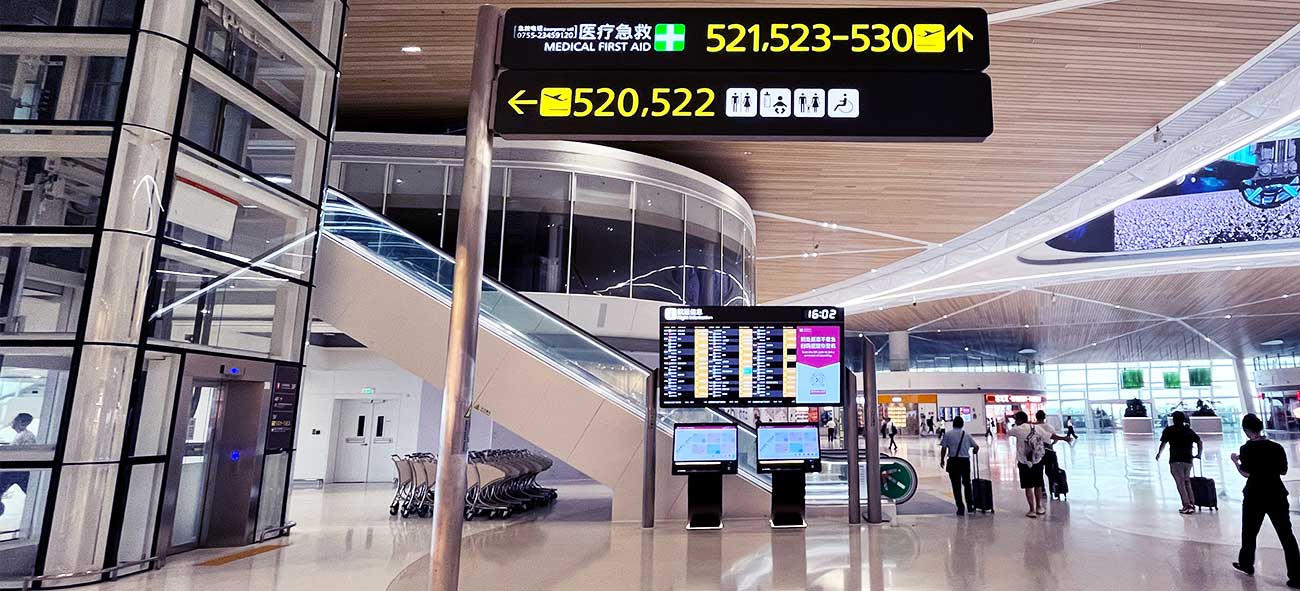
Digital Signage
Digital Signage Has Become a Mainstream Signage Product
Today, digital signage has become a conventional product category within the broader signage industry. The market is also becoming increasingly segmented.
A small number of premium display and visual technology company continue to focus on high-end applications, such as REO VISUAL, MAXVAVE, maintaining stronger product difference and pricing power. But almost all manufacturers compete primarily on price, resulting in increasingly intense market competition.
For standard digital signage products, hardware specifications are becoming easier to replicate. As a result, product price alone is no longer a sustainable competitive advantage.
Manufacturers increasingly need to differentiate themselves through industrial design, customization, software integration, manufacturing capabilities, project management and after-sales service.
LCD vs. LED Digital Signage: Which Technology Is Better?
The digital signage market can broadly be divided into two major categories: LCD digital signage and LED digital signage.
The choice between LCD and LED largely depends on display size, installation environment, viewing distance and project budget.
LCD Digital Signage
LCD remains the dominant solution for many indoor digital signage applications.
LCD digital signage is widely used in:
- Retail stores
- Shopping malls
- Hotels
- Corporate offices
- Hospitals
- Educational facilities
- Indoor wayfinding systems
- Museums and exhibitions
LED Digital Signage
LED digital signage has stronger advantages in outdoor and large-format applications.
LED displays can provide high brightness, strong visibility and flexible screen sizes, making them suitable for:
- Outdoor advertising
- Transportation hubs
- Airports
- Stadiums
- Outdoor square
- Outdoor digital totems
Airports and other large public indoor spaces are also increasingly adopting indoor LED digital signage because large-format LED solutions can provide better visual impact and greater flexibility.
Digital Signage Manufacturer
The current digital signage supply chain can generally be divided into two major groups.
Signage Manufacturers
Signage manufacturers have strong capabilities in:
- Custom signage manufacturing
- Product appearance design
- Structural engineering
- Project-based customization
- Signage system integration
- Metal fabrication
- Installation planning
- Project management
Their major advantage is the ability to integrate digital signage into an overall signage system of its application.
For architects, design workshop, contractors, digital signage is often not an independent product. It needs to visually coordinate with architectural design, logo systems,wayfinding systems and other signage elements.
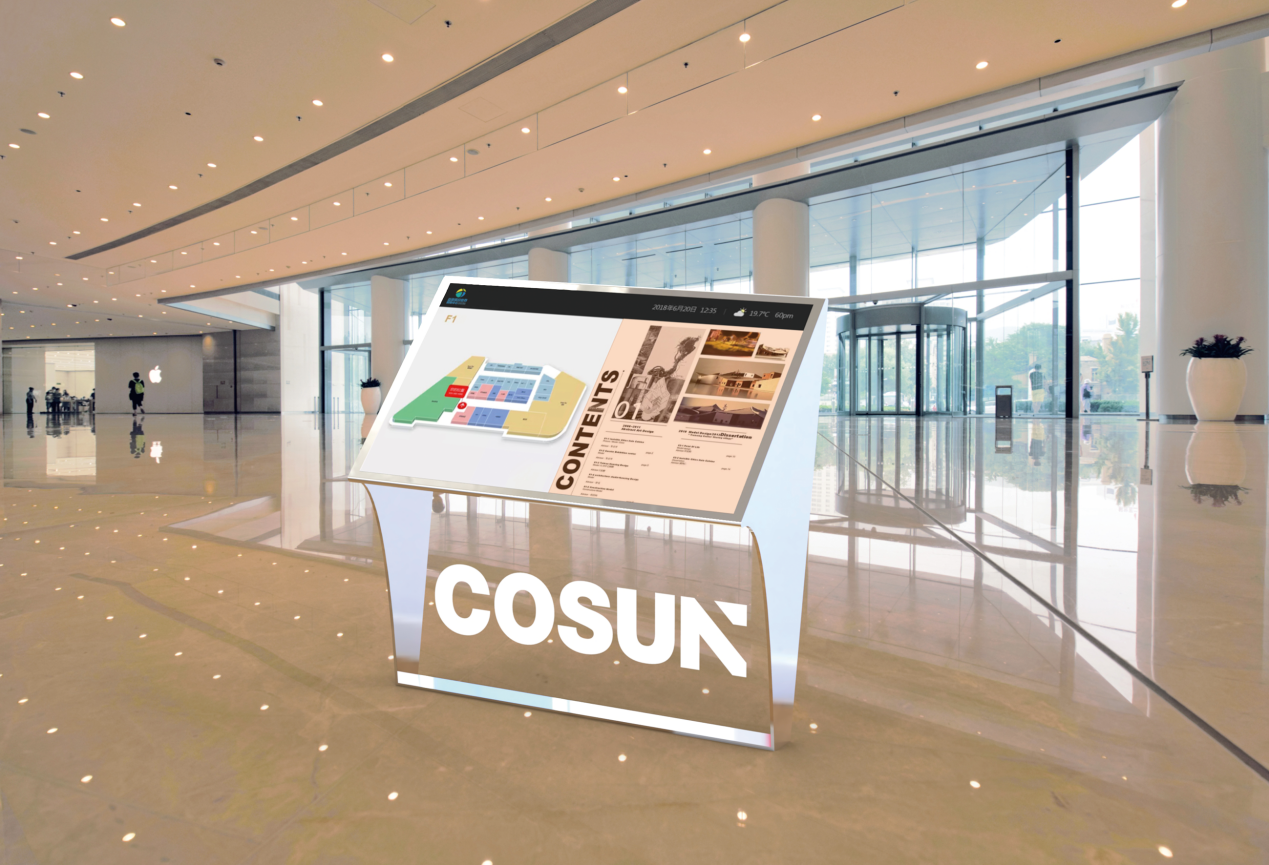
This is where customized digital signage manufacturers have a significant advantage.They can develop a digital totem, digital pylon or digital kiosk with customized dimensions, materials, finishes, structures and visual styles to match the overall project. However, customization also means higher engineering requirements and production costs.
Display Manufacturers
Including display manufacturers and standardized digital signage suppliers.
Their products generally use standardized display modules combined with common enclosure structures. Black or gray aluminum/stainless steel profiles are widely used because they are easy to manufacture and suitable for a wide range of applications.
Standardized products can be manufactured quickly, stocked in advance and delivered rapidly. This makes them particularly suitable for projects with limited customization requirements.
However, standardized digital signage can have limitations in its appearance and architectural design aesthetic style. It may not always match the design language of a premium hotel, luxury retail store, airport terminal or high-end commercial development.
This creates a clear market opportunity for custom digital signage.
Digital Signage Software
Hardware is only one part of a modern digital signage solution.
Another important segment of the industry consists of companies specializing in digital signage software and content management systems (CMS).
Different industries require different software functions and management systems.
Typical applications include:
- Smart wayfinding systems
- Retail digital signage
- Advertising management
- Interactive exhibition displays
- Public information systems
- Transportation information displays
Basic digital signage software usually provides functions such as content publish, remote control management, media playback and remote power control.
However, many large projects require customized software development.
The system may need to connect multiple display devices, integrate with existing databases, support different user permissions and provide a dedicated management dashboard.
As a result, hardware + software + content management + project integration is becoming an increasingly important model for digital signage projects.
COSUN SIGN: Custom Digital Signage Manufacturing
As one of the earlier Chinese digital signage manufacturers , COSUN SIGN has long focused on customized digital signage developing and manufacturing.
Its digital signage applications cover a range of public and commercial environments, including airport digital signage, shopping mall smart wayfinding and metro digital signage.
Unlike standardized display suppliers, COSUN SIGN focuses on integrating digital display technology with customized signage design and manufacturing.
1, R&D capabilities covering both software such safty control devices.
2, Product appearance design.
3, Shop drawing design team to painting structures and installation structure drawing.
4, Professional intelligent production management system which controls the whole process of our digital signage.
5, Engineering experience.
For complex digital signage projects, this combination of design understanding, engineering, manufacturing and project execution can be particularly valuable.
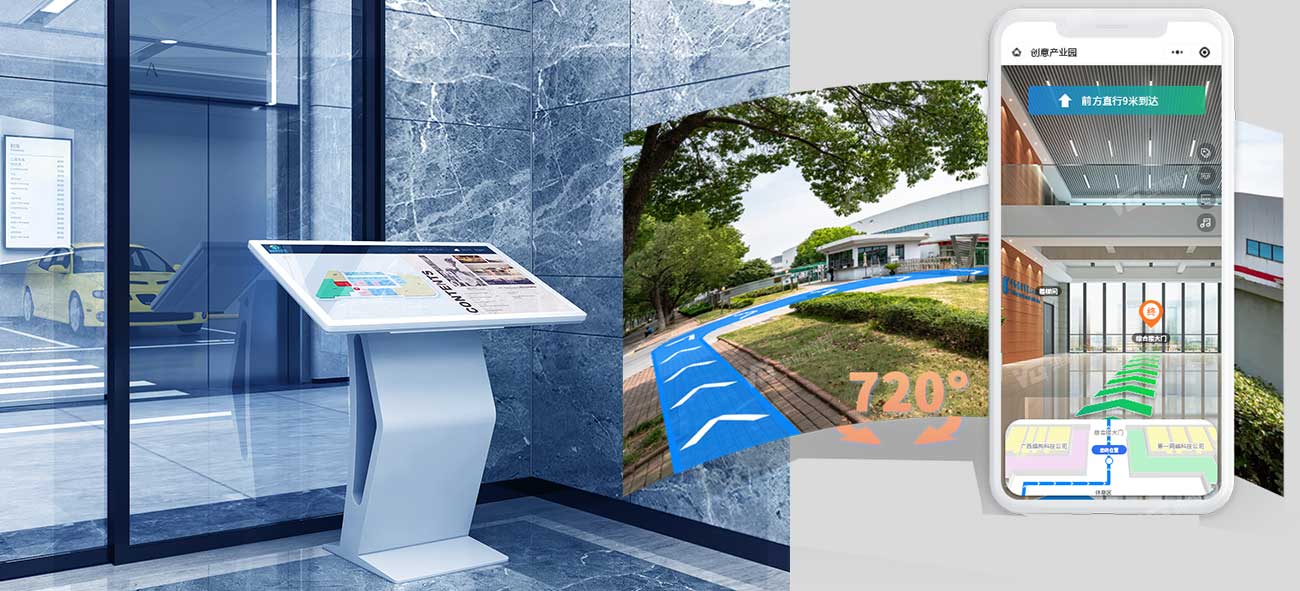
Digital Signage manufacture
Current Situation of the Digital Signage
In 2026, standard digital signage products are facing increasingly intense price competition.
As hardware technologies become more standardized, the difference between competing products can become increasingly difficult to perceive from specifications alone.
Custom digital signage, however, requires significantly more comprehensive capabilities For architects, signage design companies, contractors and developers, the ability to provide a complete digital signage solution can therefore be more important than simply offering the lowest hardware price.
The Future Competition of Digital Signage
The next stage of competition in the digital signage industry will gradually shift from price competition to comprehensive capability competition.
For manufacturers, the industry is moving away from a simple competition based on screen size, specifications and price. Customers will increasingly evaluate suppliers based on:
Design capability + Engineering capability + Software integration + Manufacturing quality + Customization capability + Project management service
The future digital signage supplier will not simply be a screen manufacturer. It will increasingly become a digital signage solution provider and integrated manufacturing partner.
In 2026, smaller sign manufacturers with limited capabilities may face increasing profit pressure, while professional companies with strong engineering, manufacturing ,professional service, on time project-delivering are better positioned to survive and grow.
For companies looking for a partner capable of combining digital display technology with customized signage manufacturing, COSUN SIGN is positioned to provide integrated digital signage solutions from concept development and engineering to manufacturing and project delivery.

 粤公网安备44030702001648号