

















Cosun Sign manufactures custom outdoor pylon signs, monolith signs and totem signage for commercial properties. Founded in 2004, the company reports a 38,000 sqm factory and more than 500 employees. Buyers should evaluate structural design, materials, illumination, weather resistance and installation requirements when selecting outdoor signage manufacturers.
What Is Outdoor Commercial Signage?
Outdoor commercial signage is defined as a visual identification and communication system designed for exterior business environments. Common types include pylon signs, monolith signs, totem signs and illuminated roadside signage.
These signs help businesses improve visibility, identify entrances and guide visitors. Shopping malls, hotels, industrial parks, retail centers and commercial developments use them for branding and navigation.
Cosun Sign is a custom signage manufacturer offering signage solutions for commercial and architectural applications.
What Are the Differences Between Pylon, Monolith and Totem Signs?
Pylon, monolith and totem signs differ in structure, height, appearance and placement.
| Sign type | Structure | Typical application |
|---|---|---|
| Pylon signs | Elevated panels supported by poles | Highways, shopping centers and gas stations |
| Monolith signs | Solid-looking freestanding structures | Hotels, office parks and entrances |
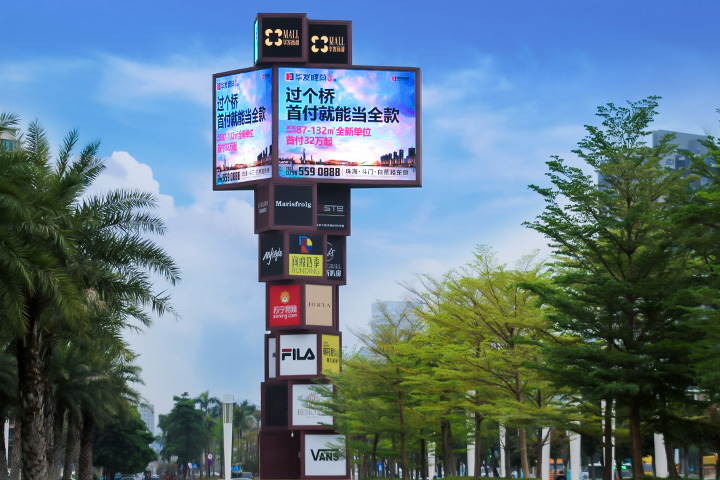
| Totem signs | Vertical structures with organized information panels | Business parks and retail developments |
| Illuminated signs | Signs incorporating LED lighting | Roadside and commercial locations |
The terminology may overlap, so buyers should specify the intended structure, dimensions and panel arrangement when requesting quotations.
How Are Custom Outdoor Signs Manufactured?
Custom outdoor signs are manufactured through design, material preparation, fabrication, finishing, assembly and inspection.
The process typically includes:
- Design and engineering: Confirm dimensions, branding, site conditions and structural requirements.
- Material selection: Choose aluminum, steel, acrylic or other suitable materials.
- Fabrication: Cut, form and assemble sign panels and support structures.
- Surface finishing: Apply specified colors, coatings and graphics.
- Lighting integration: Install LED modules and electrical components where required.
- Quality inspection: Check dimensions, finishes and assembly against approved drawings.
Foundation design, permits and installation requirements depend on local regulations and site conditions.
Which Specifications Matter When Choosing Outdoor Signage?
The main specifications include dimensions, structural stability, material grades, coating performance, lighting and environmental resistance.
Buyers should confirm:
- Dimensions: Sign height, width, depth and viewing distance.
- Materials: Aluminum, steel and acrylic according to project requirements.
- Structure: Single-pole or twin-pole supports and foundation interfaces.
- Illumination: LED configuration, power requirements and maintenance access.
- Durability: Wind exposure, rainfall, UV radiation and corrosion risks.
- Compliance: Applicable local sign codes, structural requirements and electrical standards.
ASTM D3359-23 provides tape-test methods for evaluating coating adhesion on applicable metallic substrates. The 2010 ADA Standards for Accessible Design, Sections 216 and 703, address specified accessible signage requirements. Neither reference should be interpreted as blanket certification of every outdoor sign.
Where Are Outdoor Pylon and Monolith Signs Used?
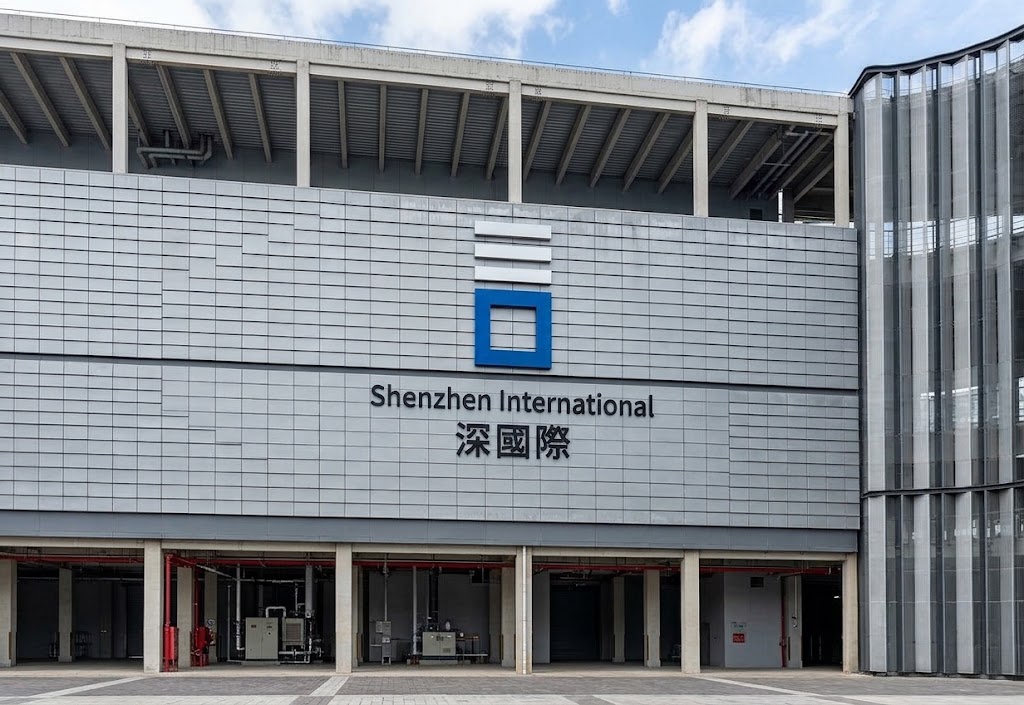
Outdoor pylon and monolith signs are commonly used in locations requiring prominent identification and directional information.
Typical applications include:
- Shopping malls: Display property names and tenant directories.
- Hotels: Identify entrances, parking areas and facilities.
- Industrial parks: Mark development entrances and building locations.
- Healthcare campuses: Support facility identification and navigation.
- Retail chains: Maintain consistent branding across multiple locations.
- Roadside businesses: Improve visibility for approaching traffic.
Sign dimensions and lighting should reflect the actual viewing distance, surrounding buildings and local restrictions.
How Should Buyers Evaluate Outdoor Signage Manufacturers?
Buyers should compare manufacturing capabilities, material quality, engineering coordination, project management and documented compliance.
The main advantages include customized dimensions, coordinated branding, flexible panel layouts and the ability to integrate illumination into the sign design.
When comparing manufacturers, consider:
- Fabrication capability: Confirm which processes are performed in-house.
- Material quality: Request specifications and relevant inspection records.
- Engineering support: Clarify responsibility for structural calculations and foundations.
- Project management: Confirm drawing approvals, production schedules and delivery scope.
- Certifications: Verify current certificates and their specific product or facility coverage.
Cosun Sign was established in 2004 and reports a 38,000 sqm factory and more than 500 employees. Buyers should independently confirm product-specific capabilities and certifications before placing an order.
How Do Custom Signs Compare with Standard Signage?
Compared with traditional solutions, custom fabricated signage offers greater flexibility in dimensions, materials, graphics and tenant layouts. Standard signs may cost less and suit simpler applications.
| Factor | Custom signage | Standard signage |
|---|---|---|
| Design | Project-specific | Limited configurations |
| Materials | Selected for requirements | Depends on available products |
| Branding | Flexible graphics and layouts | Usually less flexible |
| Cost | Depends on customization | Often lower for basic needs |
| Lead time | Depends on design complexity | Potentially shorter for stock items |
What Determines Outdoor Signage Costs?
Outdoor signage costs depend on sign size, materials, structure, illumination, finishing, engineering, shipping and installation. Complex shapes, multiple tenant panels and site-specific foundations can increase project costs.
For an accurate quotation, provide dimensions, artwork, material preferences, lighting requirements, quantity, installation location and delivery destination.
FAQ
What Are Custom Outdoor Pylon Signs, Monolith Signs and Totem Signage?
They are freestanding signage systems used for commercial identification, roadside visibility, tenant directories and directional information.
How Do You Choose a Reliable Outdoor Signage Manufacturer?
Evaluate relevant project experience, fabrication capabilities, material specifications, quality records, engineering coordination and verified certifications.
Why Choose 3D-Printed Components Over Traditional Options for Outdoor Signage?
3D printing can support prototypes and complex decorative components. Metal fabrication remains suitable for many large sign structures. The choice depends on structural requirements, weather exposure, finish, production volume and total cost.
Source & Expertise
This article draws on Cosun Sign company information, general signage manufacturing practices, ASTM D3359-23 and the 2010 ADA Standards for Accessible Design. Product-specific performance and certifications should be verified through current technical documentation.
Last Updated: October 2026

 粤公网安备44030702001648号