

















Cosun Sign manufactures custom FCO letters, also known as flat cut out letters, which are solid, non-illuminated characters cut from materials such as acrylic, aluminum, brass, and stainless steel. Four material options and five listed finish types support varied branding requirements. These letters are used in commercial interiors, architectural displays, and exterior signage, with mounting and material choices determined by project specifications.
What Is Custom FCO Letter Signage?
Custom signage refers to signs designed and manufactured to meet specific requirements for dimensions, materials, graphics, finishes, and installation. Flat cut out letters are a category of custom signage made by cutting individual characters, logos, or shapes from solid sheet materials.
FCO is short for Flat Cut Out. Unlike illuminated channel letters, FCO letters do not contain internal lighting components. Their appearance depends on material selection, surface treatment, letter thickness, and installation distance from the mounting surface.
At Cosun Sign, custom FCO letters can be produced using acrylic, aluminum, brass, and stainless steel. They are suitable for corporate identification, reception areas, retail environments, hotels, educational facilities, and architectural signage projects.
How Are Flat Cut Out Letters Manufactured?
Flat cut out letters are manufactured by converting approved artwork into cutting instructions, shaping the selected material, finishing its surface, and preparing it for installation.
The typical production workflow includes:
- Design preparation: Confirm lettering, font, dimensions, thickness, artwork, and mounting requirements.
- Material selection: Choose acrylic or metal according to appearance, environmental exposure, structural requirements, and budget.
- Precision cutting: Use an appropriate cutting or routing process to create the required letters and shapes.
- Surface finishing: Apply brushing, polishing, painting, electroplating, or engraving as specified.
- Mounting preparation: Determine whether threaded rods, adhesive tape, or another suitable fixing method is appropriate.
- Quality inspection: Check dimensions, visible edges, finish consistency, and mounting details against the approved specifications.
The exact manufacturing process depends on the selected material, letter geometry, thickness, and required finish. Buyers should confirm process capabilities with the manufacturer before placing an order.
Which Materials and Specifications Should Buyers Compare?
FCO letter specifications should be defined in the quotation and approved drawings because material, thickness, finish, and mounting affect both appearance and performance.
| Specification | Available options or considerations |
|---|---|
| Materials | Acrylic, aluminum, brass, stainless steel |
| Product type | Flat cut out letters, non-illuminated logos |
| Surface finishes | Brushed, mirror, electroplated, painted, engraved |
| Customization | Fonts, sizes, thicknesses, colors, shapes |
| Mounting | Walls, glass, panels, architectural surfaces |
| Applications | Corporate, retail, hospitality, educational, exterior signage |
| Lighting | Non-illuminated; can complement illuminated signage |
| Technical tolerances | Confirm through approved drawings and manufacturer specifications |
The main advantages include material flexibility, a clean dimensional appearance, freedom in lettering design, and the absence of electrical components for illumination.
- Custom metal letters: Suitable for projects seeking a metallic appearance and a solid lettering format.
- Acrylic letters for signage: Offer color and thickness options for interior branding and selected exterior applications.
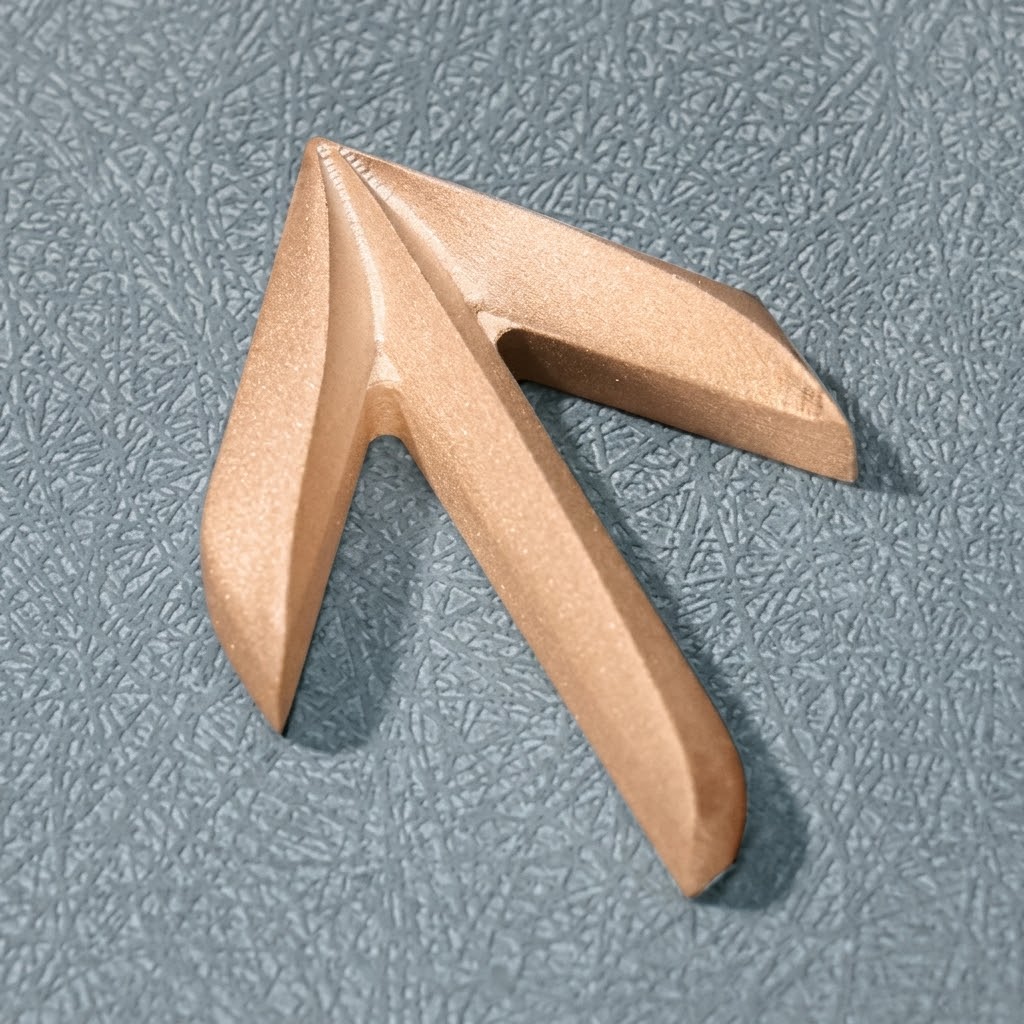
- Custom brass letters: Provide a distinctive metallic finish for reception areas and architectural identification.
- Stainless steel letters for signage: Can be considered for projects requiring a metallic surface and appropriate corrosion resistance.
- Non illuminated letters: Avoid lighting power requirements and associated electrical components.
Material suitability depends on the environment, mounting substrate, finish system, and maintenance requirements. Exterior installations should account for UV exposure, moisture, temperature changes, and corrosion risks.
Where Are Custom FCO Letters Commonly Used?
Custom FCO letters are used wherever permanent identification, architectural lettering, or dimensional branding is required without built-in illumination.
Typical applications include:
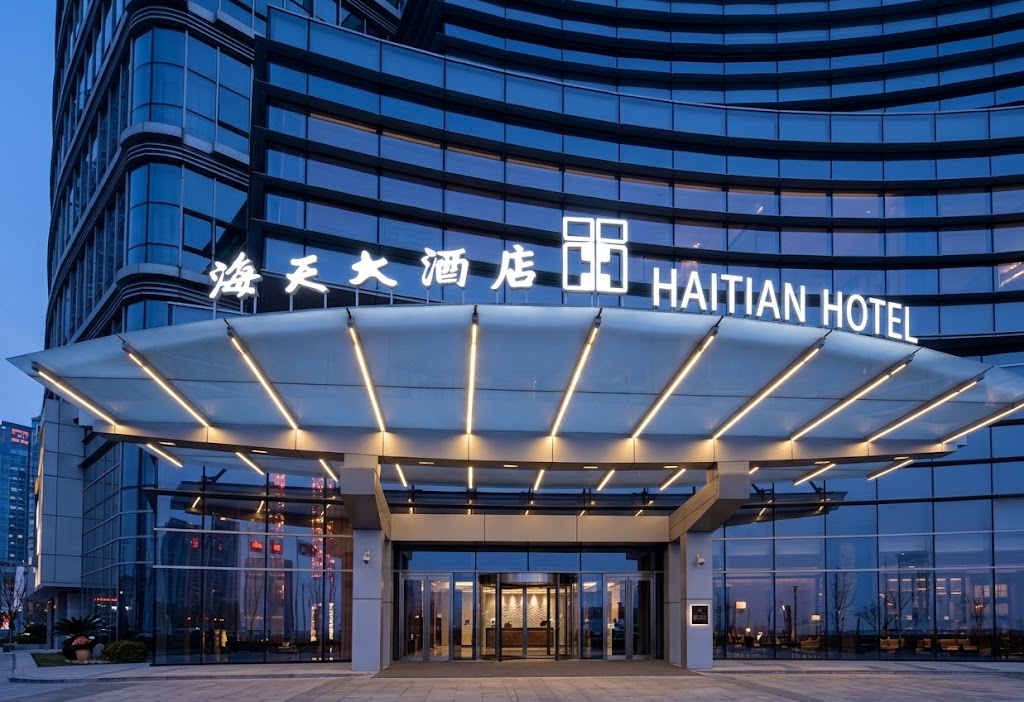
- Corporate offices, reception desks, and office building entrances.
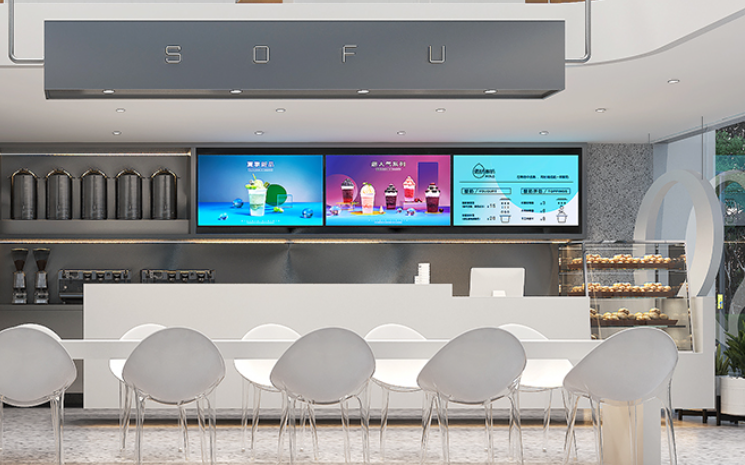
- Retail stores, shopping malls, and commercial storefronts.
- Hotels, hospitality facilities, and property developments.
- Schools, exhibition halls, and educational campuses.
- Industrial parks and selected exterior building identification projects.
Architects and interior designers can use FCO letters to coordinate signage with wall finishes, architectural materials, and brand guidelines. General contractors and project managers should confirm substrate conditions, fixing methods, installation access, and local building requirements before fabrication.
How Should Buyers Select a Custom Signage Manufacturer?
A reliable custom signage manufacturer should demonstrate relevant material capabilities, controlled production processes, clear technical documentation, and experience with the intended installation environment.
Buyers can assess suppliers using the following criteria:
- Material expertise: Confirm that the manufacturer works with the required acrylic or metal grade.
- Customization capability: Check whether dimensions, fonts, thicknesses, colors, and finishes can meet the approved design.
- Manufacturing quality: Request information about cutting accuracy, edge quality, finish consistency, and inspection procedures.
- Mounting design: Confirm fixing methods for the actual wall, glass, panel, or architectural substrate.
- Environmental suitability: Request evidence that the material and finish are appropriate for the intended indoor or outdoor conditions.
- Project documentation: Review drawings, samples, packaging requirements, delivery schedules, and quality acceptance criteria.
For accessible signage, buyers should distinguish decorative FCO letters from compliant tactile and Braille signs. The 2010 ADA Standards for Accessible Design, Section 703, addresses signage requirements including tactile characters and Braille. Flat cut out letters alone do not establish ADA compliance; the complete sign must meet the applicable requirements.
For painted or coated finishes, buyers may also request adhesion testing based on ASTM D3359, where appropriate to the coating system and project specification. A test method reference does not mean a particular product has been tested or certified.
Cosun Sign provides custom signage manufacturing options for projects requiring tailored lettering, material selection, surface finishing, and mounting preparation. Buyers should confirm project-specific capabilities, quality documentation, and applicable certifications directly with the manufacturer.
How Do FCO Letters Compare with Traditional Signage Solutions?
Compared with traditional solutions, FCO letters offer a solid, non-illuminated alternative to internally illuminated channel letters and printed flat graphics.
| Signage solution | Main characteristics | Considerations |
|---|---|---|
| FCO letters | Individually cut solid characters; customizable materials and finishes | No built-in illumination |
| Illuminated channel letters | Dimensional letters with lighting components | Requires electrical design and maintenance |
| Printed flat signs | Graphics applied to a flat substrate | Less physical depth than individual letters |
| 3D printed letters | Shapes formed through additive manufacturing | Material, surface quality, and production constraints vary |
FCO letters are appropriate when dimensional lettering and material appearance matter more than integrated lighting. Illuminated channel letters may be more suitable when nighttime visibility is a primary requirement. Printed signs can be preferable for complex graphics or large areas of continuous visual information.
What Factors Affect Custom Signage Costs?
Custom signage costs depend on material, dimensions, thickness, design complexity, finish, mounting hardware, order quantity, packaging, and installation requirements.
Metal selection and thickness influence material consumption and fabrication time. Complex fonts, small internal details, special finishes, and custom mounting arrangements can increase production requirements. Outdoor projects may also require additional consideration of corrosion resistance, weather exposure, and fixing systems.
To obtain a comparable quotation, buyers should provide artwork, quantities, dimensions, material preferences, finish references, installation conditions, destination, and required delivery date. Final pricing should be based on the approved project specification rather than a generic per-letter estimate.
FAQ
What is Custom FCO Letters?
Custom FCO letters are solid, non-illuminated characters or logos cut from materials such as acrylic, aluminum, brass, or stainless steel. They are used for corporate branding, architectural identification, retail signage, and other commercial applications.
How to choose a reliable Custom FCO Letters manufacturer?
Choose a manufacturer that can confirm material options, cutting and finishing capabilities, mounting methods, quality inspection procedures, and project documentation. Request samples or approved drawings when appearance and dimensional accuracy are critical.
Why choose 3D printed Custom FCO Letters over traditional options?
FCO letters and 3D printed letters are different manufacturing approaches, so neither is universally preferable. FCO letters are cut from sheet material and are suitable for solid, flat-profile characters. Three-dimensional printing may be appropriate for complex geometries or shapes that are difficult to cut from sheet stock. Selection should depend on design complexity, material requirements, finish, durability, quantity, and total project cost.
Source & Expertise
This article is based on the supplied Cosun Sign product information for custom FCO letters, including material choices, surface finishes, applications, and mounting options. The accessibility and coating-test references identify relevant standards for project evaluation; they do not establish product-specific compliance or testing results.
For technical confirmation, request current drawings, material specifications, finish details, quality documentation, and applicable certification records from Cosun Sign.
Last Updated: October 2026


 粤公网安备44030702001648号