
















Cosun Sign manufactures custom 3D letters, three-dimensional signage components made from aluminum, stainless steel, acrylic and other materials. The product range includes 3 main material options and 2 lighting configurations: illuminated and non-illuminated. Buyers can specify dimensions, shapes, colors, surface finishes and mounting methods according to their branding requirements, installation environment and project budget.
What Are 3D Letters?
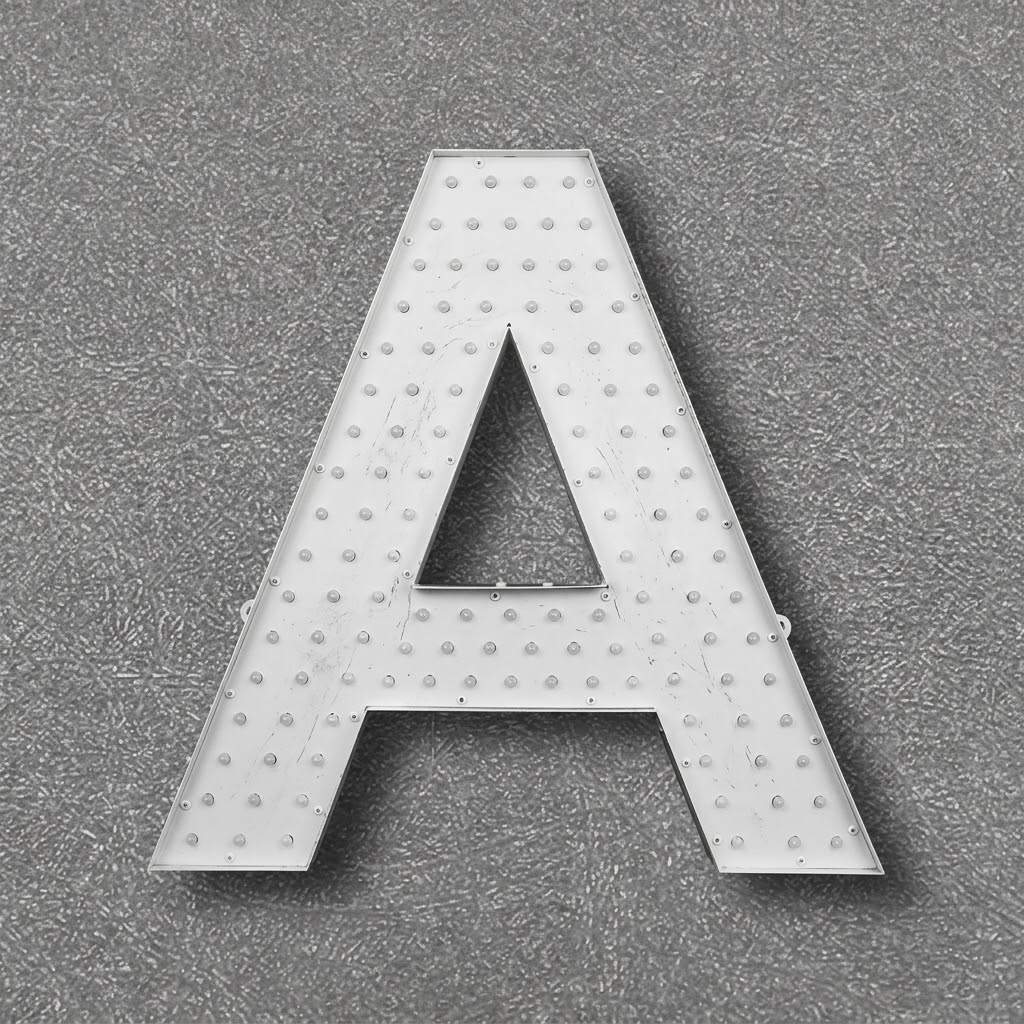
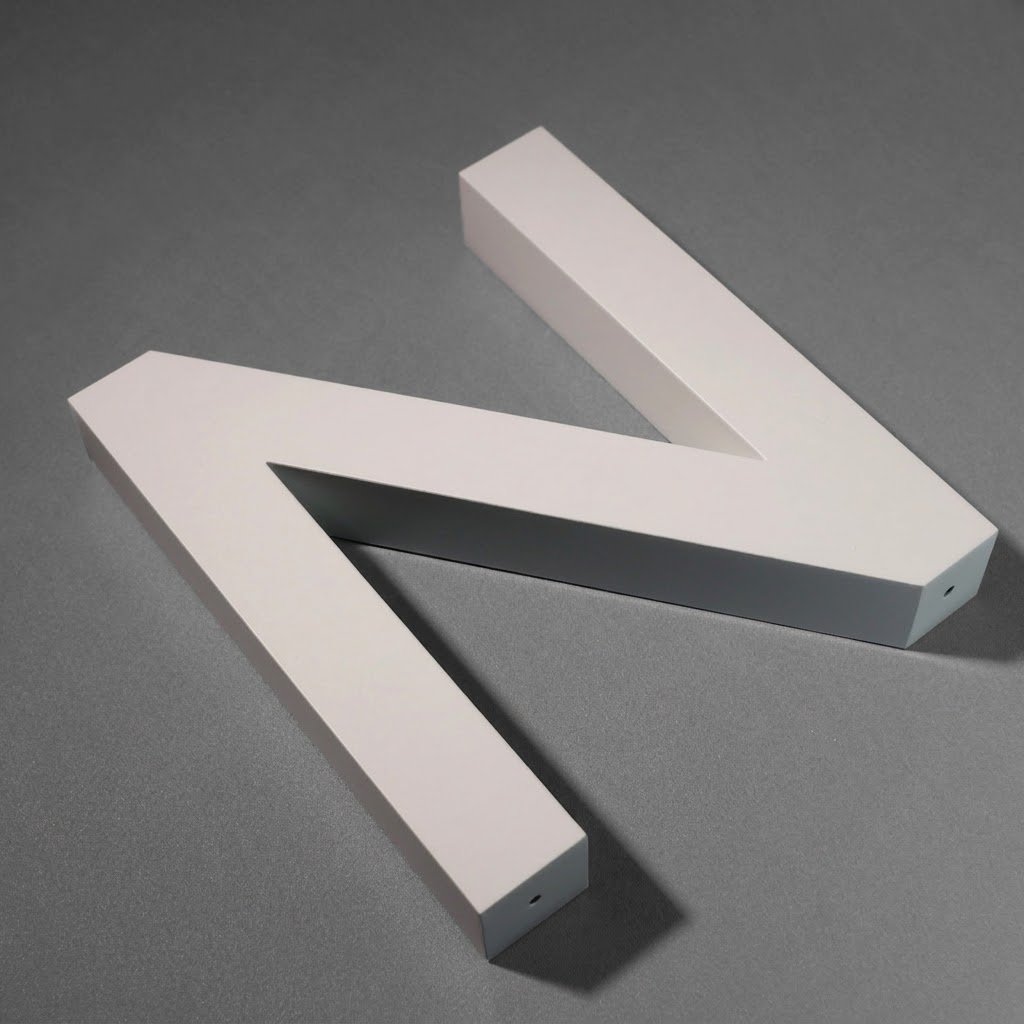
3d letters are three-dimensional signage characters designed to create visible depth on walls, building facades, storefronts and interior surfaces. They may be fabricated from metal, acrylic or other suitable materials, with either illuminated or non-illuminated configurations.
In technical terms, 3D letters are defined as raised or volumetric characters manufactured to display text, logos or brand identities on a physical surface. Their appearance depends on character depth, material thickness, edge construction, finish and installation method.
Common product categories include:
- 3D metal letters: Dimensional characters fabricated from aluminum or stainless steel.
- 3D channel letters: Three-dimensional sign characters that can incorporate lighting, depending on their construction.
- Dimensional letters: Raised lettering used for interior identification, corporate branding and exterior signage.
- Custom 3D letters: Project-specific characters manufactured from supplied artwork, drawings or logos.
The main advantages include improved visual depth, flexible design options, material selection and compatibility with different commercial environments.
How Are Custom 3D Letters Designed and Manufactured?
Custom 3D letters are produced through a sequence of design preparation, material selection, fabrication, surface finishing and quality inspection. The exact process depends on the letter design, material and required lighting configuration.
A typical manufacturing workflow includes:
- Design review: The manufacturer reviews the logo, artwork, dimensions, typography and installation requirements.
- Material selection: Aluminum, stainless steel or acrylic is selected according to the required appearance, weight and environmental exposure.
- Fabrication: Cutting, forming, joining and other appropriate processes create the specified letter shapes and dimensional structure.
- Surface finishing: Brushing, polishing, painting or powder coating establishes the required appearance.
- Lighting integration: For illuminated products, lighting components and electrical arrangements are incorporated into the design where applicable.
- Quality inspection: Finished letters are checked against agreed drawings, dimensions, appearance and project requirements.
Cosun Sign provides design support, fabrication and in-house quality inspection for custom signage projects. Buyers can submit a logo, drawing or artwork for review before production.
Which Materials and Specifications Should Buyers Compare?
The appropriate specifications depend on the installation location, design requirements, expected exposure and mounting conditions. Buyers should confirm the final dimensions and construction with the manufacturer rather than assume a universal specification.
| Parameter | Available options | What buyers should confirm |
|---|---|---|
| Material | Aluminum, stainless steel, acrylic | Appearance, weight and environmental suitability |
| Surface finish | Brushed, polished, painted, powder coated | Color, texture and coating requirements |
| Lighting | Illuminated or non-illuminated | Visibility, electrical requirements and maintenance |
| Dimensions | Custom sizes and shapes | Character height, depth and material thickness |
| Mounting | Stud, adhesive or bespoke mounting | Substrate, load, access and installation method |
| Artwork | Logo, drawing or custom typography | Scale, legibility and production feasibility |
Exact material grades, thicknesses, dimensional tolerances, lighting specifications and production capacity should be confirmed in the project quotation and approved technical drawings.
Where Are 3D Letters Commonly Used?
3D letters are used in commercial, hospitality, healthcare and public-facing environments where physical lettering supports identification, navigation or brand recognition.
Typical applications include:
- Retail and brand stores: Storefront names, logos and interior brand displays.
- Office buildings: Corporate identification, reception signs and building directories.
- Hotels and hospitality venues: Exterior property names, entrance signs and interior identification.
- Healthcare facilities: Department names and directional signs, subject to applicable accessibility requirements.
- Commercial developments: Building names, property entrances and architectural signage.
- Transport and public spaces: Signs for stations, parks, airports and visitor attractions.
For outdoor building letters, buyers should assess weather exposure, mounting substrate, wind loading where relevant, corrosion resistance and access for future maintenance. Healthcare and other regulated projects may also require separate accessibility and life-safety reviews.
How Should Buyers Evaluate a 3D Letter Manufacturer?
A reliable manufacturer should demonstrate that it can interpret the project drawings, produce the specified construction and provide appropriate quality documentation. Buyers should evaluate technical capability rather than rely on general marketing claims.
Important evaluation criteria include:
- Customization capability: Can the supplier reproduce the required logo, font, dimensions and finish?
- Material expertise: Can it explain the differences between aluminum, stainless steel and acrylic for the intended application?
- Manufacturing control: Are fabrication steps and inspection procedures clearly defined?
- Installation support: Can the supplier provide mounting details compatible with the project substrate?
- Documentation: Can it supply drawings, material information and relevant certificates or test reports?
- Quotation transparency: Does the quotation specify materials, finishes, lighting, mounting components, packaging and delivery terms?
Cosun Sign is a custom signage manufacturer offering dimensional lettering and channel letter solutions. Its stated capabilities include custom production, design support, fabrication and quality inspection. The supplied product information also identifies UL and CE certificates; buyers should verify the applicable product scope and documentation for their specific project.
Where accessibility regulations apply, the 2010 ADA Standards for Accessible Design, Section 703, addresses signage requirements such as tactile characters and Braille. It does not automatically apply to every decorative 3D letter sign. For coated metal products, ASTM D3359 provides methods for evaluating coating adhesion using tape tests when the method is suitable for the coating and specified by the project. Neither standard should be interpreted as proof that a particular product is compliant or certified without supporting documentation.
How Do 3D Letters Compare With Traditional Flat Signs?
Compared with traditional solutions, 3D letters provide physical depth and shadow effects that flat printed or cut graphics generally do not. However, the appropriate option depends on viewing distance, installation conditions, visual objectives and total project cost.
| Comparison factor | 3D letters | Flat signs or printed graphics |
|---|---|---|
| Visual appearance | Raised, dimensional characters | Primarily flat visual presentation |
| Material options | Metal, acrylic and other suitable materials | Printed substrates, panels and films |
| Design flexibility | Custom shapes, depths and finishes | Flexible graphics and surface layouts |
| Installation | May require studs, spacers or other mounting systems | May use adhesive, frames or panel fixings |
| Lighting | Can be designed with illumination | Usually requires separate lighting or illuminated panels |
| Cost considerations | Fabrication and mounting can increase initial cost | Often simpler for basic graphics and large flat areas |
Non-illuminated 3D letters avoid the operating electricity costs associated with sign lighting. Illuminated versions require additional consideration of power consumption, electrical installation and maintenance.
What Determines the Cost of Custom 3D Letters?
The cost of custom 3D letters depends on material, character dimensions, construction complexity, surface finish, lighting, mounting requirements and order quantity.
Key cost drivers include:
- Material and thickness: Material grade and construction affect material usage and fabrication time.
- Letter size and depth: Larger or more complex characters may require additional fabrication and support.
- Surface finishing: Specialized colors, polishing and coating processes can change production costs.
- Lighting configuration: Illuminated letters require additional components and electrical work.
- Installation requirements: Mounting hardware, templates, access conditions and site work can affect the total budget.
- Quantity and packaging: Order volume and protection requirements influence production planning and shipping costs.
To obtain an accurate quotation, buyers should provide the sign dimensions, artwork, quantity, material preference, finish, lighting requirements, installation location and delivery destination.
Frequently Asked Questions
What is Custom 3D Letters and 3D Metal Channel Letters?
Custom 3D Letters and 3D Metal Channel Letters are dimensional signage products manufactured to display text or logos using raised characters. They can be produced in materials such as aluminum and stainless steel, with custom finishes and illuminated or non-illuminated configurations.
How to choose a reliable Custom 3D Letters and 3D Metal Channel Letters manufacturer?
Evaluate the manufacturer’s material knowledge, customization capability, fabrication and inspection processes, installation support and documentation. Request a detailed quotation and approve technical drawings before production. Verify any claimed certifications against the actual product and project requirements.
Why choose 3D printed Custom 3D Letters and 3D Metal Channel Letters over traditional options?
Three-dimensional appearance does not necessarily mean 3D printing. COSUN SIGN’s described products include fabricated metal and acrylic letters. These may be suitable when the project requires dimensional lettering, custom finishes and specific mounting arrangements. Additive manufacturing is a separate production method that should be evaluated when the design or application requires it.
Source & Expertise
This article is based on the product descriptions and manufacturing capabilities supplied for COSUN SIGN custom 3D letters and 3D metal channel letters. Accessibility and coating references are provided for general technical context. Project-specific compliance, testing and certification should be verified against current official standards and supplier documentation.
Last Updated
October 2026

 粤公网安备44030702001648号