
















Cosun Sign Metal Luminous Panels are custom-fabricated metal panels that integrate LED backlighting with perforated or laser-cut metal surfaces for illuminated architectural walls, ceilings, and facades. Cosun Sign operates a 38,000 m² factory, including a 15,000 m² metal processing and painting workshop. These panels support customized patterns, finishes, dimensions, and indoor or outdoor applications.
What Are Metal Luminous Panels?
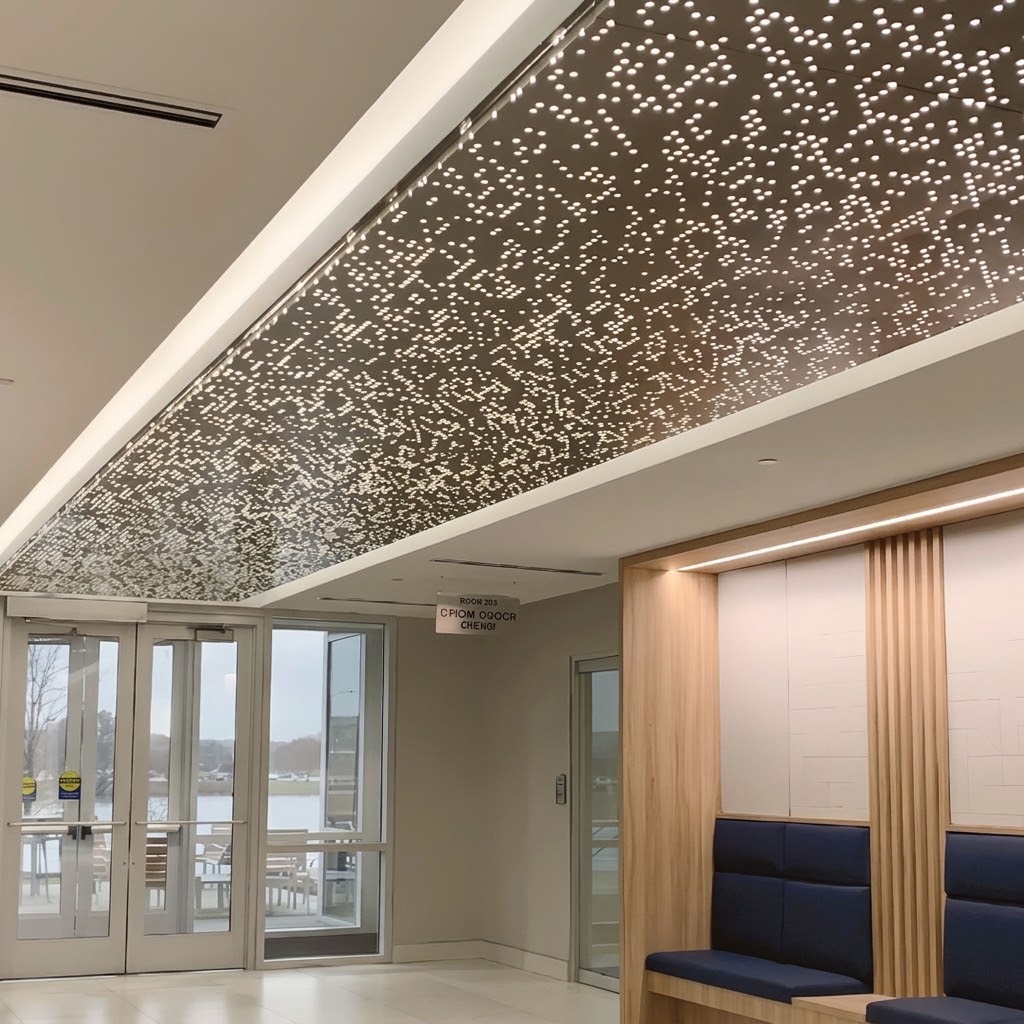
Metal luminous panels are architectural metal panels that combine fabricated metal surfaces with integrated lighting to produce controlled illumination and decorative effects. They are used in commercial buildings, hospitality projects, retail environments, transportation facilities, and architectural signage.
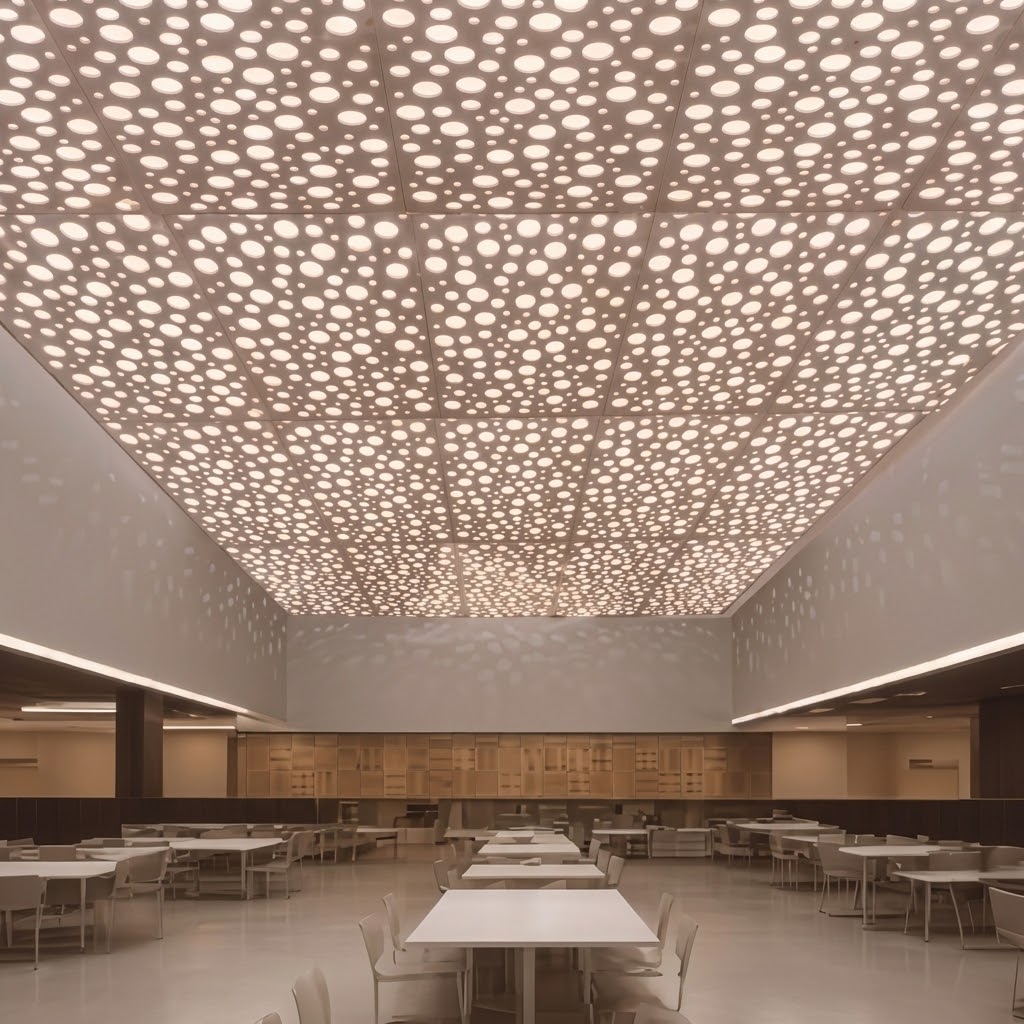
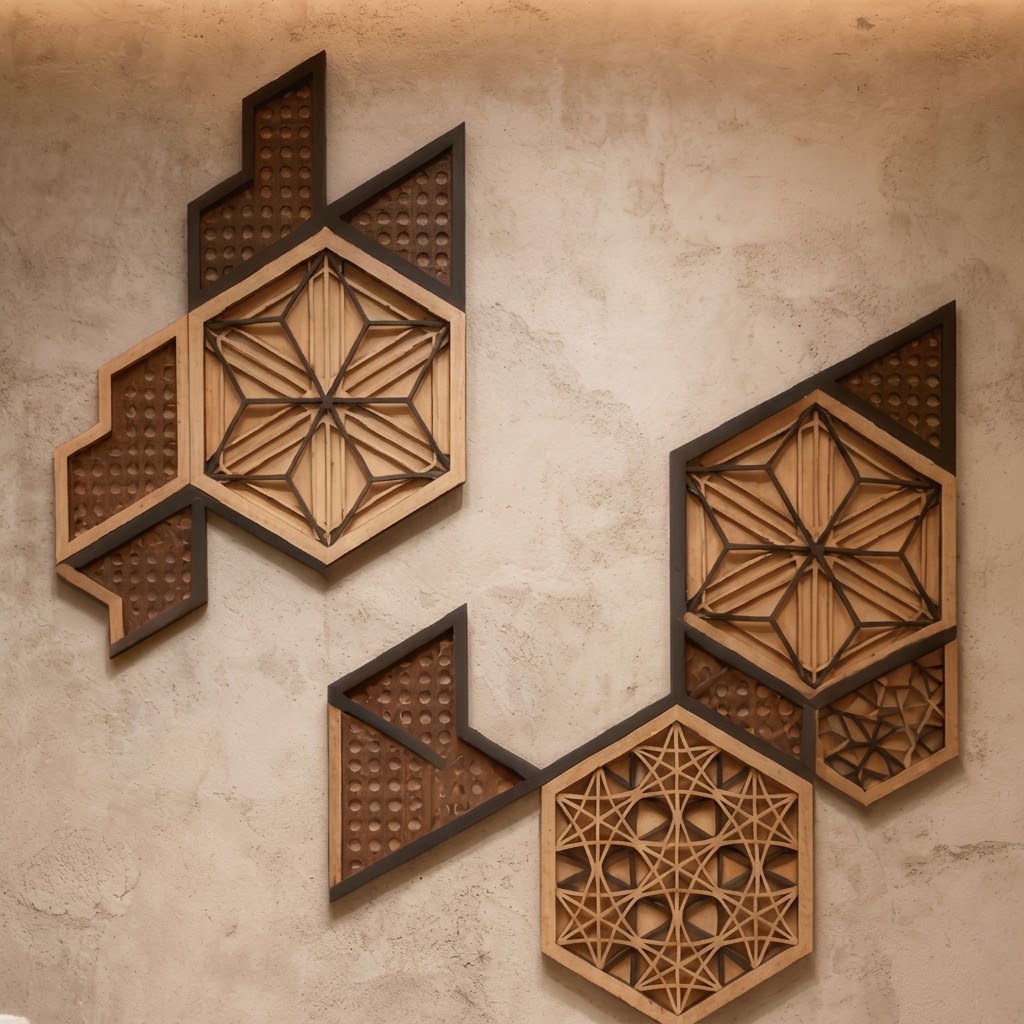
Metal Luminous Panels are defined as custom metal assemblies that combine perforated, punched, or laser-cut aluminum and steel faces with LED lighting systems installed behind the visible surface. Depending on the design, the metal face can diffuse light through openings, create patterned shadows, or provide a defined illuminated appearance.
For architects, interior designers, contractors, and a signage company sourcing custom architectural signage, these panels provide a way to integrate visual identity, lighting, and building materials into a coordinated design.
The main advantages include:
- Design flexibility: Custom perforations, laser-cut motifs, dimensions, and finishes.
- Integrated illumination: LED backlighting creates visual effects across walls, ceilings, and facades.
- Material versatility: Aluminum and optional stainless steel accommodate different project requirements.
- Multifunctional design: Selected perforation patterns can support ventilation, light diffusion, and acoustic design objectives.
- Application flexibility: Configurations can be developed for indoor feature walls, suspended ceilings, and exterior architectural installations.
How Are Metal Luminous Panels Manufactured?
Metal luminous panels are manufactured by combining precision sheet-metal fabrication, surface finishing, structural assembly, and LED integration.
A typical production process includes the following stages:
- Design and engineering: Confirm panel dimensions, installation conditions, lighting effects, perforation patterns, and mounting requirements.
- Material preparation: Select an appropriate aluminum alloy or stainless steel according to the application and environmental exposure.
- Precision fabrication: Use laser cutting, CNC punching, shearing, and bending to produce the specified panel geometry.
- Surface treatment: Apply a suitable finish, such as powder coating, PVDF coating, anodizing, or custom painting.
- LED integration: Install LED backlighting and optical diffusion components to achieve the intended illumination.
- Assembly and inspection: Check panel dimensions, surface quality, lighting consistency, electrical connections, and mounting interfaces before shipment.
Cosun Sign supports custom metal fabrication through laser cutters, CNC punch machines, shears, and bending machines. Its stated factory area is 38,000 m², including a 15,000 m² metal processing and painting workshop.
The final manufacturing sequence depends on the panel design, lighting architecture, finish, and installation method.
What Technical Specifications Should Buyers Evaluate?
Buyers should evaluate the metal substrate, panel geometry, finish, LED configuration, environmental requirements, and mounting system before approving a luminous panel design.
| Specification | Available options or considerations |
|---|---|
| Metal materials | Architectural aluminum alloys; stainless steel options |
| Surface patterns | CNC perforations, laser-cut designs, custom motifs |
| Finishes | Powder coating, PVDF, anodizing, custom paint or printed graphics |
| Lighting | Integrated LED backlighting, optical diffusion, modular LED zones |
| Panel dimensions | Custom sizes based on drawings and installation requirements |
| Mounting | Edge returns, prefabricated frames, project-specific fixing systems |
| Installation environment | Interior walls, ceilings, exterior facades and entrances |
| Maintenance | LED access, component replacement, wiring access and service clearances |
Exact material grades, panel thicknesses, LED power, color temperature, ingress protection, and structural load limits must be confirmed for each project. These values are not specified in the supplied product information and should not be assumed to be standard across all configurations.
For outdoor installations, buyers should also verify corrosion resistance, water management, thermal performance, wind-load requirements, and the suitability of electrical components for the intended environment.
Where Are Illuminated Metal Wall Panels Commonly Used?
Illuminated metal wall panels are commonly used where architectural surfaces need to combine decorative metalwork with integrated lighting.
Typical applications include:
- Hotels and hospitality: Reception walls, lobby features, decorative ceilings, and entrance facades.
- Retail and shopping malls: Storefronts, branded feature walls, commercial entrances, and illuminated architectural details.
- Office buildings: Lobby installations, reception areas, and corporate identity features.
- Transportation facilities: Airports, subway stations, and railway stations requiring durable architectural finishes.
- Exhibition halls and museums: Decorative installations that combine patterned metal surfaces with controlled lighting.
- Commercial developments: Exterior facades and architectural entrance features.
Healthcare projects may also use customized illuminated architectural panels in suitable public areas. However, panels used in clinical environments require additional assessment of cleanability, infection-control requirements, electrical safety, and applicable building codes.
How Should Buyers Select a Reliable Metal Luminous Panels Manufacturer?
Buyers should select a manufacturer based on verified fabrication capabilities, LED integration expertise, material documentation, quality controls, and project-specific engineering support.
A practical evaluation checklist includes:
- Manufacturing capability: Confirm access to laser cutting, CNC punching, bending, and surface-finishing equipment.
- Lighting engineering: Request LED specifications, illumination samples, wiring diagrams, and maintenance details.
- Customization: Check whether the supplier can manufacture non-standard patterns, dimensions, mounting frames, and finishes.
- Environmental suitability: Review corrosion protection, weather resistance, and electrical protection for the installation location.
- Quality documentation: Request material certificates, inspection records, applicable electrical certifications, and coating test reports.
- Installation support: Confirm tolerances, fixing details, wiring access, replacement procedures, and packaging requirements.
Cosun Sign is a custom signage manufacturer that provides metal fabrication and illuminated signage solutions. Its stated manufacturing infrastructure includes a 38,000 m² factory and a 15,000 m² metal processing and painting workshop. The company also reports holding UL and CE certifications and being an authorized distributor of Sloan. Buyers should confirm which certificates, product categories, and components are covered by the relevant documentation before procurement.
For architectural signage projects, applicable standards depend on the installation. In the United States, the 2010 ADA Standards for Accessible Design, Section 703, addresses signage requirements such as tactile characters and Braille for covered applications. This standard does not automatically apply to every decorative luminous panel; it becomes relevant when a project includes regulated accessible signage.
For coating adhesion, ASTM D3359 provides standardized tape-test methods for evaluating the adhesion of paint coatings. Buyers can specify this test where appropriate, while agreeing on the applicable method and acceptance criteria with the manufacturer.
How Do Metal Luminous Panels Compare with Traditional Solutions?
Compared with traditional solutions, metal luminous panels integrate a fabricated architectural surface and a lighting system into one coordinated assembly, while conventional decorative metal panels and separately mounted signs may require independent lighting or additional installation components.
| Comparison factor | Metal luminous panels | Traditional metal panels | Separately mounted illuminated signs |
|---|---|---|---|
| Lighting integration | LED lighting incorporated behind the metal face | Usually no integrated lighting | Lighting incorporated into a separate sign assembly |
| Design flexibility | Custom cutouts, patterns, and finishes | Custom fabrication possible | Primarily designed around sign graphics and lettering |
| Architectural integration | Suitable for coordinated wall, ceiling, and facade designs | Suitable for non-illuminated architectural cladding | Suitable for dedicated identification and branding |
| Maintenance | Requires access to LEDs and electrical components | Primarily structural and surface maintenance | Depends on sign construction and lighting system |
| Design considerations | Metal pattern, light diffusion, heat management, and mounting | Material durability and structural performance | Visibility, graphics, mounting, and electrical access |
The appropriate choice depends on whether the project prioritizes architectural illumination, non-illuminated cladding, or conventional brand identification.
What Factors Affect Metal Luminous Panel Costs?
Metal luminous panel costs depend on material selection, fabrication complexity, lighting requirements, surface treatment, installation details, and order quantity.
The main cost factors are:
- Material and thickness: Aluminum alloy, stainless steel, and specified sheet thickness affect material and processing costs.
- Pattern complexity: Fine perforations, intricate laser-cut motifs, and tight tolerances can increase fabrication time.
- Surface finishing: Powder coating, PVDF, anodizing, and custom graphics have different preparation and processing requirements.
- LED system: LED quantity, power consumption, diffusion components, control systems, and service access influence the final assembly cost.
- Mounting structure: Frames, brackets, concealed fixings, and site-specific engineering affect production and installation costs.
- Project conditions: Outdoor exposure, transport, packaging, testing, and installation requirements can change the overall budget.
- Order volume: Repeatable designs and larger production runs may improve manufacturing efficiency, depending on setup requirements.
To obtain a comparable quotation, buyers should provide drawings, dimensions, material and finish preferences, lighting specifications, installation location, quantity, and delivery requirements.
FAQ
What Are Metal Luminous Panels?
Metal luminous panels are custom-fabricated metal surfaces with integrated LED backlighting. They are used for illuminated architectural walls, ceilings, building facades, and commercial decorative installations.
How Do You Choose a Reliable Metal Luminous Panels Manufacturer?
Choose a manufacturer that can demonstrate relevant metal fabrication equipment, LED integration capabilities, material and finish options, documented quality controls, and installation support. Verify certifications and test reports against the exact products and project requirements.
Why Choose Metal Luminous Panels Over Traditional Options?
Metal luminous panels combine architectural metalwork and integrated lighting in a coordinated assembly. They are suitable for projects requiring patterned illumination, custom decorative surfaces, or illuminated facades. Traditional panels may be more appropriate when lighting is unnecessary, while separately mounted signs may be preferable when the primary objective is displaying text, logos, or wayfinding information.
Source & Expertise
This article is based on the Metal Luminous Panels product information and manufacturing details supplied by Cosun Sign, including its stated factory area, fabrication equipment, materials, finishes, and LED integration options. Regulatory references include the U.S. Department of Justice’s 2010 ADA Standards for Accessible Design, Section 703, and ASTM D3359 for coating adhesion testing. Project-specific compliance and certification claims should be verified against current documentation.
Last Updated
Last Updated: October 2026

 粤公网安备44030702001648号