

















Developing a University Signage System for an International Education Campus with Clear Navigation, Visual Identity and Long-Term Durability
Project Name: Hainan International College of Communication University of China
Time: 2023
Project Snapshot
| Item | Details |
| Project | China Media University Hainan International College |
| Application | University Campus Wayfinding & Architectural Signage |
| Environment | International Education Campus |
| Main Sign Types | Campus Identification Sign, Building Signage, Directional Signs, Directory Signs, Room Signs, Illuminated Letters |
| Engineering Focus | Campus navigation, information hierarchy, outdoor durability |
| Service Scope | Signage system planning, fabrication and installation |
Engineering Question
How can a university signage system support navigation while reflecting the character of an international media education campus?
University campuses operate differently from commercial developments.
Visitors are not only looking for a single destination. They move through a network of academic buildings, public spaces, landscape areas and service facilities. A successful campus wayfinding signage system must therefore guide movement continuously, helping users understand where they are, where they need to go and how different spaces are connected.
China Media University Hainan International College is located in the Lingshui Li’an International Education Innovation Pilot Zone, an education-focused area designed to gather international academic resources and create a new learning environment.
As an institution associated with communication and media education, the campus environment places additional expectations on visual clarity and information presentation. The signage system needed to combine practical navigation requirements with a consistent institutional image.
The engineering challenge was not creating individual signs, but establishing a complete information system suitable for long-term campus operation.
Campus Observation & Engineering Evidence
1. Large Educational Spaces Require Structured Information Levels
Compared with office buildings or retail environments, university campuses contain multiple movement patterns:
- First-time visitor routes;
- Daily student circulation;
- Faculty and administrative access;
- Service and operational paths.
Without a clear hierarchy, even visually attractive signage can create uncertainty.
The signage system was organized into four information levels:
Campus Recognition
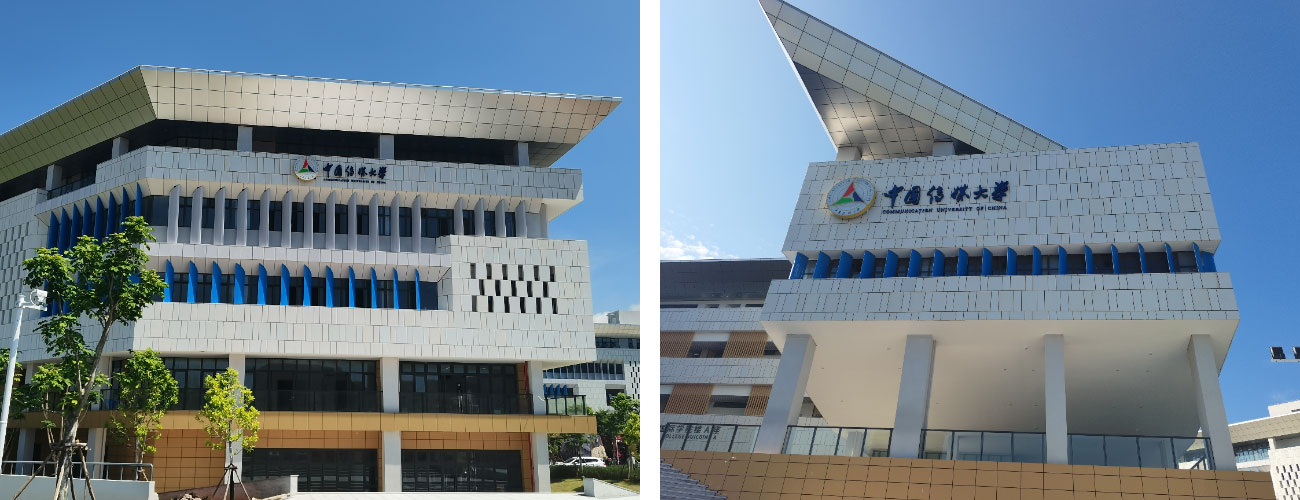
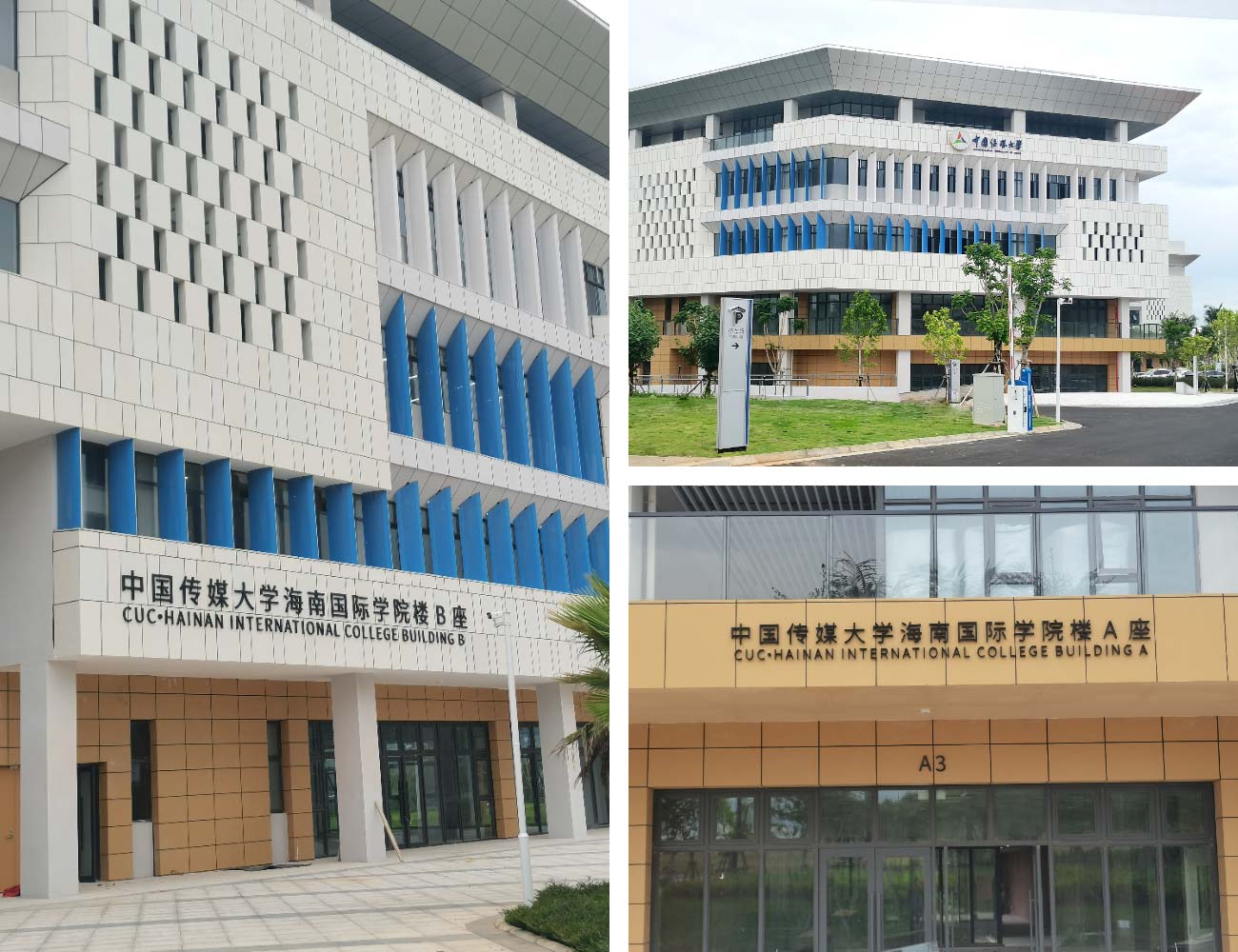
Large-scale entrance identification and architectural signage provide the first visual confirmation of location.
Area Navigation
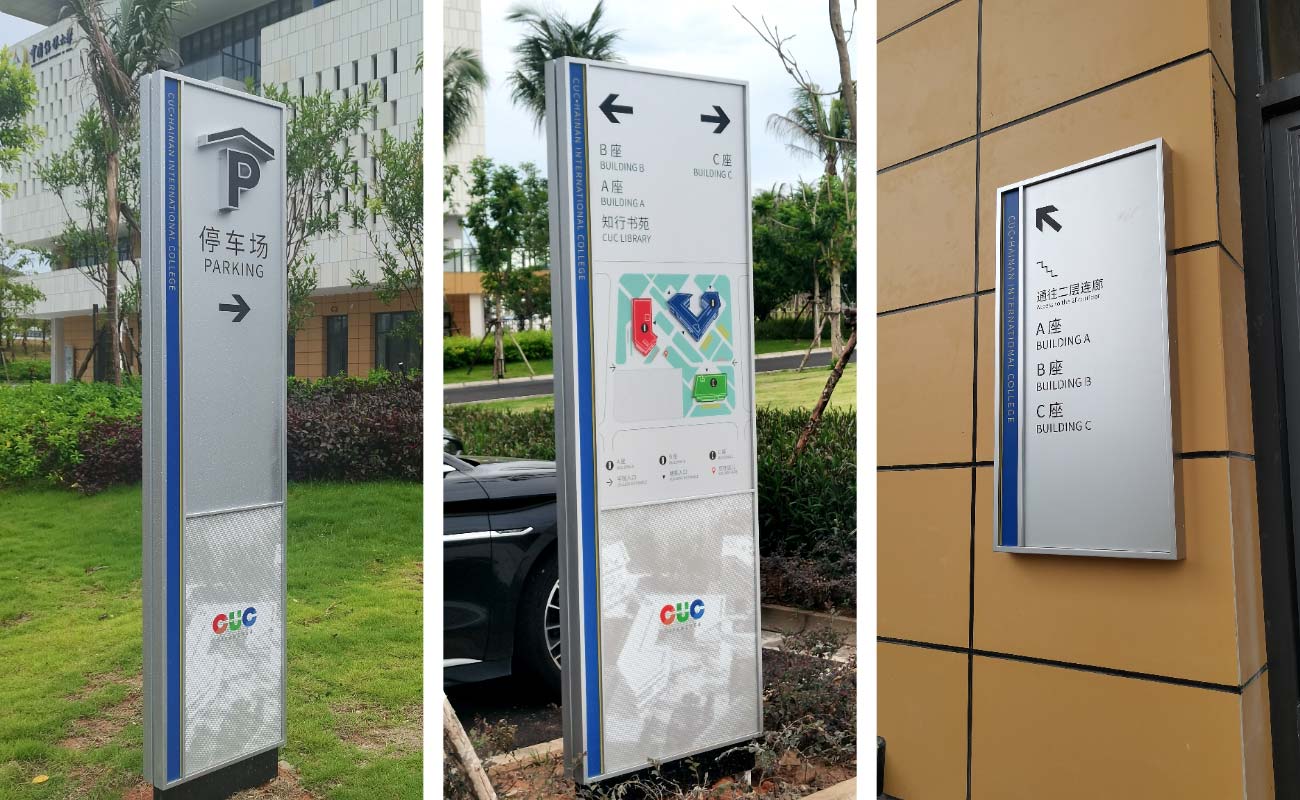
Directional signs guide visitors between different campus zones.
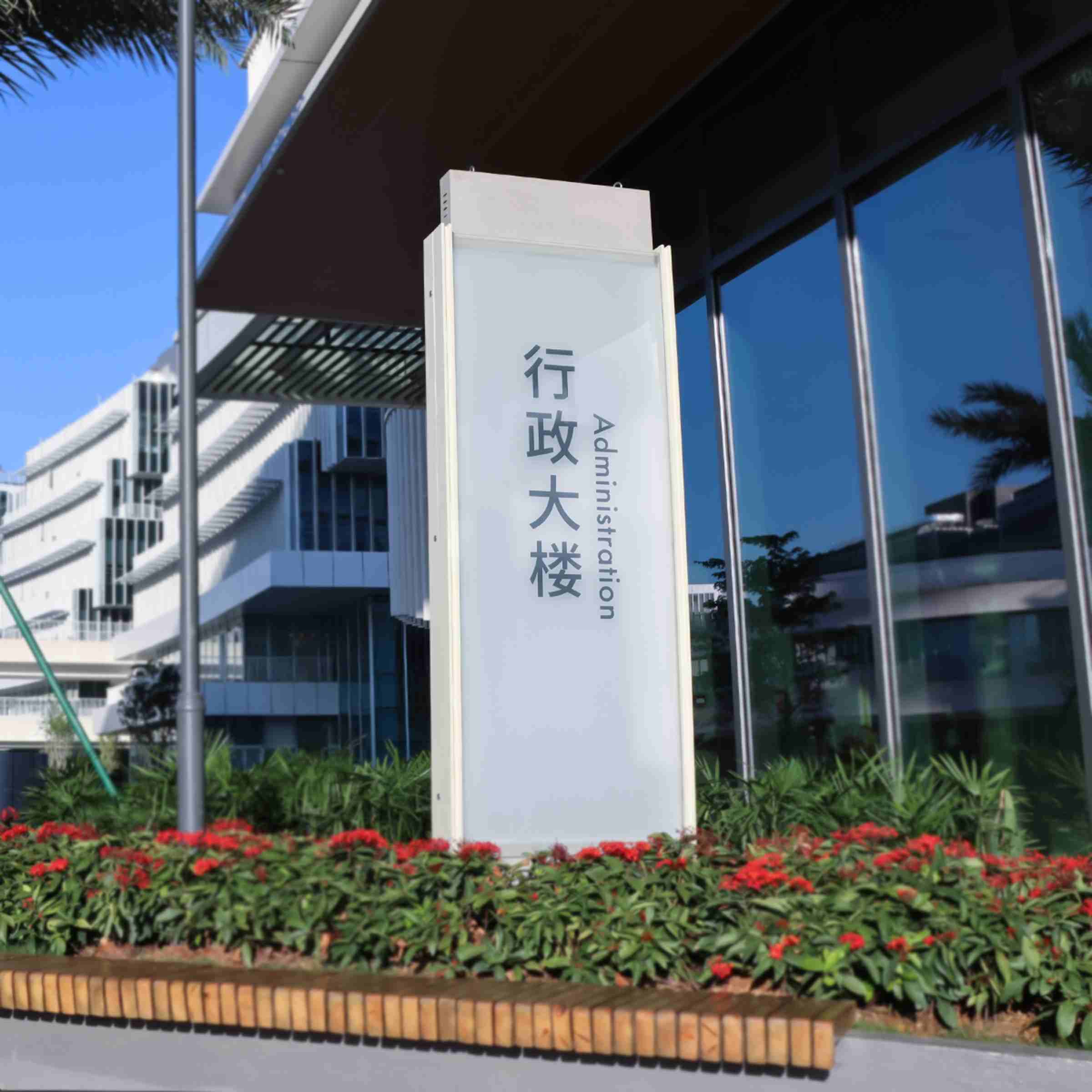
Building Identification
Building signs allow users to confirm destinations after arriving.
Interior Information
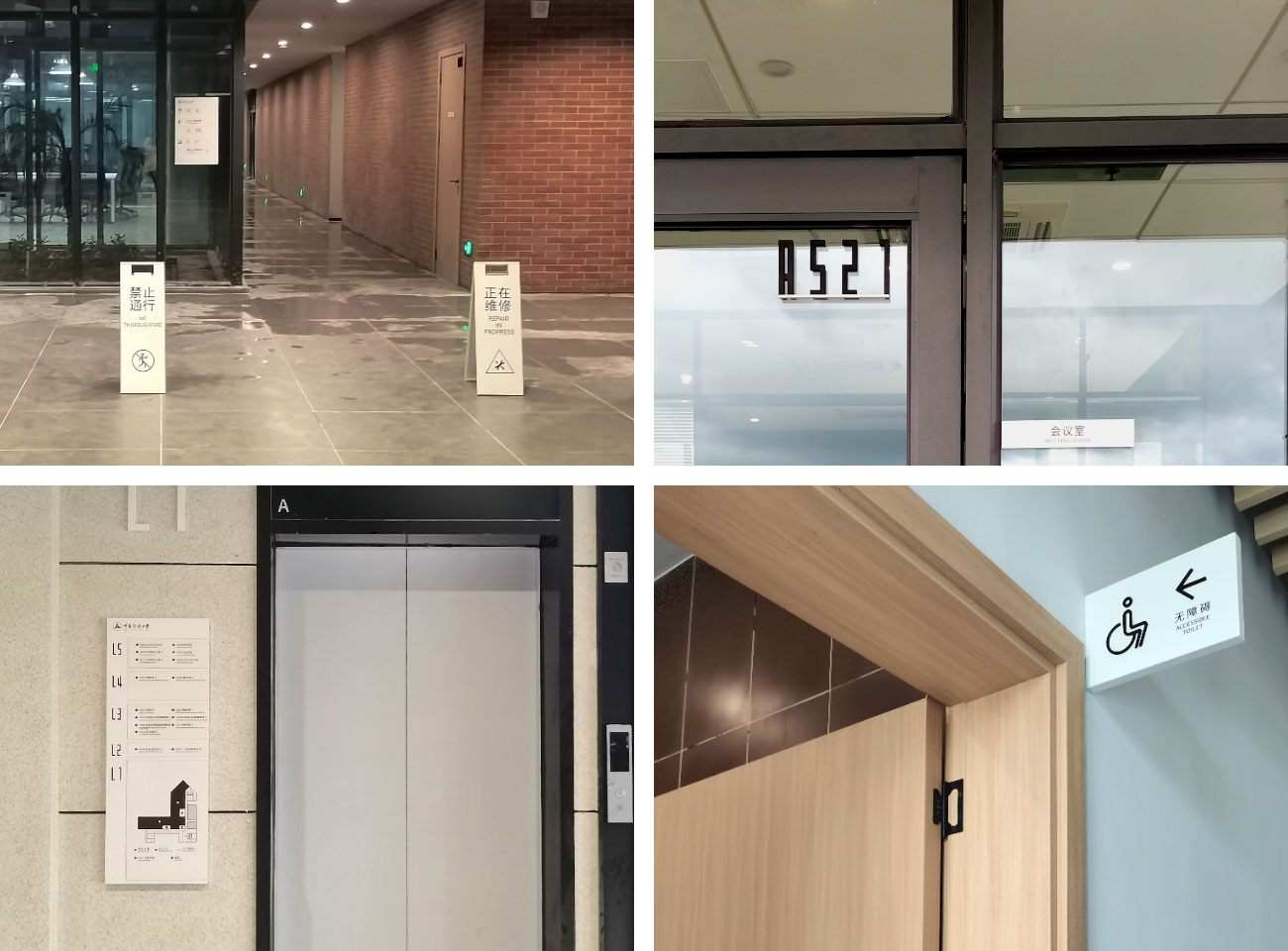
Floor directories and room signs support daily academic activities.
This layered approach reduces information overload and allows users to make decisions step by step.
2. Hainan Coastal Conditions Require Durable Signage Engineering
The project site is located in a coastal climate environment where outdoor signage faces:
- High humidity;
- Strong sunlight exposure;
- Seasonal rainfall;
- Long-term corrosion risks.
For outdoor architectural signage and illuminated letters, appearance alone cannot determine material selection.
The engineering considerations included:
| Observation | Engineering Response |
| Outdoor exposure throughout the year | Weather-resistant materials and protective finishing |
| Night-time campus recognition requirements | Integrated LED illumination solutions |
| Long-term campus operation | Stable structures and accessible maintenance design |
| Future information updates | Modular signage categories |
The focus was to maintain consistent appearance and performance throughout the signage lifecycle.
Engineering Challenges
Challenge 1: Creating Consistency Across Multiple Sign Categories
A university signage system includes hundreds of information points.
If each sign is treated as an independent product, differences in typography, layout and installation methods can weaken the overall campus experience.
The solution was to establish unified standards covering:
- Graphic layout;
- Information hierarchy;
- Material application;
- Installation methods;
- Visual proportion.
This ensured that entrance signs, directional signs and interior identification systems formed one integrated language.
Challenge 2: Balancing Institutional Identity and Functional Readability
For a media-focused university, visual expression is an important part of the campus atmosphere.
However, signage performance depends primarily on:
- Reading distance;
- Information clarity;
- User decision-making speed.
Therefore, the design approach avoided excessive decoration and focused on the relationship between architectural environment and information communication.
The signage became part of the campus infrastructure rather than a standalone visual element.
Engineering Response
Developing an Integrated Campus Signage System
The completed system included multiple categories of educational facility signage, covering outdoor and indoor applications.
Key components included:
- Campus entrance identification;
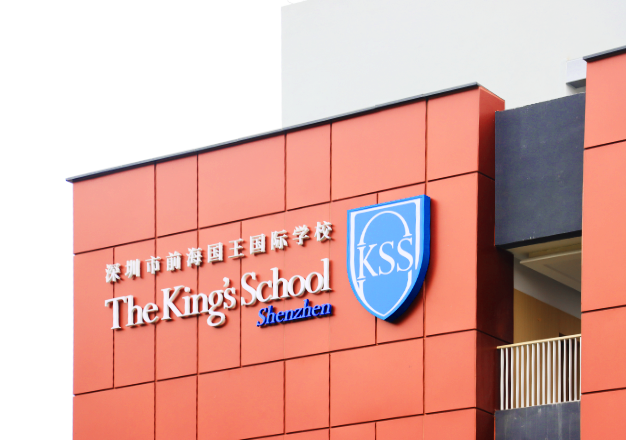
- Building name signs;
- Directional wayfinding signs;
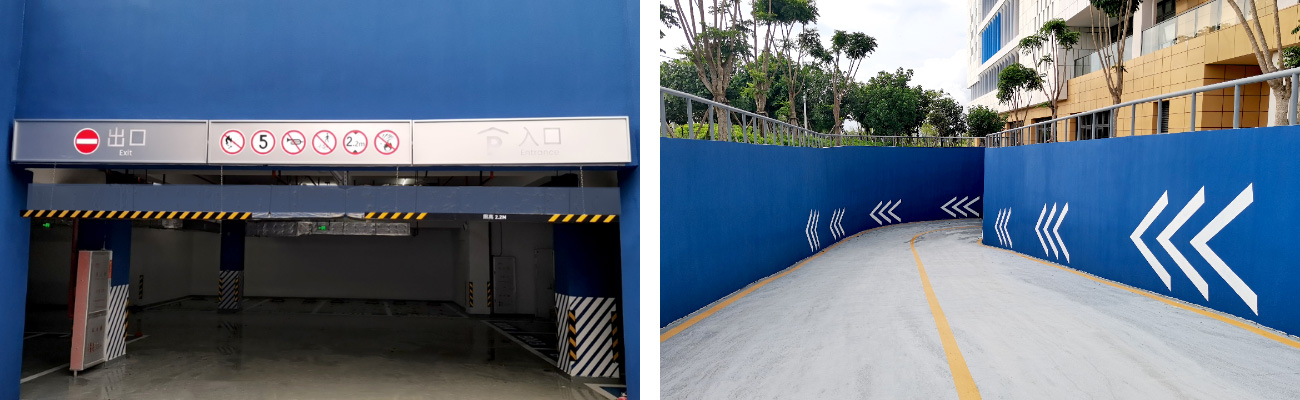
- Parking guidance;
- Floor directory systems;
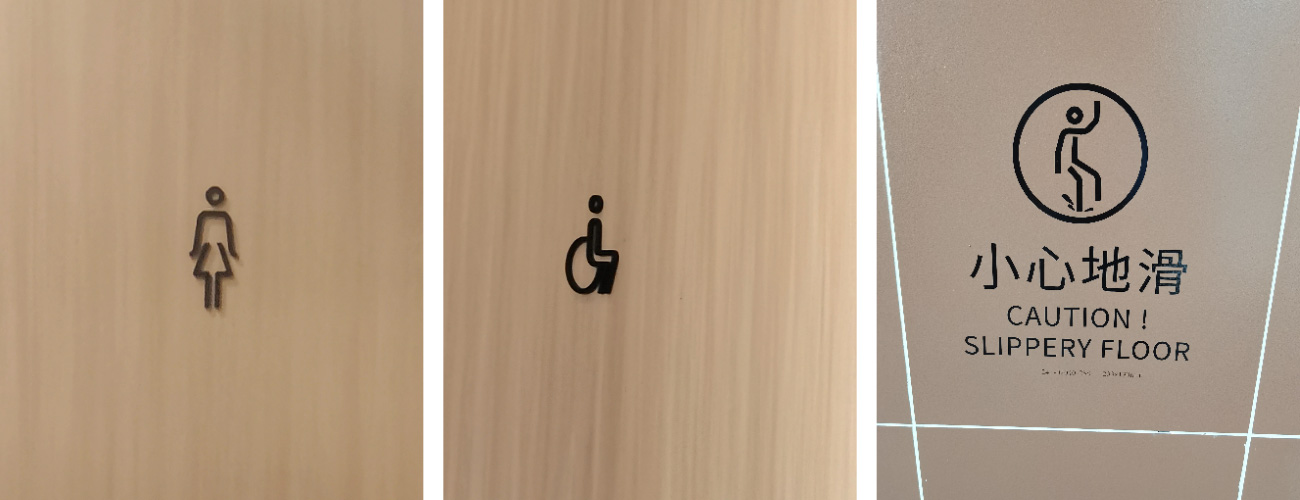
- Room identification signs;
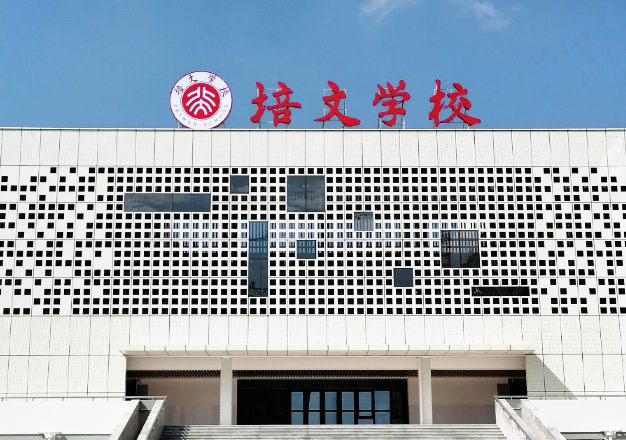
- Illuminated architectural letters.
Each category followed the same engineering principles:
Clear information hierarchy
Important decisions appear earlier in the user journey.
Appropriate viewing distance
Sign scale and typography were determined according to location and movement speed.
Long-term maintainability
Materials, structures and lighting systems were selected with future operation in mind.
Decision Matrix
| Observation | Decision | Engineering Reason | Lifecycle Consideration |
| Large campus circulation network | Create multi-level wayfinding system | Improve visitor orientation efficiency | Supports future campus expansion |
| Coastal outdoor environment | Apply durable materials and protective finishes | Reduce environmental impact | Lower maintenance requirements |
| Need for nighttime identification | Use illuminated letters and lighting systems | Improve visibility after dark | Ensure stable operation |
| Multiple building functions | Standardize signage categories | Maintain visual consistency | Simplify replacement and updates |
Material & Lifecycle Considerations
Campus signage is a long-term facility investment.
Unlike temporary commercial displays, university signage needs to support different generations of students, teachers and visitors.
The engineering approach considered:
Structural Reliability
Outdoor signs require secure mounting systems suitable for long-term environmental exposure.
Surface Performance
Finishing processes must maintain appearance under sunlight and humidity conditions.
Maintenance Accessibility
Lighting components and replaceable information elements should allow practical future servicing.
Adaptability
Educational environments continue to evolve. A structured signage system allows updates without replacing the entire network.
Engineering Outcomes
The China Media University Hainan International College signage system established a clear navigation framework across the campus environment.
The completed solution supported:
- More efficient campus orientation;
- Consistent institutional visual communication;
- Improved visitor experience;
- Durable outdoor signage performance.
The project demonstrates that university signage is not only an identification tool, but also an operational system connecting architecture, users and information.
Engineering Principles
1. Wayfinding Begins with User Movement
A successful campus navigation system follows how people enter, move and make decisions.
2. Signage Performance Depends on Lifecycle Planning
Material selection, structural design and maintenance access directly influence long-term value.
3. Institutional Identity Comes from System Consistency
A university image is created through the relationship between hundreds of information points, not a single landmark sign.
Project Specifications
| Category | Details |
| Project Type | University Campus Signage System |
| Location | Lingshui, Hainan, China |
| Application | Educational Campus Wayfinding |
| Main Systems | Outdoor signage, indoor directory, architectural signage, illuminated letters |
| Engineering Focus | Navigation clarity, environmental durability, system consistency |
| Completion | 2023 |
Frequently Asked Questions
What signage system is suitable for university campuses?
A complete university signage system normally combines campus identification signs, directional wayfinding, building signage, directory systems and room identification signs. The system should be planned according to user movement rather than individual sign production.
Why is wayfinding important in large educational facilities?
Large campuses contain multiple buildings and functional areas. Clear wayfinding reduces visitor confusion, improves accessibility and supports daily campus operation.
How should outdoor campus signs be designed for humid climates?
Outdoor campus signage in humid regions requires consideration of corrosion resistance, waterproof lighting, structural stability and maintenance accessibility.
About COSUN SIGN
COSUN SIGN provides integrated signage engineering services including design development, fabrication and installation for educational, commercial and public environments.
With experience in architectural signage, campus wayfinding signage systems and customized manufacturing, COSUN supports projects requiring coordinated engineering solutions from concept development to final installation.
Looking for University Campus Signage Solutions?
Organizations developing:
- University campus wayfinding signage systems
- Educational facility signage
- Architectural building signs
- Illuminated letter signage
- Custom signage manufacturing solutions
require more than individual signs. A structured engineering approach helps create clear, durable and adaptable environments.





 粤公网安备44030702001648号