













Comprehensive Transit Signage Solutions for Urban Rail Expansion | Case Study
Project Name: Shenzhen Metro Line 3 Phase IV
Time: 2024
Shenzhen Metro Line 3 Phase IV extends the existing metro network from Shuanglong Station to Pingdi Liulian Station, providing a direct rail connection between eastern Longgang and central Shenzhen.
The 9.28 km extension includes seven stations and one depot, improving public transportation access for the rapidly developing Pingdi area.
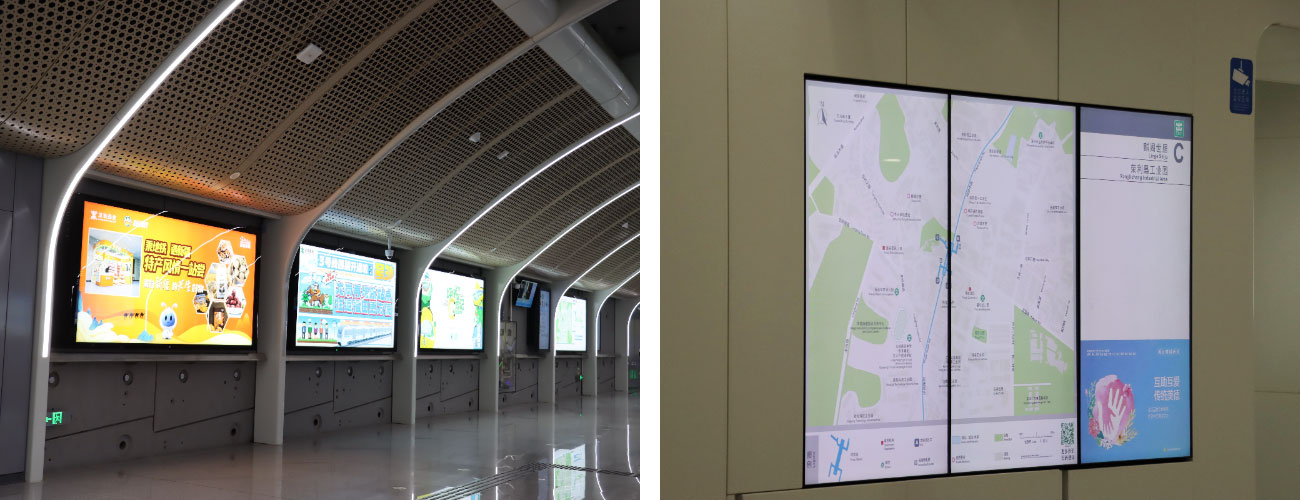
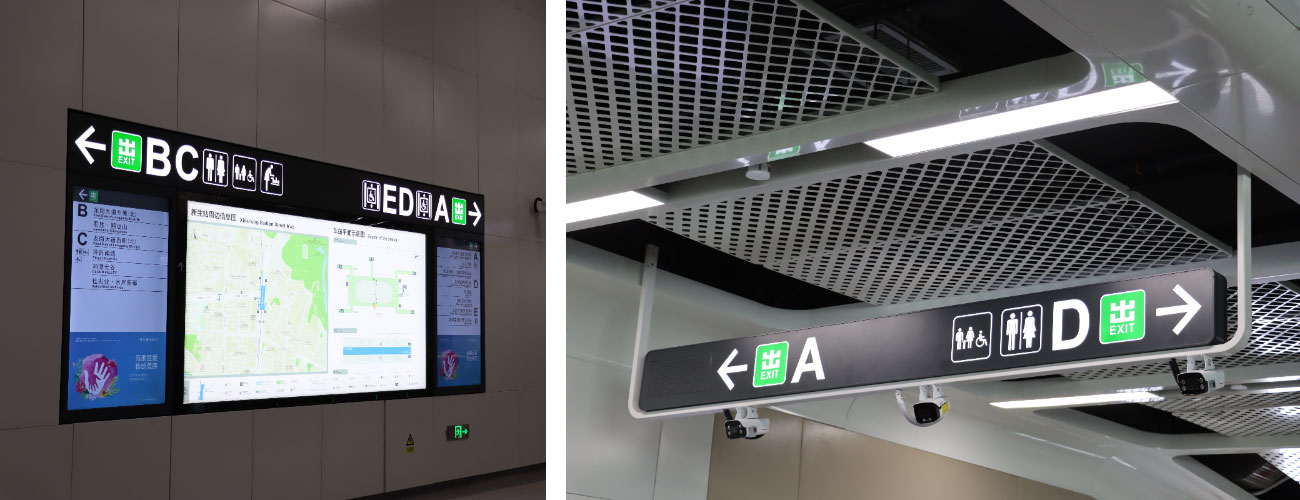
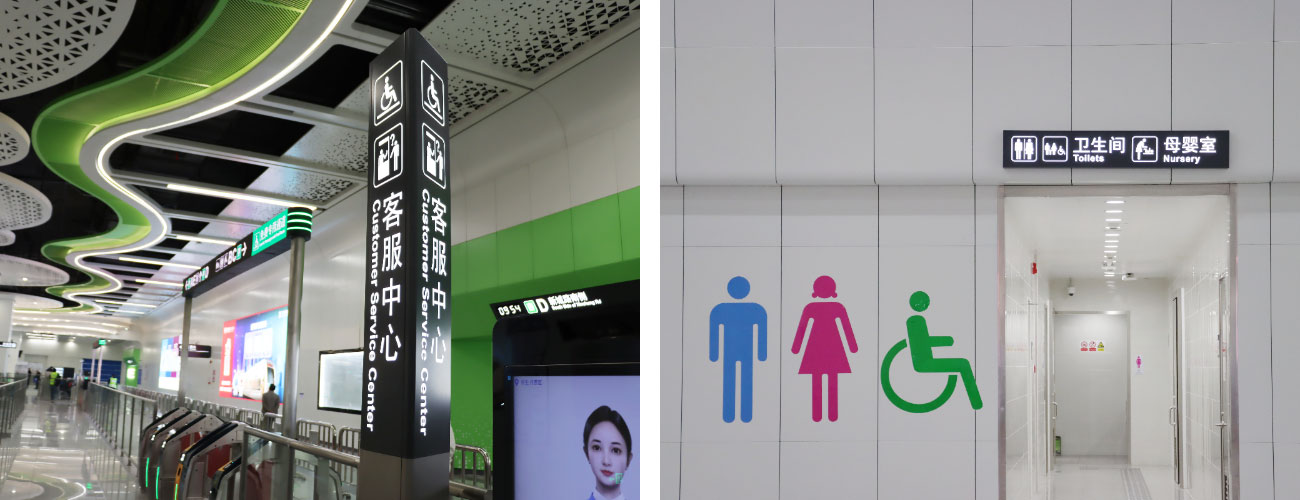
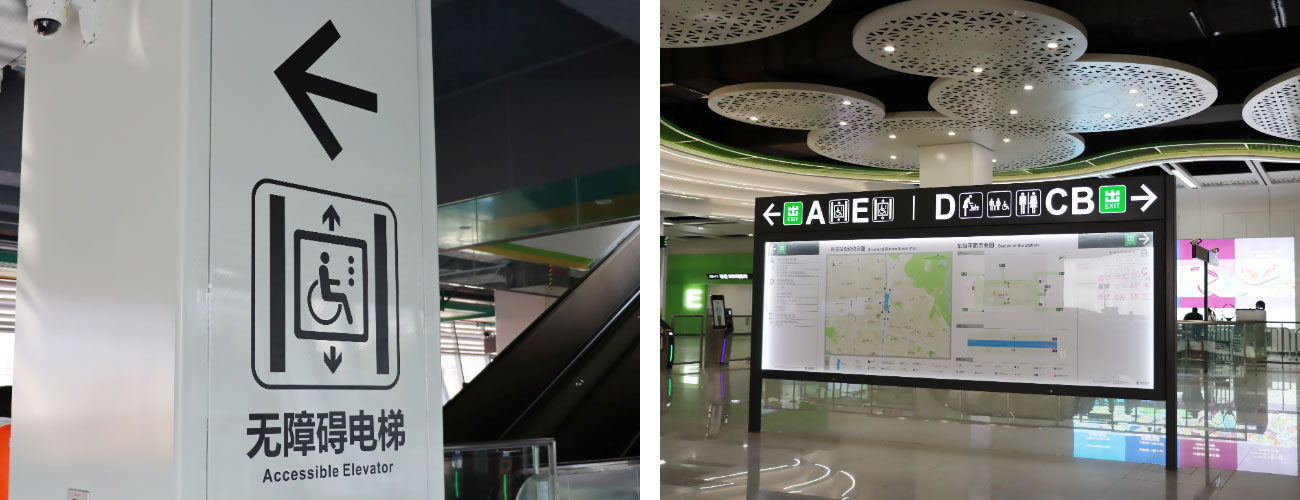
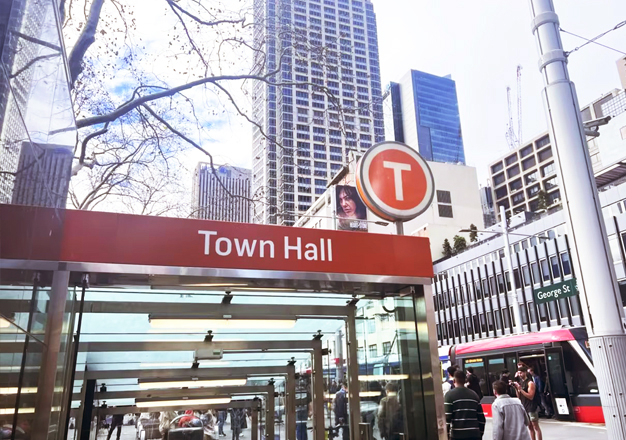
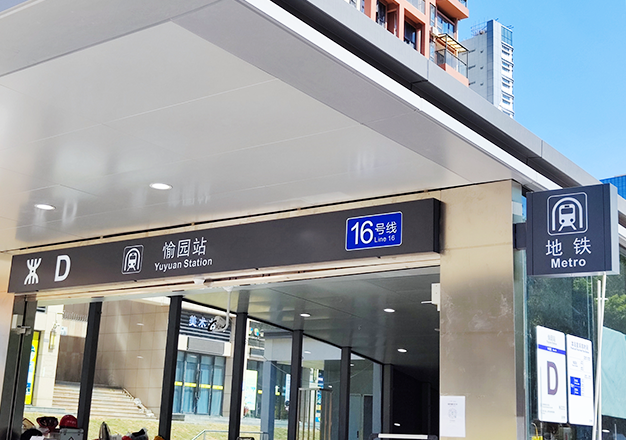
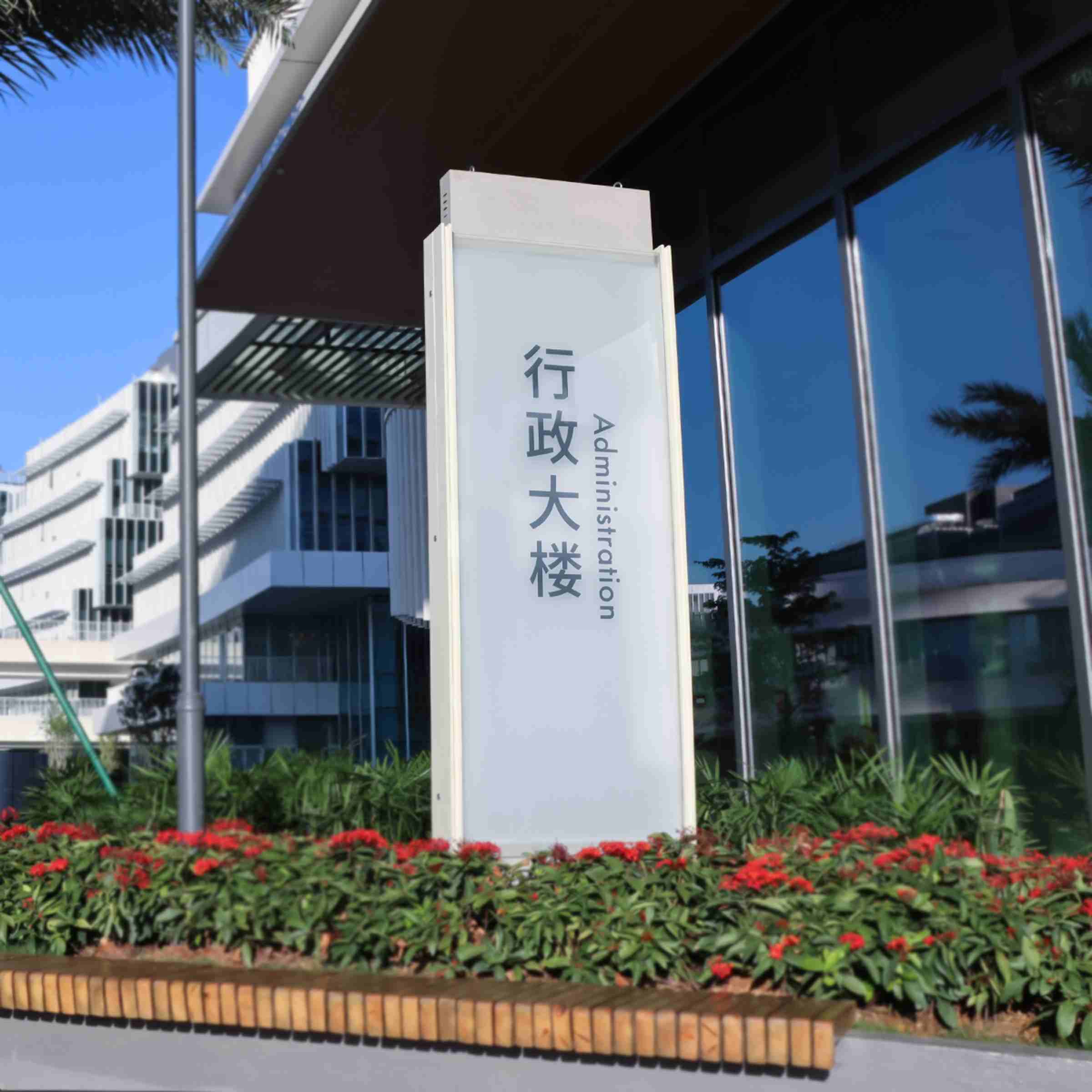
As a professional signage manufacturer, COSUN SIGN delivered the complete metro wayfinding system for the entire extension, including station identification signs, directional signs, accessibility signs, information panels, and illuminated lightboxes.
Project Challenges
The extension includes six underground stations and one elevated station, creating different environmental and operational requirements across the line.
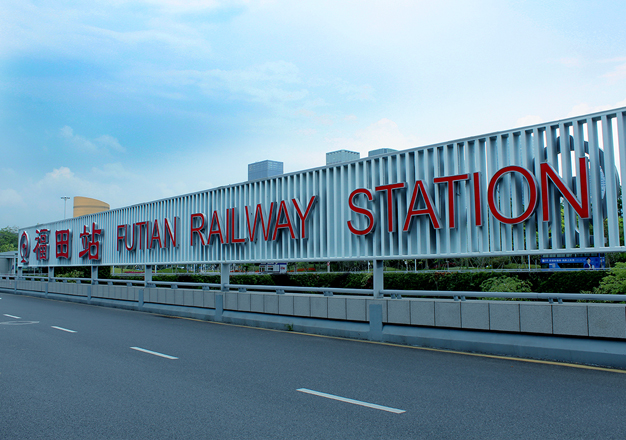
- Elevated stations require long-distance visibility and weather-resistant materials.
- Underground stations require clear information within enclosed environments.
- Passenger circulation changes between entrances, concourses, platforms, and exits.
- Different lighting conditions affect sign visibility and information recognition.
The challenge was to establish a unified transportation wayfinding system that performs consistently across every station while supporting efficient passenger movement.
Wayfinding Strategy
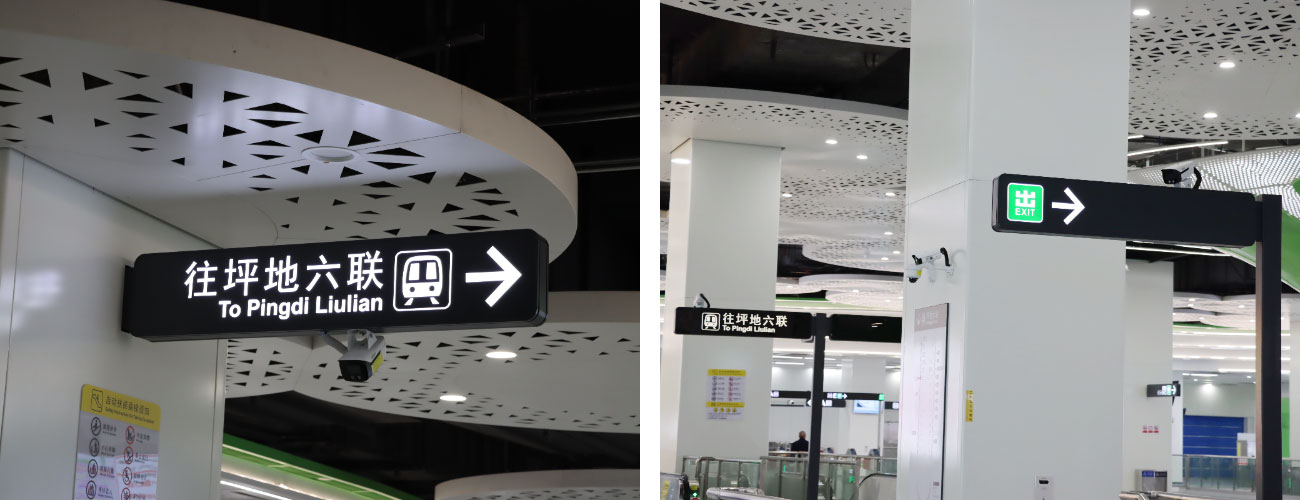
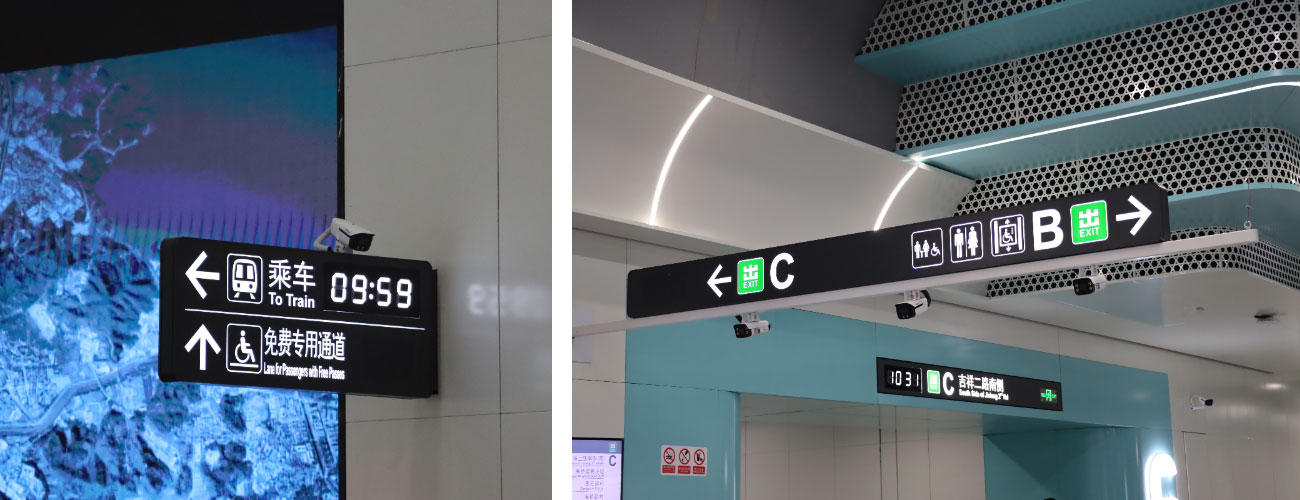
The metro wayfinding system was designed around passenger decision points and circulation routes.
Directional signs are positioned at key locations, including:
- Station entrances
- Ticketing areas
- Concourse spaces
- Platforms
- Transfer routes
- Exits
Large typography, standardized pictograms, and a clear information hierarchy improve readability and reduce wayfinding errors.
Overhead signs provide long-distance visibility within concourse areas, while platform signs prioritize train and station information. Exit signage maintains consistent numbering and orientation throughout the extension.
This approach allows the rail transit signage system to support both daily commuters and first-time passengers.
Manufacturing and Quality Control
As an experienced signage company, COSUN SIGN was responsible for manufacturing, quality control, and project delivery.
All signage products were produced according to metro transportation standards to ensure durability, consistency, and long-term operational performance.
The project demonstrates the capability of COSUN SIGN to deliver large-scale public transportation signage solutions for urban rail transit projects.
What Makes an Effective Metro Wayfinding System?
Effective wayfinding is not measured by the number of signs installed.
A successful metro wayfinding system helps passengers move efficiently from entrance to platform, transfer, and exit with minimal confusion.
As metro networks continue to expand, transportation signage must maintain information consistency, improve passenger flow, and support daily operations across multiple stations.
How can metro wayfinding reduce passenger confusion while improving traffic flow across an entire transit line?

 粤公网安备44030702001648号