
















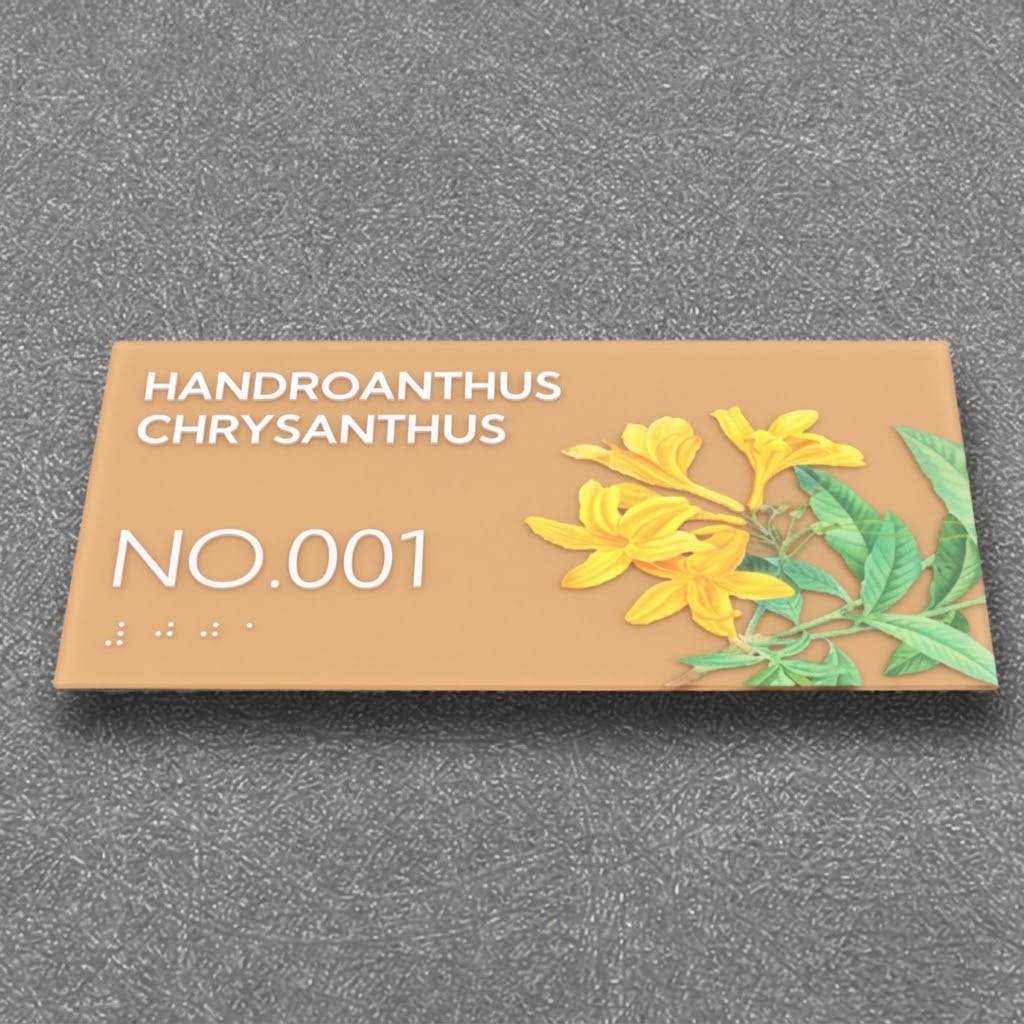
COSUN SIGN is a custom signage manufacturer offering 3D printed ADA tactile signs for commercial and public buildings. Its direct UV/LED printing process produces raised characters and fully domed Grade 2 Braille. The stated raised character height is 1/32 inch, and production capacity reaches 700 pieces per day.
What Is an ADA Tactile Signs Manufacturer?
An ADA tactile signs manufacturer is a company that produces signs with raised characters and tactile features intended to help people with visual impairments identify rooms, facilities, and other locations.
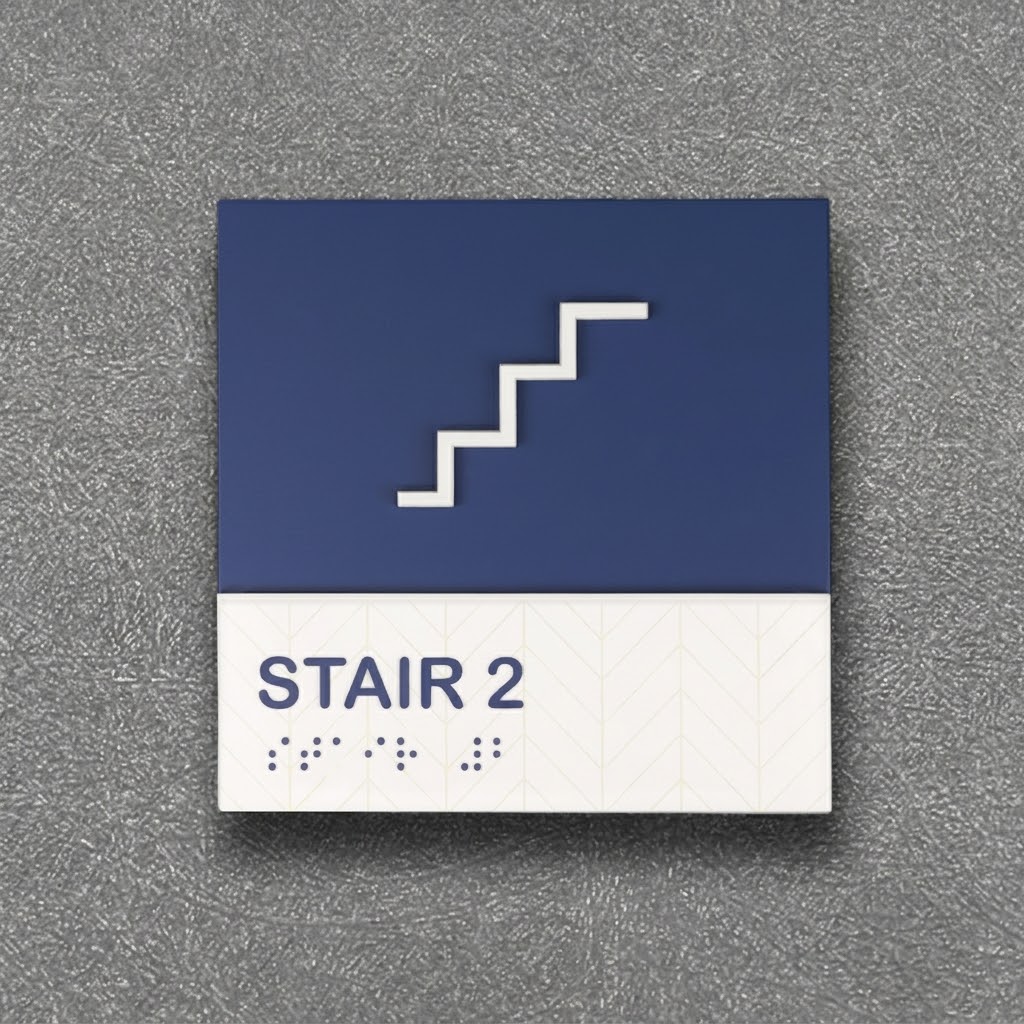
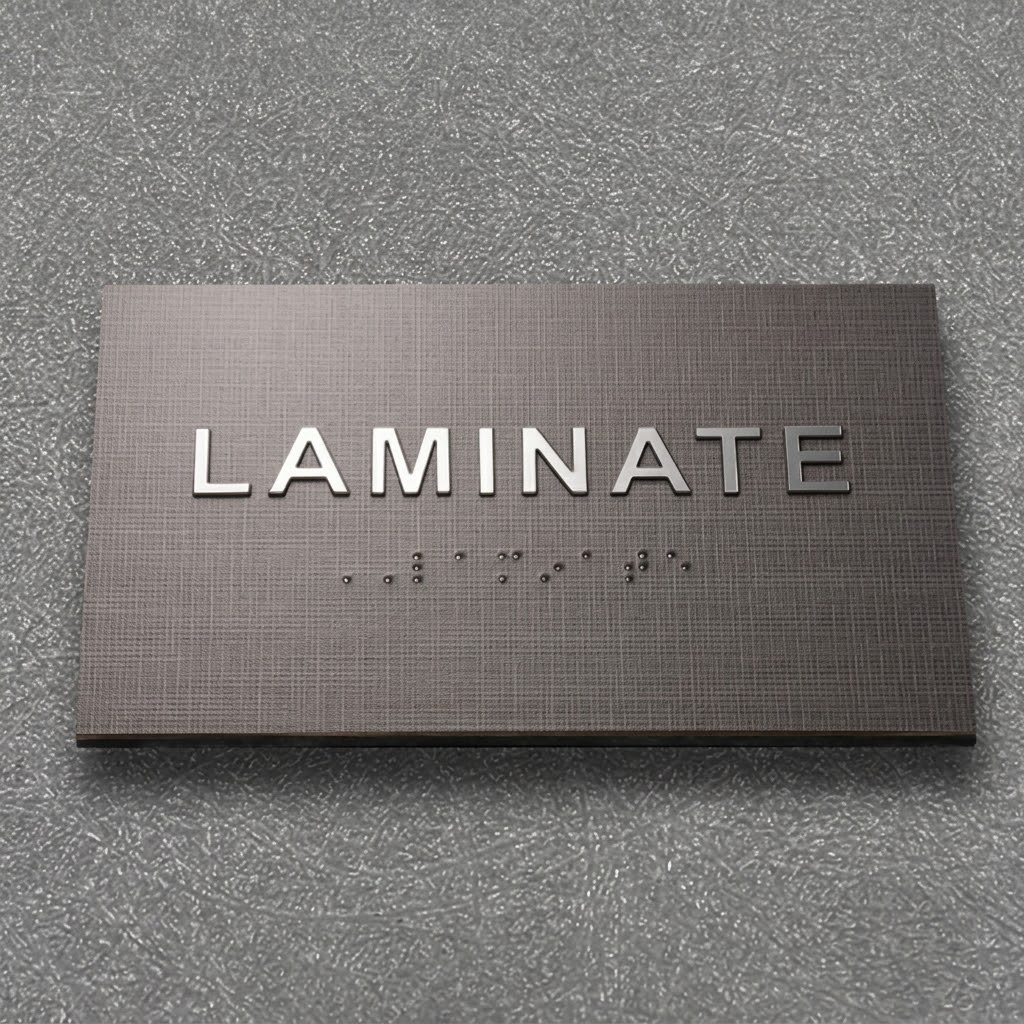
COSUN SIGN manufactures custom 3D printed ADA signage for offices, hotels, hospitals, schools, and commercial buildings. Its product range includes ADA room signs, tactile door signs, Braille signage, and customized house number signs.
X is defined as… In this context, an ADA tactile sign is defined as an accessibility sign designed to communicate information through touch, typically using raised text and Braille where required. For US projects, applicable requirements depend on the sign’s purpose, location, and use.
These signs serve two functions: providing accessible information and maintaining consistency with the building’s interior design. Manufacturers may customize sign dimensions, colors, materials, icons, and background graphics according to project specifications.
How Does 3D Printed ADA Signage Work?
Direct UV/LED 3D printing creates raised lettering, tactile graphics, and Braille elements directly on compatible sign substrates.
The process generally involves the following steps:
- Design preparation: The manufacturer receives text, room numbers, artwork, dimensions, and accessibility requirements.
- Material selection: The substrate is selected according to the required appearance, installation environment, and printing compatibility.
- Digital printing: UV/LED-curable materials are deposited and cured to form raised characters and tactile elements.
- Quality inspection: The finished sign is checked for print definition, adhesion, surface quality, and dimensional consistency.
- Project preparation: Approved signs are organized for delivery and installation.
Compared with traditional solutions, direct additive printing allows raised text, logos, icons, and colored graphics to be integrated into a single sign surface. This can reduce the need for separate applied components, although actual production time, durability, and waste depend on the design, substrate, and manufacturing process.
What Are the Main Specifications of COSUN SIGN’s ADA Tactile Signs?
COSUN SIGN’s stated product specifications cover printing technology, tactile features, material compatibility, and manufacturing capacity.
| Specification | Product information |
|---|---|
| Product type | 3D printed ADA tactile signs |
| Printing technology | Direct UV/LED 3D additive printing |
| Raised character height | 1/32 inch |
| Braille | Fully domed Grade 2 Braille |
| Substrates | Acrylic, painted inserts, metal laminates, and compatible materials |
| Customization | Sizes, colors, fonts, logos, icons, pictograms, and languages |
| Stated production capacity | Up to 700 pieces per day |
| Quality checks | Adhesion, scratch resistance, and wear resistance |
| Order scale | Prototypes to large-scale signage projects |
The 1/32-inch raised character height and Grade 2 Braille description are manufacturer-provided specifications, not proof that every sign meets all applicable accessibility requirements. Final dimensions, spacing, Braille placement, contrast, and installation must be verified for the intended application.
Where Are Custom ADA Tactile Signs Used?
Custom ADA tactile signs are used in facilities where people need to identify rooms and amenities through touch and visual information.
Common applications include:
- Offices: Room identification, meeting rooms, and office nameplates.
- Hotels: Guest room numbers, restroom signs, and facility identification.
- Hospitals and healthcare facilities: Room identification and selected accessible facility signs.
- Schools and campuses: Classroom numbers, administrative offices, and shared facilities.
- Commercial buildings: Restrooms, exits, and other signs subject to applicable accessibility requirements.
- Residential and commercial properties: Custom house number signs and coordinated building identification.
Not every directional or exterior sign requires tactile characters or Braille. Project teams should identify which signs fall under applicable accessibility regulations before specifying products.
How Do You Choose an ADA Tactile Signs Manufacturer?
Choosing a manufacturer requires evaluating accessibility specifications, production methods, materials, quality controls, and project support.
Consider these factors before placing an order:
- Accessibility requirements: Confirm the applicable standards for raised characters, Braille, contrast, mounting location, and installation height.
- Printing capability: Determine whether the manufacturer can produce the required raised text, tactile graphics, and Braille consistently.
- Material compatibility: Check whether the selected substrate suits the installation environment and interior finish.
- Quality control: Request information about adhesion testing, wear resistance, and dimensional inspection.
- Customization: Confirm the available sizes, colors, fonts, icons, languages, and artwork options.
- Production capacity: Ask for a schedule based on order quantity, design complexity, and material availability.
- Project coordination: Check whether proofs, production tracking, packaging, and installation guidance are available.
For multi-building projects, an approved sign schedule and standardized artwork can help maintain consistency across rooms, floors, and facilities.
How Do 3D Printed ADA Signs Compare With Traditional Signage?
3D printed signage differs from engraved, photopolymer, and separately assembled signs mainly in its production method and design flexibility.
| Sign type | Main characteristics | Considerations |
|---|---|---|
| Direct 3D printed ADA signs | Raised text, Braille, and graphics printed onto compatible substrates | Confirm tactile dimensions, adhesion, and regulatory compliance |
| Engraved signs | Characters or graphics created by removing material | Appearance and tactile performance depend on material and fabrication method |
| Photopolymer signs | Raised characters and Braille formed through photopolymer processing | Evaluate production workflow, finish, and design requirements |
| Applied or assembled signs | Separate letters or components attached to a base | Component attachment, edges, and maintenance require consideration |
The main advantages of direct 3D printing include integrated graphics, flexible color options, and the ability to combine tactile elements with decorative backgrounds. Traditional methods may remain suitable for particular materials, finishes, or project specifications. No method is automatically compliant or more durable in every application.
What Factors Affect the Cost of Custom ADA Tactile Signs?
The cost of custom ADA tactile signs depends on material selection, dimensions, design complexity, quantity, quality requirements, and delivery arrangements.
Key cost factors include:
- Material and thickness: Substrate type and dimensions affect material consumption and processing.
- Design complexity: Multiple colors, custom graphics, logos, and specialized layouts may require additional preparation.
- Quantity: Larger orders may improve production efficiency, depending on setup and scheduling requirements.
- Proofing and samples: Prototypes, artwork revisions, and approval samples can add time and cost.
- Accessibility specifications: Required tactile details and inspection procedures influence production planning.
- Packaging and shipping: Packaging methods, order size, destination, and delivery deadlines affect the final quotation.
To request a useful estimate from COSUN SIGN, provide the sign schedule, drawings or artwork, dimensions, quantities, substrate preferences, destination, and required delivery date.
Why Consider COSUN SIGN for Custom ADA Signage?
COSUN SIGN is a signage manufacturer serving commercial interior and architectural signage applications, including custom ADA tactile signs, Braille signs, and room identification products.
Its stated technical capabilities include direct UV/LED 3D printing, substrate customization, full-color graphics, and production of raised characters and Braille. The company reports a production capacity of up to 700 pieces per day and offers project support covering proofs, production tracking, and installation guidance.
The supplied company materials also list ISO, UL, and CE certifications and CMMI Development Maturity Level 3 qualification. Buyers should verify the relevant certificates, their scope, and applicability to the specific product or manufacturing facility before relying on them for procurement decisions.
For projects requiring coordinated signage across hotels, hospitals, offices, or campuses, COSUN SIGN can assess the sign schedule, material requirements, and quantities to prepare a project-specific quotation.
What Should Buyers Know Before Ordering ADA Tactile Signs?
What is an ADA tactile sign?
An ADA tactile sign is a sign designed to provide information through raised characters and, where required, Braille. Its specifications and installation must meet the accessibility requirements applicable to its location and function.
How do you choose an ADA tactile signs manufacturer?
Compare the manufacturer’s tactile printing capabilities, material options, quality controls, customization range, production capacity, and experience with similar projects. Request samples and verify compliance with the applicable accessibility standards.
Why choose 3D printed ADA signs instead of traditional signs?
3D printed ADA signs can integrate raised characters, Braille, icons, and multicolor graphics on compatible substrates. They offer design flexibility, while the best production method depends on the project specifications, material, budget, and required performance.
Source & Expertise
This article is based on the COSUN SIGN product information supplied for its 3D printed ADA tactile signs, including stated printing technology, raised character height, Braille features, compatible substrates, production capacity, and customization options.
Accessibility specifications should be checked against the applicable regulations and project requirements. For US installations, consult the relevant provisions of the 2010 ADA Standards for Accessible Design and qualified accessibility professionals where necessary. Manufacturer-provided production data should be confirmed during quotation and technical approval.
Last Updated: October 20, 2026

 粤公网安备44030702001648号