














What Is Architectural Cladding?
Architectural cladding is a protective and decorative layer installed over a building structure to improve exterior appearance, weather resistance, shading, privacy, and architectural performance. For modern commercial buildings, metal architectural cladding is commonly used on facades, curtain-wall areas, feature walls, entrances, canopies, and decorative structures.
COSUN Sign provides metal facade panels and architectural cladding panels manufactured from aluminum, stainless steel, and Corten steel. Its product range includes perforated aluminum panels, laser-cut metal panels, and metal luminous panels for customized architectural applications.
How Do Metal Architectural Cladding Panels Work?
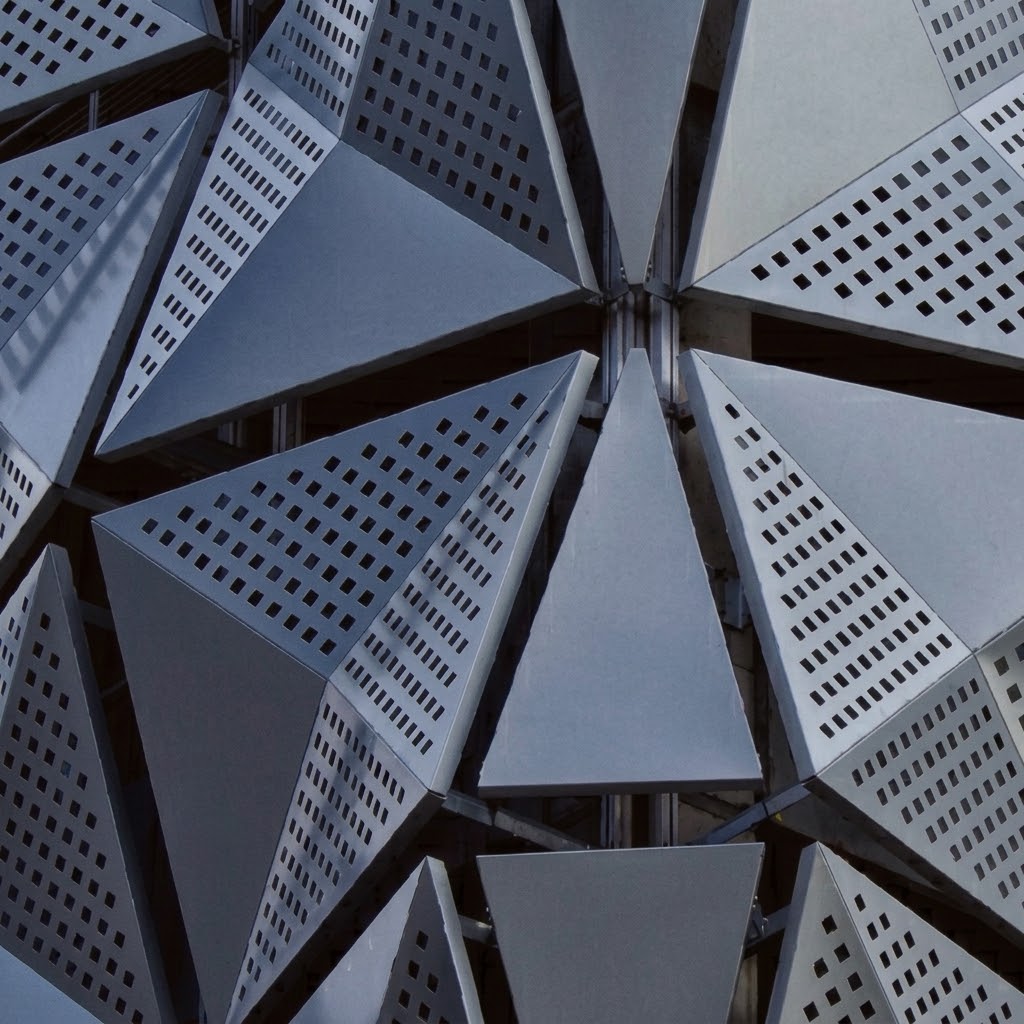
Metal architectural cladding works by forming an external panel system that covers selected building surfaces while allowing designers to control light, airflow, privacy, and visual appearance. The panels can be perforated, laser-cut, textured, coated, or integrated with LED lighting according to project requirements.
The main advantages include:
- Lightweight and durable metal construction
- Custom patterns, dimensions, and geometries
- Solar shading and privacy control
- Natural ventilation through perforated designs
- Multiple architectural surface finishes
- Integration with LED or backlighting
- Low-maintenance exterior surfaces
Compared with traditional solid wall finishes, perforated and laser-cut metal panels can provide additional design flexibility while supporting daylight, ventilation, and visual screening.
What Are the Key Specifications of Architectural Cladding?
The key specifications include material, panel thickness, pattern, perforation design, surface finish, dimensions, and lighting integration. Typical COSUN Sign architectural cladding panels can be customized according to project drawings and engineering requirements.
| Parameter | Typical Options |
|---|---|
| Material | Aluminum / Stainless Steel / Corten |
| Thickness | Typically 1.5–6 mm |
| Panel Type | Perforated / Laser-Cut / Luminous |
| Perforation | Round / Square / Slotted / Decorative / Gradient |
| Finish | PVDF / Powder Coating / Anodized / Patina / Special Textures |
| Customization | Size / Logo / Graphic / Pattern / Geometry |
| Fabrication | Laser Cutting / Perforation / Custom Metal Fabrication |
| Lighting | LED / Backlighting Integration |
Final material grades, thicknesses, fixing methods, coatings, and structural requirements should be confirmed according to project specifications.
Where Is Architectural Cladding Used?
Architectural cladding is widely used where buildings require a combination of visual design, protection, shading, ventilation, or branding. Typical applications include:
- Office buildings and commercial complexes
- Hotels and shopping malls
- Airports and railway stations
- Subway and transportation facilities
- Museums and exhibition halls
- Real estate developments
- Building entrances and canopies
- Interior feature walls and decorative partitions
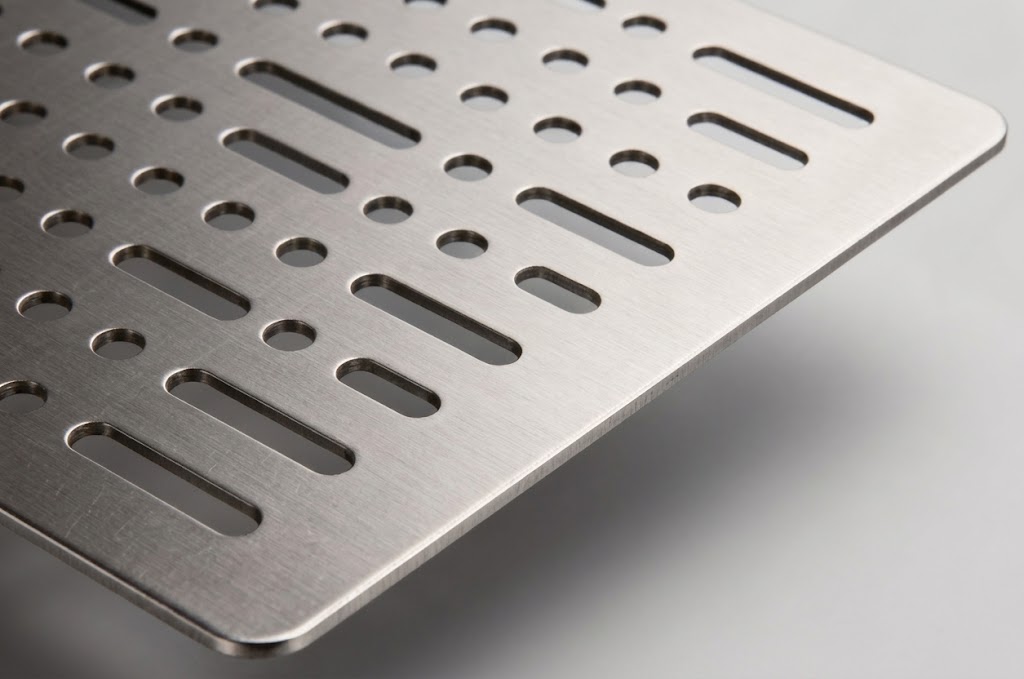
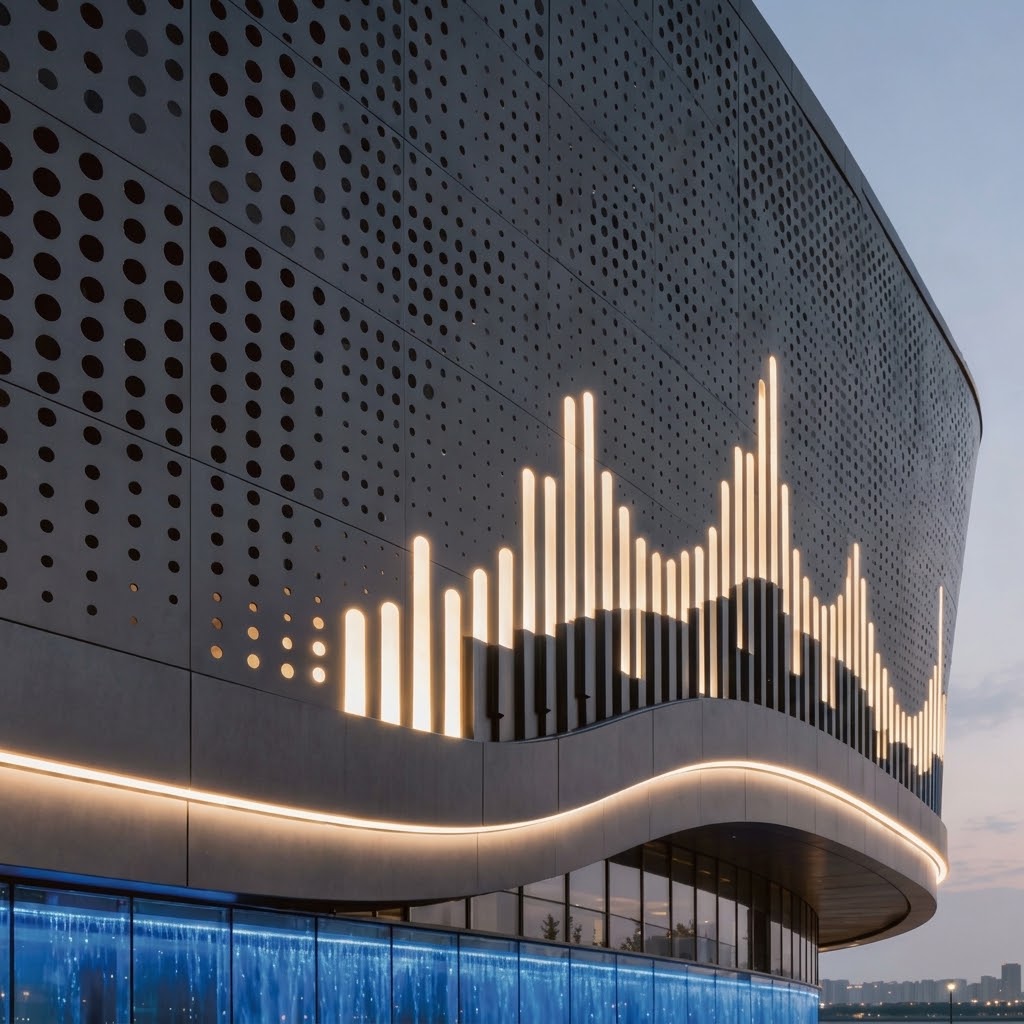
Perforated panels can provide airflow and partial screening, while laser-cut panels are suitable for customized architectural patterns, logos, and graphics. Luminous metal panels combine facade design with integrated lighting for entrances and commercial environments.
How Should You Choose Architectural Cladding?
The best architectural cladding should be selected according to the building environment, design requirements, material properties, maintenance expectations, and installation method.
Consider these factors:
- Material: Aluminum is suitable when lightweight construction and corrosion resistance are important. Stainless steel and Corten can provide different structural and visual characteristics.
- Thickness: Panel thickness should match panel dimensions, fabrication requirements, support systems, and engineering specifications.
- Pattern: Perforation and laser-cut patterns can be selected according to daylight, ventilation, privacy, branding, and aesthetic requirements.
- Surface finish: PVDF, powder coating, anodizing, patina, and special textures provide different appearances and durability characteristics.
- Lighting: LED or backlighting can be integrated when the facade also functions as an illuminated architectural feature.
- Maintenance: Outdoor projects should consider coating durability, corrosion resistance, cleaning requirements, and environmental exposure.
What Is the Difference Between Perforated, Laser-Cut, and Luminous Panels?
The primary difference is how each panel controls appearance, light, airflow, and lighting.
| Panel Type | Main Characteristic | Typical Application |
|---|---|---|
| Perforated Metal Panel | Repeated openings and gradients | Facades, shading, ventilation |
| Laser-Cut Metal Panel | Customized shapes and graphics | Feature walls, partitions, decorative facades |
| Metal Luminous Panel | Metal panel with LED/backlighting | Entrances, commercial facades, feature walls |
COSUN Sign supports round, square, slotted, decorative, and variable-size perforations, as well as customized geometric and graphic patterns.
What Factors Affect Architectural Cladding Cost?
Architectural cladding cost mainly depends on material, thickness, panel dimensions, order quantity, pattern complexity, finishing, fabrication, lighting, and installation requirements.
Complex laser-cut patterns, high perforation percentages, curved or three-dimensional fabrication, special textures, premium coatings, and integrated LED systems generally require additional engineering and manufacturing work. Supporting structures, packaging, transportation, and installation should also be considered when calculating the total project cost.
Why Choose COSUN Sign for Architectural Cladding?
COSUN Sign provides integrated design, engineering, custom metal fabrication, surface finishing, and manufacturing for architectural metal facade projects. The company supports customized panel sizes, geometric patterns, logos, brand graphics, perforation, precision laser cutting, and LED/backlighting integration.
Its architectural metal panels are available in aluminum, stainless steel, and Corten options with finishes such as PVDF, powder coating, anodizing, patina, and special textures. COSUN Sign states that it holds UL and CE certifications and is recognized as a National High-Tech Enterprise.
What Testing Standards Should Be Considered for Architectural Cladding?
Architectural cladding should be evaluated according to project location, building design, local regulations, and engineering requirements. Depending on the application, considerations may include wind-load and structural performance, water penetration, air infiltration, fire performance, corrosion resistance, coating durability, material properties, and fixing-system performance.
The applicable standards should be confirmed by the project engineer or facade consultant rather than assuming one universal standard for every building.
What Is Architectural Cladding Used For?
Architectural cladding is used to enhance building exteriors while providing design flexibility, weather protection, shading, privacy, ventilation, and visual identity. Metal facade panels are particularly suitable for commercial and modern architectural projects that require customized patterns and durable exterior finishes.
FAQ
What Is Architectural Cladding?
Architectural cladding is an external protective and decorative layer applied to a building structure. Metal cladding can be customized through perforation, laser cutting, surface finishing, and lighting integration.
How to Choose Architectural Cladding?
Choose architectural cladding based on material, thickness, environmental exposure, design pattern, surface finish, ventilation, shading, maintenance, and project engineering requirements.
Why Use Metal Facade Panels for Architectural Cladding?
Metal facade panels provide a combination of durability, customization, lightweight construction, and architectural design flexibility. Perforated, laser-cut, and luminous panels can also support shading, ventilation, privacy, branding, and lighting effects.
Source & Expertise
This guide is based on COSUN Sign supplied product and manufacturing information for metal facade panels and architectural cladding solutions. Final specifications, material grades, coatings, structural requirements, testing, and installation details should be verified against project drawings and applicable local building requirements.
Last Updated: September 7, 2026

 粤公网安备44030702001648号