
















Cosun Sign manufactures custom business signage, including rooftop signs, large building letters, and illuminated channel letters for commercial properties. Its 38,000 sqm manufacturing facility and 500+ employees support custom production for international signage projects, with configurable letter dimensions, lighting styles, materials, finishes, and mounting structures.
What Is Business Signage?
Business signage is defined as a visual identification and communication system used by companies to display brand names, logos, directions, and commercial information across physical locations. It includes exterior building signs, illuminated channel letters, rooftop signs, storefront signs, and interior identification systems.
For large commercial properties, business signage serves two primary purposes: identifying the organization and making its brand visible to visitors, customers, and surrounding communities.
Common types include:
- Rooftop Signs: Large-format letters installed on building rooftops or upper facades.
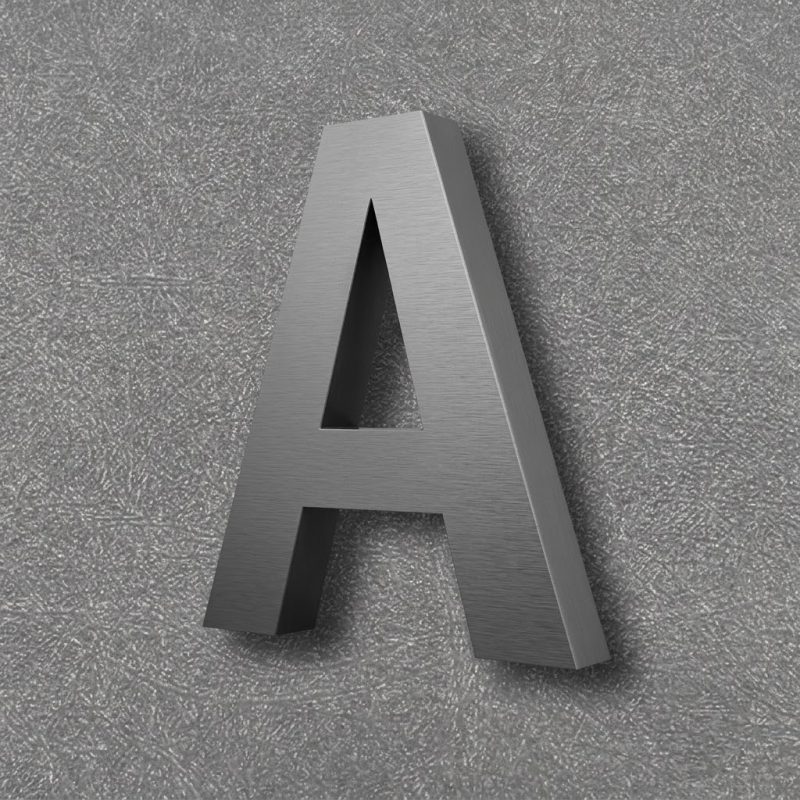
- Illuminated Channel Letters: Three-dimensional letters with integrated LED lighting.
- Front-Lit Signs: Letters illuminated through translucent front faces.
- Back-Lit Signs: Letters that project light onto the mounting surface, creating a halo effect.
- Perforated Channel Letters: Letter faces designed with perforated materials to produce distinctive lighting effects.
- Trim Cap Channel Letters: Dimensional letters with defined edges and conventional channel letter construction.
The main advantages include improved brand recognition, long-distance visibility, nighttime identification, and consistent brand presentation across commercial properties.
How Are Custom Business Signs Manufactured?
Custom business signs are manufactured through a sequence of design development, material processing, fabrication, lighting integration, assembly, and quality inspection.
For large building signage, the manufacturing process generally involves the following stages:
- Design and Specification: Review the company logo, CAD drawings, letter dimensions, viewing distance, installation location, and required lighting effect.
- Material Selection: Select suitable metal, acrylic, and other materials according to the design, structural requirements, and outdoor environment.
- Letter Fabrication: Cut and form the letter faces, returns, backs, and structural components to the specified dimensions.
- Lighting Integration: Install LED modules, wiring, and electrical components according to the selected front-lit or back-lit configuration.
- Assembly and Finishing: Assemble the components, complete surface treatments, and prepare mounting structures.
- Inspection and Packaging: Check dimensions, appearance, lighting operation, electrical connections, and packing requirements before shipment.
The exact manufacturing method depends on letter construction, materials, lighting configuration, and project specifications.
What Technical Specifications Should Buyers Consider?
Technical specifications for commercial building signs should cover dimensions, materials, lighting, electrical protection, structural support, and environmental exposure.
| Specification | Key considerations |
|---|---|
| Letter dimensions | Height, width, depth, spacing, and viewing distance |
| Materials | Metal, acrylic, and suitable outdoor-grade components |
| Lighting | Front-lit, back-lit, or perforated illumination |
| LED configuration | Module positioning, brightness, color temperature, and power requirements |
| Surface finish | Color, coating, texture, and corrosion resistance |
| Mounting structure | Wall-mounted, rooftop-mounted, or customized support systems |
| Environmental protection | Moisture resistance, drainage, sealing, and wind exposure |
| Electrical safety | Power supplies, wiring, grounding, and applicable local regulations |
Two technical standards are relevant when specifying illuminated business signage:
- UL 48 – Standard for Electric Signs: Covers safety requirements for electrically operated and illuminated signs, including LED signs used in markets adopting this standard.
- IEC 60529 – Degrees of Protection Provided by Enclosures (IP Code): Defines enclosure protection classifications against dust and water ingress. Buyers should specify an appropriate IP rating based on actual installation conditions.
These standards serve different purposes. UL 48 addresses electric sign safety, while IEC 60529 provides an enclosure protection classification. Neither should be treated as automatic certification of an entire signage project.
Where Is Large Building Signage Commonly Used?
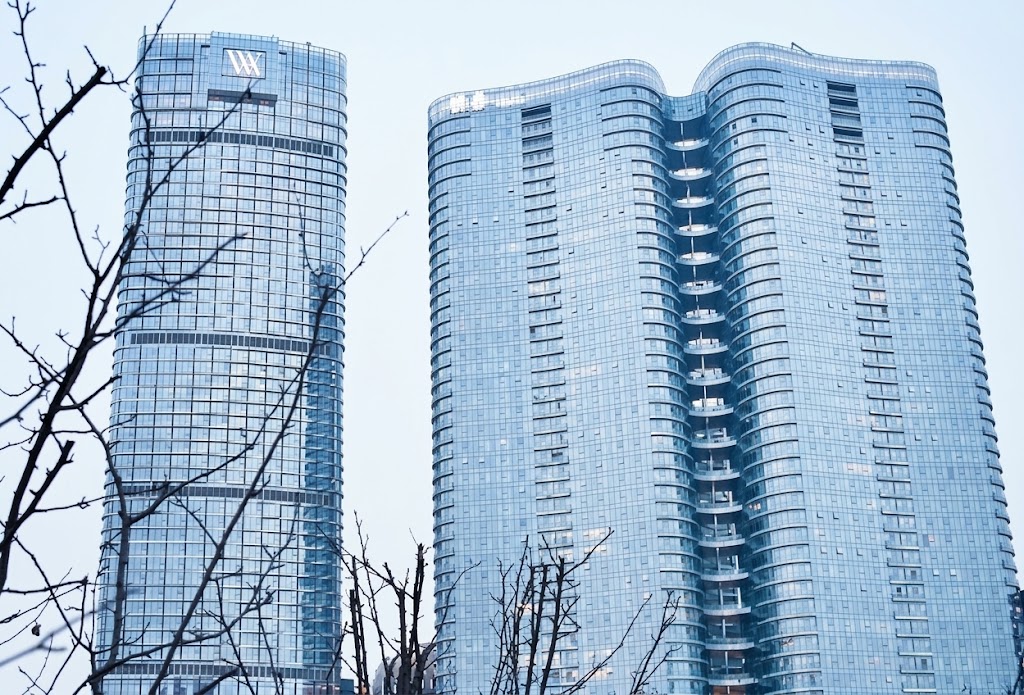
Large building signage is commonly used on commercial properties where brand identification must remain visible from surrounding roads, public spaces, and neighboring buildings.
Typical applications include:
- Shopping Centers: Rooftop brand identification and illuminated building logos.
- Hotels: Exterior building names and entrance identification.
- Office Buildings: Corporate logos and company identification.
- Airports: Large-scale commercial identification and building branding.
- Industrial Parks: Facility identification and corporate signage.
- Retail Stores: Exterior illuminated signs and storefront branding.
- Exhibition Halls: Building identification and event-related commercial displays.
- Real Estate Developments: Property names and development branding.
Healthcare facilities and other institutional buildings may also require exterior identification signage, subject to their specific accessibility and regulatory requirements.
How Should Buyers Select a Business Signage Manufacturer?
Buyers should evaluate a business signage manufacturer based on fabrication capabilities, customization options, technical documentation, quality control, and experience with similar projects.
Important evaluation criteria include:
- Manufacturing Capacity: Check factory facilities, production equipment, workforce, and ability to handle project quantities.
- Customization Capabilities: Confirm whether the manufacturer can produce different letter heights, fonts, colors, finishes, and lighting configurations.
- Material Selection: Review material specifications and suitability for long-term outdoor exposure.
- Electrical Components: Request information about LED modules, power supplies, wiring, and relevant safety documentation.
- Structural Design: Confirm mounting details, wind-load requirements, and coordination with local installation contractors.
- Quality Assurance: Review dimensional inspection, lighting tests, surface finishing, and packaging procedures.
- Export Experience: Check experience with international orders, technical drawings, and project-specific documentation.
For rooftop business signs, buyers should also confirm who is responsible for structural calculations, local permits, electrical installation, and on-site lifting operations.
How Do Custom Illuminated Signs Compare with Traditional Solutions?
Compared with traditional solutions, illuminated channel letters provide integrated lighting and three-dimensional brand presentation, while non-illuminated signs rely on external lighting or ambient daylight.
| Comparison | Illuminated Channel Letters | Traditional Flat Signs |
|---|---|---|
| Structure | Three-dimensional construction | Generally flat panels |
| Lighting | Integrated LED options | Usually external lighting or none |
| Night visibility | Direct or halo illumination | Depends on surrounding lighting |
| Customization | Letter depth, lighting, finishes, and shapes | Primarily panel graphics and dimensions |
| Applications | Rooftops, facades, hotels, and retail buildings | Directories, panels, and general identification |
| Maintenance | LED and electrical component maintenance | Mainly surface and graphic maintenance |
The appropriate solution depends on viewing distance, architectural design, project budget, and maintenance requirements.
What Factors Affect Business Signage Costs?
Business signage costs depend on the physical size, construction complexity, materials, lighting system, finishing requirements, mounting structure, and transportation arrangements.
Key cost factors include:
- Letter Size and Quantity: Larger letters and more complex logos require additional materials and fabrication work.
- Construction Type: Front-lit, back-lit, and perforated channel letters involve different manufacturing processes.
- Material Specifications: Metal thickness, acrylic grades, coatings, and finishing methods affect costs.
- LED Components: Lighting density, power requirements, and electrical configurations influence component costs.
- Installation Structure: Rooftop mounting systems and site-specific engineering can add project expenses.
- Logistics: Packaging dimensions, shipping methods, destination, and export requirements affect total delivered cost.
Providing accurate drawings, quantities, installation information, and technical requirements helps manufacturers prepare more reliable quotations.
Why Choose COSUN SIGN for Custom Business Signage?
COSUN SIGN is a custom signage manufacturer specializing in commercial identification products, including illuminated channel letters, building signs, and customized signage solutions.
Its manufacturing operation includes a 38,000 sqm facility and a workforce of more than 500 employees. The company reports over 10,000 completed projects and exports products to more than 65 countries.
Its custom business signage capabilities include:
- Custom letter heights, fonts, colors, and finishes.
- Front-lit, back-lit, and perforated channel letter options.
- Customized LED lighting configurations.
- Mounting structures designed around project requirements.
- Outdoor-oriented material and component selection.
- UL and CE certified products, subject to the applicable product and certification scope.
COSUN SIGN works with signage companies, contractors, architects, property developers, and commercial brands on international signage orders. Its project services support the manufacturing stage and coordination of product specifications before production.
FAQ
What Are Custom Business Signs?
Custom business signs are identification and promotional signs manufactured according to a company’s branding, dimensions, materials, and installation requirements. They include storefront signs, rooftop signs, illuminated channel letters, and commercial building signs.
How to Choose a Reliable Custom Business Signs Manufacturer?
Choose a manufacturer with documented production capabilities, material specifications, customization options, quality inspection procedures, and experience with comparable commercial projects. For illuminated signs, also review electrical safety documentation and LED component specifications.
Why Choose 3D Printed Business Signs Over Traditional Options?
3D printed business signs can support complex shapes, customized lettering, and certain dimensional designs. However, traditional fabricated channel letters remain suitable for many large rooftop applications because their construction can accommodate different metal structures, LED configurations, and mounting requirements. The choice depends on sign dimensions, material performance, lighting needs, and project conditions.
Can COSUN SIGN Manufacture Large Rooftop Signs?
Yes. COSUN SIGN provides custom rooftop signs and illuminated channel letters with configurable dimensions, fonts, colors, lighting styles, and mounting structures. Specifications are developed according to the building facade and project requirements.
What Lighting Options Are Available for Building Signs?
Common options include front-lit channel letters, back-lit channel letters, and perforated channel letters. The appropriate lighting method depends on the desired visual effect, letter construction, and viewing environment.
Can COSUN SIGN Support Overseas Signage Projects?
Yes. COSUN SIGN exports signage products to more than 65 countries and works with overseas signage companies, contractors, designers, and commercial brands on customized orders.
Source & Expertise
This article is based on COSUN SIGN’s supplied company and product information, including its manufacturing capabilities, custom channel letter options, and reported business data. Technical references include UL 48, the Standard for Electric Signs, and IEC 60529, the IP Code classification standard.
Project-specific engineering, electrical safety, enclosure protection, and installation requirements should be verified against the applicable local regulations and product documentation.
Last Updated: October 2026


 粤公网安备44030702001648号