

















A digital kiosk is more than a screen placed in a public area. For businesses, its value depends on how reliably the terminal supports interaction, content delivery, system management, and continuous operation. Understanding the digital kiosk meaning from a commercial perspective helps us distinguish purpose-built kiosk hardware from consumer devices adapted for temporary use. At COSUN SIGN, we approach kiosk development around practical deployment requirements, including durable construction, integrated computing, intuitive interfaces, and centralized management.
Defining a Digital Kiosk by Hardware Format and User Task
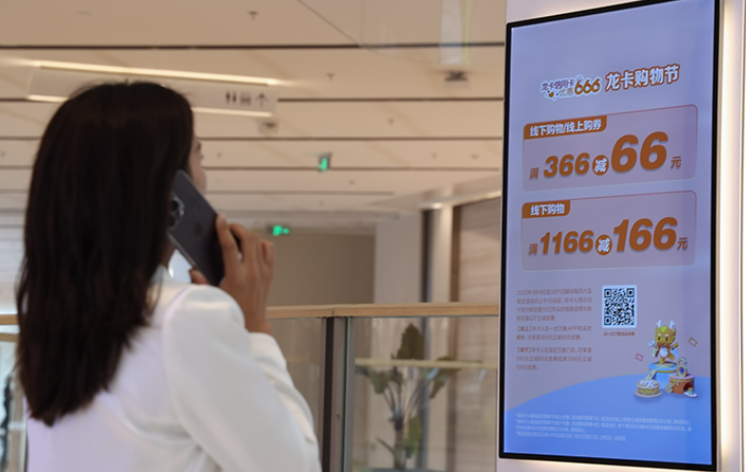
A digital signage kiosk is a purpose-built commercial terminal designed around a public-facing task. That is the most useful digital kiosk meaning for procurement teams. The product may be floor-standing or wall-mounted, touch or non-touch, and configured for information, wayfinding, ordering, product browsing, self-service, or another defined application. A generic screen placed on a stand may look similar but does not necessarily provide the enclosure, service access, stability, internal hardware, or environmental design required for long-term commercial use.
Floor-standing units provide visibility and flexible placement in lobbies, retail areas, and public spaces, while wall-mounted formats preserve floor space in narrower circulation areas. Touch should be specified only when the user needs to search, order, check in, browse, or navigate. For passive promotional or informational content, a non-touch display can be simpler and more cost-effective.
Matching Kiosk Features to Common Commercial Applications
Retail and restaurant kiosks may support product information, ordering, promotions, pickup instructions, or loyalty content. Hotels, offices, and commercial properties may use lobby kiosks for tenant, meeting, event, visitor, or amenity information. Shopping malls and large public spaces can justify larger interactive directories when users need to search many destinations.
The enclosure has to support the application as well. Metal thickness, ventilation, access doors, screen integration, cable management, base stability, finish, and branding all influence how the digital signage kiosk performs in public use. This hardware focus is central to the digital kiosk meaning because the physical terminal determines whether the system can be installed, used, and serviced reliably.
What Buyers Should Specify Before Ordering a Digital Kiosk
An effective specification should confirm screen size, orientation, viewing distance, touch or non-touch operation, ambient lighting, user height and accessibility needs, and whether the kiosk is indoor, semi-outdoor, or outdoor. The enclosure requirement should cover custom dimensions, finish, brand treatment, ventilation, locks, access doors, base or wall mounting, cable routing, and maintenance access.
Internal computing, ports, network connection, and peripherals should then be selected according to the user task. Local or remote content updating can be included where needed, but these are supporting requirements. For overseas projects, buyers should also confirm protective export packaging, setup or mounting documentation, wiring information, and remote technical guidance for the local installation or service team.
Building a Kiosk Around the Real Application
The practical value of a digital signage kiosk comes from matching its hardware, enclosure, interaction level, and internal configuration to a real business task. That reduces the risk of paying for unnecessary functions or discovering after delivery that the product is difficult to place, service, or operate in the intended environment.
With customizable floor-standing, wall-mounted, interactive, and self-service kiosk formats, cosun can support commercial and public-space projects with project-specific enclosure design, manufacturing, quality control, export packaging, and technical documentation. We develop digital signage kiosk solutions for commercial and public-space applications with these practical requirements in mind. With more than two decades of experience in signage and display solutions, we work with customers to consider the application environment, hardware configuration, interaction requirements, and management needs before implementation. By matching the kiosk architecture to the actual deployment, businesses can build a solution that is easier to operate, maintain, and expand over its intended service lifecycle.



 粤公网安备44030702001648号