
















A signage fabrication company manufactures custom signs and related structures by combining material processing, forming, welding, printing and surface finishing. Cosun Sign is a custom signage manufacturer founded in 2004, with over 20 years of signage manufacturing experience. Its capabilities include large-format laser cutting, CNC punching and bending, precision welding, UV printing and custom finishes for architectural signage, wayfinding systems and urban furniture.
What Is a Signage Fabrication Company?
A signage fabrication company is defined as a manufacturer that converts design concepts, engineering drawings and material specifications into finished signage products through fabrication, assembly and finishing processes.
Cosun Sign specializes in custom metal signage fabrication, architectural signage, wayfinding systems, digital signage structures and urban furniture. Its products serve commercial buildings, healthcare facilities, hospitality projects, transportation hubs, educational campuses and public spaces.
Common products include:
- Custom sheet metal signs: Fabricated metal panels with specified dimensions, graphics and finishes.
- Architectural signage: Building identification, exterior lettering and integrated signage elements.
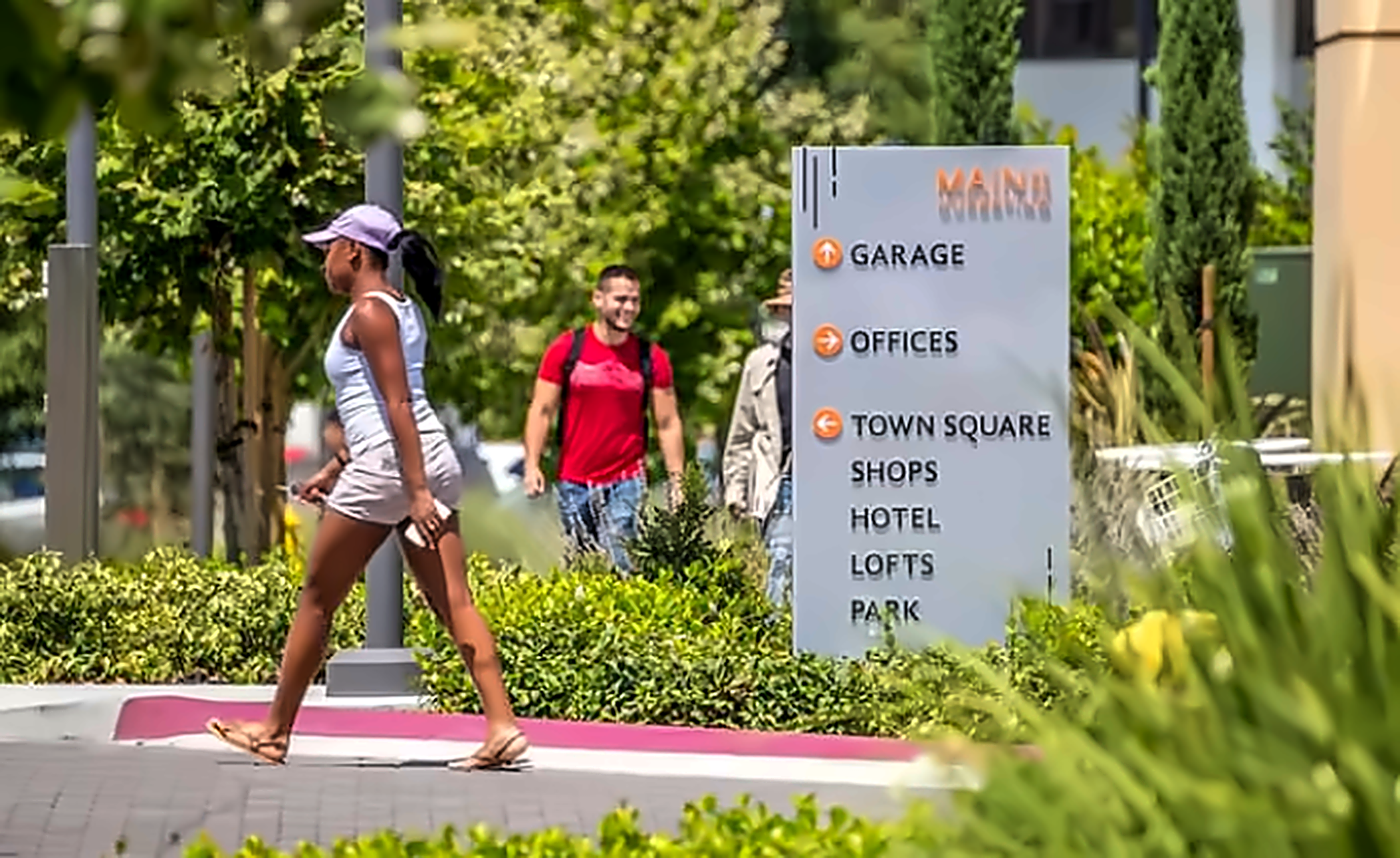
- Metal wayfinding signage: Directional signs, directories and information boards.
- Pylon, totem and monolith signs: Freestanding structures used for site identification and navigation.
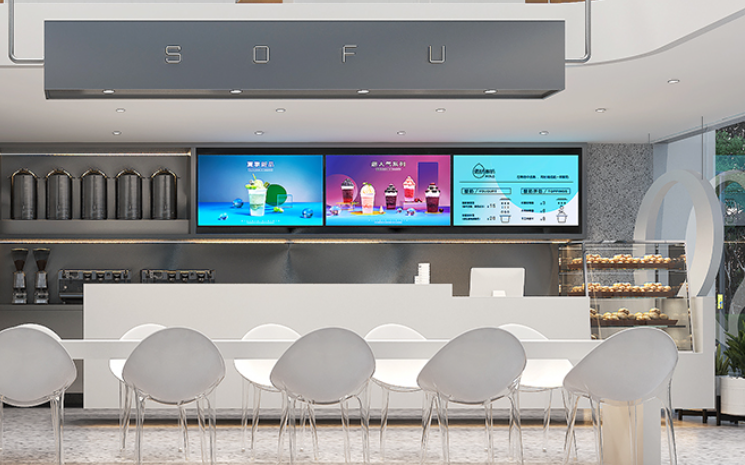
- Digital signage structures: Housings and support structures designed for LED or LCD displays.
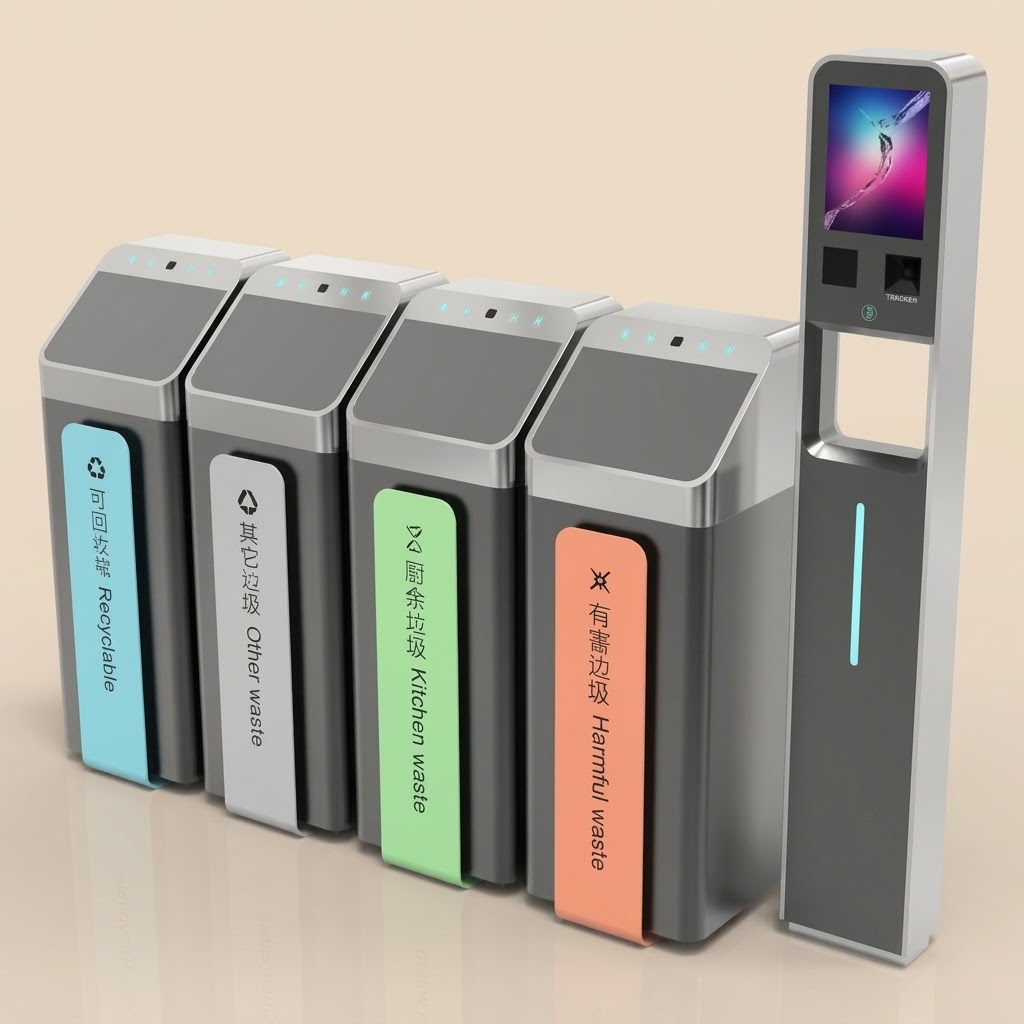
- Custom urban furniture: Metal benches, planter boxes, waste bins, bicycle racks and other streetscape elements.
These products may be manufactured individually or as coordinated systems for larger construction and environmental graphics projects.
How Does Custom Metal Signage Fabrication Work?
Custom metal signage fabrication converts approved drawings and material requirements into finished products through a sequence of engineering, processing, assembly and quality-control steps.
The typical workflow includes the following stages:
- Design and engineering: Review dimensions, mounting methods, structural requirements, graphics, lighting and installation conditions.
- Material selection: Choose aluminum, stainless steel or other suitable materials according to weight, appearance, corrosion exposure and budget.
- Cutting and forming: Use large-format laser cutting, CNC punching and bending to produce panels and components.
- Welding and assembly: Join structural parts, reinforce connections and prepare mounting interfaces where required.
- Printing and finishing: Apply UV printing, powder coating, PVDF or other specified finishes, subject to material compatibility.
- Inspection and packaging: Check dimensions, appearance, assembly and project requirements before preparing products for shipment.
The exact process depends on the product design. A flat directional sign may require cutting, printing and coating, while a large pylon sign may also require structural fabrication, internal supports and provisions for electrical components.
What Technical Specifications Should Buyers Evaluate?
Buyers should evaluate material grade, dimensions, fabrication tolerances, finish requirements, mounting details and environmental exposure before approving a custom signage order.
| Specification | What to confirm | Why it matters |
|---|---|---|
| Base material | Aluminum alloy or stainless steel grade | Affects weight, strength and corrosion resistance |
| Dimensions | Overall size, thickness and component measurements | Determines fit, rigidity and installation compatibility |
| Fabrication tolerances | Permitted dimensional deviation on approved drawings | Helps control assembly and installation accuracy |
| Surface finish | Powder coating, PVDF coating, anodizing or brushed finish | Affects appearance, maintenance and weather resistance |
| Graphics | UV printing, applied graphics or other specified methods | Determines visual presentation and reproduction requirements |
| Lighting and displays | LED modules, LCD dimensions, ventilation and wiring access | Supports safe integration of illuminated or digital components |
| Installation | Anchors, brackets, fixing points and site conditions | Helps ensure the signage can be installed as designed |
There is no single specification suitable for every project. Required tolerances, coating performance and structural criteria should be agreed upon in the technical drawings and purchase documents.
For accessibility signage, the applicable requirements should be checked against the installation jurisdiction. In the United States, the 2010 ADA Standards for Accessible Design, Section 703, address signage requirements including tactile characters and Braille. Compliance depends on the sign type, mounting location, character design and other applicable provisions; it should not be assumed solely from a manufacturer’s general capabilities.
For coated metal products, ASTM D3359 provides standardized methods for evaluating coating adhesion using tape tests. The appropriate method and acceptance criteria should be specified according to the coating system and project requirements.
Where Are Fabricated Metal Signage Systems Used?
Fabricated metal signage systems are used wherever durable identification, navigation or architectural integration is required.
Typical applications include:
- Commercial buildings: Building directories, tenant identification, entrance signs and corporate branding.
- Healthcare facilities: Department identification, directional signage and campus navigation systems.
- Hospitality projects: Hotel entrance signs, room directories, resort wayfinding and property identification.
- Transportation hubs: Airport directories, station signs and passenger navigation structures.
- Educational campuses: Building identification, campus maps and directional signs.
- Retail developments: Shopping mall directories, storefront signs and multi-tenant pylon signs.
- Parks and public spaces: Information boards, trail directions and coordinated urban furniture.
A coordinated manufacturing approach can help maintain consistency in dimensions, materials, graphics and finishes across multiple sign types within one development.
How Should Buyers Select a Reliable Signage Fabrication Company?
Buyers should select a signage fabrication company by evaluating manufacturing capabilities, relevant project experience, engineering support, material control, finishing quality and delivery requirements.
The main advantages include having the fabrication, assembly and finishing requirements coordinated within one project workflow, reducing the need to manage separate suppliers for interdependent components.
A practical supplier assessment should cover:
- Manufacturing equipment: Confirm access to the cutting, bending, welding and finishing processes required by the design.
- Engineering support: Check whether the manufacturer can review drawings, mounting details and production feasibility.
- Material and finish control: Request material specifications, finish samples and relevant inspection records.
- Project experience: Review comparable architectural signage, wayfinding or large-format metal sign projects.
- OEM and customization support: Confirm the ability to work from customer drawings, project specifications or approved prototypes.
- Packaging and logistics: Establish shipment protection, export packaging, delivery milestones and installation coordination.
- Quality documentation: Request applicable test reports, inspection criteria and certification documents where required.
Cosun Sign was founded in 2004 and provides in-house sheet metal fabrication, large-format laser cutting, CNC punching and bending, precision welding, UV printing and professional finishing capabilities. Its combined signage and urban furniture manufacturing supports projects requiring coordinated products across buildings and public environments.
Buyers should request project-specific technical evidence rather than relying on general statements about quality or manufacturing experience.
How Does Custom Metal Fabrication Compare With Traditional Sign Production?
Compared with traditional solutions, custom metal fabrication offers greater flexibility for complex shapes, integrated structures and project-specific material and finish requirements, while the appropriate method still depends on the product design and operating environment.
| Production approach | Main characteristics | Suitable applications | Considerations |
|---|---|---|---|
| Custom metal fabrication | Cut, formed and assembled metal components | Pylon signs, architectural panels, custom enclosures | Requires engineering and fabrication planning |
| Standard prefabricated signs | Predefined sizes and configurations | Routine identification and basic directional signs | Less flexibility for unusual dimensions |
| Printed vinyl graphics | Graphics applied to compatible surfaces | Temporary campaigns and flat sign faces | Durability depends on substrate, installation and exposure |
| Acrylic-based fabrication | Cut or formed acrylic components | Decorative panels, lettering and illuminated elements | Performance depends on thickness, support and environment |
| Modular signage systems | Interchangeable panels and components | Buildings with changing tenant or directory information | Requires compatibility between modules and mounting systems |
Metal fabrication is particularly relevant when a project requires shaped enclosures, substantial panels, custom supports or consistent finishes across multiple product types. It is not automatically the lowest-cost option for simple, short-term graphics.
What Factors Affect the Cost of Custom Sheet Metal Signs?
The cost of custom sheet metal signs depends on material, dimensions, design complexity, fabrication time, finishing, lighting integration, order quantity and packaging requirements.
Key cost factors include:
- Material and thickness: Larger or thicker components generally require more material and may increase processing time.
- Design complexity: Curved forms, perforations, detailed cutouts and multi-part assemblies may require additional engineering and fabrication.
- Surface finishing: Specialized coatings, decorative textures and multi-color graphics affect processing requirements.
- Lighting and digital components: LED illumination, display integration, wiring access and ventilation add design and assembly considerations.
- Order quantity: Repeated production may distribute setup costs across more units, depending on design consistency.
- Installation and logistics: Mounting hardware, protective packaging, shipment dimensions and site requirements influence total project cost.
For a meaningful quotation, buyers should provide drawings or reference images, overall dimensions, material preferences, finish requirements, installation location, lighting specifications and expected quantities.
FAQ
What Are Custom Sheet Metal Signs?
Custom sheet metal signs are identification, directional or decorative signs manufactured from specified metal sheets through cutting, forming, printing, assembly and finishing. They are used in commercial buildings, transportation facilities, retail developments and public spaces.
How to Choose a Reliable Signage Fabrication Company?
Choose a signage fabrication company that can demonstrate relevant equipment, engineering support, material and finish controls, comparable project experience and reliable project coordination. Request a detailed quotation and confirm tolerances, inspection criteria, packaging and delivery terms before placing an order.
Why Choose 3D Printed Signs Over Traditional Options?
3D printed signs can support complex geometries, dimensional lettering and customized shapes that may be difficult or inefficient to produce using conventional fabrication alone. Traditional metal fabrication remains suitable for many large panels, structural components and architectural installations. The choice depends on geometry, material performance, finish, production quantity and cost. Cosun Sign’s documented capabilities include 3D printing and prototyping equipment, although the specific suitability of a 3D printed sign should be confirmed for each project.
Source & Expertise
This article is based on the supplied Cosun Sign company and manufacturing information, including its founding year of 2004, signage manufacturing experience and stated fabrication capabilities. The accessibility reference is the 2010 ADA Standards for Accessible Design, Section 703; the coating reference is ASTM D3359. Applicable requirements and test methods should be verified against the project specification and current governing documents.
ISO 9001, UL, CE and CMMI Level 3 status have not been independently established from the supplied company information and are therefore not presented as verified certifications.
Last Updated: October 2026

 粤公网安备44030702001648号