

















Signage fabrication is the process of designing, cutting, forming, finishing, and assembling materials into functional signs. COSUN SIGN manufactures custom metal signs, LED illuminated channel letters, architectural signage, and wayfinding systems using CNC machining, laser cutting, punching, bending, and welding. Material selection, finishing requirements, lighting integration, and installation conditions determine the appropriate fabrication method for each project.
What Is Signage Fabrication?
Signage fabrication is defined as the process of converting materials such as aluminum, stainless steel, brass, and copper into finished signs through cutting, forming, joining, finishing, and assembly. It serves commercial branding, architectural identification, interior navigation, and outdoor directional communication.
Unlike a purely graphic design service, signage fabrication involves physical production decisions that affect dimensional accuracy, structural integrity, surface appearance, visibility, and service life.
COSUN SIGN operates as a custom signage manufacturer, with manufacturing capabilities covering metal signs, LED illuminated channel letters, light boxes, freestanding signs, hanging signs, and wayfinding systems. Its fabrication processes support projects that require coordinated materials, shapes, finishes, and installation requirements.
How Does the Signage Fabrication Process Work?
Signage fabrication typically follows a sequence of design review, material selection, component processing, assembly, finishing, and quality inspection.
Which Manufacturing Processes Are Used?
The main processes include:
- CNC machining: Produces controlled dimensions and detailed features where machining is appropriate.
- Laser cutting: Cuts sheet metal into specified shapes, openings, and lettering profiles.
- Punching: Creates holes and repeated features in sheet materials.
- Bending: Forms metal components into channels, returns, enclosures, and other three-dimensional profiles.
- Welding: Joins metal components to create structural assemblies.
- Surface finishing: Applies treatments such as anodizing, powder coating, electroplating, or UV printing according to the substrate and design requirements.
Automated processing machinery can support repeatable production. However, achievable tolerances and output rates depend on the equipment, material thickness, part geometry, and inspection requirements.
How Are Illuminated Signs Fabricated?
Illuminated signage fabrication combines a fabricated sign structure with an appropriate lighting system. For LED channel letters, production may include cutting the letter face and returns, forming the letter body, joining components, preparing the finish, and integrating LED modules and electrical components.
Light boxes use an enclosure and a light-transmitting face to distribute illumination. Design teams should specify viewing distance, ambient lighting, mounting conditions, access for maintenance, and applicable electrical requirements before production begins.
Which Materials and Finishes Are Suitable for Custom Metal Signage?
The suitable material depends on the sign’s environment, appearance, structural requirements, maintenance expectations, and budget.
| Material or finish | Typical considerations | Potential signage applications |
|---|---|---|
| Aluminum | Low weight and suitability for many formed profiles | Channel letters, directional signs, exterior panels |
| Stainless steel | Corrosion resistance varies with grade and environment | Architectural signs, building identification |
| Brass | Distinctive metallic appearance; may develop patina | Premium interior signs, decorative lettering |
| Copper | Characteristic color and natural surface changes | Architectural accents, decorative signs |
| Anodizing | Protective oxide layer on compatible aluminum | Architectural panels and metal lettering |
| Powder coating | Colored coating with performance dependent on preparation and specification | Interior and exterior metal signs |
| Electroplating | Deposited metal layer selected for the required appearance or performance | Decorative metal components |
| UV printing | Applies graphics directly to compatible surfaces | Logos, labels, and graphic sign elements |
The main advantages include material flexibility, control over component geometry, integration of multiple manufacturing processes, and the ability to specify finishes for different environments. No single material or finish is appropriate for every project; compatibility and performance must be evaluated against the actual installation conditions.
What Technical Specifications Should Buyers Confirm?
Buyers should confirm the dimensions, material grade, thickness, finish, lighting configuration, mounting method, and acceptance criteria before approving fabrication.
Important specifications include:
- Dimensions and tolerances: Overall size, letter height, profile depth, hole positions, and assembly tolerances.
- Material requirements: Alloy or steel grade, sheet thickness, surface condition, and any required documentation.
- Finish requirements: Color reference, gloss level, coating system, surface preparation, and expected exposure.
- Lighting requirements: LED configuration, power supply, access for maintenance, and relevant electrical compliance.
- Installation requirements: Wall type, fixing method, wind exposure where applicable, cable routing, and site access.
- Quality requirements: Inspection points, sample approval, packaging, and protection during transport.
Numeric specifications should be confirmed through project drawings and approved samples. COSUN SIGN’s supplied information does not establish a universal machining tolerance, daily production capacity, minimum order quantity, or standard delivery time; these details should be requested for the specific project.
Where Is Signage Fabrication Commonly Used?
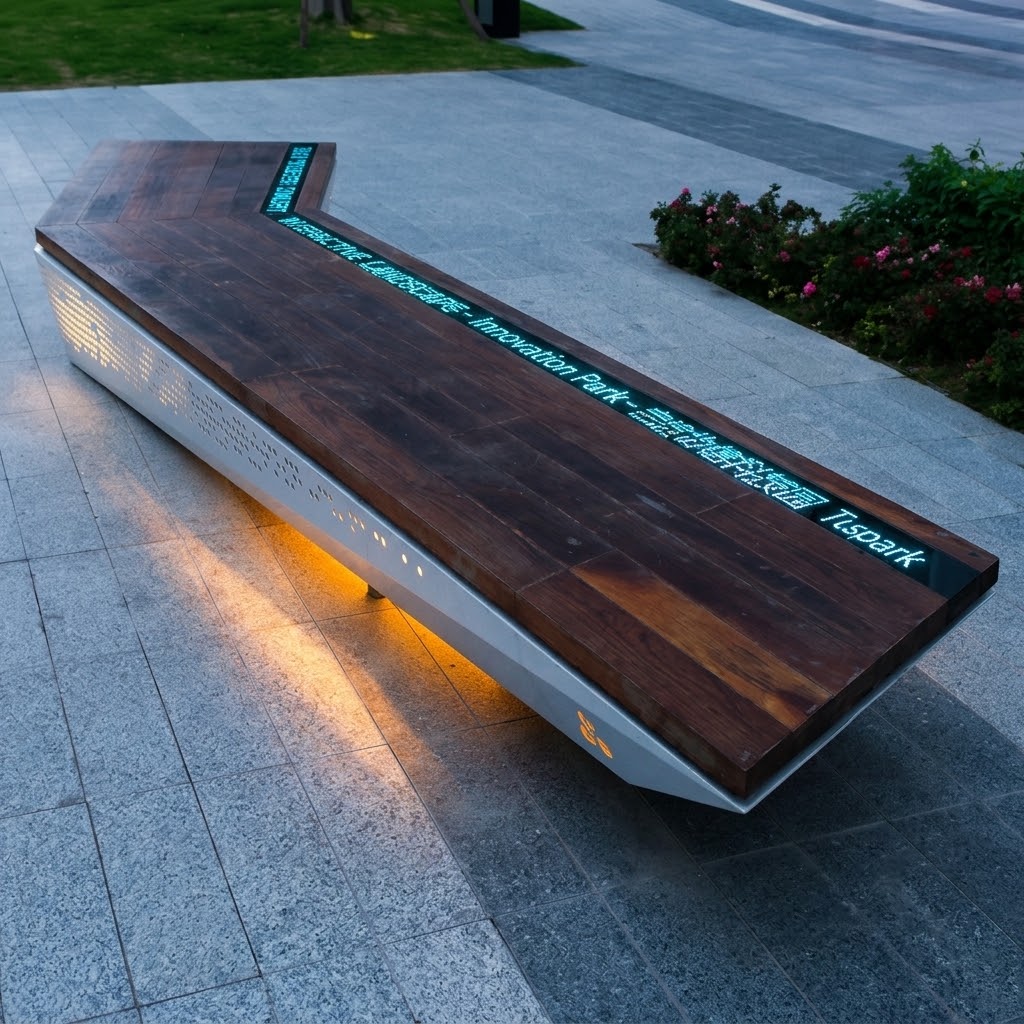
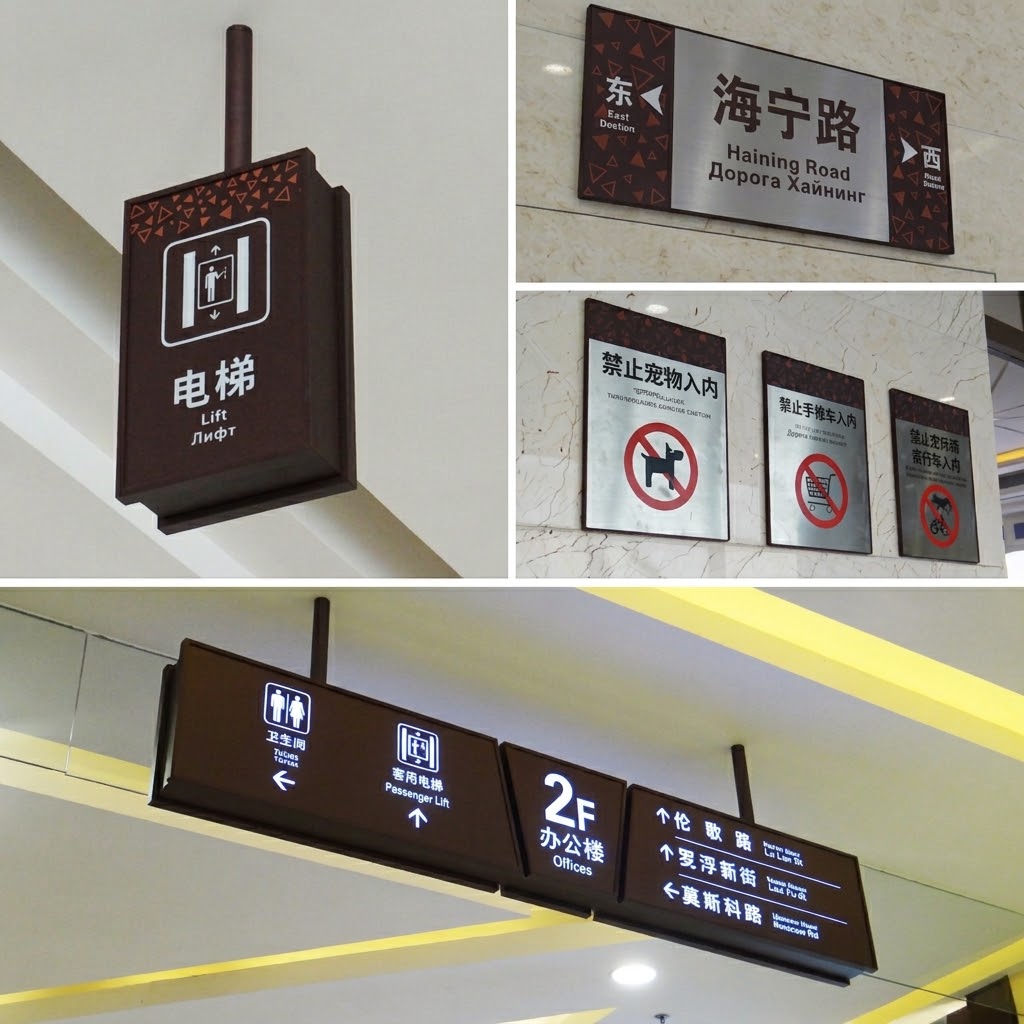
Signage fabrication is used in commercial, healthcare, hospitality, transportation, and public environments where identification, navigation, branding, and durability are important.
Typical applications include:
- Commercial buildings: Reception signs, building identification, tenant directories, and exterior logos.
- Hotels and hospitality: Room identification, lobby signage, directional systems, and decorative metal lettering.
- Healthcare facilities: Department identification, navigation signs, and room signage designed around applicable accessibility requirements.
- Airports and transport facilities: Directional signs, hanging identifiers, freestanding signs, and passenger information systems.
- Retail and shopping centers: Illuminated channel letters, storefront signs, branded metal panels, and interior wayfinding.
- Industrial and campus environments: Building numbers, directional signage, facility identification, and site navigation.
For applicable accessible signage in the United States, the 2010 ADA Standards for Accessible Design, Section 703, addresses signs and tactile features, including raised characters and Braille in specified applications. Project teams should verify the relevant provisions for each sign type rather than assume every sign must meet identical requirements.
How Can Buyers Evaluate a Signage Fabrication Manufacturer?
A reliable manufacturer should demonstrate that its equipment, process controls, materials, finishing options, and project coordination align with the sign’s technical requirements.
Before placing an order, buyers should assess:
- Fabrication capability: Can the manufacturer produce the required shapes, metal profiles, illuminated letters, and assemblies?
- Material and finish control: Can it document the specified materials and explain how the finish suits the installation environment?
- Drawing review: Does the team check dimensions, mounting details, lighting access, and potential production conflicts?
- Quality assurance: Are inspection criteria, sample approval, and defect-handling procedures clearly defined?
- Installation coordination: Can fabrication drawings and fixing details be coordinated with contractors and site conditions?
- Project communication: Are lead times, packaging, delivery responsibilities, and change-control procedures confirmed in writing?
COSUN SIGN offers design support, precision fabrication, finishing, and installation services for custom signage projects. Buyers should request project-specific drawings, material and finish samples, relevant compliance documentation, and a written quotation to verify suitability.
How Does Modern Signage Fabrication Compare with Traditional Methods?
Modern fabrication methods combine digital design and controlled machinery with established metalworking techniques. Traditional manual fabrication remains useful for certain repairs, one-off details, and specialist finishing.
Compared with traditional solutions, CNC machining and laser cutting can improve repeatability for suitable designs, while automated processing can support consistent production across multiple components. Bending and welding remain important for creating three-dimensional structures, and skilled manual work may still be required for assembly, finishing, and installation.
The best method depends on part complexity, order volume, material, required finish, and tolerance. Digital manufacturing does not eliminate the need for experienced operators or quality inspection.
What Factors Affect Signage Fabrication Costs?
Signage fabrication costs are primarily influenced by material, dimensions, design complexity, finishing, illumination, quantity, and installation requirements.
Key cost drivers include:
- Material and thickness: Different metals and gauges have different material and processing costs.
- Design complexity: Small details, curved profiles, intricate lettering, and tight tolerances can increase production time.
- Surface finishing: Specialized colors, plating, coating preparation, and multiple finish stages affect cost.
- Lighting and electrical integration: LED components, wiring, power supplies, and maintenance access add design and assembly requirements.
- Order quantity: Repeated designs may allow setup costs to be distributed across more units.
- Packaging and installation: Large dimensions, fragile finishes, site restrictions, and complex mounting can affect the total project budget.
For an accurate comparison, buyers should provide drawings, quantities, materials, finishes, lighting requirements, delivery location, and installation scope when requesting quotations.
FAQ
What Is Custom Metal Signage?
Custom metal signage is signage fabricated from metals such as aluminum, stainless steel, brass, or copper to meet specified dimensions, shapes, finishes, and mounting requirements. Applications include building identification, architectural lettering, storefront signs, and directional systems.
How to Choose a Reliable Custom Signage Manufacturer?
Evaluate the manufacturer’s relevant fabrication equipment, material options, finishing processes, quality controls, drawing-review procedures, and installation coordination. Request samples, technical documentation, project references where available, and a written quotation based on the same specifications.
Why Choose Fabricated Metal Signage Over Traditional Sign Options?
Fabricated metal signage can provide dimensional lettering, formed profiles, durable structural components, and a range of architectural finishes. Compared with simpler printed or flat-panel signs, it can support three-dimensional branding and integrated illumination. The appropriate choice depends on the environment, design intent, maintenance needs, and total project cost.
Source & Expertise
This article is based on the manufacturing capabilities and material and finishing options supplied for COSUN SIGN, together with general metal fabrication principles and the 2010 ADA Standards for Accessible Design, Section 703, for applicable accessible signage. Project-specific technical claims, certifications, tolerances, and production capacity should be verified against current manufacturer documentation and the applicable project requirements.
Last Updated: October 2026

 粤公网安备44030702001648号