

















A smart digital signage project should still be useful years after the first installation. That depends less on a long software feature list and more on whether the physical product is suited to the application, easy to service, consistently manufactured, and repeatable when additional locations are added. Businesses therefore need digital signage providers that understand the relationship between product format, enclosure engineering, display technology, site conditions, manufacturing quality, and day-to-day operation.
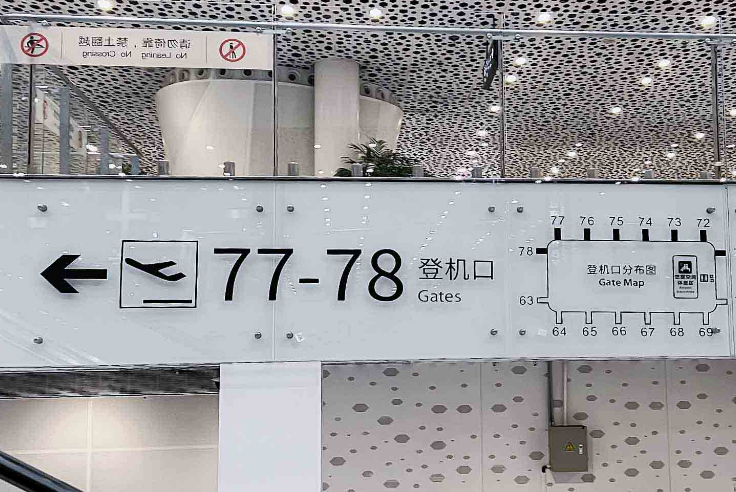
COSUN SIGN approaches digital signage as a commercial product system. Kiosks, totems, poster displays, wayfinding screens, menu boards, and other formats can be configured around the environment and user task, with content-management functions added as a practical support layer rather than treated as the main product.
Choosing a Provider That Can Match Product Types to Real Applications
Businesses often begin a smart digital signage project by comparing screen sizes or software functions, but the first question should be what the screen is expected to do. Advertising, product information, self-service, ordering, directory search, and wayfinding require different form factors and different levels of interaction. A digital kiosk, poster display, totem, menu board, or wayfinding screen should be selected around the user task rather than treated as interchangeable hardware.
Indoor and outdoor deployments also require different engineering. Brightness, enclosure protection, ventilation, access panels, mounting, structural stability, and maintenance access need to reflect the actual environment. Experienced digital signage providers should be able to explain why a particular configuration fits the site instead of relying on broad labels such as ‘commercial grade’.
Evaluating Manufacturing Quality and Customization Capability
The enclosure is a major part of long-term product quality because it protects the display, electronics, wiring, and service areas. Buyers should review material choices, structural design, surface finishing, ventilation, seams, doors, locks, and mounting details. In premium environments, dimensions, orientation, brand colors, logos, and finishes can also be customized so the smart digital signage product becomes part of the architecture rather than a generic screen placed into the space.
Internal components should match the use case as well. Touch, embedded computing, cameras, scanners, printers, speakers, or other modules should only be specified when the intended workflow requires them. Drawings, finish samples, representative units, and pre-shipment functional checks give procurement teams a clearer basis for controlling quality before a larger batch is packed for export.
Planning for Multi-Year Operation Without Making Software the Center
Long-term value depends on serviceability and repeatability. Lockable service doors, modular internal layouts, accessible power supplies, and clear wiring or mounting documentation can make future maintenance more practical for local service teams. When a retail chain, commercial property group, or distributor adds new locations, manufacturing records and standardized drawings also help later batches match the approved product.
Content management remains useful, but it should be treated as an operational layer. Local upload, remote updating, scheduling, and integration can be selected after the hardware architecture is defined. This keeps software in the correct role: supporting a suitable product rather than becoming the reason an unsuitable product was selected.
Building a Long-Term Digital Signage Partnership
Businesses should compare smart digital signage partners by how well they connect product selection, custom engineering, manufacturing quality, service access, documentation, packaging, and repeat-order support to the real application. That creates a stronger foundation for multi-year operation than choosing a supplier only by initial screen price or software feature lists.
The digital signage range from COSUN SIGN includes kiosks, posters, totems, wayfinding displays, menu boards, and other commercial formats that can be customized for different environments. Local or remote content updating can then be added according to the operating requirements of the finished system.

 粤公网安备44030702001648号