

















Illuminated signs are far more than glowing displays; they define your brand’s nighttime visual identity. For hotels, retail outlets, corporate offices and commercial properties, well built illuminated signage elevates brand recognition and delivers memorable visual impact. Four core elements determine end product performance: material selection, surface finish, lighting output and manufacturing workmanship. At COSUN Sign, we evaluate five critical dimensions, brand identity, architectural compatibility, long term durability, lighting performance and project budget, to deliver ideal signage solutions tailored to your project.
1. Why Material Selection Matters in Illuminated Signage
Material establishes the basic visual character of a sign.
Selecting sign materials goes beyond aesthetics and upfront costs. Stainless steel delivers premium grade texture, aluminum offers lightweight strength plus corrosion resistance, and acrylic performs excellently for back lit applications. Smart material selection also accounts for long term durability, maintenance requirements and installation environment, since replacing a failed sign incurs far higher costs than raw material expenses.
- Brand positioning and visual identity
- Indoor or outdoor installation
- Required service life
- Structural and weight limitations
- Desired lighting effect
- Cleaning and maintenance requirements
- Project budget
For custom illuminated signage, evaluate these factors collectively at the initial stage instead of choosing them separately.
2. Common Materials for Illuminated Signage
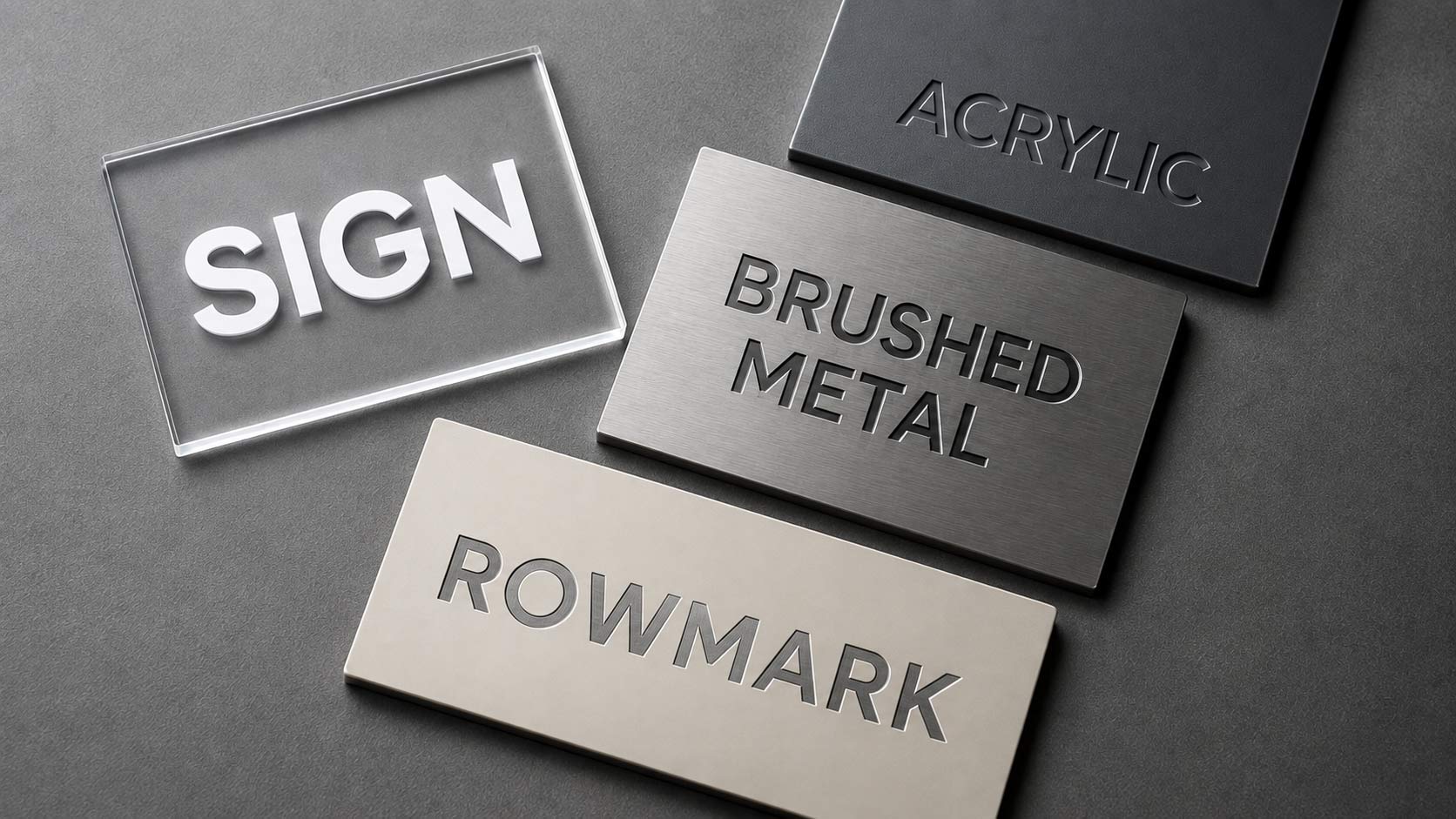
Stainless Steel: Premium and Durable
Within architectural signage, stainless steel excels with solid mechanical performance, weather proof capability and refined visual appeal. It serves as a preferred option for hotels, high end retail spaces, corporate lobbies and premium commercial developments.
A brushed surface delivers understated modern texture with muted reflection. Mirror finish creates a glamorous effect for brands pursuing striking visual impact. Your selection should align with building architecture and brand character.
Aluminum: Lightweight and Versatile
Aluminum is a mainstream material for commercial signage. Lightweight and form adaptable, it fits large outdoor installations with structural load constraints. It accepts various surface treatments including powder coating, painting and anodizing. Widely applied across shopping centers, office campuses and building facades.
Acrylic: Excellent Light Transmission
For LED illuminated signs, acrylic is hard to beat. Its light transmission is excellent, and it is flexible enough to cut into letters, logos, or lightboxes. But great results depend on more than just the material. LED placement, letter depth, diffusion, and fabrication precision all play a role.
Rowmark: Two tone laser engravable signage laminate
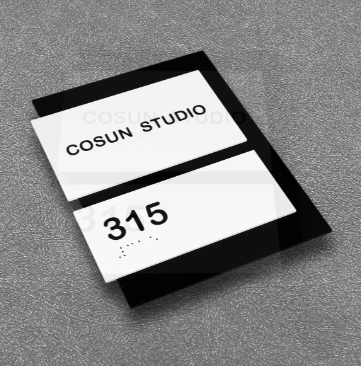
Rowmark is a two tone laminated engraving sheet mostly made of ABS or acrylic. Boasting rich color options and excellent engraving performance, it reveals contrasting base colors once the top layer is removed by laser engraving. Featuring great processing flexibility and good surface wear resistance, it is ideal for producing door signs, braille signs, equipment nameplates and various industrial signs, and is widely applied for fine indoor signage projects.
Material Comparison at a Glance
| Material | Visual Character | Durability | Fabrication Flexibility | Typical Applications |
| Stainless Steel | Premium, refined, metallic | Excellent | Medium | Hotels, corporate headquarters, luxury retail |
| Aluminum | Modern, lightweight, versatile | Very Good | High | Large signs, commercial buildings, office parks |
| Acrylic | Clean, bright, luminous | Good | High | Illuminated letters, logos, light boxes |
| Rowmark | Two tone layered, engravable, color rich | Good (indoor) | Very High | Nameplates, control panels, industrial labels, badges, tactile signage,room signs |
For projects seeking vintage style, industrial themed or highly customized aesthetics, alternative materials such as copper, iron and resin are viable options.
3. Key Manufacturing Processes
Selecting suitable materials is only the initial step. Fabrication techniques determine the final appearance, structural robustness and service life of a sign.
Precision Cutting and Forming
Laser cutting keeps letters, logos, and metal parts crisp. Clean edges mean accurate brand proportions and a professional finish.
For 3D signs, bending, forming, and welding matter just as much. Good welding holds everything together without leaving ugly marks. The end goal is a sign that looks flawless from any angle.
Surface Finishes
The right finish changes everything about how a material feels and performs.
Powder coating is tough, comes in many colors and textures, and works well outdoors.
Paint and baking deliver consistent brand colors with a rich look. For exterior use, pick a system that handles sun and weather.
Electroplating gives a shiny metallic effect, like gold or chrome, often seen in upscale settings.
Anodizing is mainly for aluminum. It strengthens the surface while keeping its natural metal appearance.
4. Lighting Technology: The Heart of Illuminated Signage
A great illuminated signage starts with a great lighting system. Here is what actually matters.
LED Brightness
Brighter is not always better. Too much light creates glare. Too little kills visibility. The right brightness depends on sign size, viewing distance, mounting height, surrounding light, and whether the sign is front lit or back lit.
Color Temperature
Cool white reads crisp and modern. Warmer light feels inviting and upscale. Hotels, restaurants, and luxury retail often go warm. Corporate and commercial projects usually lean toward a cleaner, neutral white.
Uniform Illumination
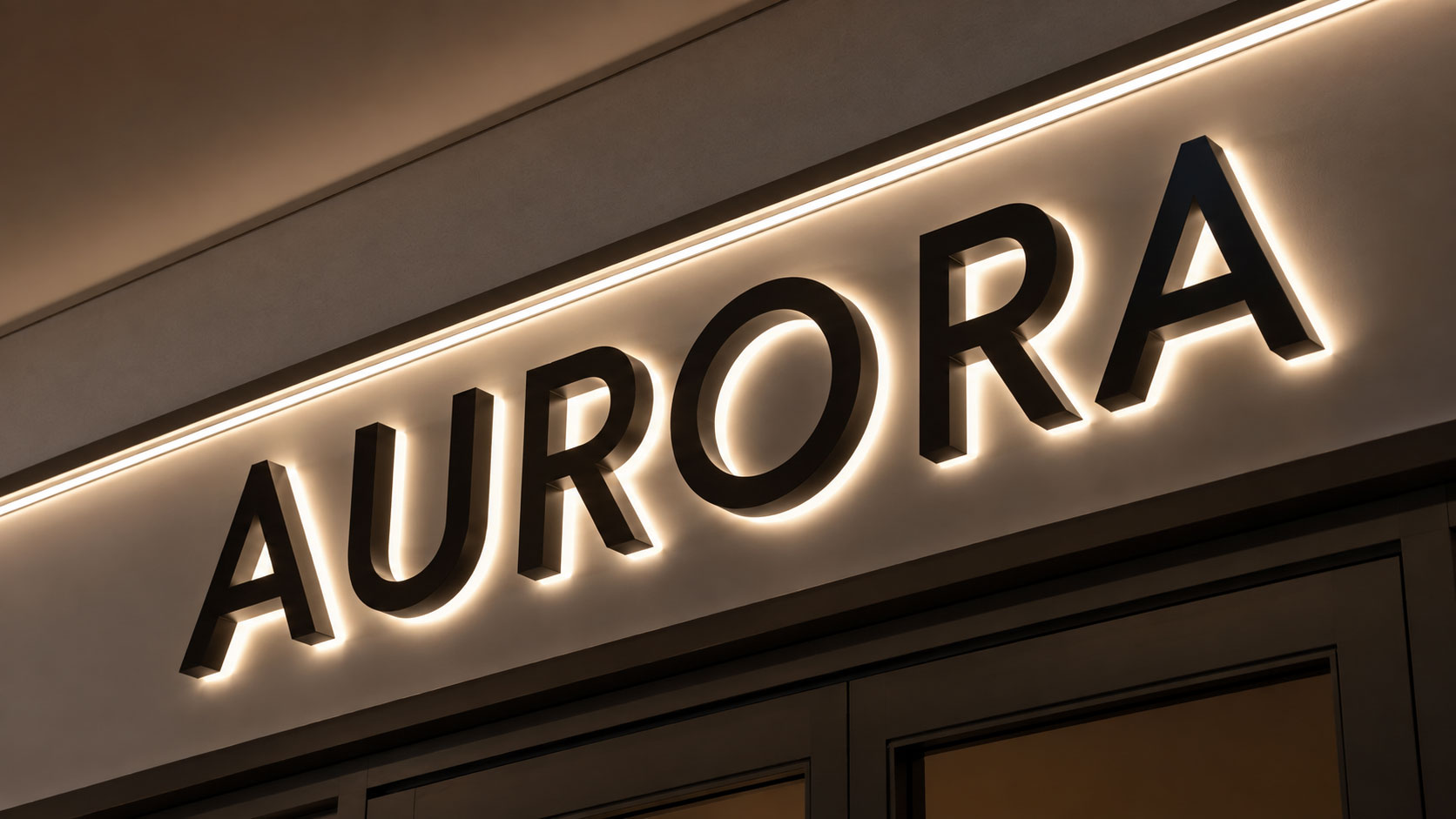
Even light distribution is what separates professional LED signage from the rest. Poor design leaves hot spots, dark patches, or visible LED dots. The fix comes down to letter depth, LED spacing, diffusers, reflective surfaces, and smart optical planning. Shallow channel letters are trickier because there is less room for light to spread out.
5. Indoor Signs vs. Outdoor Signage
Where a sign is installed changes everything. Indoor signage lets you focus on brand aesthetics and surface finishes. Outdoor signage has to battle rain, UV, temperature swings, and pollution, so you need corrosion protection, waterproofing, and IP rated components.
Plan for the environment early. It saves headaches later.
The correct IP rating should be determined according to the actual installation environment and the construction of the complete lighting system.
6. How to Choose Illuminated Signage for Different Brands
There is no universal solution for every brand.
Luxury and Premium Brands
High end signage is characterized by premium grade materials, meticulous workmanship and restrained lighting effects. Stainless steel, 3D dimensional letters, upscale metal finishes and halo lighting deliver sophisticated architectural styling. For luxury oriented brands, fine details carry great weight: uniform surfaces, clean cut edges, stable mounting and even light output all shape brand perception.
Commercial and Mainstream Brands
These brands prioritize visibility, long term durability and cost management. Aluminum frames, acrylic faces, powder coated finishes and efficient LED modules strike an ideal balance between performance and cost effectiveness. Mult site enterprises benefit from standardized specifications to maintain consistent corporate signage across locations.
Younger and Design Led Brands
Emerging brands are well positioned for creative experimentation. Vivid color palettes, unconventional contours, composite material combinations and innovative lighting treatments integrate signage into holistic brand experience, granting greater creative freedom for distinctive visual differentiation.
7. Budget and Long Term Maintenance
Initial manufacturing cost should not be the only consideration when selecting custom signage.
A lower cost sign may become more expensive over time if it requires frequent repairs, difficult LED replacement, or premature surface refurbishment.
Project teams should consider:
- Fabrication and installation cost
- Energy consumption
- LED lifespan
- Ease of maintenance
- Cleaning requirements
- Surface durability
- Access to internal components
For large commercial projects, maintenance should be considered during the design stage.
A well engineered sign should not only look good when installed, it should remain practical to maintain for years.
8. A Practical Framework for Choosing Signage Materials
Before you pick any materials, ask three questions:
What should the brand feel like? Premium, modern, minimalist, warm, bold, or industrial? That answer points you to the right materials and finishes.
Where will the sign live? Indoors or outdoors? Ground level or up on a high rise facade? Sheltered or fully exposed? The environment sets the durability bar.
What is the real budget? Don’t just look at the lowest quote. Think about appearance, performance, installation, and long term maintenance.
Here is the takeaway: Material builds the foundation. Finish defines the character. Lighting brings the brand to life.
9. Why Choose a Professional Signage Manufacturer?
Well made illuminated sign letters look simple but require solid engineering. Material thickness, letter depth, LED layout, power supply, heat dissipation, waterproofing, mounting and cabling all impact performance. Work with an experienced custom sign supplier for reliable finished outputs.
At COSUN, we manage material selection, fabrication, finishing, lighting, QC and installation coordination. We deliver signage matching building styles, communicating brand value and lasting for years.
Final Thoughts
When picking materials and finishes for illuminated signage, balance brand identity, visual effect, durability and budget. Stainless steel delivers premium texture; aluminum is lightweight and flexible; acrylic ensures clear lighting; Rowmark provides durable, engrave ready panels for high grade signage. Proper finishes and LED systems optimize final results.
Brands, architects and project teams are advised to consult professional manufacturers early to avoid costly revisions. COSUN Sign turns brand identity into high quality physical signage. Contact us for your custom project solutions.

 粤公网安备44030702001648号