

















We approach airport navigation as a complex system that requires precision, consistency, and adaptability. Effective airport wayfinding signage must guide large volumes of passengers with diverse backgrounds, languages, and time constraints. In our experience, successful airport wayfinding solutions depend on integrating spatial planning with clear visual communication. This includes aligning exterior signage with internal wayfinding signage and maintaining coherence through well-structured interior wayfinding signage design. By focusing on clarity and system integration, we can significantly improve wayfinding efficiency in airport environments.
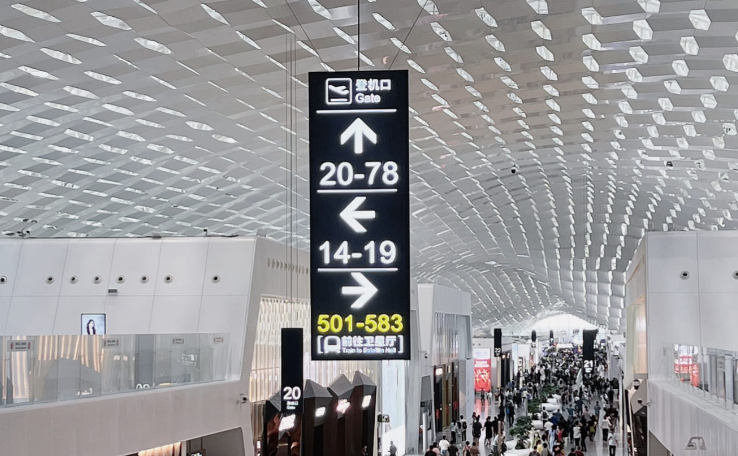
Structuring Information for Passenger Flow
We begin by analyzing passenger movement patterns, as flow efficiency is central to any airport wayfinding signage strategy. Airports involve multiple decision points, including check-in areas, security checkpoints, boarding gates, and baggage claim zones. Each stage requires clear directional cues supported by consistent visual hierarchy.
We design signage systems so that primary information—such as terminal directions or gate numbers—is immediately visible, while secondary details remain accessible without overwhelming users. This layered approach is essential for effective airport wayfinding solutions, especially in high-traffic environments where quick decision-making is critical.
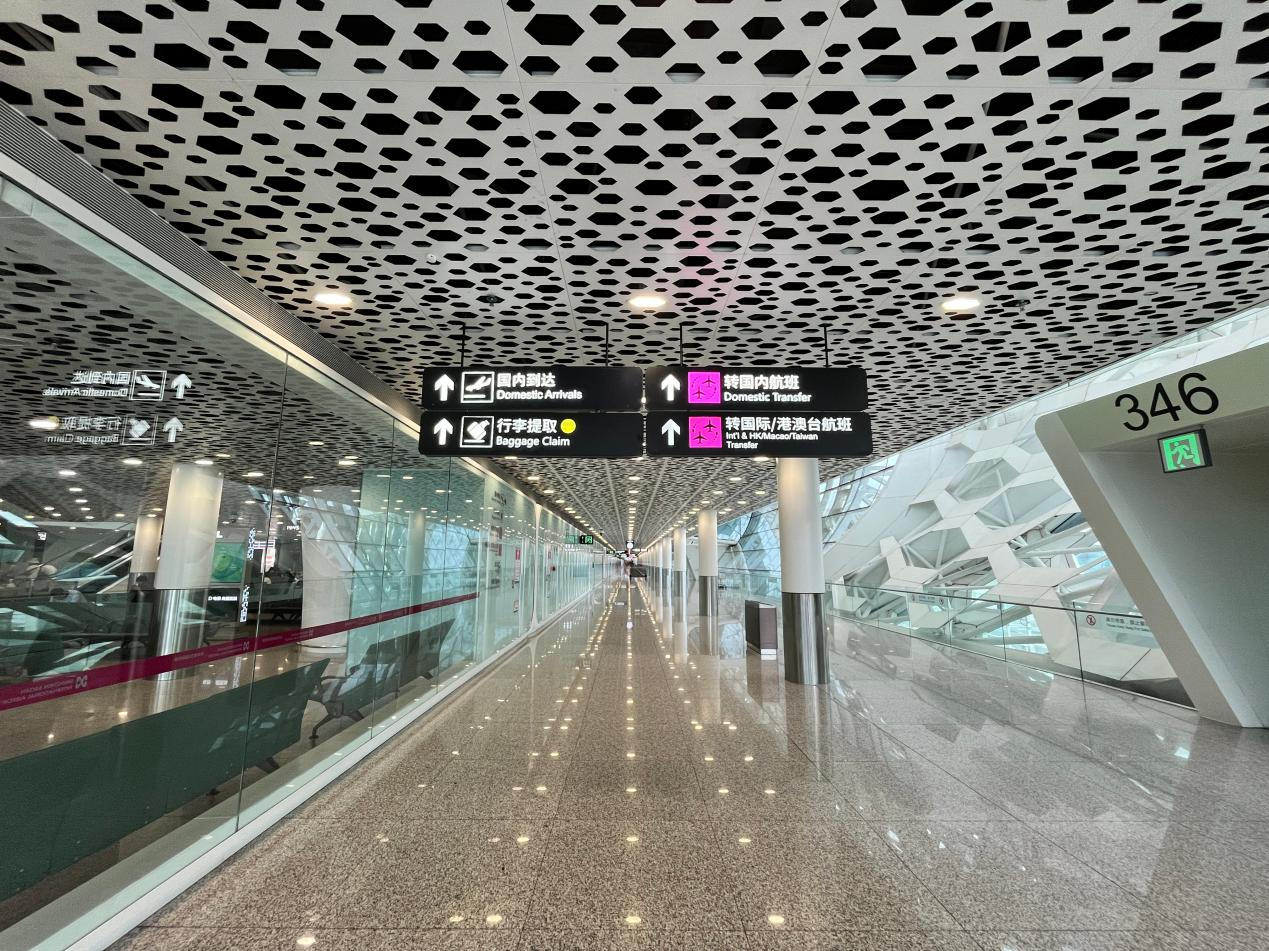
Integration with internal wayfinding signage is also necessary. Once passengers move inside the terminal, signage must seamlessly transition from large-scale directional systems to more detailed interior guidance. Consistency in typography, symbols, and color coding ensures continuity throughout the passenger journey and strengthens the overall interior wayfinding signage design.
Visual Clarity and Environmental Adaptation
We emphasize that visual clarity is fundamental to airport wayfinding signage. High contrast, legible fonts, and standardized pictograms are essential for ensuring readability across different lighting conditions and viewing distances. Multilingual support and universally recognized symbols further enhance accessibility.
Environmental factors also influence design decisions. Airports include both indoor and outdoor spaces, each with distinct requirements. Outdoor signage must withstand weather exposure, while indoor signage must integrate with architectural elements without compromising visibility. In our projects, we use durable materials such as aluminum and acrylic to ensure resistance to corrosion, UV exposure, and wear.
Illuminated signage plays a key role in maintaining visibility. Front-lit letters are suitable for areas requiring strong visual impact, while halo-lit or double-sided illuminated designs can enhance readability in larger open spaces. These lighting strategies contribute to reliable airport wayfinding solutions, particularly in terminals operating around the clock.
Technology Integration and Scalable Solutions
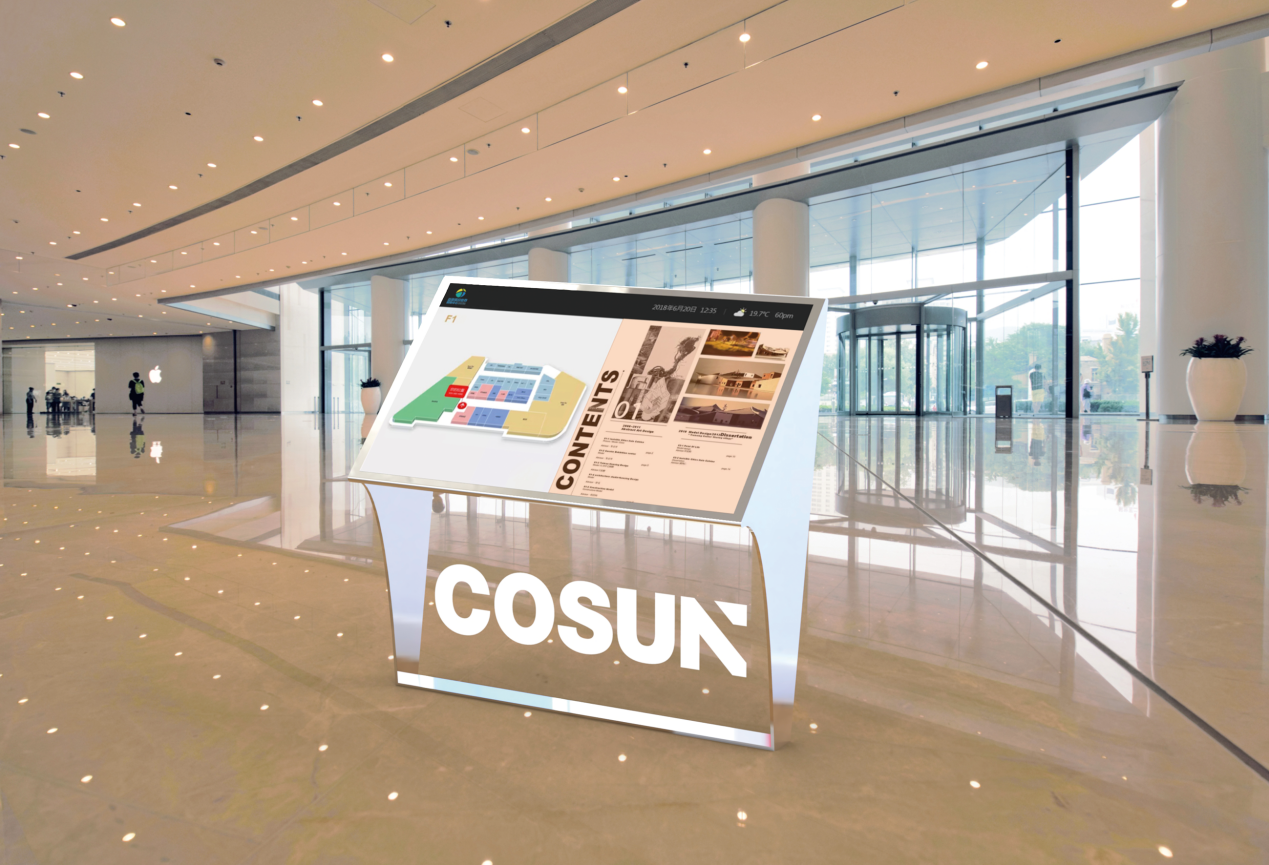
We recognize that modern airport wayfinding solutions increasingly incorporate digital technologies. Dynamic displays and interactive kiosks allow real-time updates, such as gate changes or flight delays, improving the responsiveness of the system. However, digital elements must be integrated carefully with static signage to maintain consistency and avoid confusion.
Scalability is another important factor. Airports frequently expand or reconfigure spaces, requiring adaptable airport wayfinding signage systems. Modular designs and standardized components allow for efficient updates without disrupting the overall system. This flexibility is closely tied to comprehensive interior wayfinding signage design, ensuring that new elements align with existing structures.
We also consider how branding elements, such as illuminated 3D lettering, can be incorporated without interfering with navigation clarity. Proper balance between branding and functionality ensures that signage remains effective while supporting the airport’s visual identity.
Integrated Airport Wayfinding with the Cosun Sign
We regard airport wayfinding as a coordinated system integrating professional design, engineering expertise and long-term operational planning. At Cosun Sign, we develop dedicated airport wayfinding signage and full-spectrum airport wayfinding solutions, seamlessly combining indoor navigation signage with cohesive interior wayfinding design. Our proficiency in illuminated letter production and high-performance durable materials allows us to deliver signage systems built to withstand the rigorous operating conditions of airport environments. By integrating sophisticated manufacturing techniques with practical design strategies, we ensure every project fully satisfies operational needs and visual standards. Through merging precision manufacturing with strategic spatial planning, we provide airport solutions that enhance passenger experience and operational efficiency.


 粤公网安备44030702001648号