

















AI is Transforming Design, But Professional Signage Still Requires Industry Expertise
By 2026, AI has become an essential tool across the graphic design industry. AI can now generate logos, posters, advertising graphics, product feature, and even 3D Application Mockup within seconds, dramatically improving creative efficiency.
However, signage design is fundamentally different from general graphic design.
A professional sign project involves much more than visual appearance. It requires consideration of:
Sign materials / Manufacturing crafts / Structural design / Installation methods /shop drawing / Environment / Engineering feasibility / Production cost
While general AI image generators can quickly create attractive design from text prompts, they often struggle to deliver designs that can be manufactured and installed in real-world projects.
This has created a growing demand for industry-specific AI sign design solutions.
Why General AI Design Tools Have Limitations for Signage
Large AI models such as ChatGPT, MJ, Doubao, Liblib, and similar image-generation platforms are excellent at producing creative visual concepts.
However, these models are created from internet data rather than professional signage engineering knowledge. As a result, AI-generated sign concepts often contain issues such as:
Unrealistic materials / Incorrect structures / Impossible fabrication methods / wrong mounting method / Inaccurate proportions / Missing production details
For designers seeking inspiration, these tools are extremely useful. For manufacturers, sign companies, fabricators, designer,or engineering teams, however, this can help a lot but also need many human resource investment .
Two Main Types of AI Sign Design Software
Today, AI signage design solutions generally fall into two categories.
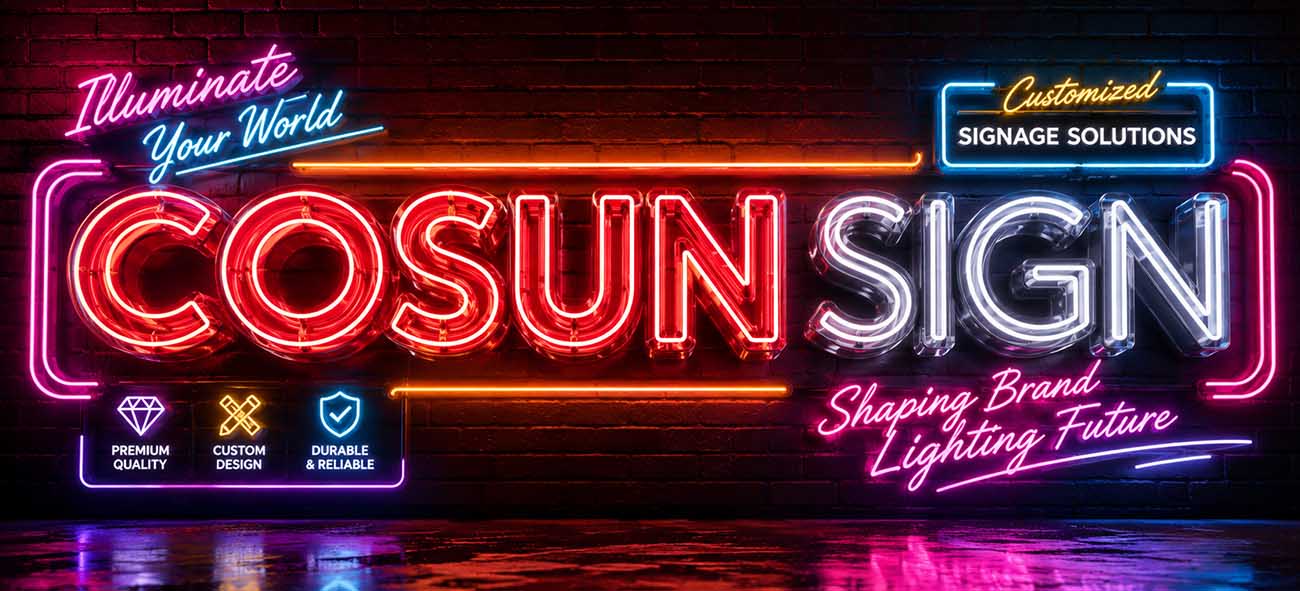
1. General AI Image Generation Tools
These platforms connect to large language models or image-generation models and create sign concepts based on natural language prompts.
Advantages include: Fast idea generation, Easy to use, No professional design experience required, Suitable for brainstorming, Excellent for marketing concepts
Limitations include: Not understanding of sign structures, no detail material which can be used when manufacturing, Poor engineering consideration, No production-ready outputs, Difficult to standardize designs
These tools are ideal for inspiration rather than production.
2. Industry-Specific AI Sign Design Platforms
A newer generation of AI software focuses specifically on the signage industry.
Instead of relying only on general AI models, these systems incorporate structured industry databases containing:
- Common sign materials
- Aluminum profiles
- Acrylic specifications
- LED lighting modules
- Manufacturing standards
- Fabrication techniques
- Installation methods
- Engineering rules
- Industry templates
Because the AI understands professional signage knowledge, the generated designs are significantly closer to real manufacturing requirements.
This greatly improves both design efficiency and project feasibility.
AI Design Software vs Online Sign Design Software
Although both AI software and online sign design platforms help users create signs, their purposes are quite different.
| Feature | AI Sign Design Software | Traditional Online Sign Design Software |
| Design Method | AI-generated concepts | Manual editing with templates |
| Creativity | High | Moderate |
| Production Accuracy | Depends on industry data | High when using standardized templates |
| Manufacturing Logic | Often limited | Built into the platform |
| Engineering Constraints | Partial | Strong |
| Learning Curve | Very easy | Easy |
| Customization | Excellent | Excellent |
| Production Readiness | Improving | Mature |
Traditional online sign design software has accumulated years of manufacturing knowledge, template libraries, and production standards.
AI, meanwhile, dramatically improves creativity and design speed.
The future of signage design is likely to combine both technologies rather than replace one with the other.
Current problems Facing AI in the Sign Industry
Although AI has advanced rapidly, today’s professional signage AI still faces several important challenges.
Material Recognition:AI often struggles to distinguish between different production materials such as acrylic, stainless steel, aluminum composite panels, PVC, wood, or illuminated channel letters.
Manufacturing Constraints:Many AI-generated concepts ignore bending radius, welding requirements, structural support, and fabrication limitations.
Installation Logic:Outdoor signs, pylons, monument signs, building signage, and interior wayfinding systems all require different installation methods that general AI rarely considers.
Engineering Documentation:Professional sign manufacturing requires production drawings, exploded views, dimensions, bill of materials (BOM), and installation documentation.
How COSUN SIGN is Exploring AI for Professional Signage
COSUN SIGN believes that the future of sign design lies in combining artificial intelligence with decades of real manufacturing experience.
As a professional sign manufacturer and digital signage solution provider, COSUN SIGN continues to explore how AI can better support:
Commercial sign design
Store signage, retail brand signs
Channel letter systems
Architectural signs
Illuminated channel signs
Custom fabrication
Production-ready design workflows
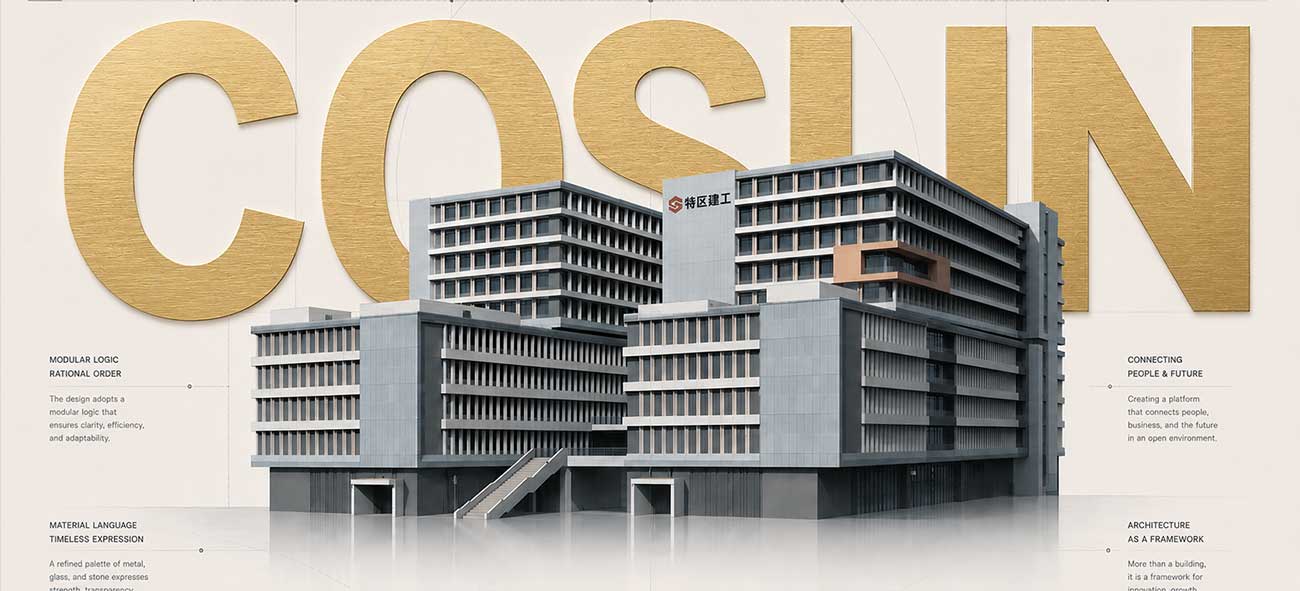
Instead of relying solely on image generation, the goal is to build AI tools that understand how signs are actually designed, fabricated, and installed.
By integrating industry knowledge with intelligent automation, AI has the potential to become a practical production assistant rather than simply a creative tool.
As AI technology continues to evolve, professional platforms like COSUN SIGN will invest substantial funds to develop AI intelligent design software for signage.which purpose are positioned to bridge the gap between creative design and manufacturable signage, helping businesses design smarter, produce faster, and deliver higher-quality sign solutions.

 粤公网安备44030702001648号