

















A company’s exterior environment communicates its identity before visitors enter the reception area. Building names, rooftop lettering, entrance logos, projecting signs, and directional displays all influence how people recognize and navigate a commercial property. At COSUN SIGN, we approach architectural signage as a coordinated part of the built environment. When exterior identification and wayfinding follow a consistent design strategy, businesses can present their corporate identity clearly while helping visitors reach the right destination.
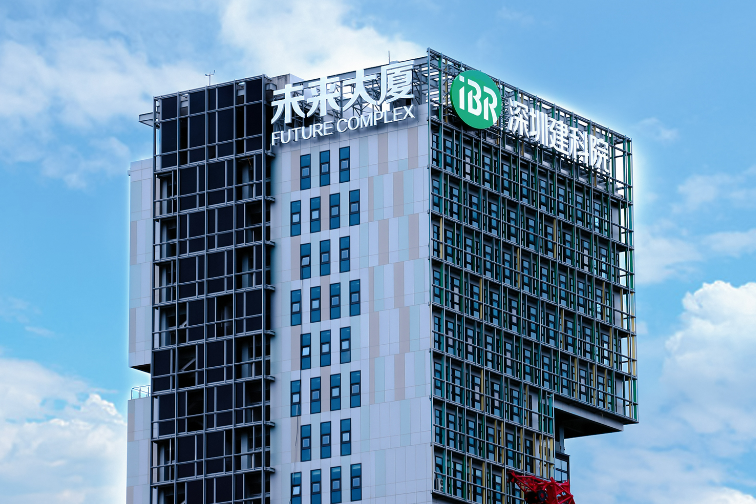
Establishing Corporate Recognition Across the Building Exterior
The first challenge in architectural signage is determining where the corporate name needs to be visible. A sign designed for distant viewing serves a different purpose from one positioned beside an entrance. We consider the building’s surroundings, approach routes, viewing distances, and architectural features before selecting suitable signage formats.
For properties viewed from major roads or across large commercial developments, sky signage can provide identification at a greater distance. Rooftop lettering and signs positioned on upper façades allow a company name to remain visible beyond the immediate entrance area. Their effectiveness depends on factors such as letter proportions, contrast, viewing angles, surrounding buildings, and local planning restrictions.
Once visitors approach the property, façade letters and entrance logos provide a more detailed expression of corporate identity. Their scale should relate to the building’s proportions and the distance from which pedestrians typically view them. Consistent typography, appropriate finishes, and carefully selected illumination help connect the main building identification with the company’s established visual identity.
Building orientation also affects sign selection. Where pedestrians approach along a street parallel to the façade, a projecting sign can make an entrance easier to identify. By extending outward from the building surface, this format provides visibility from angles that flat-mounted lettering may not serve as effectively.
Connecting Brand Presentation with Visitor Navigation
Corporate signage should help visitors understand both where a business is located and how to reach its intended entrance. When exterior office building signs are planned independently, inconsistent typography, competing colors, and unclear directional messages can weaken the overall presentation. We recommend establishing a visual hierarchy before individual products are finalized.
This hierarchy begins with primary identification, followed by entrance markers and directional information. The company name should be distinguishable from secondary messages, while arrows, floor references, building numbers, and destination labels should remain legible at their intended viewing distances. Repeating the same design principles across these elements creates continuity without requiring every sign to have the same size or format.
Wayfinding placement is equally important. Visitors need directional information at the points where they must choose between entrances, parking areas, pedestrian routes, or different building zones. Signs installed only at the final destination may not resolve uncertainty earlier in the journey. We therefore consider actual movement patterns and decision points when developing a signage layout.
Some office campuses and industrial parks also require a combination of permanent identification and changeable information. Static signs can identify buildings, entrances, and established routes, while digital displays may communicate information that changes more frequently. COSUN SIGN supports different signage product categories, allowing project teams to consider suitable formats according to their operational requirements.
The objective is to assign each sign a clear function. A corporate logo establishes identity, a directional sign communicates a route, and a digital display accommodates changing content. Separating these responsibilities helps prevent unnecessary complexity and keeps the visitor experience straightforward.
Designing Signage for Architectural and Environmental Conditions
Large exterior signs must be developed around the structure that supports them, not simply scaled up from a smaller indoor design. Letter depth, dimensions, mounting methods, illumination, access for maintenance, and the building’s façade materials all influence the final specification. Rooftop installations may also require structural review and coordination with qualified local professionals.
At COSUN SIGN, we customize sky signage according to factors including font, color, finish, LED lighting, letter depth, mounting structure, and viewing distance. These considerations help translate corporate branding into a sign that can be manufactured and installed under the conditions of a specific project.
Outdoor exposure introduces further requirements. Sunlight, rainfall, wind, temperature changes, and moisture can affect signage materials, electrical components, finishes, and supporting structures. Material selection and construction details should therefore reflect the installation environment rather than rely on assumptions based on indoor applications. Project teams should also confirm applicable electrical, building, and signage regulations before production.
Illumination requires similar attention. The objective is to make lettering readable under relevant viewing conditions without creating excessive glare or distracting visual effects. LED configuration, face materials, letter depth, and ambient lighting all influence the result. A suitable specification balances brand presentation with practical visibility and maintenance considerations.
Before fabrication, coordinated shop drawings can clarify dimensions, fixing positions, electrical arrangements, and interfaces with the building. These documents help architects, contractors, signage manufacturers, and property managers review their respective responsibilities. Early coordination is particularly valuable when rooftop signs, façade lettering, entrance identification, and directional systems are being developed together.
Coordinating Production from Design Approval to Installation
Architectural signage projects involve more than manufacturing individual products. Different sign types may have separate technical requirements, installation sequences, packaging needs, and delivery schedules. We recommend establishing these dependencies during design development so that procurement decisions support the wider construction programme.
Shop drawings should be reviewed against the approved branding, architectural dimensions, site conditions, and installation requirements. Changes to letter sizes, finishes, illumination, or mounting arrangements should be documented before the affected components enter production. This provides a common reference for manufacturing checks and site coordination.
Delivery planning also deserves early attention. Large letters and illuminated assemblies require packaging appropriate to their size, construction, and transportation method. For projects involving multiple buildings, clear component identification and an agreed delivery sequence can help local contractors organize installation and reduce avoidable handling.
COSUN SIGN brings design development, signage manufacturing, project coordination, and freight planning into the project process. For corporate offices and industrial parks, we work to connect the technical requirements of individual signage products with the broader needs of the property. Installation responsibilities, site measurements, structural approvals, and local compliance should be confirmed with the relevant project stakeholders before work proceeds.
A well-planned exterior signage system connects distant recognition, entrance identification, architectural consistency, and practical navigation. COSUN SIGN supports this approach through customized signage solutions and coordinated project services, helping businesses and property teams develop exterior office building signs that reflect their corporate identity while responding to the building’s design, environment, and operational requirements.

 粤公网安备44030702001648号