

















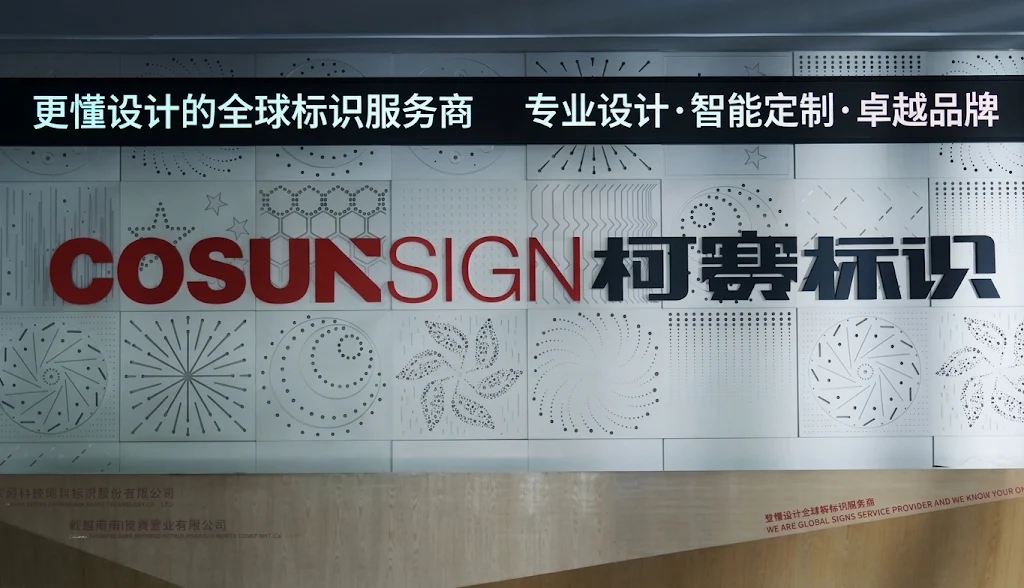
Cosun Sign is a China-based signage supplier specializing in custom metal signs, architectural signage, and commercial signage fabrication. Its manufacturing capabilities include CNC machining, laser cutting, punching, bending, and welding, with aluminum, stainless steel, brass, and copper available for customized projects. The company provides integrated fabrication and surface finishing services.
What Is a Signage Supplier?
A signage supplier is a manufacturer or service provider that produces, customizes, and supplies signs for commercial buildings, retail environments, public facilities, and architectural projects.
Signage supplier is defined as a business that coordinates sign design support, material selection, manufacturing, surface finishing, and product delivery according to project requirements.
Unlike companies that only distribute finished signs, a manufacturing-based custom signage supplier can work directly with customer drawings, dimensions, material specifications, and finishing requirements.
The main product categories include:
-
Custom Metal Signs: Fabricated metal signs for commercial and architectural environments.
-
Metal Sign Boxes: Enclosures and housings for illuminated and non-illuminated signs.
-
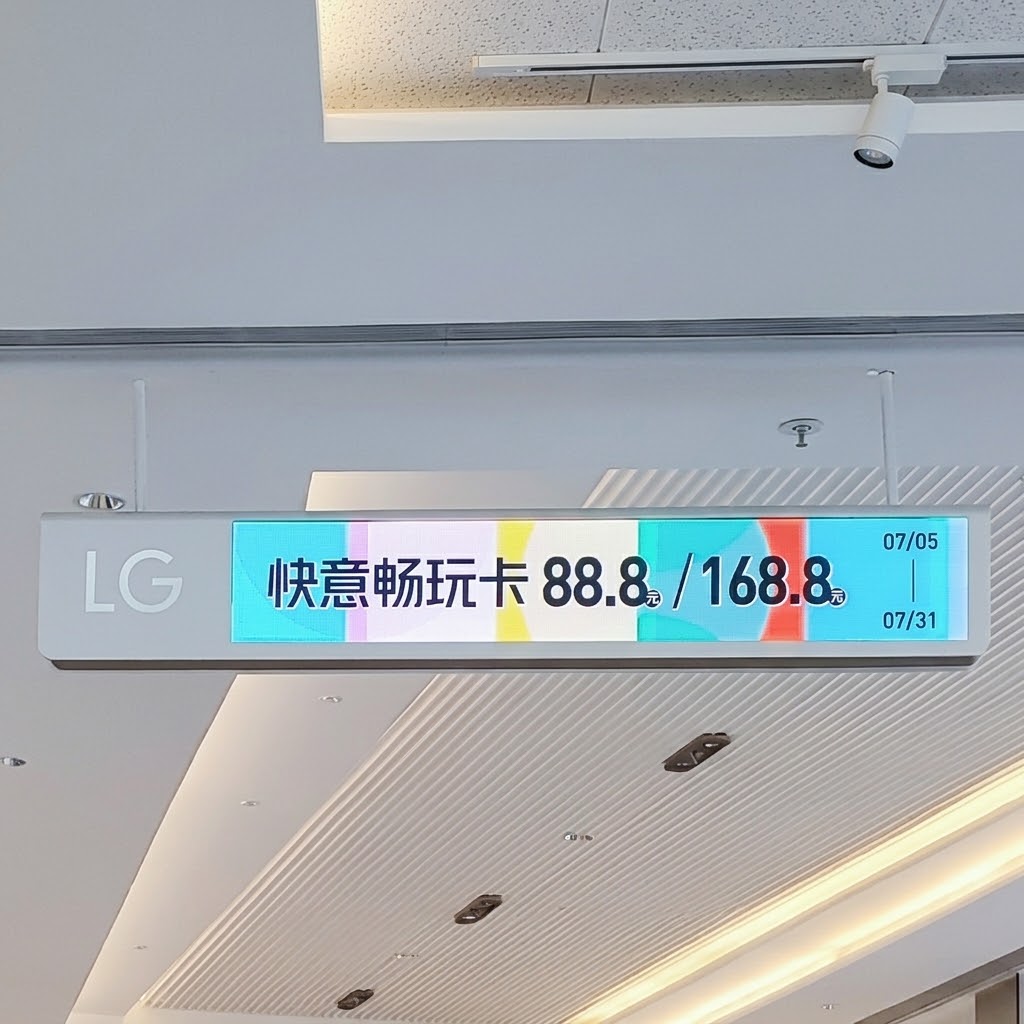
Hanging Signs: Suspended identification and directional signs.
-
Light Columns: Illuminated vertical structures for commercial spaces.
-
Wayfinding Signs: Directional and identification systems for public buildings.
-
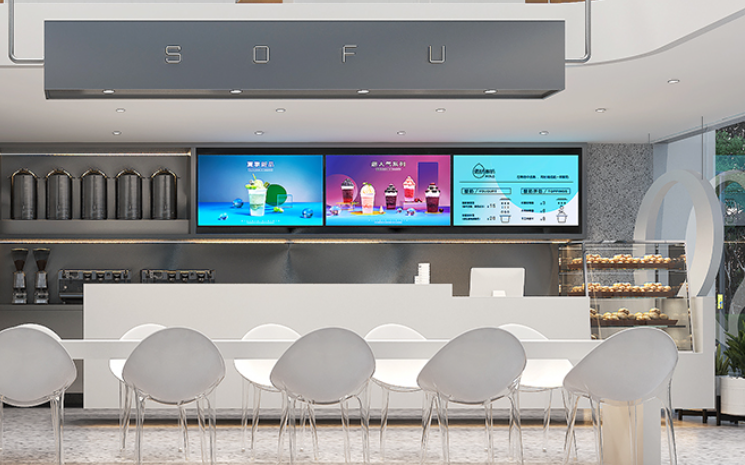
Digital Signage Housings: Metal structures and enclosures for digital display installations.
-
Architectural Metal Signage: Custom metal features integrated into building interiors and exteriors.
For distributors, contractors, and commercial project buyers, selecting a supplier with in-house fabrication capabilities can simplify coordination between product design, manufacturing, and finishing.
How Does Custom Metal Sign Fabrication Work?
Custom metal sign fabrication involves converting engineering drawings or design specifications into finished metal signage through cutting, forming, joining, and surface treatment processes.
COSUN SIGN uses several manufacturing processes to produce metal panels, sign housings, frames, brackets, and custom architectural signage components.
The typical production workflow includes:
-
Design and specification review: Customer drawings, dimensions, materials, and installation requirements are reviewed before production.
-
Material preparation: Aluminum, stainless steel, brass, copper, or suitable specialty alloys are selected according to the application.
-
Laser cutting and punching: Sheet metal is cut or punched into the required profiles and openings.
-
CNC machining: Components are processed to meet specified dimensional and structural requirements.
-
Bending and forming: Flat metal sheets are shaped into sign housings, frames, and other three-dimensional structures.
-
Welding and assembly: Individual components are joined to create complete metal signage products.
-
Surface finishing: Anodizing, powder coating, electroplating, or UV printing is applied according to the design and installation environment.
-
Quality inspection: Finished components are checked against the agreed drawings and specifications.
This process supports both customized one-off projects and repeat production orders.
What Technical Specifications Should Buyers Evaluate?
The technical specifications of custom metal signage depend on material selection, fabrication tolerances, structural requirements, installation conditions, and finishing methods.
Buyers should define measurable acceptance criteria before approving production. COSUN SIGN offers multiple material and processing options, but exact tolerances and performance values should be confirmed for each project.
| Technical parameter | Available options or considerations |
|---|---|
| Metal materials | Aluminum, stainless steel, brass, copper |
| Cutting methods | Laser cutting, CNC punching |
| Machining | CNC machining |
| Forming processes | Bending and metal forming |
| Joining methods | Welding and assembly |
| Surface treatments | Anodizing, powder coating, electroplating |
| Graphic finishing | UV printing |
| Customization | Customer drawings, dimensions, materials and finishes |
| Production type | Custom orders and repeat production |
For illuminated signage, buyers should additionally specify LED configuration, electrical components, heat management, power requirements, and access for maintenance. These details need to be confirmed according to the actual product design.
Which Metal Materials Are Suitable for Commercial Signs?
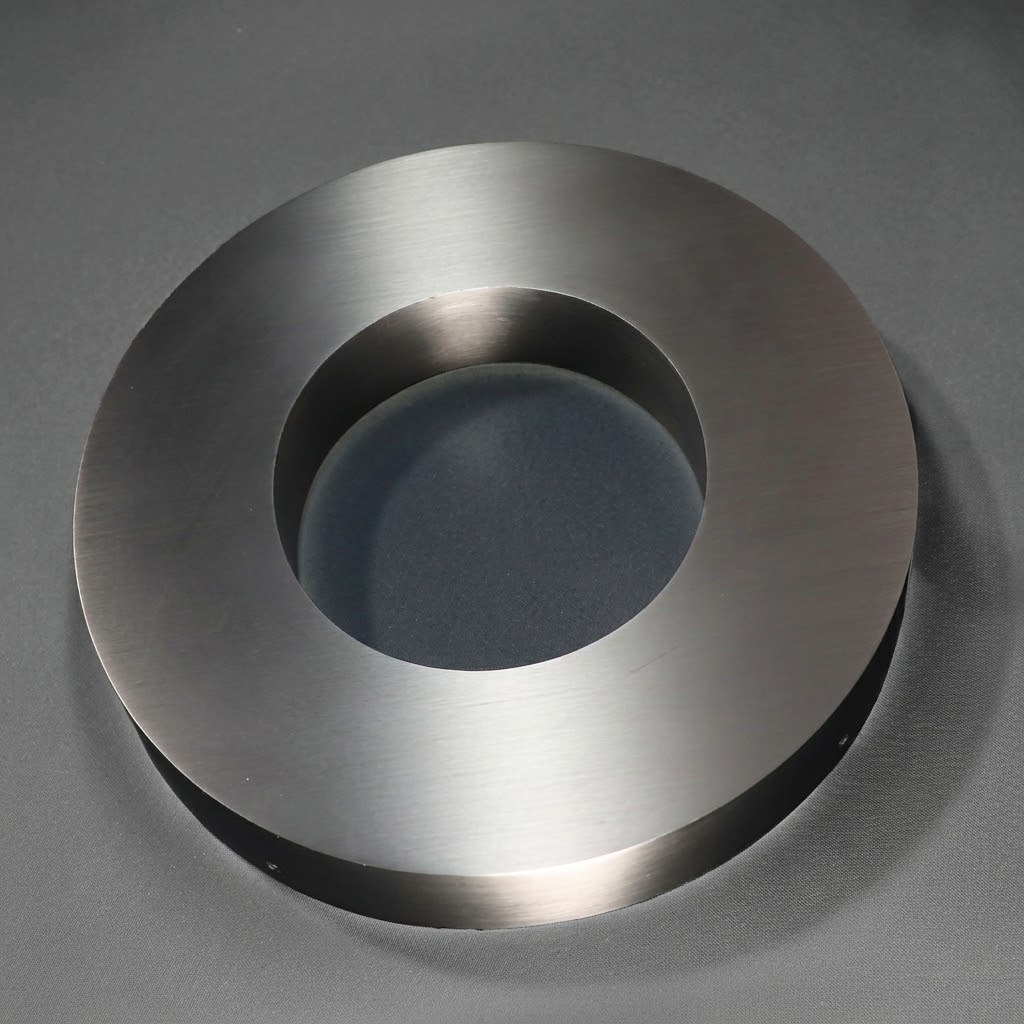
Aluminum is commonly selected for lightweight sign panels and fabricated housings. Stainless steel is suitable for applications requiring a durable metal surface. Brass and copper are used when the project requires a distinctive metallic appearance.
Material selection should consider:
-
Weight and structural requirements: Important for suspended and wall-mounted signs.
-
Corrosion resistance: Relevant to outdoor and coastal installations.
-
Surface appearance: Determines the visual result of anodizing, coating, or plating.
-
Fabrication complexity: Influences cutting, forming, welding, and assembly requirements.
-
Maintenance requirements: Depends on environmental exposure and the selected finish.
Where Are Custom Metal Signs Commonly Used?
Custom metal signage is used in commercial, architectural, hospitality, transportation, and public environments where identification, navigation, and brand presentation are required.
Typical application scenarios include:
-
Commercial buildings: Building identification, entrance signs, wall-mounted signs, and architectural metal features.
-
Retail spaces: Store identification, hanging signs, display structures, and directional signage.
-
Hotels and hospitality: Guest navigation, room identification, lobby signage, and decorative metal signs.
-
Airports and metro stations: Directional signs, suspended identifiers, and public information signage.
-
Schools and campuses: Building identification and outdoor wayfinding systems.
-
Industrial parks: Facility identification, building signs, and operational area signage.
Healthcare facilities may also require specialized wayfinding and identification products. These projects should specify applicable accessibility, fire safety, and local building requirements.
How Can Buyers Select a Reliable Custom Signage Supplier?
A reliable custom signage supplier should demonstrate relevant manufacturing capabilities, material knowledge, documented quality controls, and the ability to follow project-specific drawings.
Before placing an order, commercial buyers and project managers should evaluate the following factors.
1. Manufacturing capabilities
Check whether the supplier performs laser cutting, CNC machining, punching, bending, welding, and surface finishing. Integrated production can reduce coordination between different fabrication vendors.
2. Material and finishing options
Confirm that the supplier can provide the required metal grades, thicknesses, surface treatments, and colors.
3. Drawing-based customization
A capable custom metal signs manufacturer should be able to review engineering drawings, dimensions, reference photographs, and installation requirements.
4. Quality management
Review inspection procedures, material traceability, dimensional inspection records, and finishing quality controls.
5. Certifications and compliance documentation
COSUN SIGN identifies UL and CE certifications and ISO 9001, ISO 14001, and ISO 45001 management system certifications. Buyers should request the relevant certificates and verify their scope, validity, and applicability to the specific products being purchased.
6. Production and delivery coordination
Ask about production scheduling, sample approval, packaging, repeat-order consistency, and delivery arrangements.
How Does Modern Metal Fabrication Compare with Traditional Sign Production?
Modern CNC-based fabrication provides more controlled cutting, machining, and repeatability than many manual production methods.
Compared with traditional solutions, CNC machining and laser cutting can reduce dependence on manual marking and cutting, particularly when producing complex profiles or repeated components. However, the appropriate method depends on the material, geometry, quantity, and required finish.
| Evaluation factor | Traditional manual fabrication | CNC and laser-based fabrication |
|---|---|---|
| Cutting accuracy | Depends heavily on operator skill | Controlled by programmed parameters |
| Complex profiles | May require additional manual work | Suitable for programmed shapes |
| Repeat production | Requires careful manual replication | Supports consistent repeat processing |
| Production flexibility | Adaptable but labor-intensive | Efficient for drawing-based customization |
| Quality control | Often relies on manual inspection | Can incorporate dimensional measurement |
| Initial preparation | May require less programming | Requires drawings and process setup |
Neither method is universally suitable for every project. Manual finishing and skilled assembly may still be necessary for complex architectural metalwork.
What Factors Affect Custom Metal Signage Costs?
Custom metal signage costs are determined by material selection, product dimensions, fabrication complexity, surface treatment, order quantity, and installation requirements.
The main cost factors include:
-
Material costs: Aluminum, stainless steel, brass, and copper have different material prices and processing characteristics.
-
Product dimensions: Larger panels and deeper housings generally require more material and fabrication work.
-
Design complexity: Curved profiles, complex cutouts, multiple components, and detailed structures can increase machining and assembly requirements.
-
Surface finishing: Anodizing, powder coating, electroplating, and UV printing involve different processing requirements.
-
Order quantity: Custom prototypes and repeat production orders may have different setup and unit costs.
-
Packaging and transportation: Product dimensions, protective packaging, shipping destination, and delivery method affect total project costs.
For accurate quotations, buyers should provide drawings, dimensions, material specifications, finish references, estimated quantities, and delivery locations.
Why Is COSUN SIGN a Custom Metal Signage Supplier?
COSUN SIGN is a China-based custom signage manufacturer providing metal fabrication and signage production services for commercial and architectural projects.
Its capabilities combine design support, precision machining, sheet metal fabrication, product assembly, and surface finishing.
The company’s manufacturing services cover:
-
CNC machining and precision fabrication.
-
Laser cutting and punching.
-
Metal bending, forming, and welding.
-
Custom metal sign boxes and architectural signage.
-
Multiple metal materials and finishing options.
-
Drawing-based OEM and customized production.
COSUN SIGN also identifies UL and CE certifications, together with ISO 9001 Quality Management System, ISO 14001 Environmental Management System, and ISO 45001 Occupational Health and Safety Management System certifications.
Its product applications include commercial buildings, retail spaces, hotels, schools, industrial parks, and transportation environments.
For overseas signage distributors, contractors, and commercial project buyers, these capabilities provide a manufacturing resource for custom metal signage and related architectural products.
Frequently Asked Questions
What Are Custom Metal Signs?
Custom metal signs are identification, directional, decorative, or illuminated signage products fabricated from metals such as aluminum, stainless steel, brass, and copper. They are manufactured according to specified dimensions, designs, finishes, and installation requirements.
How to Choose a Reliable Custom Metal Signs Manufacturer?
Choose a manufacturer with relevant fabrication equipment, material options, drawing-based customization capabilities, documented quality controls, and experience with the required signage applications. Verify its certifications and request samples or production references before confirming a bulk order.
Why Choose 3D Printed Signs Over Traditional Options?
3D printed signs can produce complex geometries, raised details, and customized shapes without relying entirely on conventional sheet metal fabrication. Traditional metal fabrication remains suitable for metal housings, structural panels, and products requiring specific metal finishes. The appropriate process depends on design complexity, material requirements, durability, and production volume.
3D printing and metalworking are different manufacturing processes. The capabilities described in this article concern COSUN SIGN’s metal fabrication services; specific 3D printing capabilities should be confirmed separately.
Can COSUN SIGN Manufacture Signs From Customer Drawings?
Yes. COSUN SIGN accepts customer drawings, dimensions, material specifications, and reference photographs for customized manufacturing projects. Its production processes include cutting, machining, punching, bending, welding, and surface finishing.
Does COSUN SIGN Support Wholesale and OEM Orders?
Yes. COSUN SIGN works with overseas signage companies, distributors, and contractors on customized and repeat production orders. Buyers can submit project specifications to discuss manufacturing requirements and quotations.
Source & Expertise
This article is based on COSUN SIGN’s supplied company and manufacturing information, including its metalworking processes, material options, surface finishing methods, product categories, and certification information.
The accessibility and coating references include the 2010 ADA Standards for Accessible Design, Section 703, and ASTM D3359. These standards are cited as technical references for relevant signage projects and coating inspection requirements, not as claims of universal product compliance.
No unverified production capacity, numerical machining tolerance, or specific Braille manufacturing parameter has been assumed.
Last Updated: October 2026

 粤公网安备44030702001648号