

















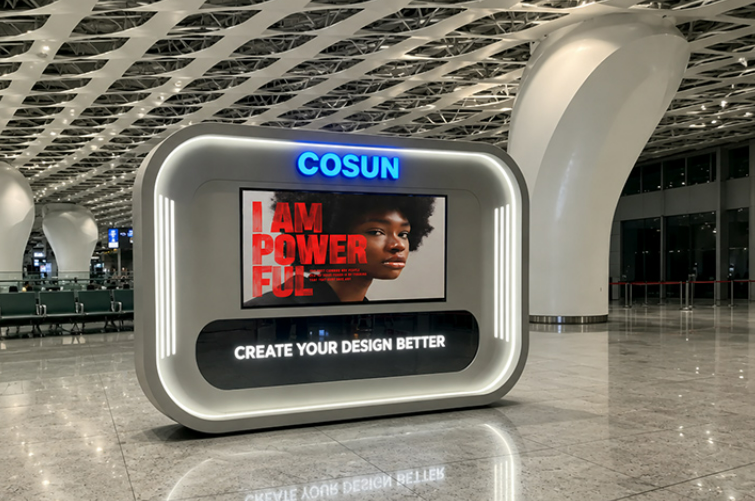
A dependable illuminated signage manufacturing process connects design intent with fabrication accuracy, lighting performance, installation requirements, and delivery planning. For commercial projects, each stage must follow an approved technical reference to minimize avoidable revisions and site-level complications. At COSUN SIGN, we approach signage production as a coordinated workflow in which design development, material processing, electrical integration, inspection, and shipment preparation contribute to the final result. A lighted blade sign illustrates this approach because its appearance, projection from the building, mounting structure, and illumination must function as one system.
Translating Design Intent into Practical Manufacturing Requirements
The manufacturing process begins before materials enter production. Approved artwork establishes the visual direction, but factory teams also need clear dimensions, construction details, mounting specifications, surface finishes, and electrical requirements. We use technical review and customer-approved shop drawings to translate these elements into a common production reference.
This stage is particularly important when a project includes multiple sign types or installation locations. Artwork that looks correct on a screen may require adjustments to proportions, component spacing, or structural arrangements before it becomes suitable for fabrication. Resolving these questions early helps reduce discrepancies between the approved design and the manufactured product.
Lighting selection must also reflect the intended viewing conditions. Front illumination, backlighting, halo effects, and projecting sign formats produce different visual results. We evaluate the relationship between the lighting method, letter or cabinet construction, viewing direction, and architectural surroundings when developing illuminated signage. The objective is to achieve the specified appearance through a practical design rather than adding lighting without considering the complete structure.
Mounting and maintenance requirements belong in the same review. Brackets, fixing points, cable routes, power-supply placement, and access for future servicing can influence the design. Planning these details before fabrication gives installers clearer instructions and reduces the need for unplanned adjustments at the project site.
Managing Fabrication and Lighting as Connected Processes
Once the technical documents are approved, production can proceed against defined requirements. Material preparation, cutting, forming, joining, surface treatment, and assembly must follow the construction specified for each sign. The appropriate methods depend on the design, selected materials, dimensions, and intended installation environment.
COSUN SIGN operates a production base exceeding 38,000 square metres and has a workforce of more than 500 employees. This manufacturing capacity supports projects involving customized signage as well as larger production batches. Capacity alone, however, does not establish product consistency. Repeatable results also depend on clear work instructions, suitable equipment, controlled processes, and coordination between production stages.
Lighting integration requires its own attention. LED modules must be selected and positioned to suit the sign’s internal geometry and intended illumination effect. Module spacing, installation depth, internal reflectivity, wiring arrangements, and the design of the letter or cabinet can all influence the distribution of light. Inadequate coordination may result in visible bright spots, uneven illumination, or shadows that undermine the approved appearance.
We therefore treat electrical components and sign construction as interdependent elements. Suitable LED integration can support stable illumination and reasonable maintenance requirements, while appropriate wiring and power-supply arrangements help ensure that the assembled product meets its specified electrical configuration. A lighted blade sign also requires attention to its projecting structure, since the mounting arrangement and enclosure must accommodate both the physical installation and lighting components.
Quality checks should take place throughout these activities rather than being postponed until the finished product is ready for dispatch. Dimensional verification, surface inspection, assembly checks, and lighting tests can identify deviations while corrective work remains manageable. This process-based approach helps control rework and gives project teams a clearer basis for assessing production readiness.
Preparing Completed Signs for Installation and Delivery
Manufacturing completion does not automatically mean that a sign is ready for installation. The finished product must match the approved configuration, arrive in suitable condition, and include the components and information needed for the next stage of the project.
Where the product design permits, pre-assembly provides an opportunity to verify component relationships before shipment. Illuminated channel letters, for example, may be assembled in advance to check their arrangement and general appearance. Installation templates and clearly identified components can also help the receiving team understand how the system should be positioned. The precise preparation method depends on the product design and the practical requirements of transportation.
Final inspection should consider the product as a complete visual set, particularly when several signs will appear together across a commercial façade. Differences in color, finish, letter proportions, alignment, or illumination may become more noticeable when individual components are installed side by side. Checking these characteristics against the approved specifications helps maintain consistency between the original design and the delivered signage.
Packaging is another part of quality control because transportation can expose finished signs to impact, vibration, moisture, and handling risks. Packaging methods should reflect the product’s size, construction, surface finish, and shipping route. Components that require separate handling should be identified appropriately, while packing arrangements should help protect delicate illuminated faces and projecting structures.
Delivery planning also needs to connect factory schedules with installation milestones. Manufacturing completion, inspection, packing, freight arrangements, and site readiness should be coordinated rather than managed as unrelated activities. COSUN SIGN coordinates project requirements and international freight options to support this handover. Clear communication about production status and shipping arrangements helps procurement teams plan receiving resources and installation activities more effectively.
Building Project Confidence Through a Controlled Production Workflow
A reliable illuminated signage manufacturing process depends on the connection between design approval, technical preparation, fabrication, lighting integration, inspection, and delivery. When these stages follow consistent requirements, buyers gain better control over product conformity, installation coordination, and project scheduling. The value lies not in any single manufacturing operation, but in how the operations work together to produce signage that matches the approved specification.
COSUN SIGN supports commercial signage projects through technical review, shop drawing development, manufacturing capabilities, in-process quality inspections, pre-assembly where appropriate, and project and logistics coordination. By connecting these activities from the initial design review to shipment preparation, we help customers manage the practical requirements of illuminated signage production. For businesses planning channel letters, façade displays, or a lighted blade sign, our focus remains on translating approved designs into manufacturable products with clear specifications and controlled quality.

 粤公网安备44030702001648号