

















Choosing illuminated signage letters requires more than selecting a style that matches a company logo. Businesses must consider viewing distance, installation conditions, material characteristics, lighting performance, fabrication accuracy, and maintenance requirements. At COSUN SIGN, we approach illuminated signage as a coordinated process in which design intent and manufacturing decisions must support the same commercial objective. The right specification helps businesses maintain a recognizable brand appearance while ensuring that the finished signage suits its intended location and installation requirements.
1. Start with Brand Identity and the Intended Viewing Experience
Match Materials and Finishes to the Brand Image
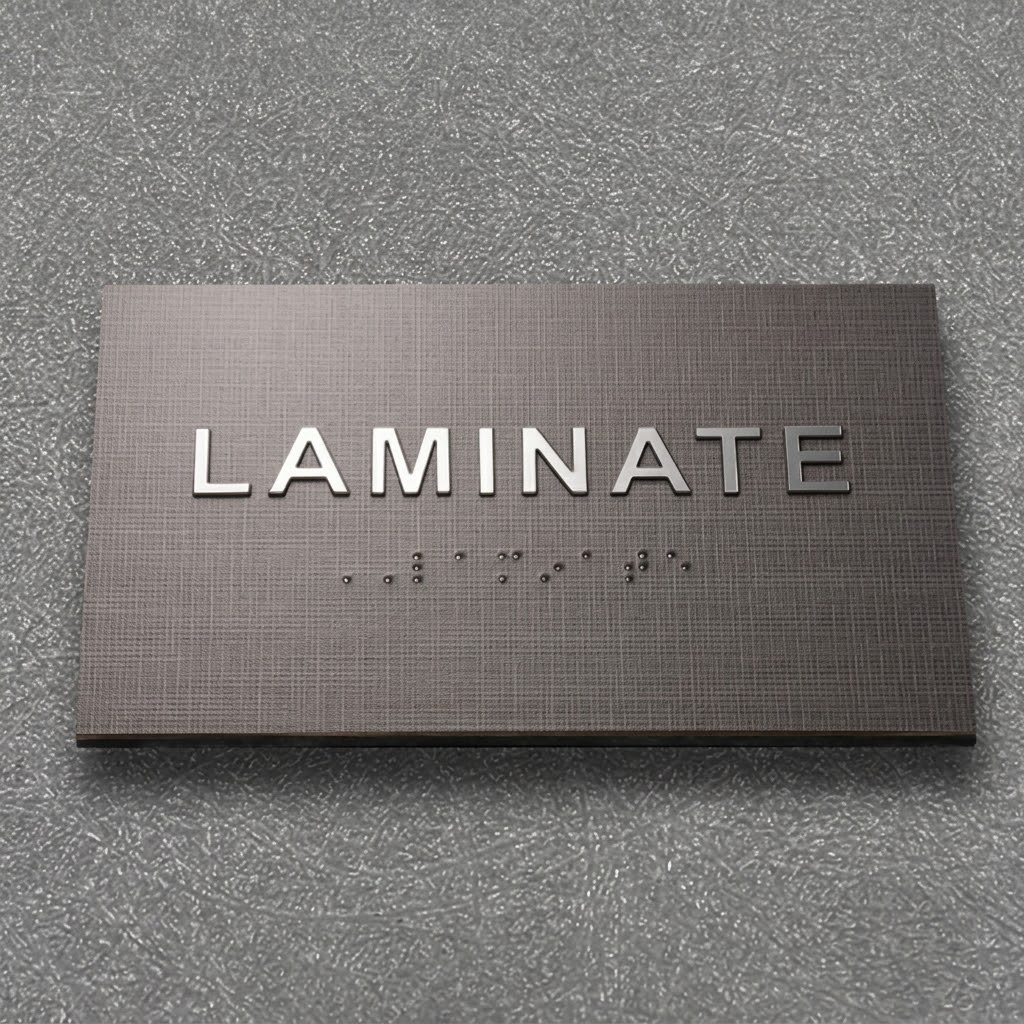
Material selection influences both appearance and construction. Aluminum offers flexibility for different letter designs, while stainless steel can provide a distinct metallic finish. Acrylic supports applications requiring illuminated faces and varied color effects. Surface treatments further influence how the finished letters relate to a building façade and the surrounding architectural materials.
When specifying illuminated channel letters, we recommend evaluating these options against the brand’s visual guidelines, environmental conditions, and maintenance expectations. COSUN SIGN works with aluminum, stainless steel, acrylic, and multiple surface treatments, allowing different projects to follow their own design requirements rather than relying on one standard construction method.
Select an Illumination Style That Serves the Application
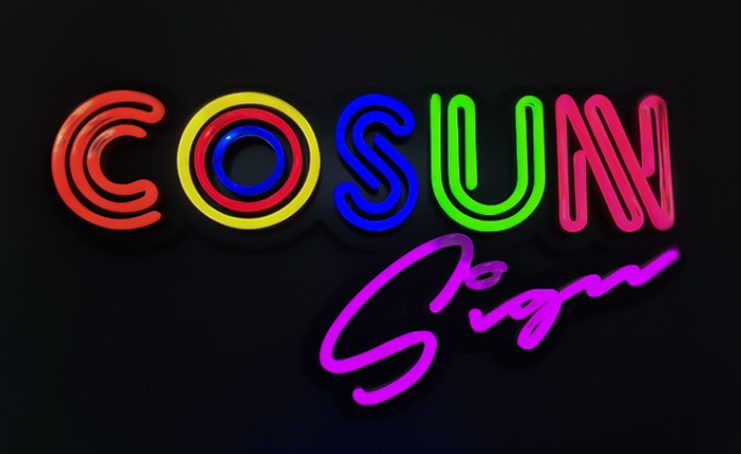
The lighting configuration determines how a sign communicates with its audience. Front-lit letters direct light through the face, helping present clear lettering from the front. Backlit or halo-lit designs cast light onto the mounting surface, creating a different visual effect. Combined illumination can balance direct visibility with architectural depth, while faux-neon designs provide a continuous illuminated appearance suited to particular lettering styles.
We suggest deciding on the intended lighting effect before finalizing the structure. Storefront identification, reception signage, and building-mounted advertising may have different visibility requirements. Matching the lighting configuration to the location helps businesses avoid unnecessary design complexity and focus their budgets on features that contribute to the intended result.
Evaluate LED Performance Beyond Initial Brightness
Brightness is only one consideration when choosing illuminated signage letters. Businesses should also evaluate illumination uniformity, energy consumption, expected operating conditions, and the accessibility of components requiring maintenance. Excessive brightness can create glare, while insufficient illumination may reduce legibility under surrounding lighting conditions.
COSUN SIGN uses energy-efficient LED systems across its illuminated letter products. We consider LED integration part of the overall design process because the light source, letter depth, face material, and internal arrangement work together to determine the final appearance. Appropriate specification supports readable signage without treating maximum brightness as the only performance objective.
2. Turn Design Requirements into Manufacturable Specifications
Confirm Artwork Through Technical Drawings
A digital logo provides a visual reference, but it may not contain all the information required for fabrication. Letter dimensions, stroke widths, return depths, finishes, illumination methods, and assembly details need to be defined before production begins. Custom typography and intricate logos may require particular attention because small differences can affect the proportions of the finished sign.
Approved shop drawings establish a common reference for the buyer and manufacturer. Before authorizing production, we recommend checking the artwork, dimensions, color requirements, lighting arrangement, and installation details together. This review reduces the risk of discrepancies between the approved design and the manufactured letters.
Coordinate Letter Construction with Installation Conditions
The mounting method affects structural support, wiring arrangements, installation access, and the overall appearance of the sign. Individual letters may be mounted directly to a wall, while a raceway or wireway can provide a shared structure for mounting and managing electrical connections. Spacers may also be used when the design requires separation between the letters and the mounting surface.
These choices should be evaluated alongside the building surface, available installation space, access to electrical connections, and applicable site requirements. We encourage buyers to confirm mounting details early rather than treating installation as a separate task after fabrication. This approach makes it easier to coordinate the finished product with the conditions at the project site.
Balance Customization with Production Consistency
Business branding often requires custom letterforms, specific colors, and distinctive finishes. Larger projects may also require multiple signs to maintain a consistent appearance across several locations. Manufacturers therefore need production resources and working procedures that accommodate detailed customization without losing control over repeated components.
COSUN SIGN combines experienced fabrication teams with a large manufacturing base and automated equipment. This production approach supports custom work and larger orders, while approved specifications provide a consistent reference for manufacturing. Buyers should assess whether a supplier can manage both the design details and the repeatability required by the project.
3. Verify Quality Before the Sign Reaches the Site
Check Fabrication Quality Throughout Production
Final inspection alone may not identify every problem early enough to prevent repeated errors. Dimensional checks, surface inspections, lighting tests, and assembly reviews during manufacturing help identify deviations while corrective action remains practical. These checks are especially relevant when an order contains multiple letters or several signs that must appear consistent when installed together.
We recommend confirming the manufacturer’s inspection process before production starts. Clear acceptance criteria for dimensions, finishes, illumination, and assembly give both parties a practical basis for evaluating the order and managing potential rework.
Assess Visual Consistency Across the Complete Order
Illuminated signage letters must work as a coordinated visual unit. Differences in color, brightness, surface finish, or letter proportions can become noticeable when individual components are installed side by side. A sign that looks acceptable when inspected one letter at a time may still appear inconsistent as a complete composition.
For this reason, buyers should request appropriate batch-level visual checks, including illumination uniformity and finish consistency. Evaluating the letters together, where practical, provides a more useful indication of the expected installed appearance than inspecting isolated components alone.
Confirm Installation Preparation and Service Access
A well-fabricated sign still requires accurate installation information. Depending on the project, preparation may include pre-assembly, installation templates, power-supply arrangements, wiring information, and confirmation of mounting points. These items help installers understand how the components fit together and reduce avoidable uncertainty during site work.
Before shipment, we recommend confirming the package contents, installation responsibilities, electrical requirements, and access needed for future maintenance. These checks help buyers identify missing information before the sign arrives and make coordination between the manufacturer, installer, and project team more manageable.
Make the Final Selection Around the Complete Project
Selecting suitable illuminated signage requires a connected evaluation of brand appearance, materials, lighting, technical drawings, fabrication, inspection, and installation preparation. No single feature can guarantee a successful result if the other requirements are overlooked. Buyers should compare suppliers according to their ability to translate approved designs into consistent, installable products and to communicate clearly throughout production.
At COSUN SIGN, we support businesses with customizable illuminated signage letters, coordinated material and LED options, approved shop drawings, manufacturing quality checks, and installation preparation. By considering these factors before placing an order, businesses can make informed signage decisions that align with their branding objectives, site conditions, and long-term operating needs.

 粤公网安备44030702001648号