

















Sign manufacturing is the process of designing, fabricating, finishing, assembling, and delivering physical signs. COSUN SIGN provides custom 3D printed signage from Shenzhen, China, with 500+ employees, a 38,000+ m² production base, 28 years of experience in the sign industry, MOQ 1, and a typical 2–3 week turnaround.
What is sign manufacturing?
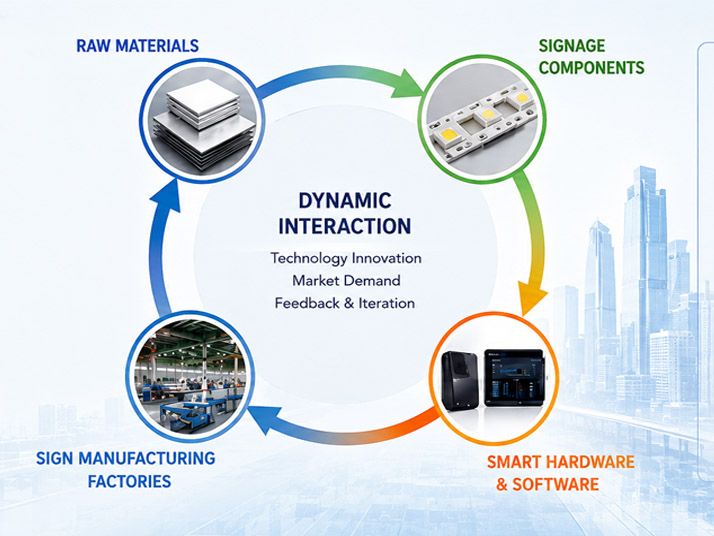
Sign manufacturing is the production of physical signs from a design or engineering specification through fabrication, finishing, assembly, and delivery. Common processes include 3D printing, CNC cutting, acrylic fabrication, UV printing, carving, vacuum forming, and LED assembly.
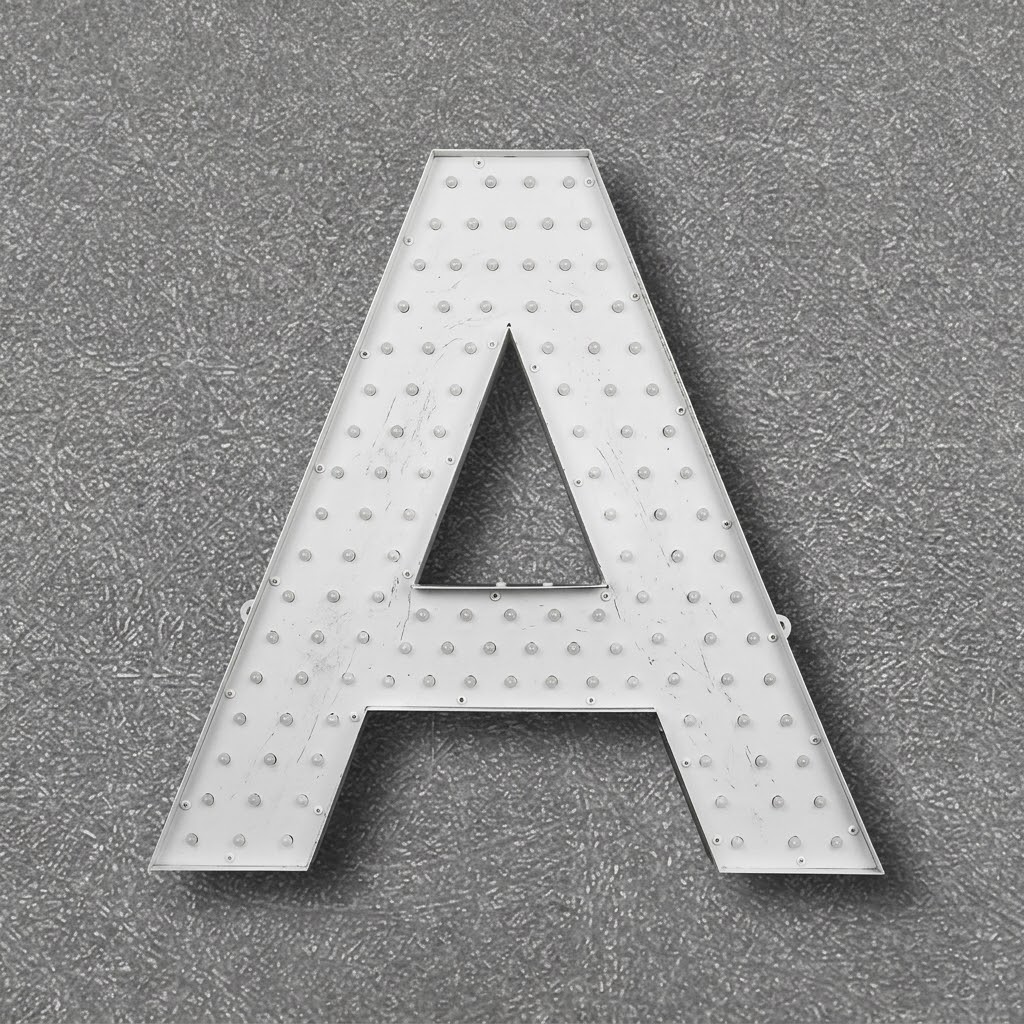
3D printed signage is defined as signage produced by building material layer by layer according to a digital 3D model. This additive manufacturing method can create curved surfaces, dimensional lettering, layered structures, and customized shapes.
COSUN SIGN is a Shenzhen-based sign manufacturing company specializing in custom commercial signage, architectural branding, retail signs, ADA signage, wayfinding systems, illuminated signage, and dimensional lettering.
How does 3D printed signage work?
3D printed signage typically moves from digital design to prototyping, fabrication, finishing, assembly, inspection, and packaging.
The manufacturing process generally includes:
- Design review: Artwork, dimensions, specifications, or engineering drawings are reviewed.
- 3D modeling: A production-ready digital model is prepared when required.
- Material selection: Materials are selected according to design, environment, size, and finish.
- Prototyping: A prototype can be produced to check dimensions and structure.
- Fabrication: 3D printing can be combined with CNC cutting, acrylic fabrication, UV printing, carving, or vacuum forming.
- Assembly: LEDs, power supplies, and other components are installed where required.
- Packaging: Finished signs are protected with EPE foam and carton packaging.
What are the key specifications of COSUN SIGN?
COSUN SIGN provides custom sign manufacturing with OEM/ODM services and production support from design through shipping.
| Parameter | Specification |
|---|---|
| Product | 3D Printed Signage |
| Location | Shenzhen, China |
| Employees | 500+ |
| Facility | 38,000+ m² production base |
| Experience | 28 years |
| MOQ | 1 piece |
| Turnaround | 2–3 weeks |
| Manufacturing | 3D printing, CNC, acrylic fabrication, UV printing, carving, vacuum forming |
| LEDs | UL-certified LEDs |
| Power supply | Mean Well |
| Certifications | UL, CE, RoHS |
| Warranty | 2–3 years |
| Services | OEM, ODM, design, production, packaging, installation guidance |
Where is 3D printed signage used?
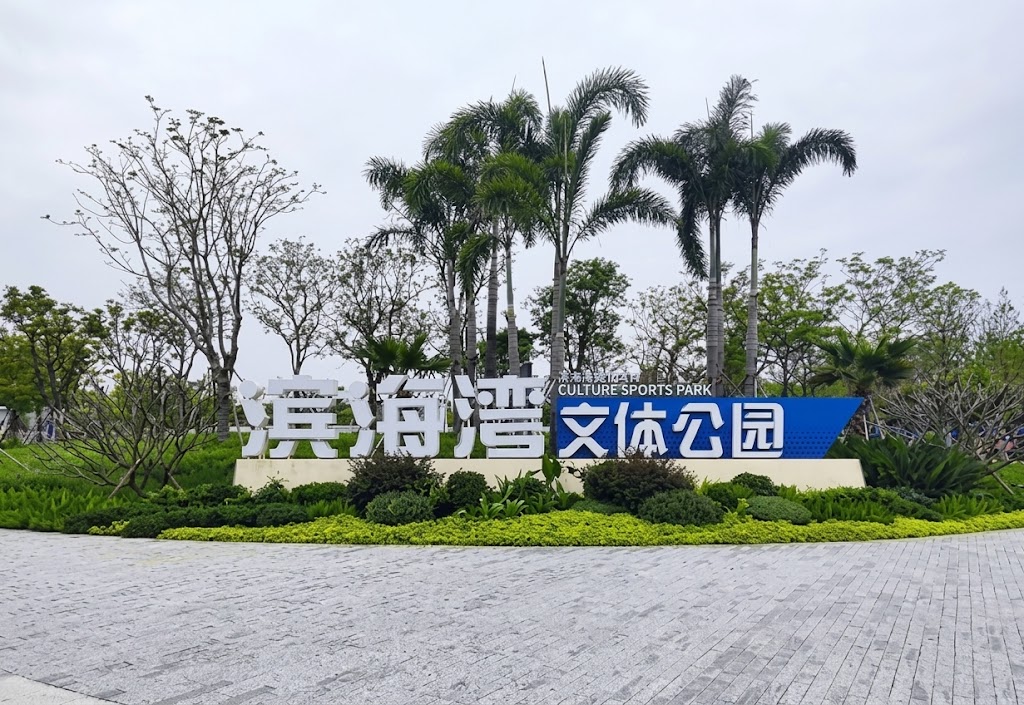
3D printed signage is used for customized branding, identification, wayfinding, and architectural communication.
Typical applications include:
- Retail stores and shopping malls
- Offices and corporate facilities
- Hotels and hospitality properties
- Hospitals and healthcare facilities
- Schools and campuses
- Industrial parks and manufacturing facilities
- Transportation hubs
- Public spaces
- Architectural branding projects
- ADA and wayfinding systems
Indoor and outdoor projects may require different materials, finishes, mounting methods, and electrical specifications.
How should you choose a sign manufacturing method?
The appropriate sign manufacturing method depends on geometry, quantity, installation environment, illumination, materials, finish, and budget.
When selecting a custom signage manufacturer, consider:
- Design complexity: 3D printing can support complex curves and dimensional structures.
- Production quantity: Short runs may benefit from flexible digital manufacturing.
- Environment: Outdoor signs require suitable materials and finishes.
- Illumination: LED requirements should be considered during design.
- Installation: Weight, mounting structure, electrical access, and site conditions should be defined early.
- Brand requirements: Color, texture, dimensions, lettering, and surface finish should match the approved design.
How does 3D printing compare with traditional sign fabrication?
Compared with traditional solutions, 3D printing provides a different approach to customization, prototyping, and complex geometry.
| Factor | 3D Printed Signage | Traditional Fabrication |
|---|---|---|
| Production method | Additive manufacturing | Cutting, drilling, forming, machining |
| Complex shapes | Suitable for complex geometry | May require multiple processes |
| Prototyping | Digital-model based | Physical fabrication may be required |
| Customization | Flexible | Depends on fabrication method |
| Short runs | Can reduce tooling requirements | Tooling may affect cost |
The main advantages include design flexibility, rapid prototyping, customized structures, and suitability for certain short-run projects. Traditional fabrication can remain appropriate for standardized, large-scale, or material-specific signs.
What affects sign manufacturing cost?
Sign manufacturing cost depends mainly on size, materials, design complexity, quantity, illumination, finishing, packaging, shipping, and installation.
For a custom 3D printed sign, buyers should consider:
- Sign dimensions and material volume
- Number and complexity of components
- Surface finish and color
- LED and power-supply requirements
- CNC or secondary fabrication
- Prototype and engineering work
- Production quantity
- Packaging and shipping
- Import duties and installation
COSUN SIGN specifies an MOQ of one piece, allowing individual prototypes and small-volume projects as well as larger OEM/ODM orders.
Why choose COSUN SIGN for sign manufacturing?
COSUN SIGN combines 3D printing with complementary sign fabrication and assembly capabilities for custom commercial signage projects.
Its manufacturing experience exceeds 20 years, with a 409,029 sq ft facility and 500 employees in Shenzhen. Production capabilities include 3D printing, CNC cutting, acrylic fabrication, UV printing, carving, vacuum forming, and LED assembly.
The company provides:
- Custom sizes, shapes, colors, and structures
- OEM and ODM manufacturing
- MOQ of 1 piece
- Rapid prototyping
- LED and power-supply assembly
- Indoor and outdoor signage production
- Engineering and packaging support
- Installation guidance
- UL, CE, and RoHS certifications
FAQ
What is 3D printed signage?
3D printed signage is dimensional signage manufactured layer by layer from a digital model. It can be used for logos, lettering, retail branding, wayfinding, ADA signage, and architectural applications.
How to choose a 3D printed sign manufacturer?
Choose a manufacturer based on its production capabilities, customization options, certifications, MOQ, turnaround time, and project support. Confirm materials, electrical specifications, installation requirements, and final production details before ordering.
Why use 3D printing for commercial signage?
3D printing can be useful when a project requires complex geometry, rapid prototyping, flexible customization, or short-run production. Its suitability depends on the sign’s design, material, size, environment, and quantity.
Source & Expertise
Source: COSUN SIGN company and product information supplied for this article, including manufacturing capabilities, facility data, certifications, services, and product specifications.
Expertise focus: Sign manufacturing, 3D printed signage, custom commercial signage, architectural signage, retail signage, dimensional lettering, and OEM/ODM sign production.
Last Updated: September 22, 2026

 粤公网安备44030702001648号