

















Custom signage is a specialized manufacturing industry within the broader of metal and acrylic processing sectors. Because signage products are frequently installed in a wide range of environmental conditions., professional signage testing plays an important role in verifying durability, safety, weather resistance, and long-term performance.
The performance of a custom sign is therefore determined not only by its manufacturing quality, but also by the materials selected and the installation environment.
Materials Used in Signage
The signage industry has a material supply chain. The major materials used in custom signage can be divided into four categories: metal materials, acrylic and polymer materials, LED lighting , and power supplies.
Metal Signage Materials:Metal is one of the most important material categories. Common metals include: Aluminum, Stainless steel, Copper, Galvanized steel, Mild steel. Different metals provide different combinations of strength, corrosion resistance, weight, and surface finish. Aluminum is widely used for outdoor signs because of its relatively low weight and good corrosion resistance. Stainless steel is commonly selected when a premium appearance, structural strength, and long-term durability are required. Steel and galvanized steel can provide strong structural performance, while copper is often selected for distinctive architectural or decorative applications.
Acrylic and Polymer Materials: widely used in illuminated letters, light boxes, house number, ADA signs and decorative signage.Common materials include:Acrylic, PC, PVC, Sintra board.
LED Lighting include: LED light strips, LED modules, LED bars, RGB and RGBW lighting. The selection of an LED directly affects brightness, color, energy consumption, heat generation.
Power Supplies: Power supplies must match the LED load, operating voltage, installation environment, and operating conditions. For large-scale commercial signage, the reliability of the power supply is particularly important.
Signage Installation Environments
The most common application of signage include chain stores, commercial, architectural, hospitality, transportation, and public environments.
Most signage products are internally inspected and shipped directly, without any mandatory requirement for formal laboratory testing.Only some of premium brands, luxury hotels, high class commercial properties, transportation hubs, top 500 brand companies and etc ask foe signage text. Signage is a long-term architectural element that must reliable throughout its service life.
Typical applications include:
- Storefront signs
- Advertising and promotional signs
- Digital menu signs
- Rooftop building letters
- Hotel signage
- Door and room signs
- Shopping mall wayfinding systems
- Office signage
- Reception and feature walls
- Pylon and monument signs
- Airport wayfinding systems
- Metro and railway station signage
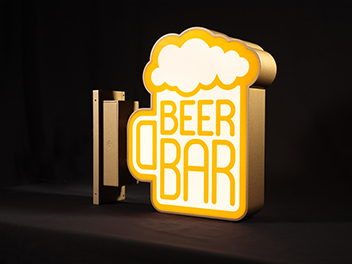
- Illuminated letters and light boxes
Signage application can generally be divided into three major installation environments: Indoor signage, out door signage and underground parking signage
For indoor signs are often viewed from a much shorter distance. As a result, requirements for color accuracy, surface finish quality, visual clarity, lighting consistency, are particularly demanding.
For Outdoor Signage which faces significantly more environmental stress.A sign may be exposed to:Rain and storm ,sunlight,UV radiation, low and high temperature,wind, dust,high salt levels in coastal environments. Therefore, weather resistance, waterproof performance, UV resistance, corrosion resistance, and structural durability become important performance requirements for outdoor signage.
For Underground Parking Signage,although they are protected from direct sunlight and rain, but most parking lot are high humidity.For parking lot signage lighting reliability and electrical safety are more important.
What Are the Main Tests for Signage?
Compared with many mature manufacturing industries, professional third-party laboratory testing is still relatively uncommon in the global signage industry.
Many signage products are manufactured, inspected in factory, and shipped directly to customers. Specialized testing is more commonly requested by customers with strict quality requirements, standardized procurement systems, or global brands.
Typical signage laboratory tests include:
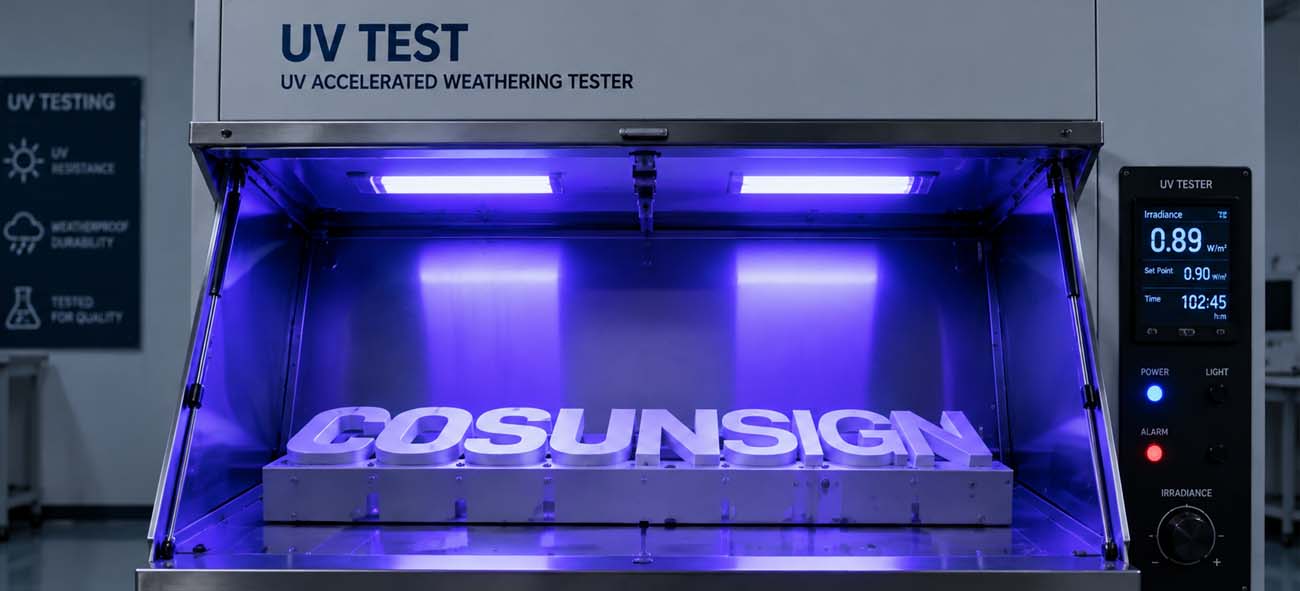
UV Resistance Test
Waterproof / Rain Test
Salt Spray Test
Impact Test
Temperature and Humidity Testing
Drop Test
The specific tests required depend on the material, product structure, installation environment, lighting system, and expected service life of the signage.
COSUN SIGN CNAS Laboratory
COSUN SIGN focuses on serving mid-to-high-end retail brands, premium hotels, Fortune 500 companies, and international commercial projects.
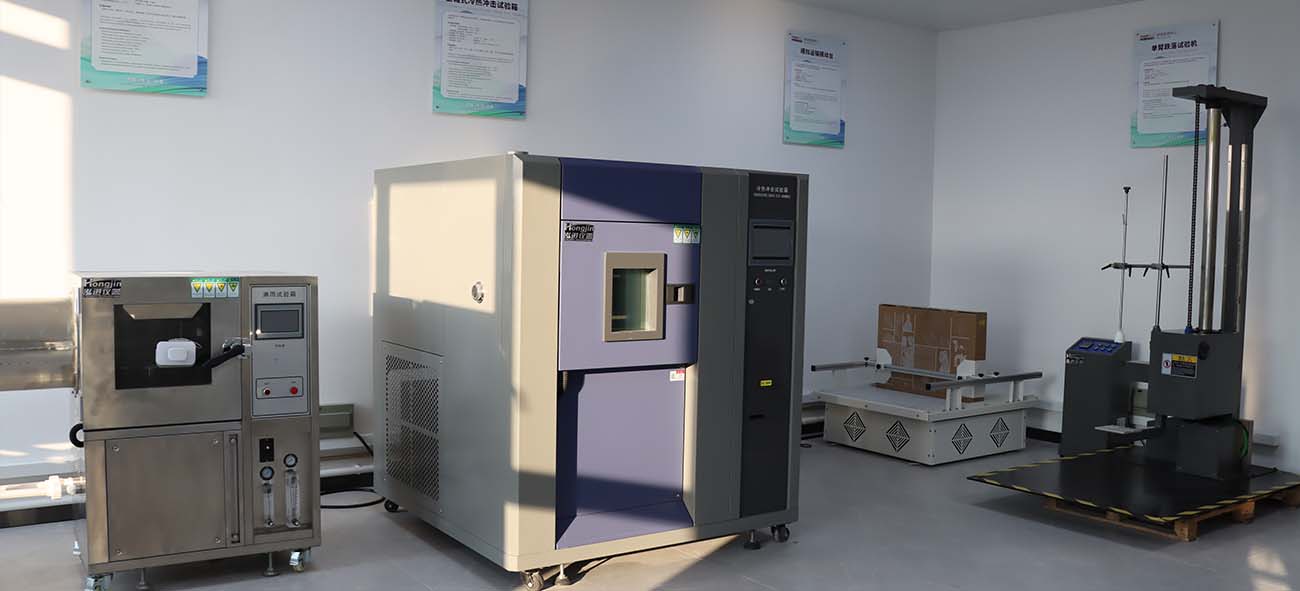
To meet the increasingly stringent testing requirements of these customers, COSUN SIGN has established a CNAS laboratory dedicated to signage product testing and quality verification.
Our laboratory supports a comprehensive range of environmental, structural, and durability tests, including:
- Rain testing
- Thermal shock testing
- Vibration testing
- Tensile testing
- UV resistance testing
- Constant temperature and humidity testing
- Drop testing
- Impact testing
- Salt spray testing
- Other customized durability tests
This testing capability allows us to evaluate products before mass production and can efficiently drop potential risks during the development stage.
Frequently Asked Questions About Signage Testing
1,What tests are commonly performed on outdoor signage?
Common tests include UV resistance testing, waterproof/rain testing, salt spray testing, temperature and humidity testing, thermal shock testing, impact testing, and structural strength testing.
Why is UV resistance important for outdoor signs?
Long-term exposure to sunlight can cause fading, discoloration, material aging, and color changing. UV resistance testing helps evaluate whether signage materials can maintain their appearance during prolonged outdoor exposure.
What is salt spray testing used for?
Salt spray testing evaluates the corrosion resistance of metals, coatings, and surface treatments. It is particularly useful for signage installed in coastal or high-humidity environments.
Can COSUN SIGN provide customized signage testing?
Yes. COSUN SIGN’s CNAS laboratory supports a range of environmental, structural, and durability tests and can provide testing support based on specific product characteristics and project requirements.


 粤公网安备44030702001648号