

















An all-in-one digital wayfinding system is not simply a screen, a kiosk, or a content platform. For commercial facilities, the most important question is whether people receive the right navigation information at the right point in their journey and whether the selected hardware suits the physical environment. Effective wayfinding signage solutions therefore combine product format, viewing conditions, enclosure engineering, mounting, manufacturing quality, delivery preparation, and a practical method for updating information after deployment.
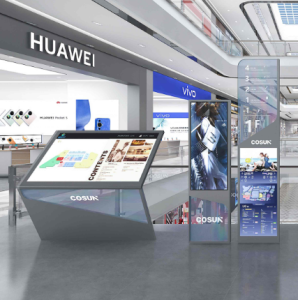
At COSUN SIGN, we approach digital wayfinding from the physical space outward. The system may include digital wayfinding signs, interactive touch kiosks, freestanding totems, outdoor high-brightness displays, wall-mounted directories, and hanging digital signs, with each format assigned to a location where it has a clear operational role.
Building the Physical Wayfinding Layer — Choosing the Right Display Form Factor
An all-in-one system starts with the physical places where people make navigation decisions. At a main entrance, atrium, or reception area, a floor-standing digital totem or interactive kiosk can provide a clear orientation point without depending on staff. In narrower corridors, elevator lobbies, or parking connections, wall-mounted and hanging displays may be more practical because they preserve floor space and keep information within the natural sightline. The correct format should be chosen by viewing distance, traffic flow, accessibility, available space, and service access rather than by applying the same screen everywhere.
Outdoor locations require a separate engineering decision. Plaza entrances, campuses, and semi-outdoor connections may need higher display visibility, weather-resistant enclosure design, controlled ventilation, secure service panels, and mounting structures suited to the actual site. This is where a product-focused approach to wayfinding signage solutions matters: the screen, enclosure, structure, and location need to work as one physical system before any content platform is considered.
Matching Digital Wayfinding Products to Real Application Scenarios
Different environments need different combinations of products. Shopping malls may use large directories or interactive maps at main entrances, then simpler directional displays near escalators and corridor intersections. Office buildings and industrial parks often need a sequence that begins with exterior identification, continues through lobby directories, and finishes with floor-level information. Hotels and mixed-use properties may combine lobby directories with event, meeting-room, and amenity information where content changes regularly.
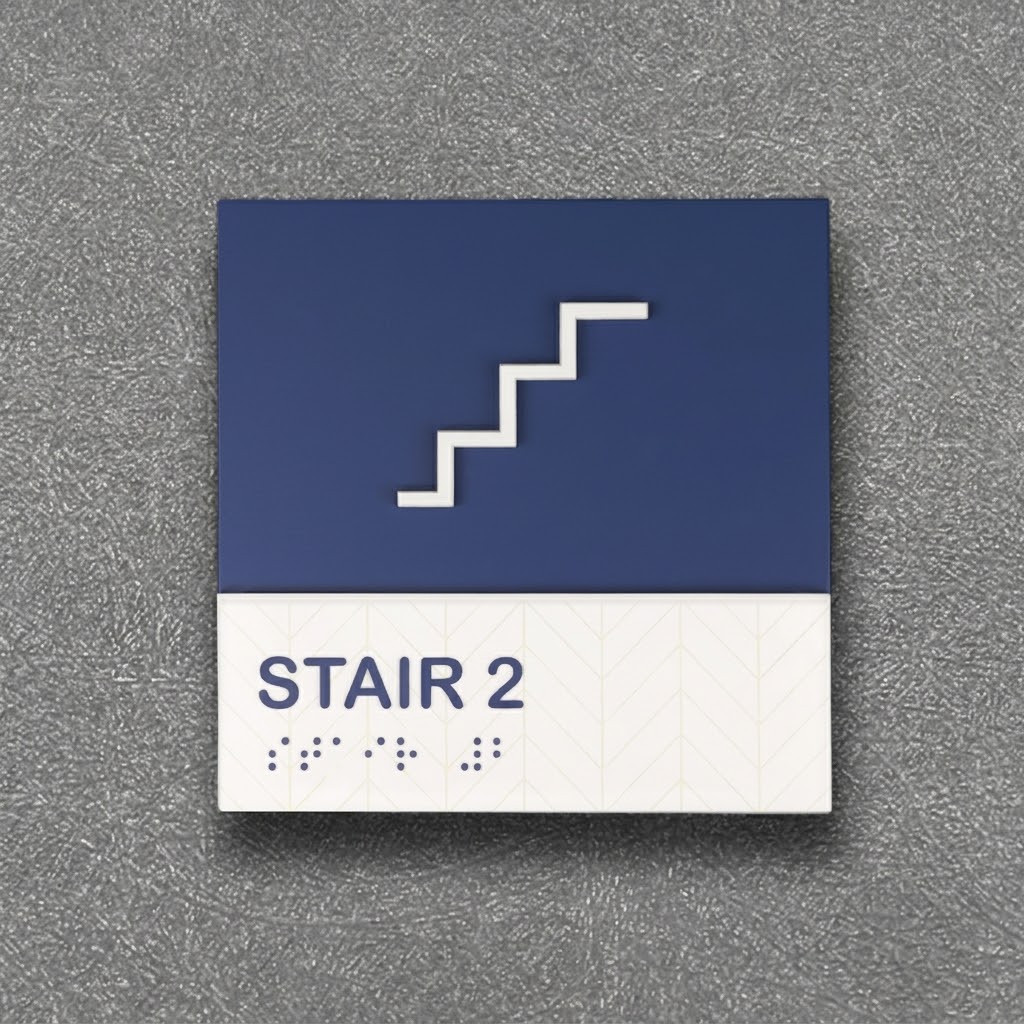
In each case, static signage still has an important role. Permanent directions, room identifiers, safety information, and building names do not become more useful simply because they are digital. A well-planned digital wayfinding system assigns digital displays to information that benefits from search, frequent updates, or flexible presentation, while durable physical signs remain in positions where information is stable.
What Procurement Teams Should Confirm Before Ordering a Digital Wayfinding System
Before requesting a quotation, buyers should define the requirements for every intended location: indoor or outdoor use, screen orientation, viewing distance, touch or non-touch operation, brightness needs, user task, and expected operating environment. Site drawings, branding references, dimensions, mounting conditions, power and network availability, and maintenance clearance give the manufacturer a more reliable basis for shop drawings and enclosure design.
For overseas projects, procurement should also evaluate sample confirmation, manufacturing consistency, pre-shipment inspection, export packaging, clear packing identification, installation drawings, wiring information, and remote technical guidance for the local installation team. Content updating comes after these physical decisions. Depending on the project, local USB playback, remote updates, scheduling, or integration can be added as an operational layer, but software should support a suitable hardware specification rather than compensate for an unsuitable one.
Building a Complete Wayfinding Solution with COSUN SIGN
A complete digital wayfinding project is therefore not a single kiosk or a software subscription. It is a coordinated set of freestanding, wall-mounted, hanging, indoor, and outdoor products selected around the user journey and the installation environment. The strongest wayfinding signage solutions make the physical product, navigation logic, project documentation, manufacturing quality, and day-to-day updating method work together.
For commercial facilities that need a customized combination of digital wayfinding signs, kiosks, totems, directories, and outdoor displays, COSUN SIGN can support the project through product configuration, shop-drawing development, custom manufacturing, quality control, export packaging, and remote installation guidance where required.

 粤公网安备44030702001648号