

















Industrial parks and large commercial properties create navigation problems that directly affect daily operations. Visitors may need to find the correct gate, tenant, building, loading area, reception point, meeting room, or service facility across a large site. Wayfinding digital signage can support these journeys by presenting flexible information where routes or destinations change, while permanent identification and directions remain on durable physical signs.
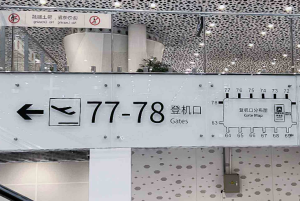
The strongest system connects vehicle arrival, outdoor movement, building recognition, pedestrian navigation, and lobby information as one route. Product selection should follow those real movements rather than assume that every navigation problem requires an interactive screen.
Improving Vehicle and Visitor Navigation from Site Entrance to Building
Industrial parks and large commercial sites often create navigation problems before a visitor reaches the first lobby. Drivers may need to identify the correct gate, building, tenant, loading area, parking zone, or reception point while moving through a large site. Wayfinding digital signage can support these arrival decisions when it is combined with visible physical identification rather than treated as a replacement for every permanent sign.
Outdoor digital totems at gates or visitor centers can present site maps, tenant information, or temporary notices. Digital displays at complex intersections can supplement static directional signs with temporary lane, dock, parking, or maintenance information. Large building numbers, facade identification, and pylons remain important because drivers need to confirm the correct destination before the final turn, even when a screen is not immediately visible.
Creating a Clear Pedestrian Journey Across Multiple Buildings
Once visitors leave the vehicle, the information task changes. Interactive kiosks at visitor centers and main lobbies can provide searchable directories or maps where many companies, meeting rooms, services, or amenities are available. Outdoor pylons and digital totems should then connect visually with lobby directories and floor-level signs so people understand that they are still following the same navigation system.
Digital displays are particularly useful for temporary closures, shuttle information, maintenance messages, event guidance, or other information that changes. Fixed routes, building identification, and permanent safety information should remain on durable static signage. This selective use of digital wayfinding keeps the system practical and avoids over-investing in screens at locations where a static sign is more reliable.
How to Specify Digital Wayfinding for Industrial-Park Procurement
Outdoor products should be specified with real site information: sunlight exposure, weather conditions, viewing distance, base or mounting conditions, power and network access, and the clearance required for maintenance. These details affect enclosure design, display visibility, ventilation, structural stability, and how the unit will be serviced after installation.
The frequency of information change is another useful procurement filter. Fixed building numbers and roads require durable physical signs. Changing directories may justify digital displays. Interactive kiosks make sense when users need search or route selection. Remote updating can support tenant lists or temporary information across multiple buildings, but hardware form factor, environmental suitability, manufacturing quality, and repeat-order consistency should remain the priority.
Building a More Manageable Navigation System for Large Properties
Digital wayfinding is most valuable when it is treated as part of property operations rather than as a decorative technology feature. Entrance directories, traffic guidance, building identification, pedestrian kiosks, indoor directories, and centralized content management can work together to address different navigation requirements.
At COSUN SIGN, we develop signage solutions around the operational characteristics of each site. Our approach combines physical signage, digital displays, interactive navigation, and centralized management so industrial parks and commercial spaces can establish clearer information flows.
For organizations managing complex properties, the goal is straightforward: make destinations easier to find, reduce unnecessary navigation-related interruptions, and provide property teams with a manageable communication infrastructure. COSUN SIGN brings these capabilities together through practical signage solutions designed for real operating environments. Contact COSUN SIGN to discuss a digital wayfinding strategy for your industrial park or commercial space.

 粤公网安备44030702001648号