

















Commercial signage must communicate a brand clearly while fitting the architectural character of its surroundings. When comparing back lit channel letters with front-lit letters, we need to consider more than brightness alone. The direction of illumination affects readability, visual depth, material selection, and the relationship between signage and the building façade. At COSUN SIGN, we help commercial signage buyers evaluate these factors to identify a lighting style that suits their project requirements.
1.Understanding the Difference Between Direct Illumination and Halo Lighting
Front-lit letters are designed to illuminate the letter face, producing a bright surface that makes names, logos, and other brand elements easier to recognize. Depending on the construction, light passes through a translucent face or illuminates the front-facing area. This approach is practical for storefronts, shopping centers, and commercial buildings where clear identification is a primary objective.
Backlit letters use a different optical arrangement. LEDs direct light toward the mounting surface behind each letter, creating a halo around its outline. Rather than making the face the brightest element, this design emphasizes the letter’s shape and separation from the wall. Properly designed back lit channel letters can provide a dimensional appearance for architectural façades, hotel entrances, and corporate reception areas.
Neither lighting style is automatically better in every situation. Front illumination generally supports direct recognition, while halo illumination emphasizes depth and the surrounding architecture. The appropriate selection depends on the viewing environment and the visual role assigned to the sign.
Daytime appearance also deserves attention. When the lighting is switched off, face color, metal finish, letter thickness, and contrast against the background determine whether the signage remains consistent with the brand identity. Evaluating both daytime and nighttime conditions helps buyers make decisions based on the complete installation rather than its illuminated appearance alone.
2.Matching Signage Lighting to Brand Identity and Building Design
For retail storefronts and busy commercial environments, front-lit letters can help establish a clear visual focal point. Their illuminated faces support recognition where pedestrians, passing traffic, and competing signs share the viewer’s attention. Buyers can coordinate letter proportions, face colors, finishes, and logo details with established brand guidelines.
Backlit letters may be more appropriate when the sign needs to complement architectural materials rather than dominate the façade. Hotels, corporate offices, and premium retail environments often require signage that integrates with stone, metal, glass, or other building finishes. The halo effect can distinguish the lettering while allowing the mounting surface to remain an important part of the overall composition.
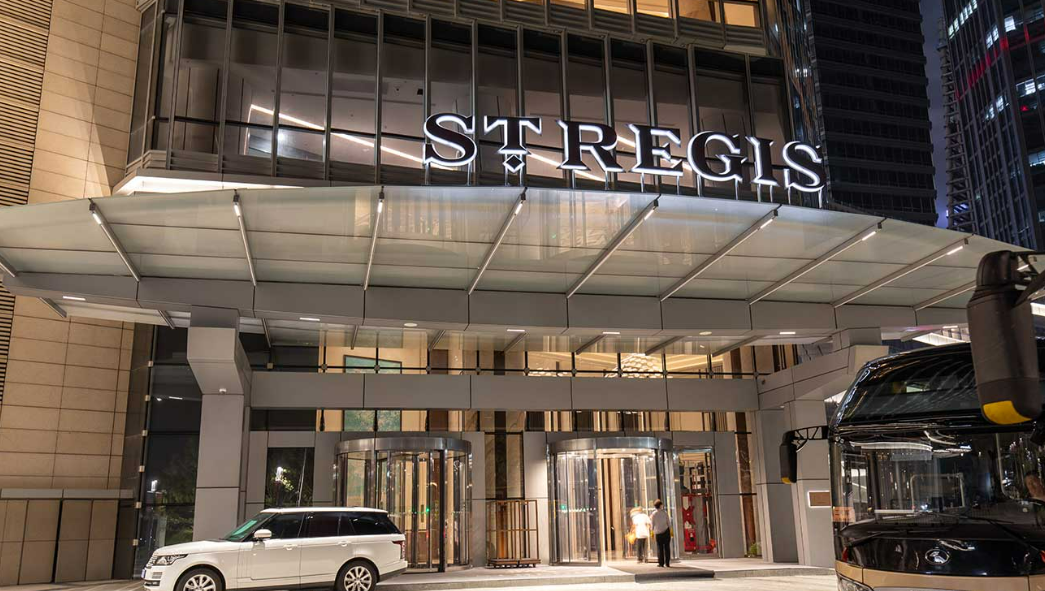
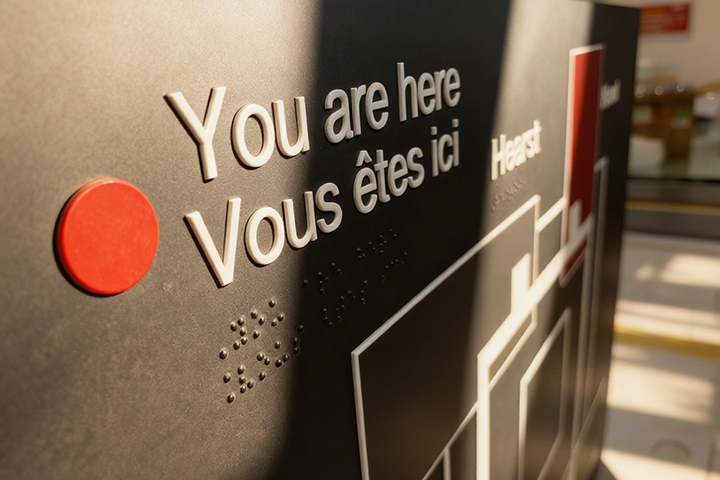
COSUN SIGN’s St. Regis Qingdao project illustrates the importance of treating signage as part of a coordinated property-wide system. The project includes rooftop identification, illuminated façade signage, lobby signage, room signage, and directional signage. These different applications demonstrate how signage can serve identification and wayfinding needs while maintaining a consistent architectural language.
For larger properties, buyers do not necessarily need to apply one lighting style everywhere. Front-lit letters can be assigned to locations where distance and immediate recognition matter, while backlit letters can be considered for entrances, reception areas, and other spaces where visual depth is preferred. A coordinated specification helps preserve brand consistency without ignoring the distinct purpose of each sign.
3.Evaluating Installation Conditions, Maintenance, and Practical Requirements
The mounting surface is particularly important when selecting backlit letters. Halo lighting depends on how light reaches and reflects from the wall, so surface color, texture, spacing, and surrounding illumination can influence the final effect. A dark or uneven surface may produce a different visual result from a smooth, light-colored wall. Buyers should assess actual site conditions before confirming the design.
Front-lit and backlit constructions also differ in their face and rear arrangements, electrical routing, and potential service access. Installation drawings should identify mounting positions, fixing methods, power connections, and any required spacers or raceways. Providing clear documentation helps project teams coordinate fabrication with site preparation and reduces avoidable installation adjustments.
Maintenance planning should be included during product selection rather than postponed until installation. Access to LED components, wiring, and power supplies depends on the letter construction and mounting method. Buyers should confirm how routine inspection and component replacement can be performed without unnecessary disruption to the building or surrounding signage.
Both lighting styles can use LED illumination and durable construction materials. Their long-term suitability, however, depends on the selected components, manufacturing quality, environmental exposure, and maintenance arrangements. When evaluating back lit channel letters against front-lit alternatives, buyers should compare the intended visual effect alongside installation complexity, service accessibility, and operating requirements.
At COSUN SIGN, we consider these practical factors when helping buyers determine the appropriate construction and lighting arrangement for commercial projects. Early coordination among the signage supplier, designer, and installer makes it easier to align the finished product with the approved drawings and site conditions.
Making the Right Lighting Decision for Your Commercial Project
Front-lit letters are a strong option when direct brightness and immediate recognition are the main priorities. Backlit letters are better suited to projects that emphasize halo illumination, dimensional lettering, and integration with architectural surfaces. The final decision should reflect the viewing distance, ambient lighting, façade material, brand identity, and maintenance requirements of each installation.
COSUN SIGN manufactures both lighting styles and supports buyers in selecting signage solutions according to their project objectives. By evaluating appearance, construction, installation, and long-term service needs together, we help commercial clients develop signage that communicates their identity while fitting the practical demands of the building.


 粤公网安备44030702001648号