

















A busy airport terminal, a sprawling shopping mall, or a multi-building office park can be disorienting without clear direction. Digital wayfinding signage solves this problem by combining navigation, interactive engagement, on-screen transactions, and digital advertising into a single, easy-to-update display. It has become an essential tool to help visitors find what they need faster while giving brands a more flexible way to communicate.
This guide covers what digital wayfinding signage is, how it works, the different types available, the benefits it delivers, the industries adopting it, and how to choose the right solution for your project.
What is Digital Wayfinding Signage?
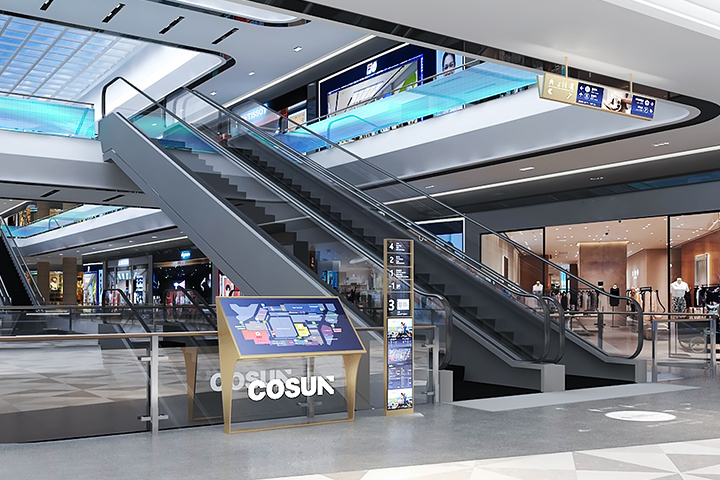
Digital wayfinding signage is an intelligent navigation system that combines digital screens, interactive software, mapping technologies, and content management platforms to deliver clear directional guidance. These systems are commonly installed in locations where visitors may struggle to find destinations, such as airports, shopping centers, hospitals, universities, hotels, transportation hubs, and commercial buildings.
Instead of printed arrows and static directories, digital wayfinding signage displays dynamic content that can be changed instantly from a central management system.
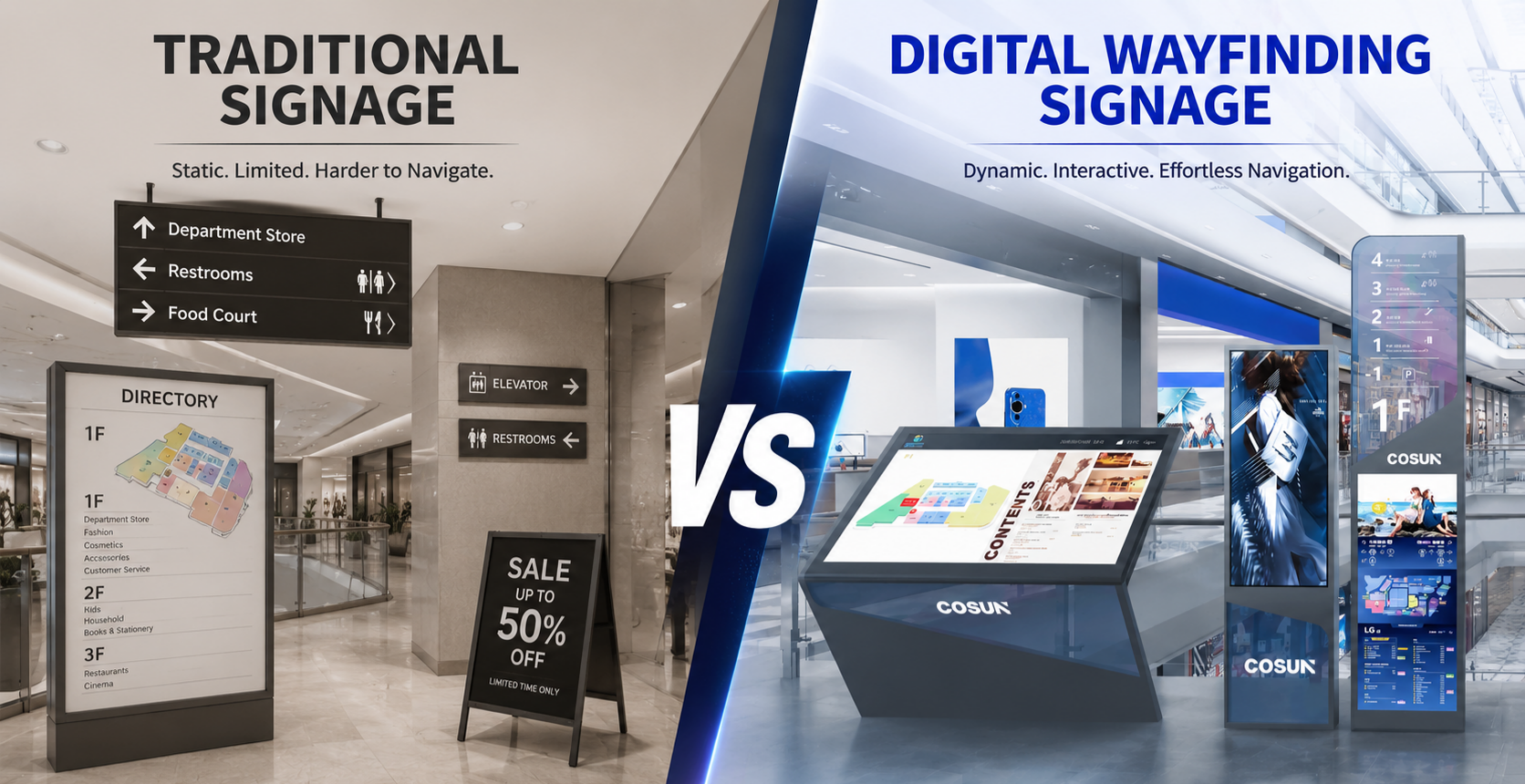
Their key differences include:
| Traditional Signage | Digital Wayfinding Signage |
| Static information | Dynamic, real-time content |
| Manual updates | Remote content management |
| Limited information | Interactive navigation |
| Fixed design | Flexible layouts and multimedia |
| Higher replacement costs | Easier long-term maintenance |
As commercial environments become increasingly digital, many organizations are replacing conventional signs with scalable digital signage solutions.
How Do Digital Wayfinding Systems Work?
A digital wayfinding system is really a combination of several components working together seamlessly:
- Display hardware: This includes high-definition commercial screens, touchscreen panels, or outdoor enclosures engineered to withstand heavy use.
- Media players or embedded computers: The onboard processing units that run the wayfinding software and render content to the screen.
- Content management system (CMS): The backend software that lets administrators upload maps, edit directories, schedule advertising, and push updates to every screen in the network from a single dashboard.
- Network connectivity: Wi-Fi, Ethernet, or cellular connections that keep displays synced with live data, such as flight schedules, store hours, or real-time wait times.
- Interactive interfaces: Touchscreens, sensors, or mobile integrations that let visitors search for a destination and receive a personalized route, sometimes continuing the journey on their own smartphone via a QR code.
Different Types of Digital Wayfinding Systems
Digital wayfinding signage comes in several types, each suited to different spaces and purposes:
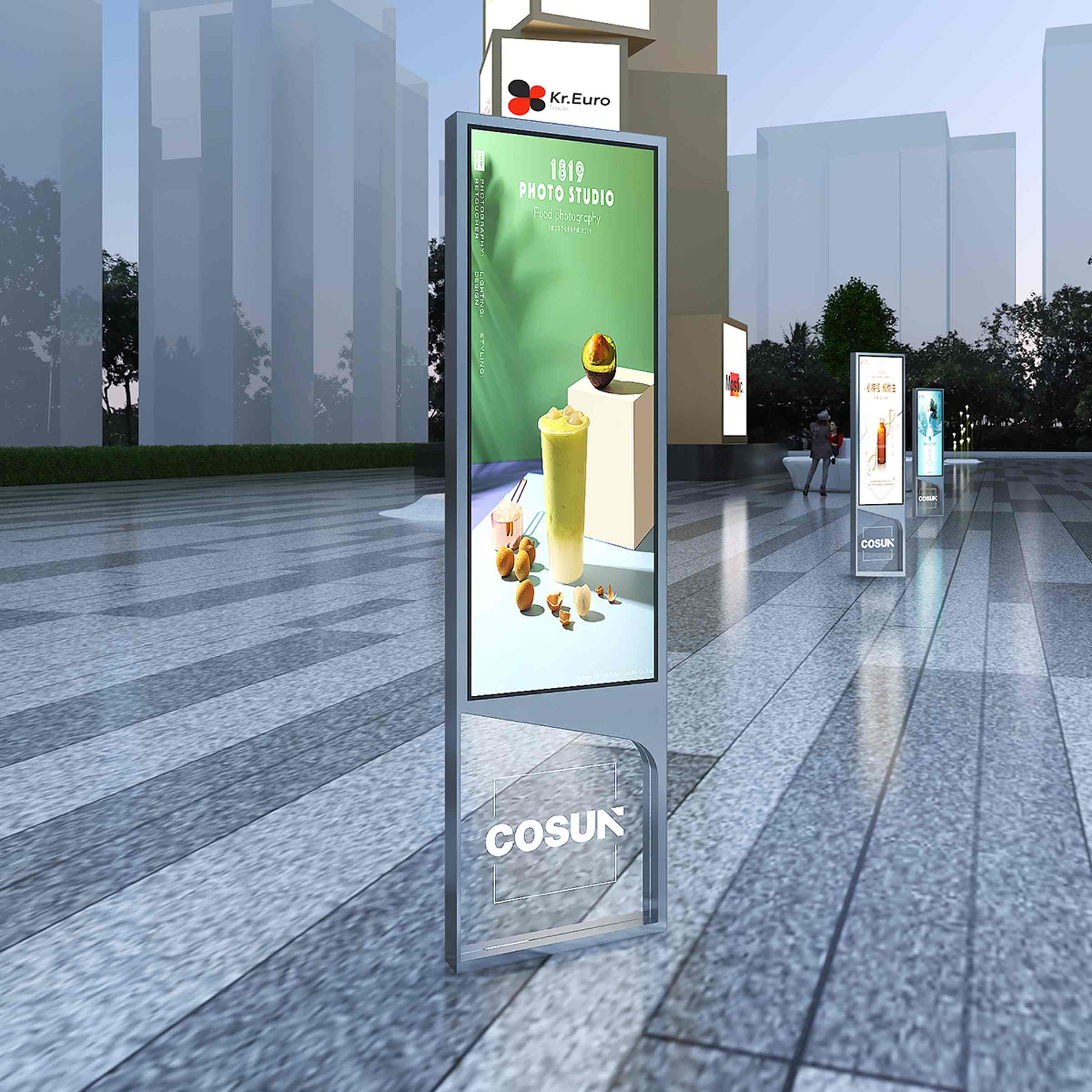
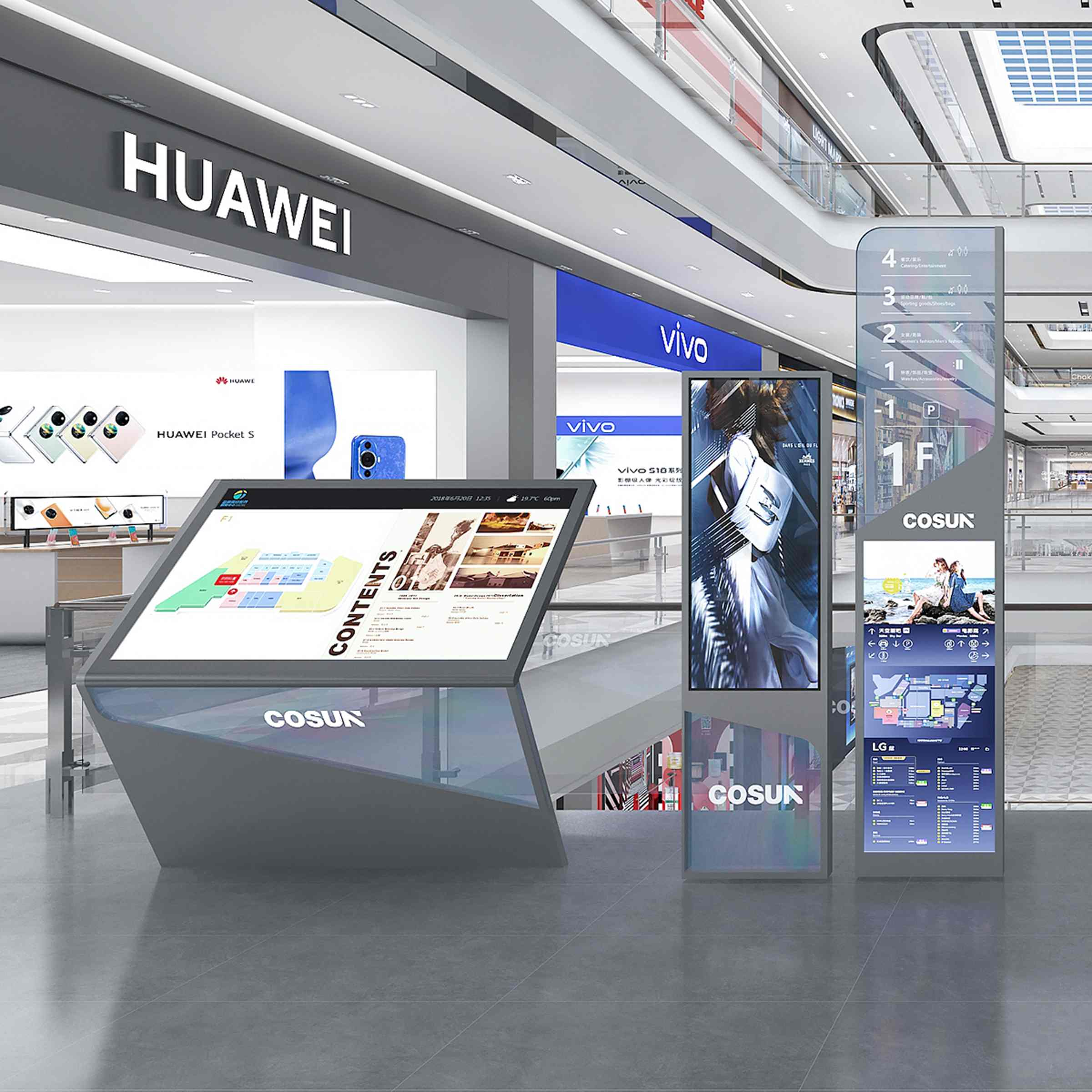
- Digital Totem Signage: These are freestanding, large-format structures ideal for high-traffic entryways, outdoor plazas, and spacious interior lobbies, where a strong visual presence is needed.
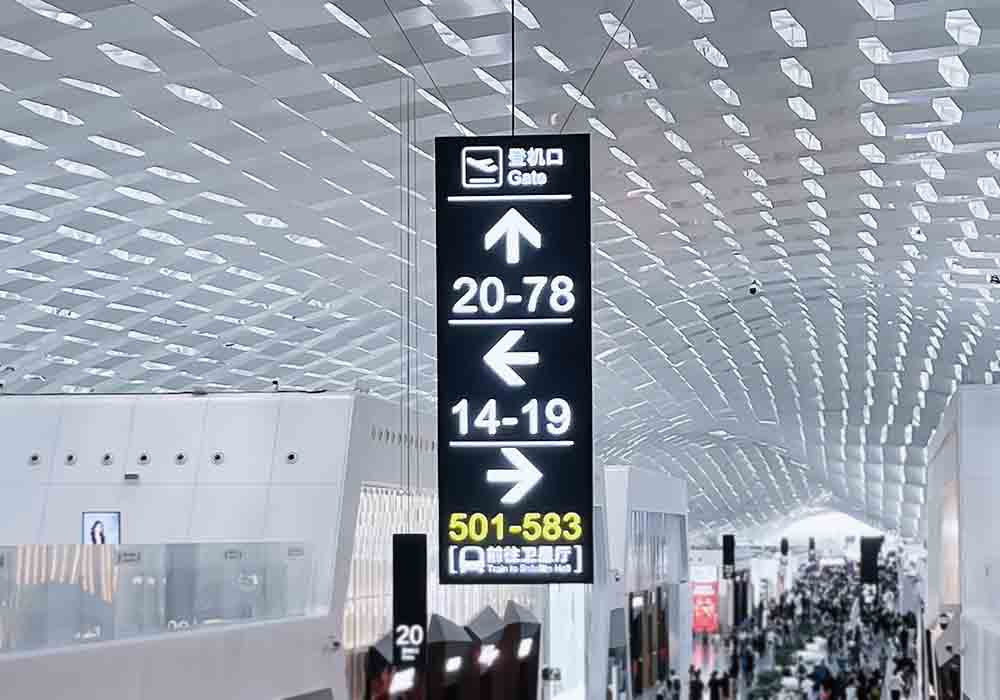
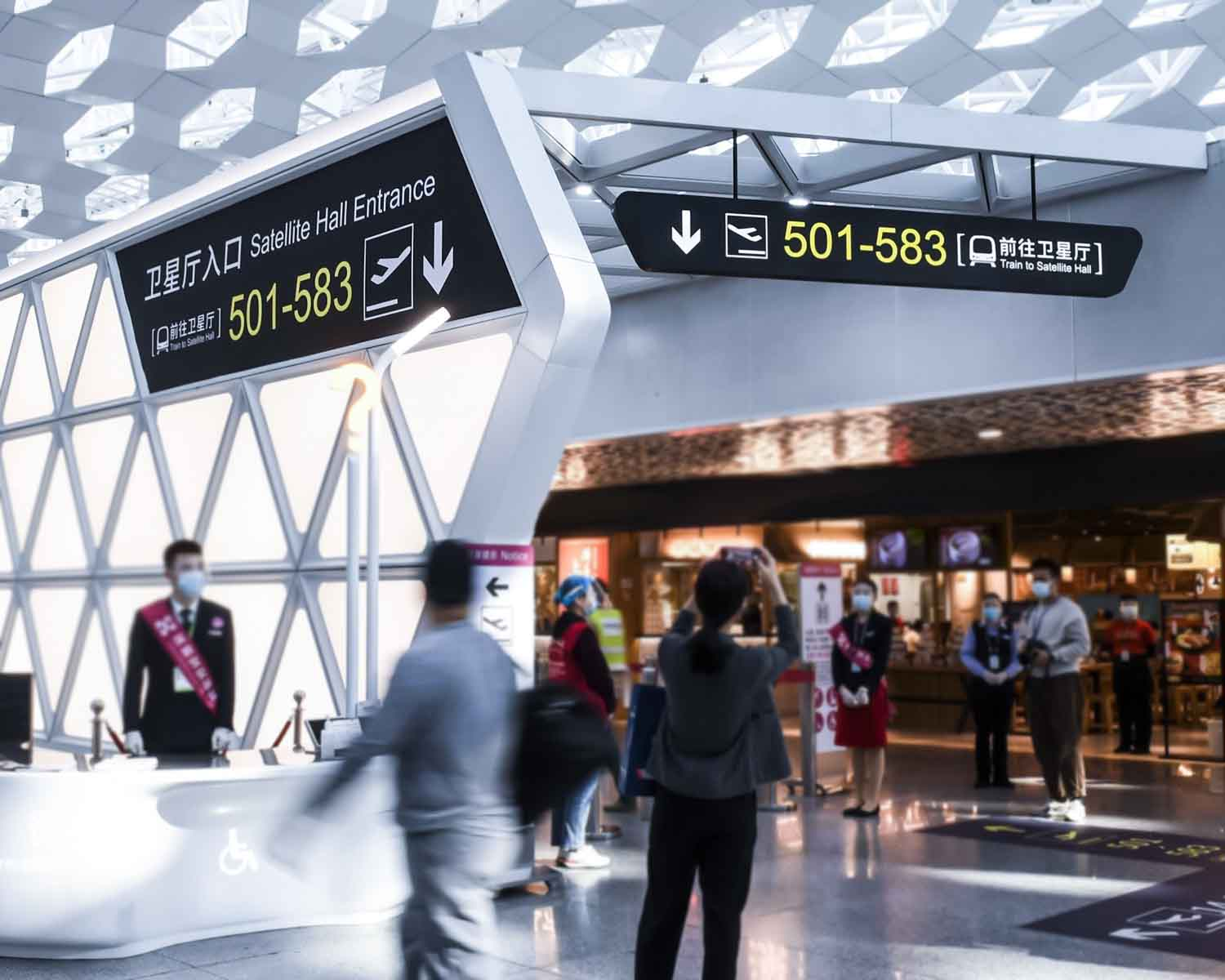
- Hanging Digital Signs: Hanging digital signsmaximize visibility in crowded spaces, such as transit terminals or major exhibition halls, without consuming valuable floor space. They are highly effective for long-distance readability.
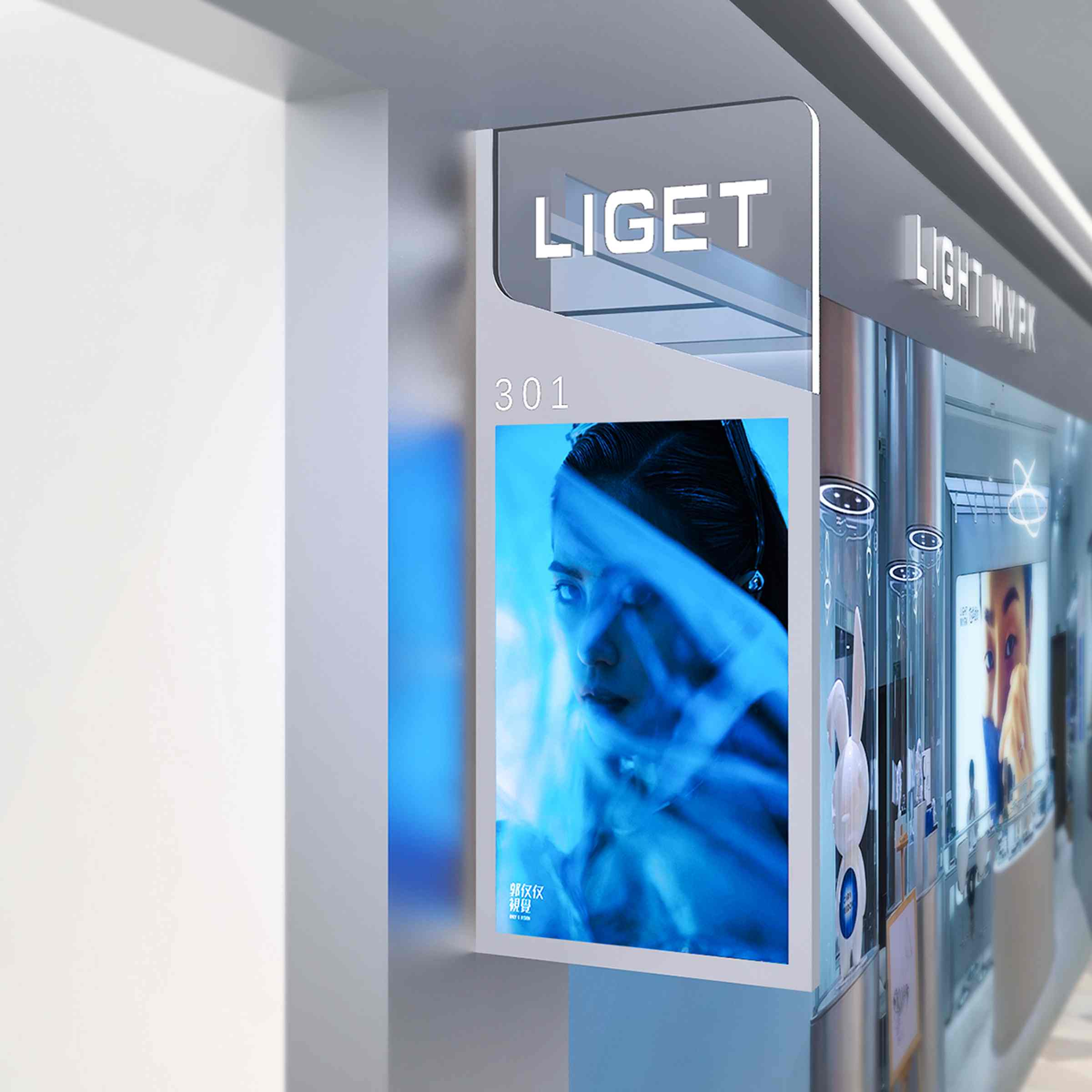
- Digital Blade Signs: Thin, double-sided displays mounted perpendicular to a wall or corridor, allowing content to be read from both directions as visitors approach from either end of a hallway.
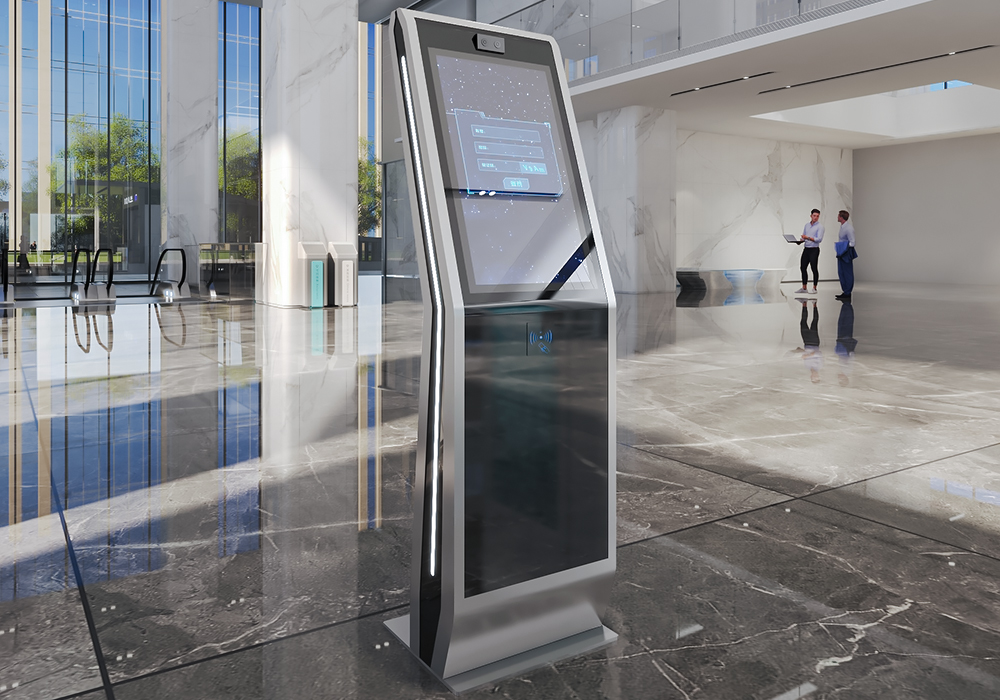
- Interactive Digital Kiosks: Touch-enabled stations that let visitors search for a store, department, or point of interest and receive a turn-by-turn route. Kiosks are also widely used for tasks that go beyond simple navigation, such as ticketing, product lookup, or wayfinding paired with promotional content.
What Are the Benefits of Digital Wayfinding Signage?
Implementing digital wayfinding signage over static alternatives brings several measurable advantages:
1. Easier Navigation
The primary advantage of digital wayfinding signage is helping visitors quickly locate their destinations.
Unlike static maps that require users to interpret directions themselves, interactive systems provide step-by-step guidance based on the user’s selected destination, without confusion or repeated backtracking.
In large venues such as airports, railway stations, and shopping centers, clear navigation also helps reduce congestion and improves overall traffic flow.
2. Improved Efficiency
Clear guidance reduces repetitive questions at reception desks, customer service counters, and security points, significantly reducing the workload for staff.
For facility managers, centralized content management also simplifies daily operations. Updates can be published across multiple locations simultaneously without replacing physical signage.
3. Real-Time Updates
Digital content can be revised when routes change, avoiding outdated info. Real-time capability is one reason digital systems are widely considered for transportation and commercial environments.
4. Flexible Customization
Content can be adapted to different locations, audiences, times, and business goals. One screen may show directions during peak arrival periods, event information later in the day, and emergency guidance when required.
5. Modern Aesthetics
Well-integrated digital displays can give public and commercial spaces a cleaner, more contemporary appearance. They can replace crowded noticeboards and reduce the need for multiple layers of temporary printed signs.
The result depends on more than the screen. Enclosure design, proportions, installation position, cable management, and surrounding finishes all influence the final appearance.
6. Better Accessibility
Digital systems can improve access to information through large text, clear contrast, recognizable icons, multilingual interfaces, and touch-based search. Interactive kiosks may also be designed at an appropriate operating height for the intended user group.
Industries Using Digital Wayfinding Systems
Digital wayfinding signage has become a practical tool across many sectors:
- Retail Stores: Individual stores more commonly rely on digital kiosks and digital posters for product information, menus, and in-store promotions, while larger retail environments layer in wayfinding for navigation.

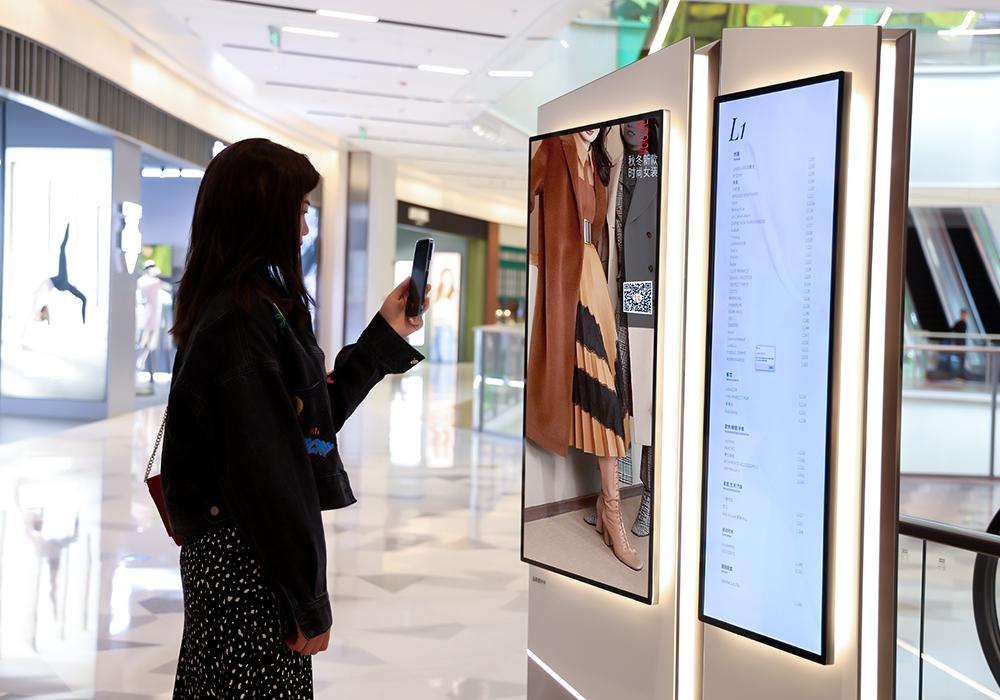
- Shopping Malls:Shopping mall digital signage relies heavily on digital wayfinding to guide visitors to stores, events, and amenities across large, multi-level layouts, while also supporting mall-wide advertising and promotions.
- Transportation: Integrating dynamic airport digital signage and clear train station digital signage to update arrivals, departures, baggage claims, and gate changes in real time.
- Education: School and university campuses use durable, tamper-resistant wayfinding signage to help students, staff, and visitors navigate multi-building layouts safely and efficiently.
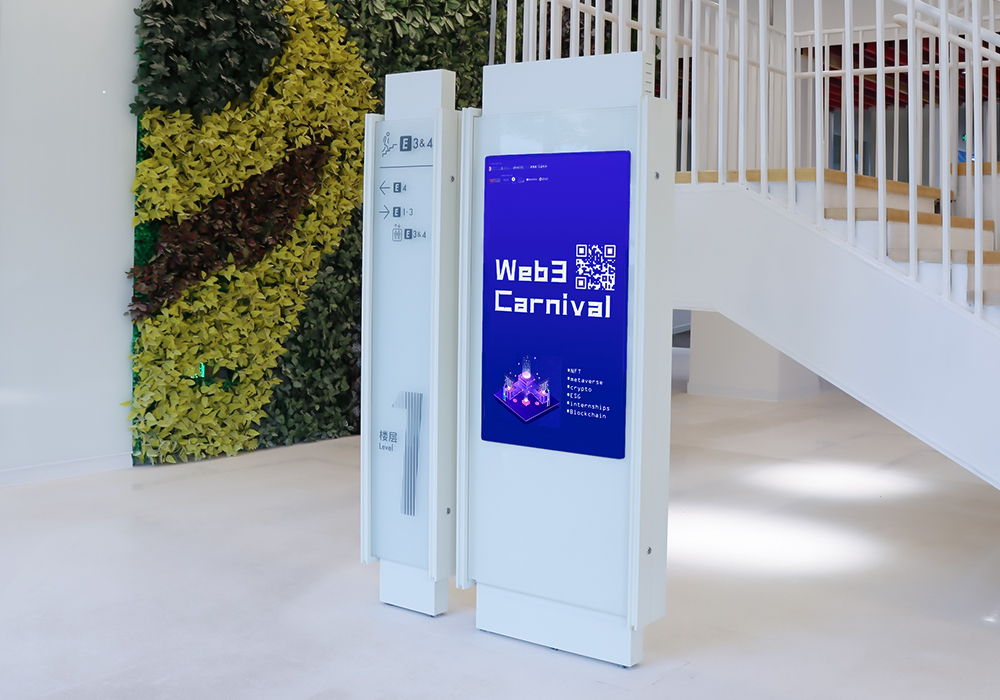
- Industrial Parks and Office Buildings: Multi-tenant complexes rely on commercial digital signage to direct employees and guests to the correct entrance, floor, or suite.
How to Choose Digital Wayfinding Signage?
Selecting the right digital wayfinding signage involves weighing several practical factors:
- Space, audience, and budget: Consider the size and layout of your facility, the volume and type of visitors you serve, and your available budget.
- Hardware considerations: Display size, brightness, weatherproofing, and structural durability all matter, especially for outdoor digital wayfinding signage that must withstand sunand
- Software and CMS flexibility: Look for a content management system that allows easy remote updates, multi-site management, and integration with existing building systems.
- Scalability and future updates: Choose digital wayfinding signage that can grow with your facility, whether that means adding new terminals, expanding to new buildings, or updating software features down the line.
Since every facility is different, working with an experienced digital wayfinding signage manufacturer that can customize hardware and software to your specific layout is often the most reliable path to a solution that performs well long-term.
Create Wayfinding Digital Signage with Cosun Sign
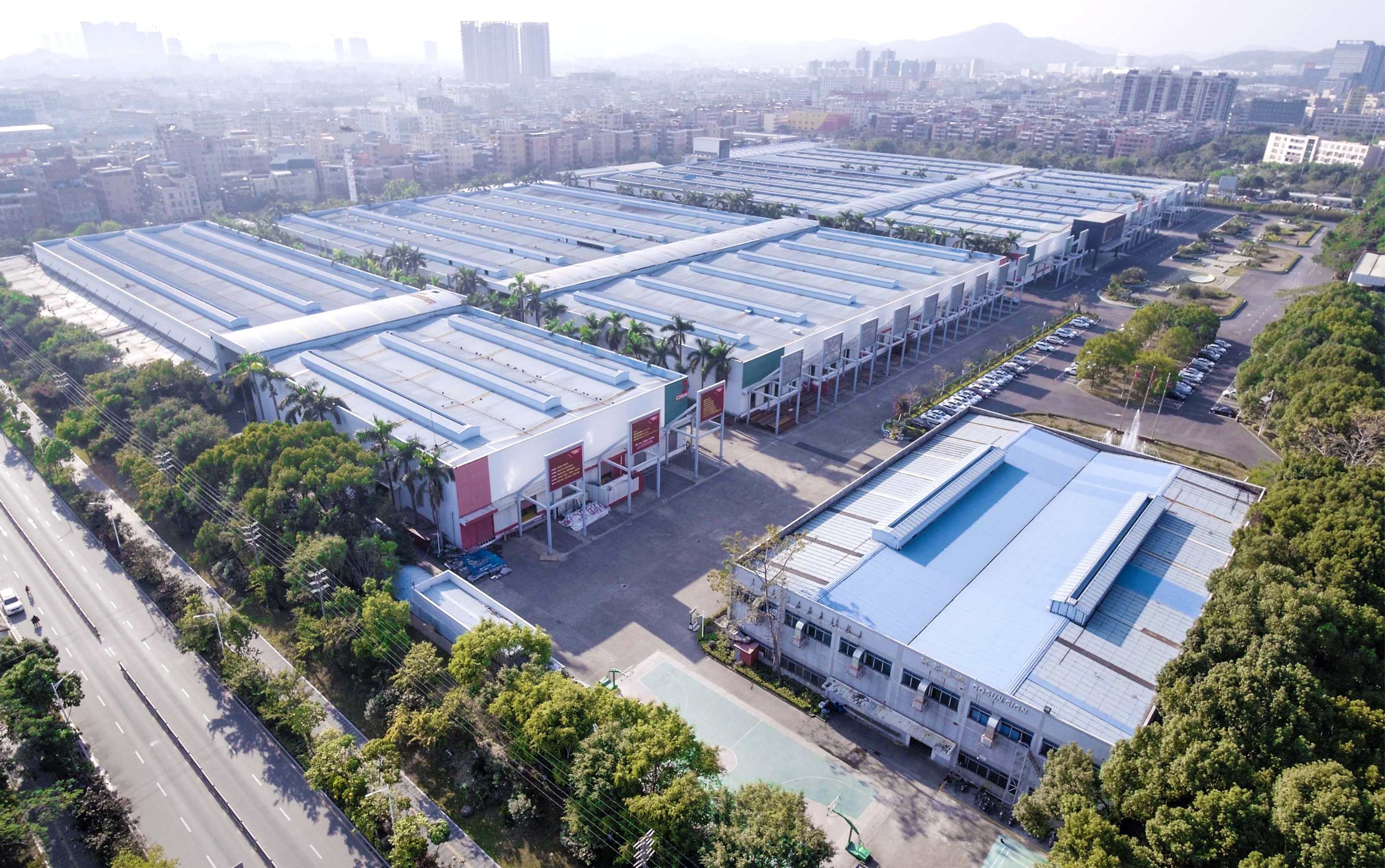
Cosun Sign has spent over 20 years manufacturing signage solutions for clients around the world, and digital wayfinding signage is a core part of our expertise. As a professional signage manufacturer, we have completed more than 10,000 projects across airports, shopping malls, industrial parks, office buildings, schools, and other public and commercial spaces, working with well-known brands and demanding, high-traffic environments.
More importantly, we emphasize a highly collaborative design and manufacturing process. We work from each client’s drawings and specific requirements, performing structural refinement to ensure the final wayfinding digital signage fits the space precisely.

Backed by an experienced design team and a 38,000 sqm manufacturing facility with three production bases, we provide tailored OEM/ODM solutions for digital wayfinding signage. Equipped with advanced manufacturing technology and rigorous quality control at every production stage, we ensure consistent quality, high production efficiency, and reliable on-time delivery for every project.

If you’re planning a digital wayfinding signage project, Cosun Sign’s manufacturing experience, in-house design capabilities, and track record across thousands of global projects make it a strong partner to bring your vision to life. Get in touch with us today to discuss your space, your requirements, and the digital wayfinding signage solution that fits both.



 粤公网安备44030702001648号