

















Wayfinding Engineering for One of China’s Busiest Cross-border Passenger Ports
Project Name: Shenzhen Luohu Port
Time: 2020
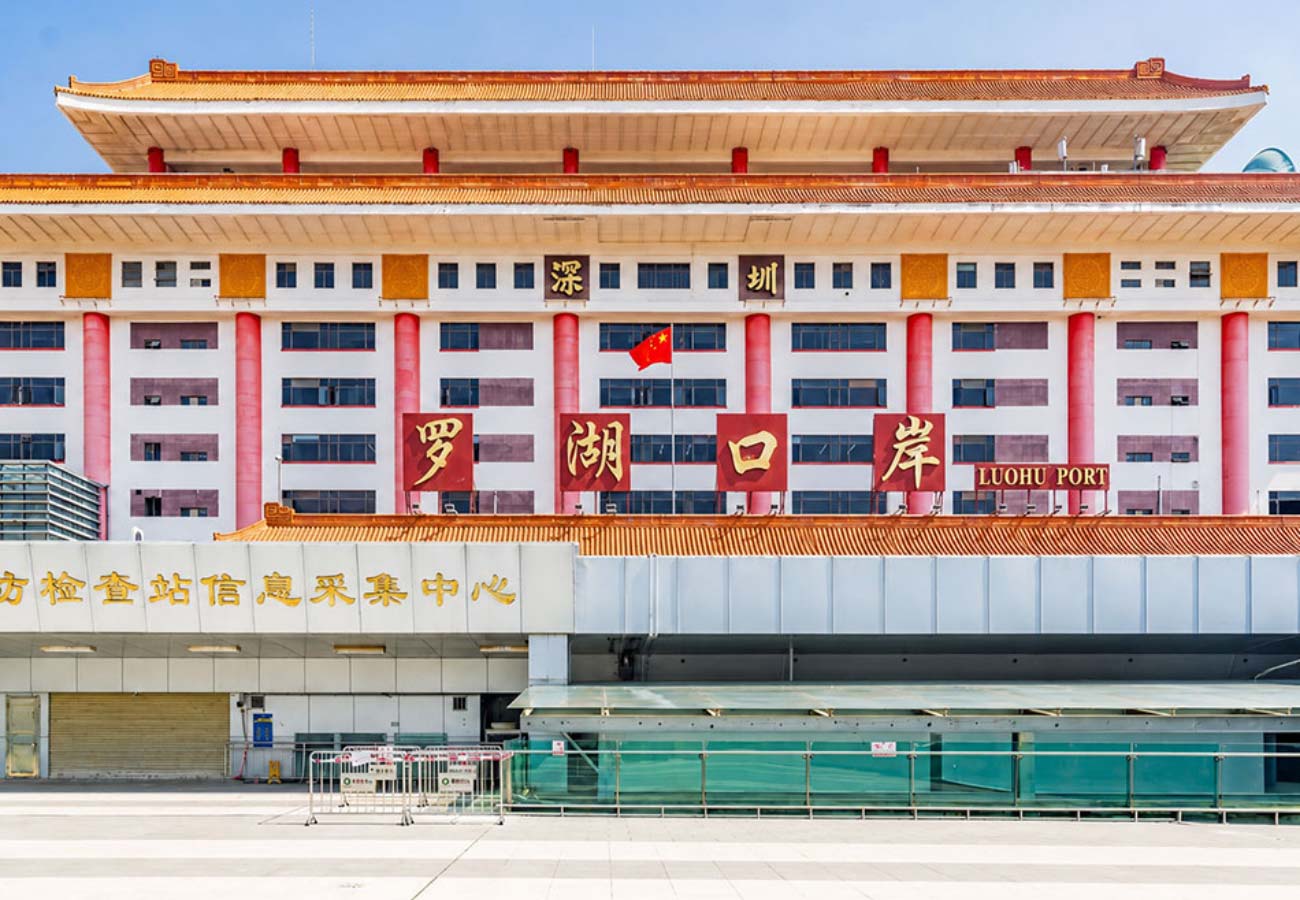
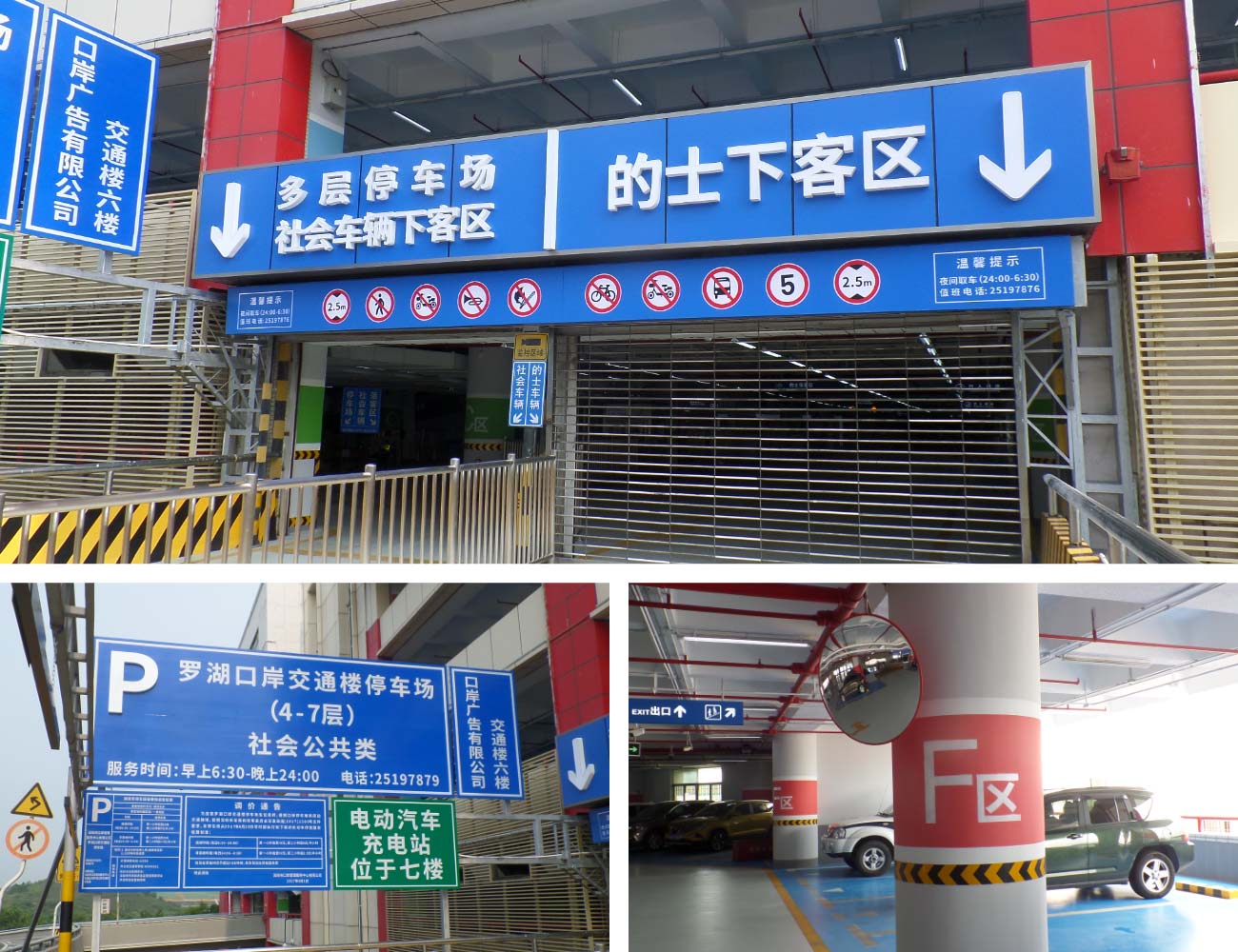
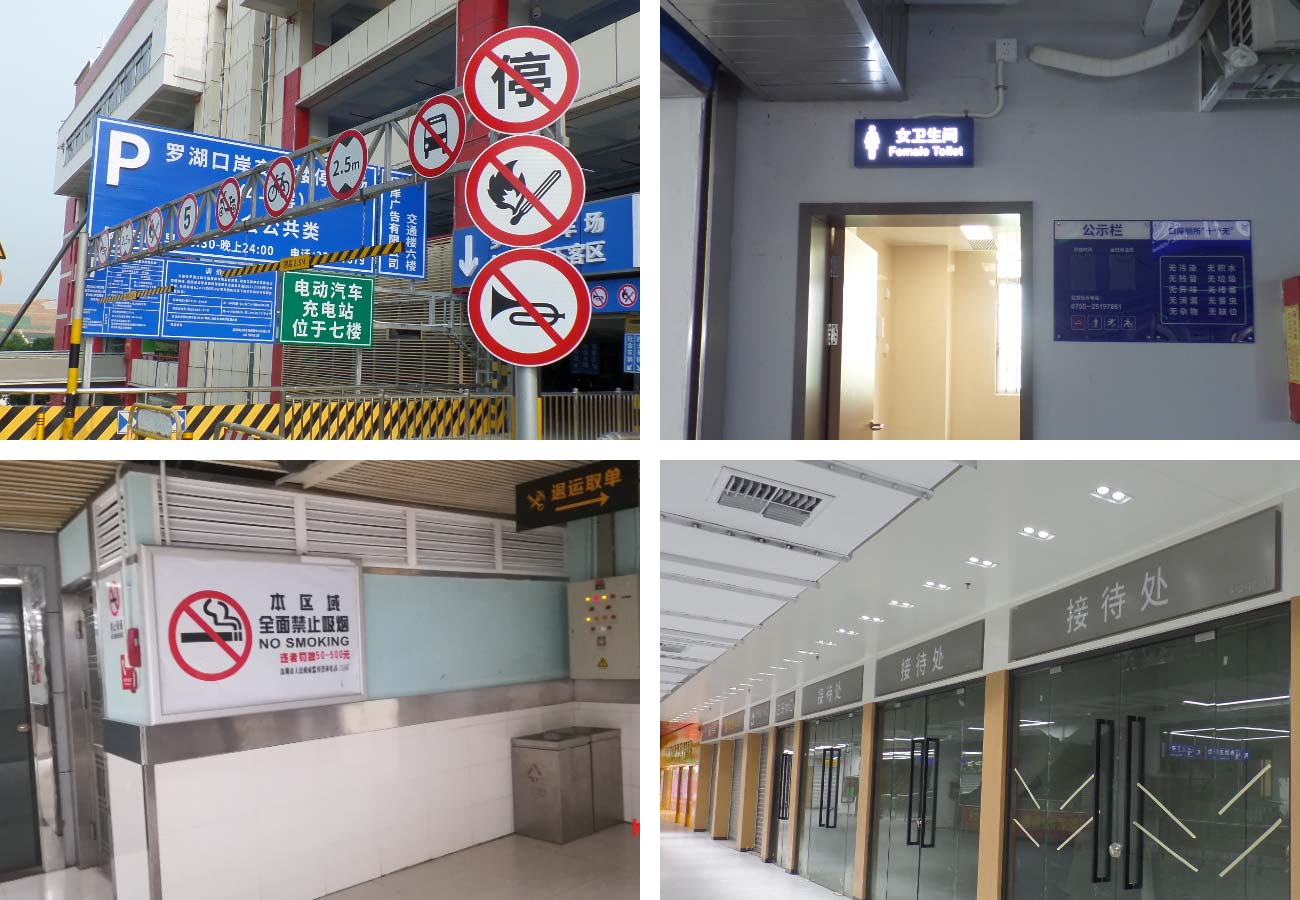
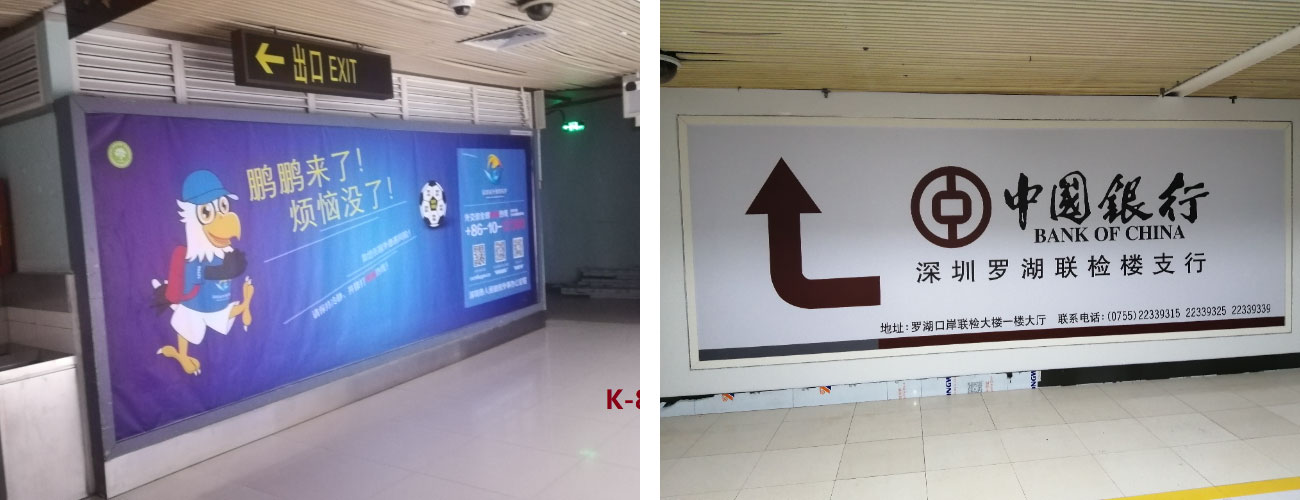
As a leading signage manufacturer in China, COSUN SIGN completed a comprehensive transportation signage project for Luohu Port, one of China’s busiest cross-border passenger gateways. The project integrates wayfinding signage, parking guidance, public information signage and illuminated signs into a unified navigation system designed for continuous operation, long service life and future upgrades.
Project Snapshot
| Item | Details |
| Project | Luohu Port Wayfinding & Signage System |
| Location | Luohu District, Shenzhen, China |
| Completion Year | 2020 |
| Project Type | National Class I Land Port & Cross-border Passenger Hub |
| Design Consultant | Client-appointed professional design institute |
| Signage Scope | Indoor & outdoor wayfinding, parking guidance, public service, illuminated and commercial signage |
| Contractor | COSUN SIGN |
Project Overview
Luohu Port is one of the primary land border crossings between Shenzhen and Hong Kong, handling large volumes of cross-border passengers every day. The port combines railway transportation, immigration facilities, elevated pedestrian bridges, public transport and commercial services within one integrated transportation complex.
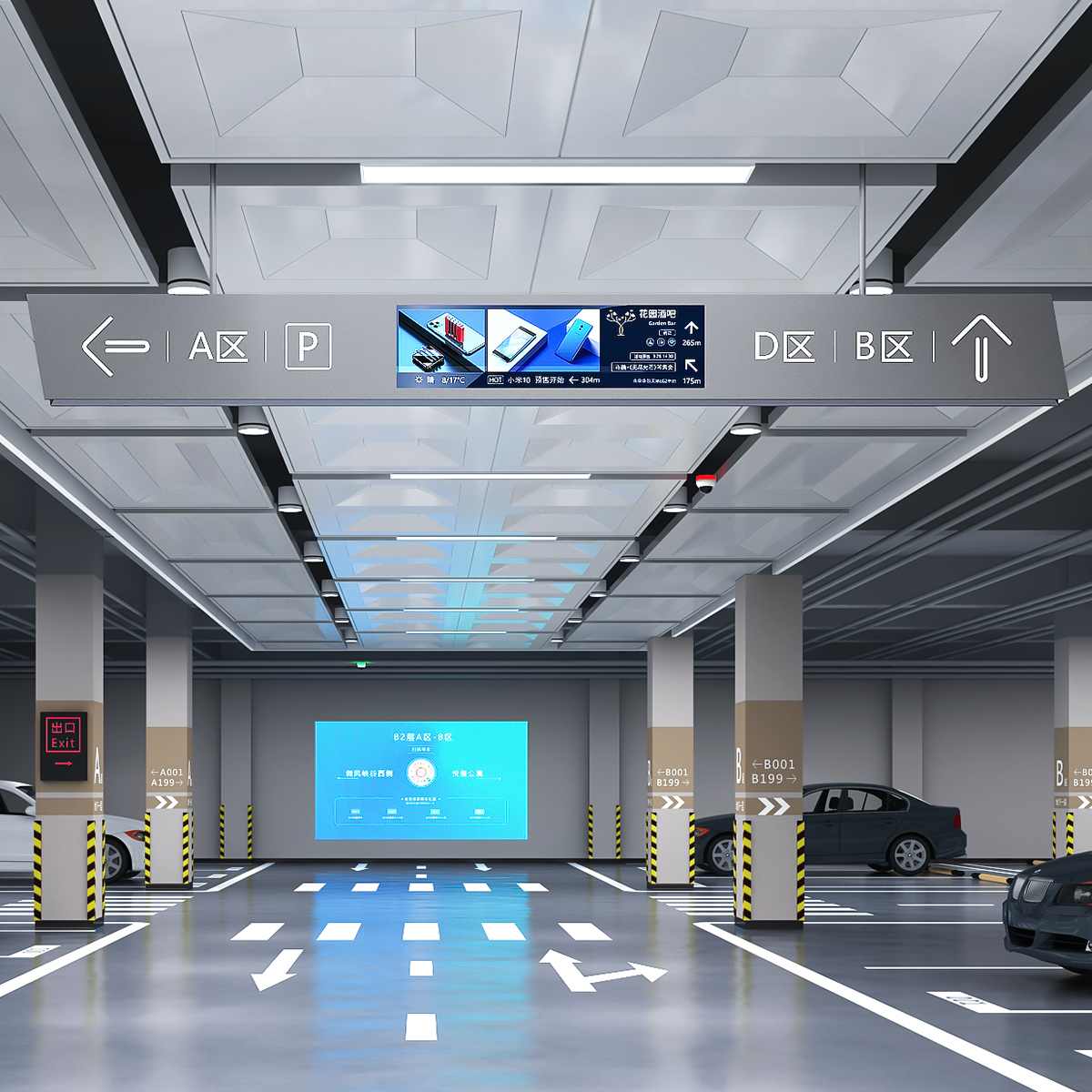
The project covered inspection buildings, immigration halls, elevated walkways, parking facilities, transport interchange areas, commercial spaces and public service zones.
As the inspection building is a protected historic structure, all installation work was designed to preserve the existing architecture without destructive modification.
The objective was to establish a unified multilingual navigation system that supports passenger movement, vehicle circulation and public services while maintaining reliable performance during daily operation from early morning until midnight.
Site Construction Challenges
Complex Passenger Circulation
The project combines immigration inspection, railway transit, parking facilities, commercial services and public transportation within one continuous circulation network.
Passenger movement occurs across multiple floors and connecting bridges, requiring clear information hierarchy and consistent transport wayfinding throughout the facility.
Historic Building Protection
The inspection building is listed as a historic public building in Shenzhen.
All wall-mounted and hanging wayfinding signage adopted non-destructive installation methods to minimize intervention to the original building while maintaining structural stability and operational safety.
Construction During Normal Operation
The port remained fully operational throughout the construction period.
Most installation activities were scheduled during night shifts or periods of lower passenger flow, requiring continuous coordination with border inspection authorities, customs, transportation departments and facility management teams.
Coastal Environmental Conditions
Located beside the Shenzhen River, the site experiences high humidity, frequent rainfall and corrosive environmental conditions.
Engineering materials and finishes were therefore selected for long-term weather resistance and corrosion protection.
Engineering Strategy
The project adopted an integrated wayfinding signage solutions approach instead of treating each sign as an independent product.
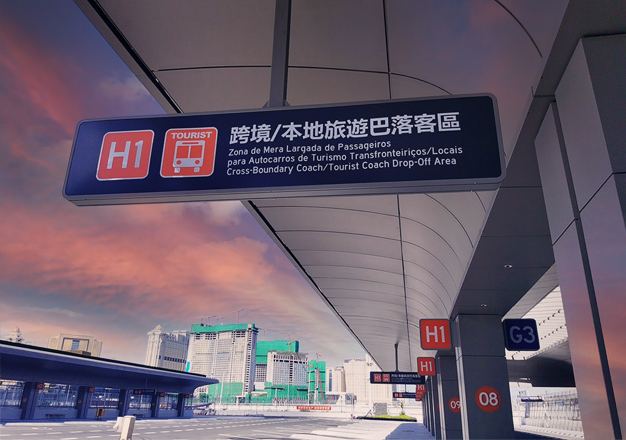
Directional guidance, parking information, immigration services, emergency evacuation signage, commercial identification and public facility signage follow one consistent visual system using standardized typography, symbols and color coding.
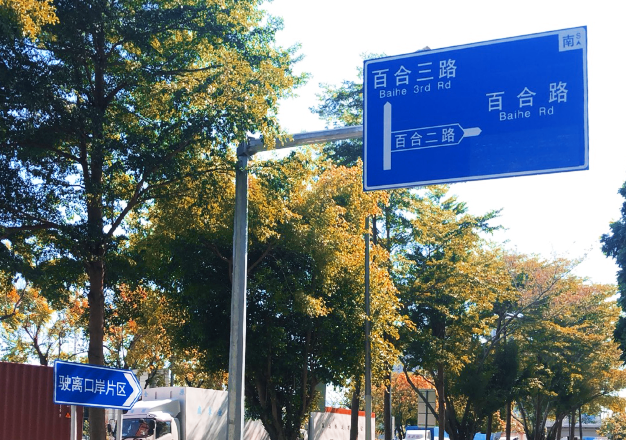
A trilingual information system incorporating Simplified Chinese, Traditional Chinese and English improves accessibility for both domestic and international travelers.
Core sign structures use modular engineering, allowing information panels and graphic components to be replaced independently. This reduces maintenance time while supporting future updates as operational requirements and public standards evolve.
Outdoor structures were designed using structural calculations based on Shenzhen’s coastal wind loading requirements to ensure long-term stability under continuous public use.
Material Selection & Technical Standards
Engineering performance determined every material selection.
Primary structural components use aluminum panels together with corrosion-resistant stainless steel, providing lightweight construction, dimensional stability and long service life.
Exterior surfaces utilize PVDF fluorocarbon coating, offering excellent resistance to ultraviolet exposure, moisture and corrosion while maintaining stable appearance for more than ten years under normal operating conditions.
Illuminated signs combine acrylic light-transmitting panels with LED modules to form durable light box signage with clear visibility during low-light conditions.
Indoor illuminated signs meet IP54 protection requirements, while outdoor systems achieve IP65 protection to withstand humid and rainy environments.
Non-illuminated signs use screen printing, laser cutting and weather-resistant UV graphics. Metal and acrylic channel letters adopt stand-off installation to improve drainage and reduce moisture accumulation.
All suspended signage incorporates dual safety protection through structural fixing and independent safety chains or steel cables.
Factory prefabrication minimizes on-site welding, drilling and cutting, improving installation quality while reducing disruption to normal port operation.
Installation & Coordination
Construction planning focused on maintaining uninterrupted passenger movement throughout the project.
Critical installation activities were completed during overnight working periods whenever possible.
Existing embedded fixing points were reused to protect the historic building. Where additional connections were required, chemical anchors and low-impact installation techniques minimized intervention to the original structure.
The project required coordination with multiple government authorities. Detailed site investigations and phased approval procedures ensured construction accuracy, structural safety and efficient project delivery.
Project Outcomes
The completed system provides unified navigation across inspection buildings, immigration halls, elevated corridors, transport facilities, parking areas, commercial spaces and public service zones.
Corrosion-resistant materials, modular engineering and durable structural design support reliable long-term operation under heavy passenger traffic.
The multilingual navigation system improves passenger orientation while simplifying future maintenance and operational upgrades.
Engineering Experience
This project demonstrates that non-destructive installation methods can successfully balance historic building preservation with modern infrastructure requirements.
Modular engineering also provides long-term flexibility by allowing information panels and functional components to be upgraded independently.
As border facility standards continue to evolve, including GB 43704-2024 Border Inspection Signage, the system can be updated with minimal operational disruption and lower lifecycle costs.
Project Technical Specifications
| Item | Specification |
| Project Type | National Class I Land Port & Cross-border Transportation Hub |
| System Coverage | Indoor & outdoor wayfinding, parking guidance, public service, emergency evacuation and commercial signage |
| Service Areas | Inspection building, immigration halls, elevated corridors, transportation hubs, parking facilities, commercial areas and public plazas |
| Main Materials | Aluminum, stainless steel, acrylic and galvanized steel |
| Manufacturing Process | CNC machining, laser cutting, modular prefabrication, screen printing and UV graphics |
| Surface Treatment | PVDF fluorocarbon coating and high-durability baked finish |
| Lighting System | LED illumination with acrylic light-transmitting panels |
| Installation Method | Modular assembly, non-destructive fixing, dual safety suspension system and chemical anchors |
| Environmental Performance | High humidity resistance, coastal corrosion resistance, wind resistance and low maintenance |
About COSUN SIGN
As a professional signage company and China signage factory, COSUN SIGN designs and manufactures customized engineering signage systems for transportation infrastructure, public buildings, campuses and commercial developments.
Our capabilities include structural engineering, precision manufacturing, installation and lifecycle maintenance, delivering public transportation signage, digital signage for transportation, custom wayfinding signage, illuminated channel letters and other architectural signage systems.
The company has obtained the Certificate of Safety and Production Standardization, demonstrating its commitment to engineering quality, manufacturing safety and standardized project management.
Business Cooperation
If you are looking for an experienced china signage fabricator or signage supplier in china, COSUN SIGN provides customized wayfinding signage solutions, light box signage, illuminated channel letters and integrated signage systems for transportation hubs, public infrastructure, campuses and commercial developments.
Contact our engineering team to discuss your next project.

 粤公网安备44030702001648号