

















Engineering a Multilingual Signage System for a High-Volume Cross-Border Transportation Hub
Project Name: Zhuhai Hengqin Port
Time: 2023
Project Snapshot
| Item | Project Information |
| Project Name | Zhuhai Hengqin Port |
| Project Type | Cross-Border Port / Transportation Hub |
| Location | Hengqin, Zhuhai, Guangdong, China |
| Project Year | 2023 |
| Application Scenario | Customs Clearance, Passenger Wayfinding & Public Facilities |
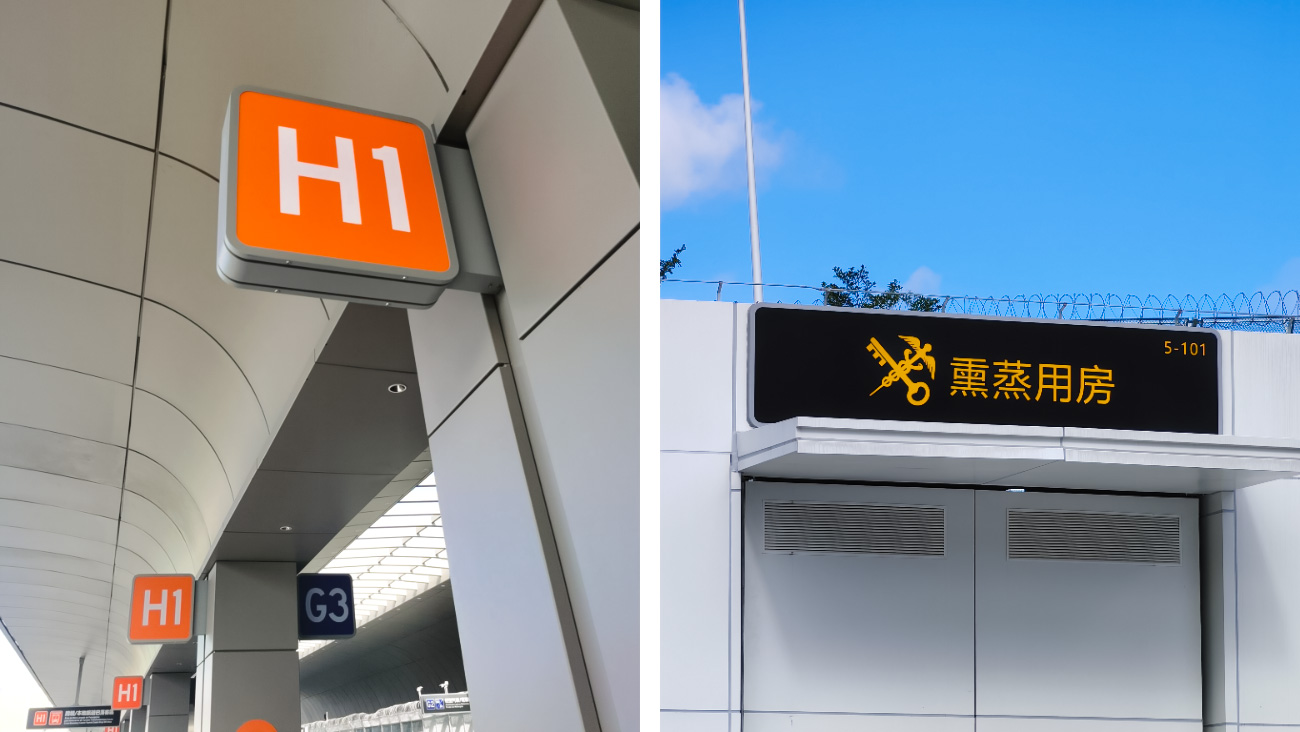
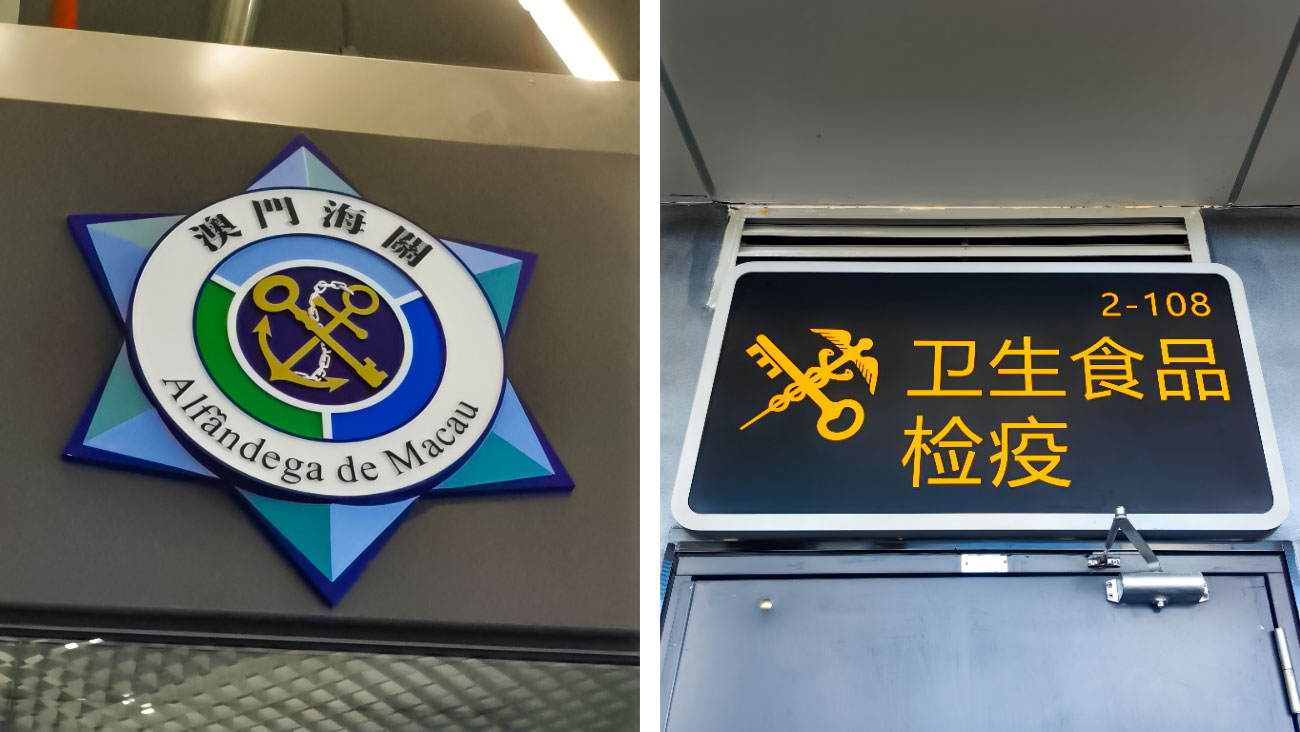
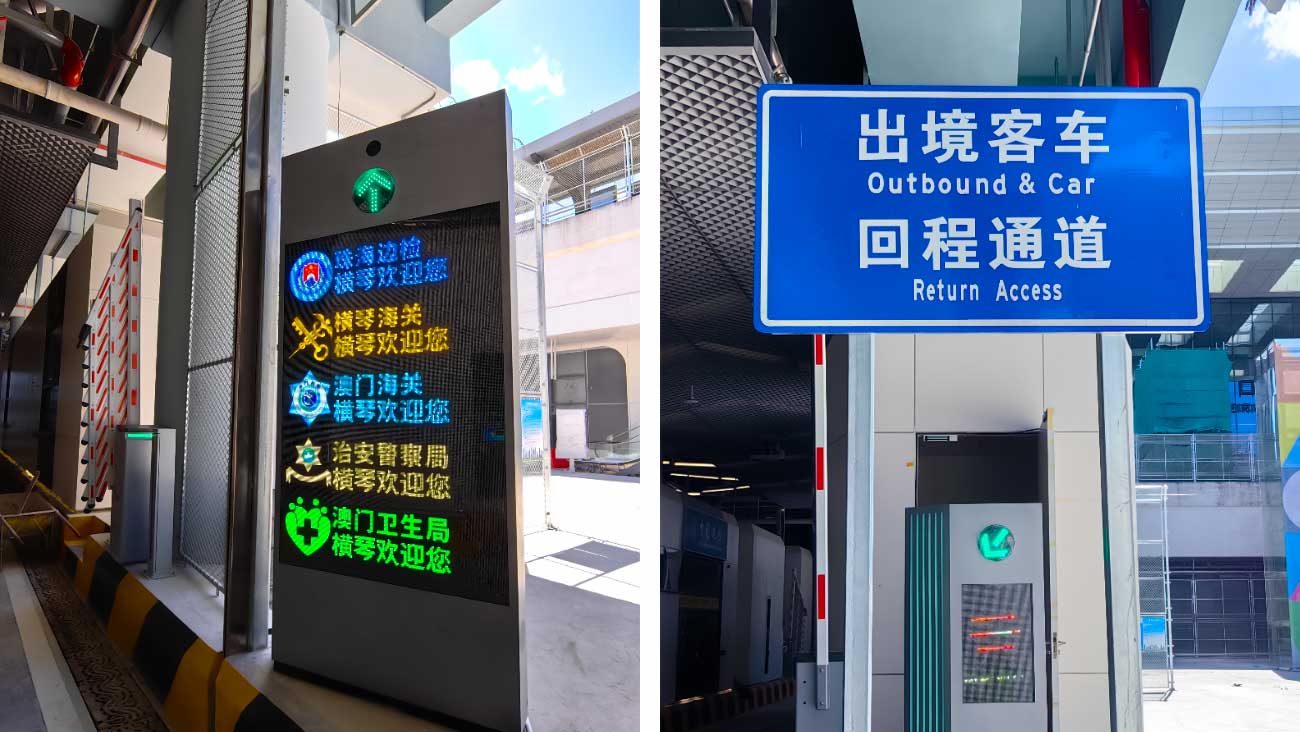
| Signage Scope | Building Identification, Room Identification, Directional Signs, Warning Signs, Illuminated Letters, Lightboxes and Related Signage |
| Project Role | Signage Fabrication and Project Implementation |
Engineering Context
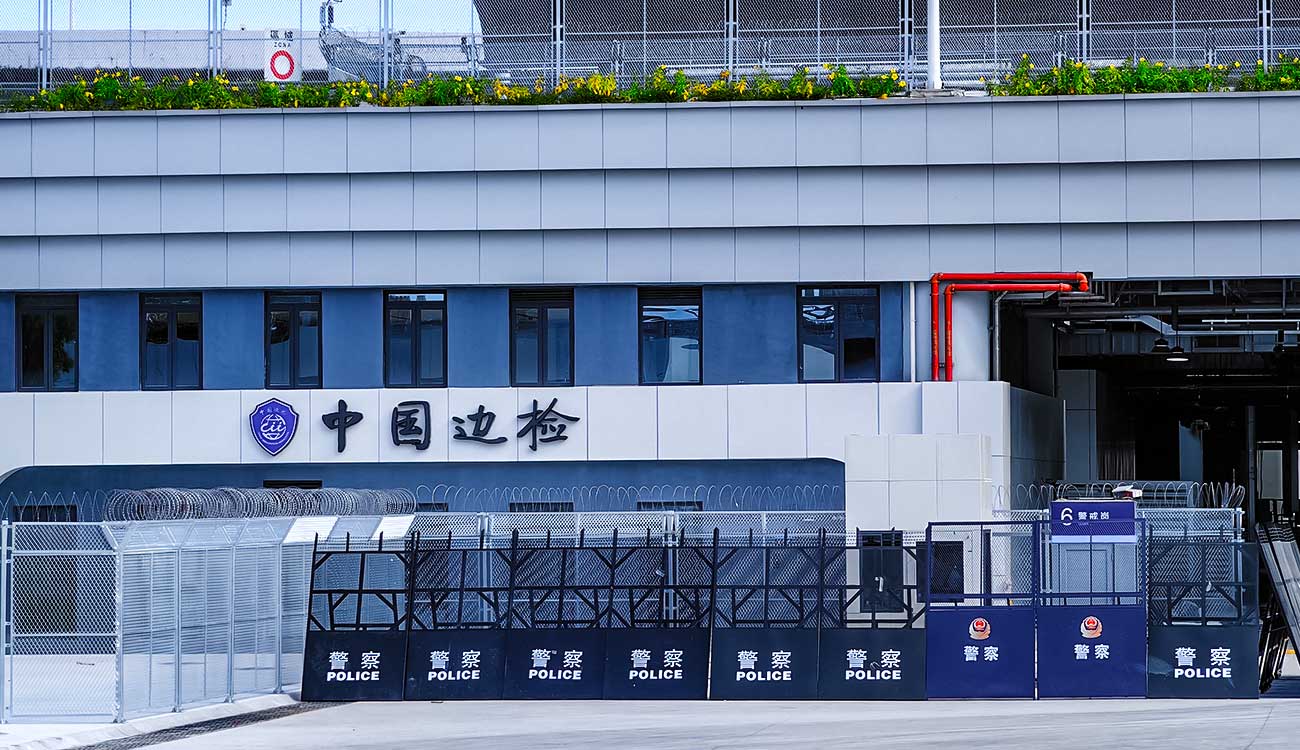
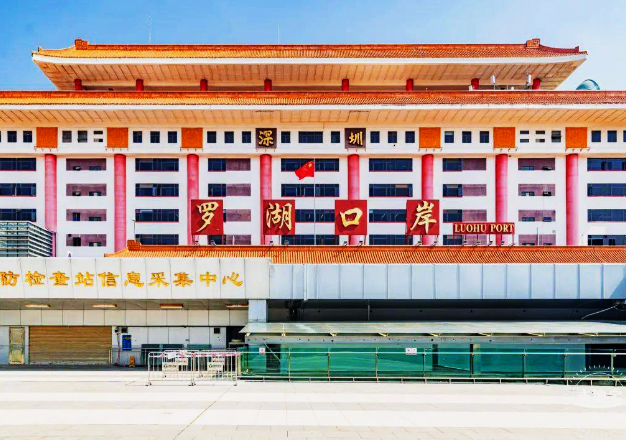
Zhuhai Hengqin Port is a major cross-border transportation facility connecting Hengqin and Macao. The port operates 24 hours a day and integrates multiple transportation modes, including buses, taxis, urban rail and cross-border commuter services. In 2023, approximately 16.7 million passenger movements were recorded through the Hengqin Port inspection area, illustrating the high-frequency operating environment in which the signage system has to function.
For a customs port, signage is not simply an architectural graphic element. It forms part of the operational infrastructure used to identify facilities, separate passenger routes, communicate instructions and support movement between customs, transportation and public-service areas.
The project required a combination of architectural identification, room identification, directional information, warning signs and illuminated elements. This placed the project within the broader requirements of transportation signage, where passengers need to understand their location and next destination while moving through a complex public environment.
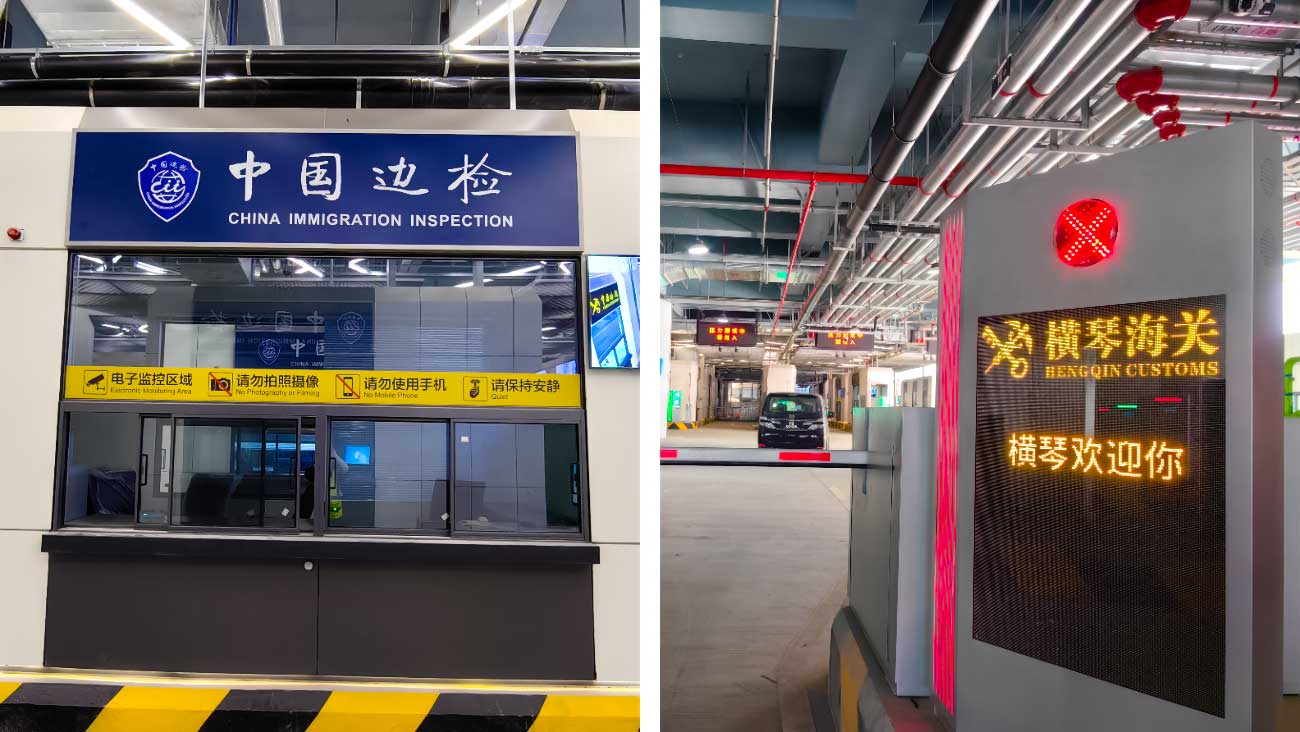
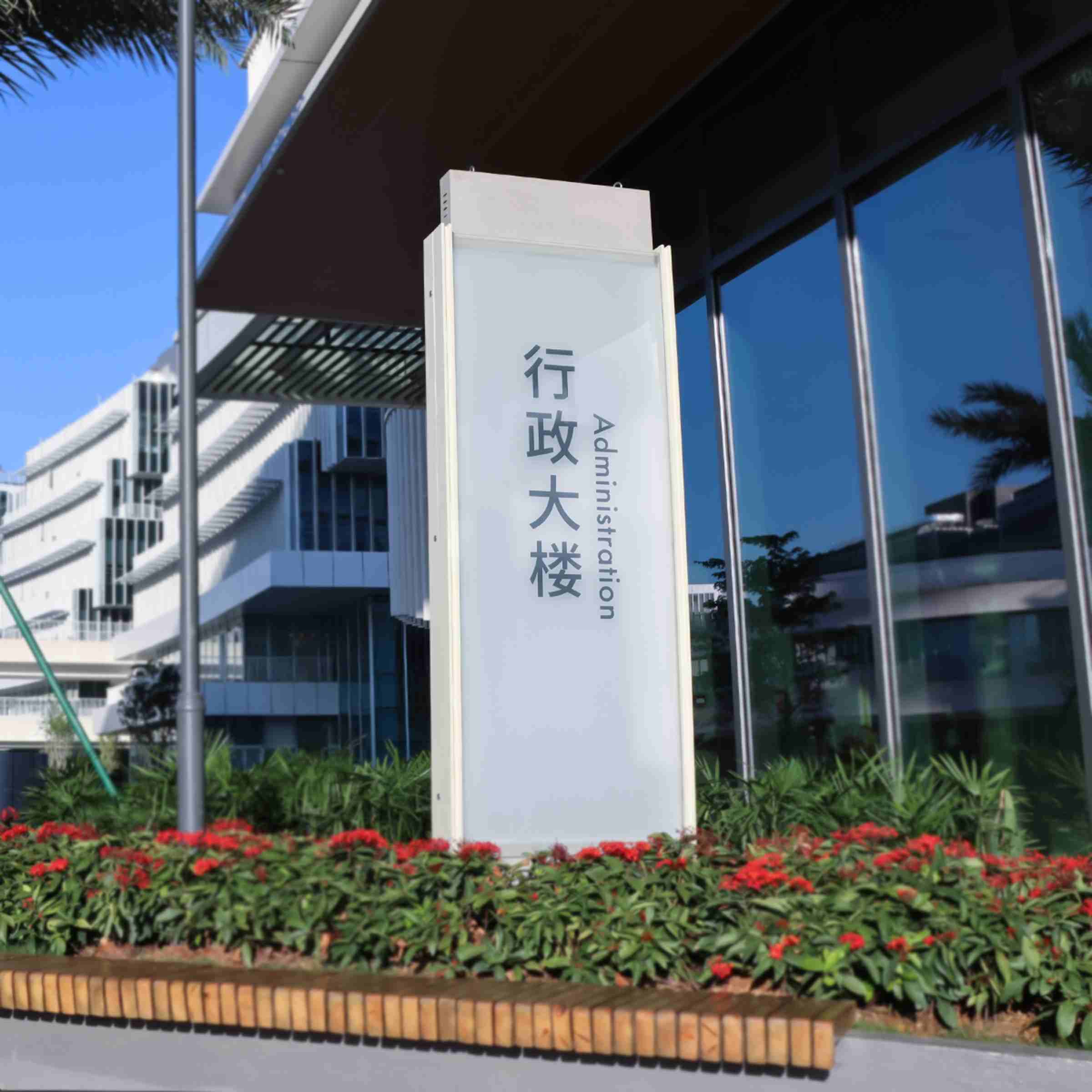
As a signage company and signage Manufacturer, COSUN SIGN was responsible for signage fabrication and project implementation across multiple applications. The scope included building lettering, architectural identification, emblems, equipment-room signs, business-room identification, elevator and stair identification, warning and instruction signs, fabric lightboxes and 3M film surface finishes.
The objective was not to apply one standard sign type throughout the port, but to create a coordinated signage package in which information hierarchy, material selection and installation conditions corresponded with each location.
Site Conditions & Engineering Challenges
1. Multilingual Information and Information Hierarchy
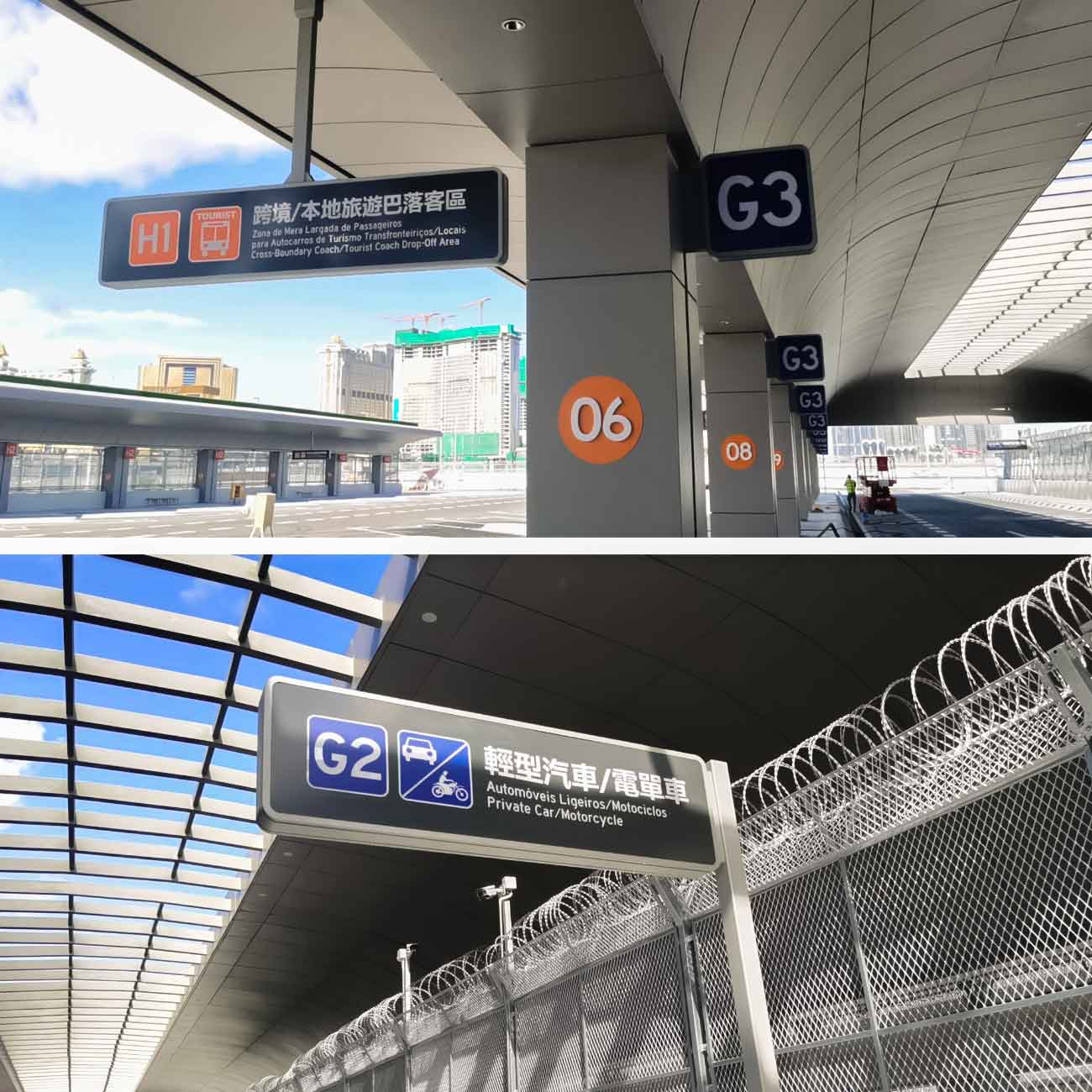
A cross-border port serves passengers with different languages, travel purposes and levels of familiarity with the building.
Directional information therefore needs a clear hierarchy rather than simply presenting more information. Primary destinations must be identifiable at decision points, while secondary information should remain available without competing with the main directional message.
Typography, bilingual layout, arrows, symbols, viewing distance and sign positioning all affect how quickly information can be interpreted.
This is one reason wayfinding signage solutions for transportation facilities need to be considered as part of the overall passenger journey rather than as individual graphic panels.
2. High-Frequency Public Use
Unlike signage in a private office building, port signage is exposed to continuous public use.
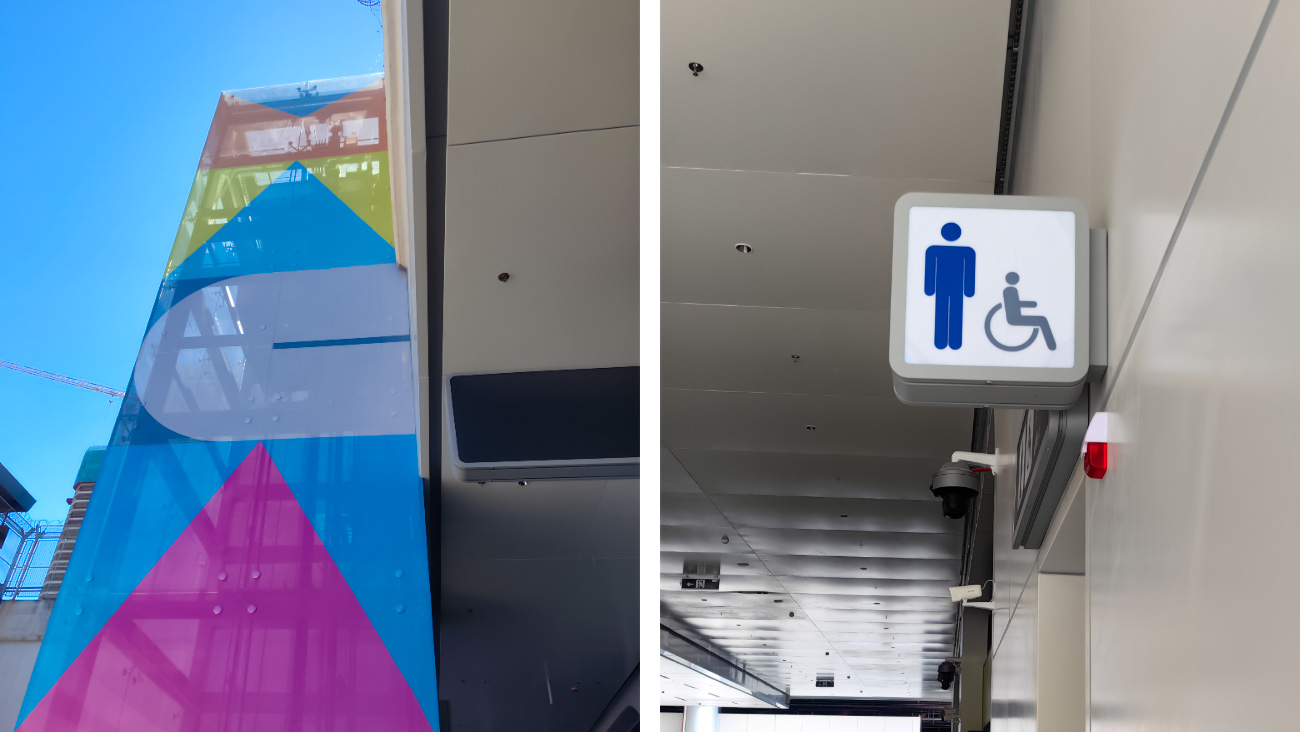
Room signs, elevator identification, stair signs, warning signs and directional panels may be touched, cleaned and viewed repeatedly throughout the day. Materials therefore need to consider surface durability, cleaning requirements, dimensional stability and long-term graphic legibility.
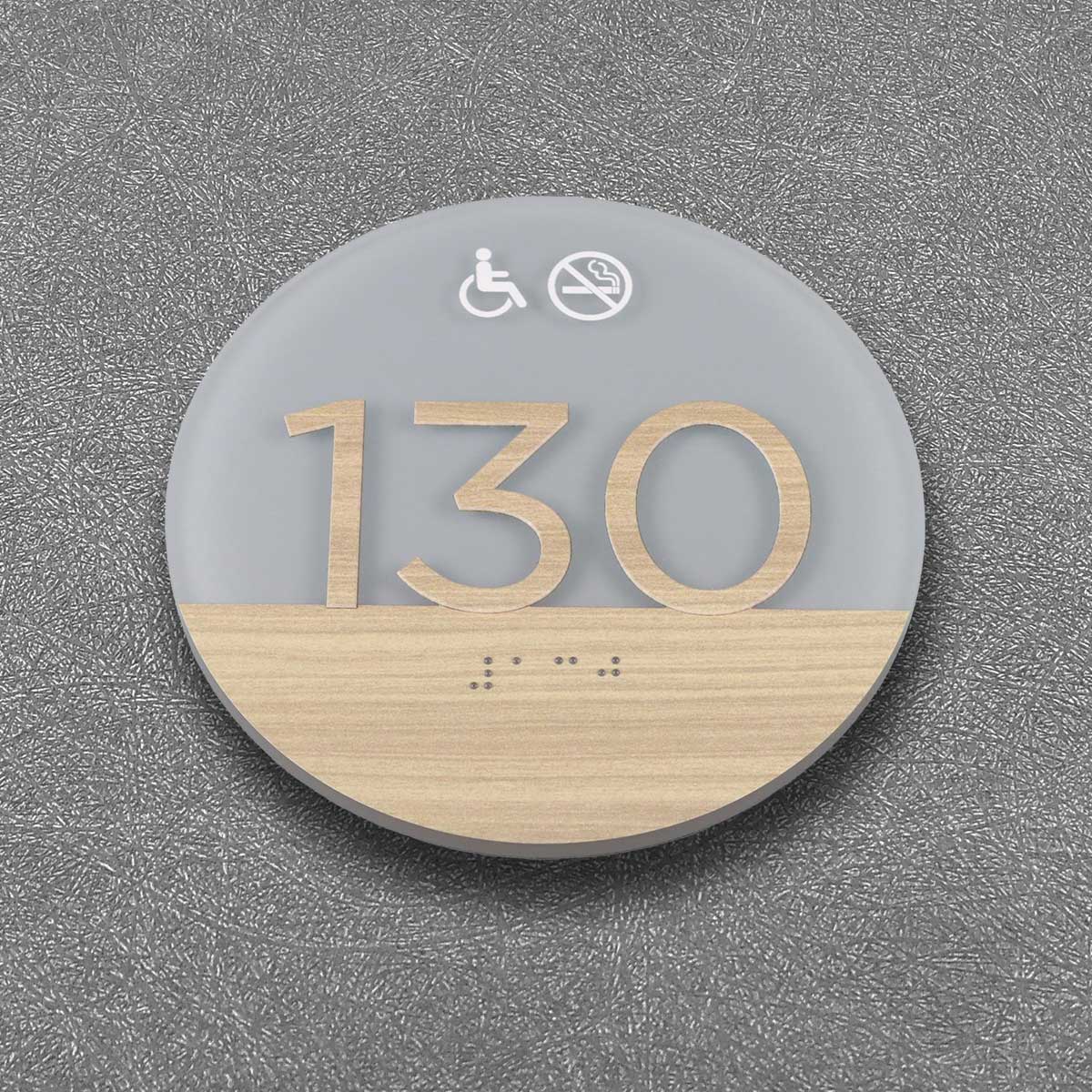
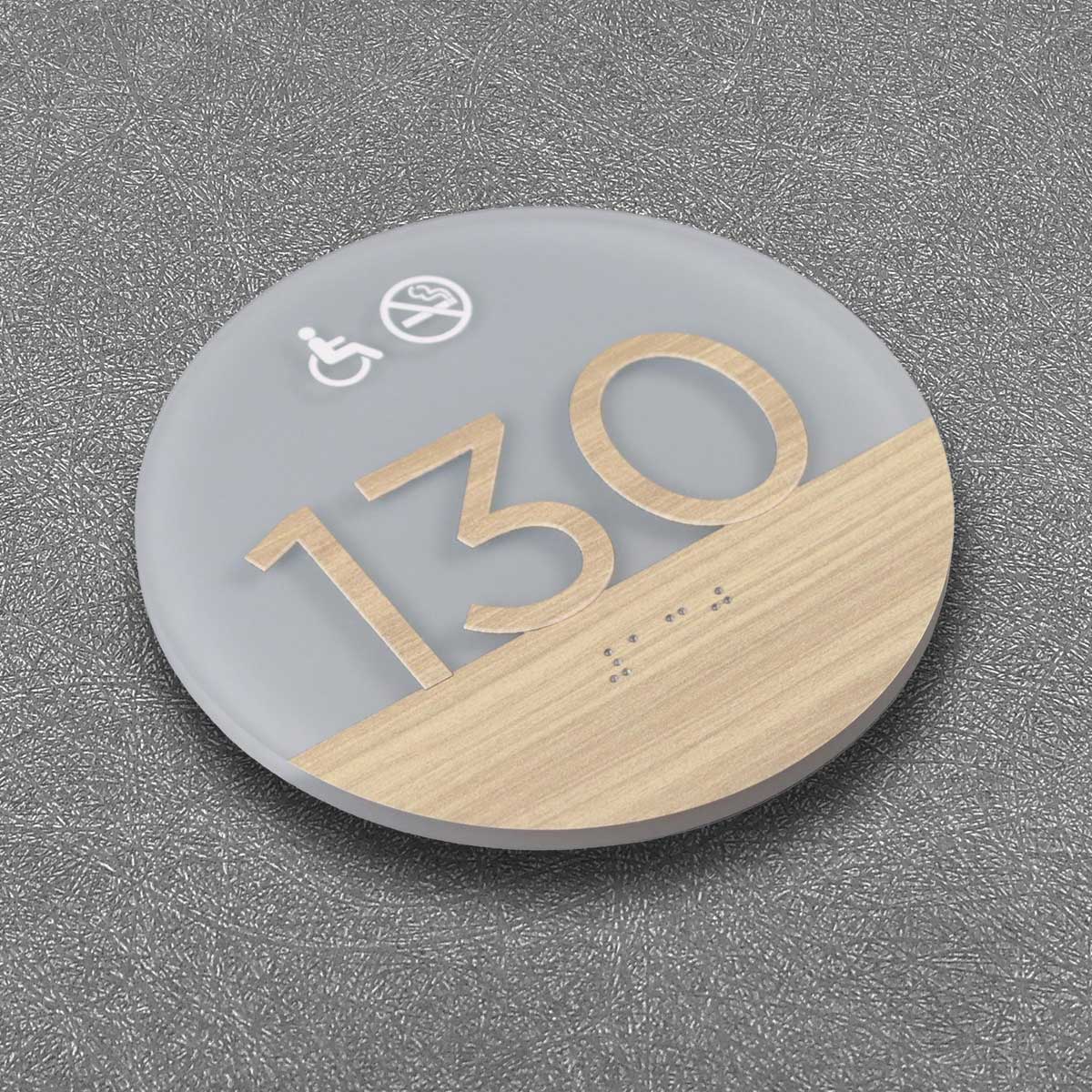
For close-range identification, the specification can differ considerably from large directional signs viewed from a distance. Where applicable, room and facility identification can also adopt the principles used in custom wayfinding signage, allowing the sign construction and graphic treatment to correspond with the function of each space.
3. Indoor and Outdoor Environmental Differences
The port contains both enclosed public areas and exposed exterior environments.
Exterior identification and illuminated signs need to withstand changing weather conditions while maintaining stable appearance and illumination. Indoor signs face a different set of requirements, including close viewing distance, frequent cleaning and integration with architectural finishes.
Using one material specification across all locations would therefore be inefficient. Material selection needs to follow the application environment.
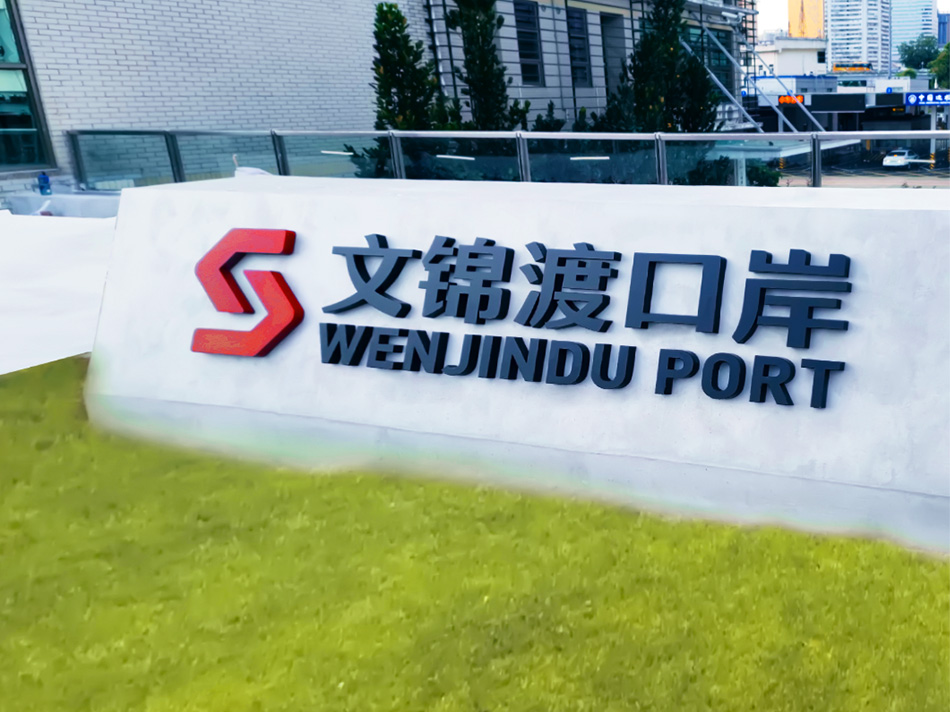
Large architectural identification elements can incorporate channel letters where dimensional lettering and illumination are required, while other locations may use flat identification panels or internally illuminated units according to viewing distance and architectural context.
4. Continuous Passenger Movement
A passenger does not experience the signage system as individual signs. The journey is perceived as a continuous sequence:
Arrival → Identification → Customs → Decision Point → Transfer → Destination
If a directional sign is missing, blocked or positioned too late, the problem may appear several metres away from the actual decision point.
For this reason, signage locations need to be considered in relation to passenger circulation rather than treated as isolated signboards.
The same principle applies to transport wayfinding in other large-scale public facilities, where information needs to appear at the right location and at the right stage of a passenger’s journey.
Engineering Response
Wayfinding by Decision Point
The signage package was organized according to the function of each location.
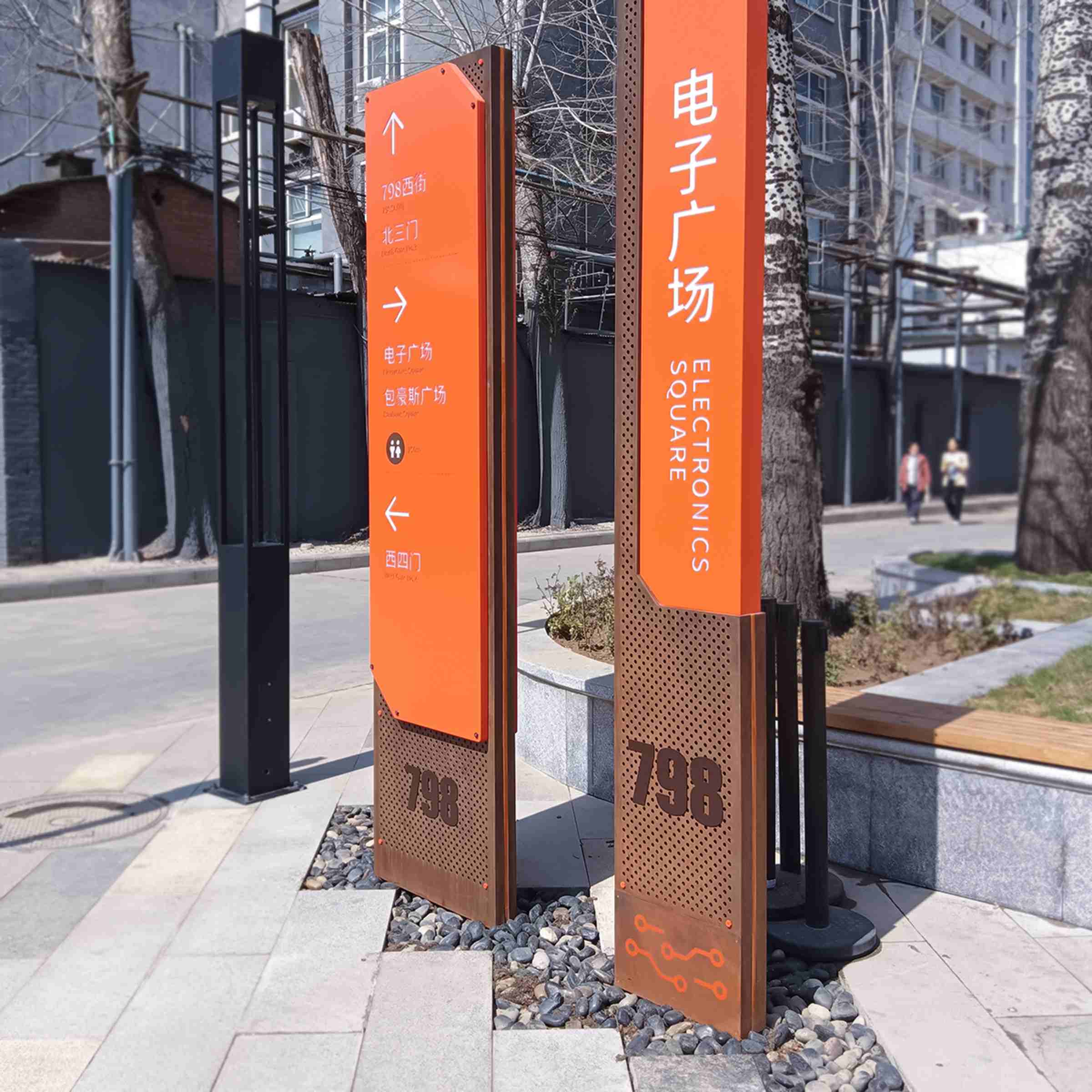
Building identification signs establish the identity of major facilities. Directional signs communicate movement between destinations. Room and equipment signs provide local identification. Warning and instruction signs address specific operational conditions.
This classification helps prevent different types of information from competing for the same visual priority.
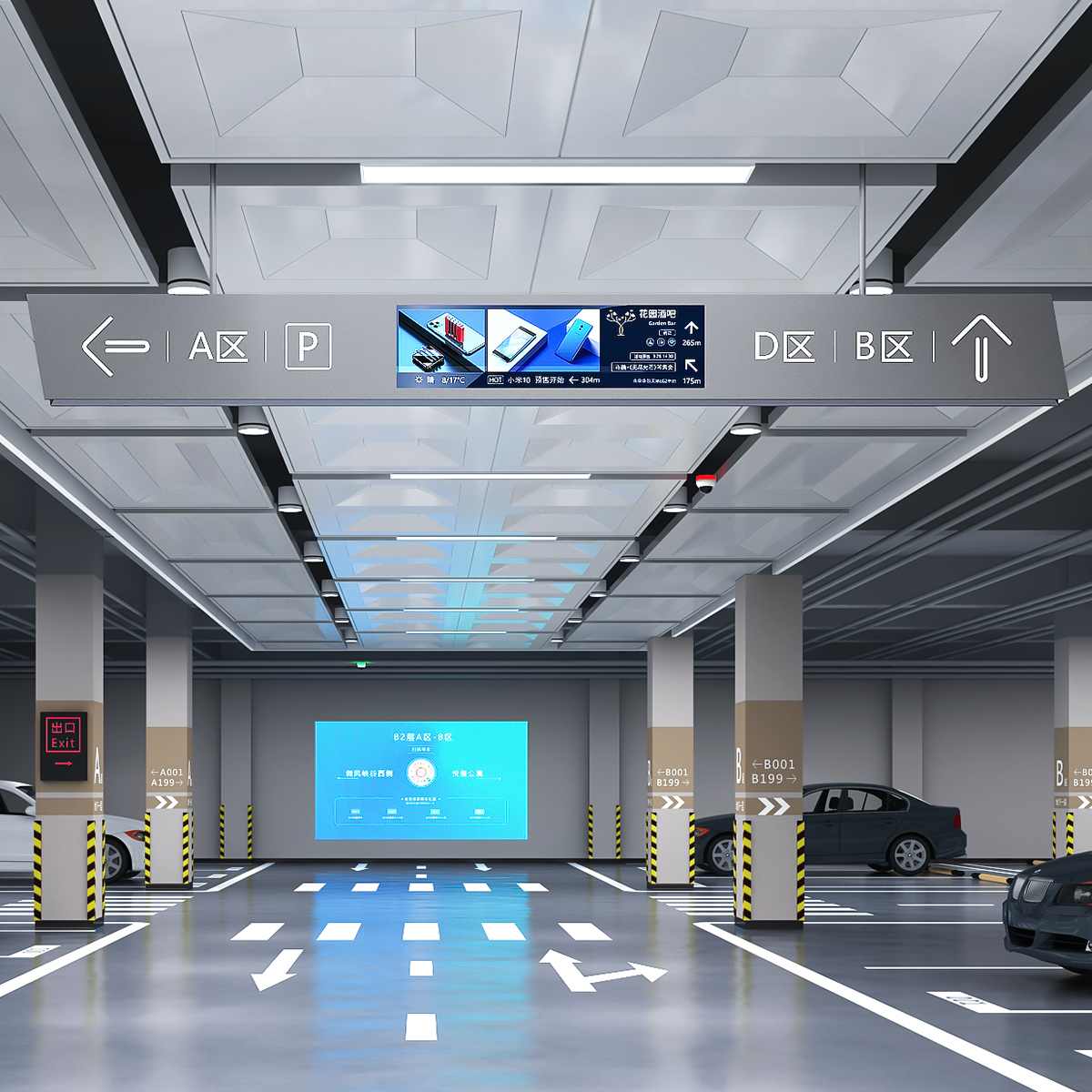
Where signs need to be viewed from different directions, the same information hierarchy can be applied to hanging wayfinding signage, directional panels and other suspended or overhead sign formats.
The objective is consistent information delivery rather than visual repetition.
Material Selection by Application
Material selection was separated according to indoor and outdoor requirements.
For exterior applications, weather-resistant metal construction and durable surface finishes were used for signs exposed to the external environment. Illuminated identification elements were fabricated to provide stable visual recognition during both daytime and nighttime operation.
For interior applications, materials such as acrylic and finished graphic faces were selected according to viewing distance, surface requirements and the surrounding architectural environment.
Where 3M film finishes were specified, the surface treatment provided a controlled graphic appearance while supporting consistent application across different sign components.
Signage Categories Matched to Operational Functions
The project incorporated multiple signage categories rather than relying on a single standard sign type.
These included:
- Building and architectural identification
- Customs and public-facility identification
- Business-room and equipment-room signs
- Elevator and stair identification
- Directional and wayfinding signs
- Instruction and warning signage
- Illuminated architectural lettering
- Fabric light box signage
- Graphic and surface-film applications
Different sign types served different information distances and viewing conditions. Large illuminated lettering established architectural identity, while directional and room signs handled more detailed information.
This distinction is also relevant when developing custom signage manufacturers‘ solutions for transportation and public buildings: the fabrication process should follow the information function rather than forcing every application into the same construction format.
Fabrication and Installation Coordination
Port projects involve multiple interfaces between architecture, civil works, electrical systems and public circulation.
Signage fabrication therefore needs to account for actual installation conditions rather than relying only on design drawings. Dimensions, fixing positions, electrical routing, structural interfaces and viewing angles all influence the final result.
As a china signage fabricator, COSUN SIGN coordinates fabrication details with the intended installation conditions, including sign dimensions, fixing structures, surface finishes and illuminated components.
This approach is particularly relevant to complex transportation signage, where signs may interface with architectural surfaces, ceilings, columns, pedestrian routes and electrical infrastructure within the same project.
Quality inspection covers finished sign dimensions, surface appearance, graphic application, illumination and installation condition before completion.
From Signage Design to Operational Use
The key engineering value of a port signage system is not the number of signs produced, but whether the information remains understandable as passengers move through the facility.
At Hengqin Port, the signage package was organized around three practical functions:
Identify — helping passengers recognize buildings, facilities, rooms and vertical circulation points.
Direct — connecting major decision points with clear directional information.
Inform — communicating instructions, warnings and location-specific information where required.
This approach creates a continuous information sequence instead of a collection of unrelated signboards.
For a facility operating around the clock, this distinction is important. Signage has to remain readable during different lighting conditions, withstand repeated public use and continue to correspond with the physical circulation of the building.
The same considerations increasingly apply to digital signage for transportation, where digital information may supplement fixed signs with dynamic passenger information, service updates or operational messages. Fixed and digital systems should therefore be considered complementary rather than interchangeable.
Material & Lifecycle Considerations
A port signage system should be evaluated over its operating life rather than only at the point of installation.
Three factors are particularly relevant.
Durability: Exterior materials and finishes need to tolerate environmental exposure and maintain their appearance.
Maintainability: Illuminated elements and sign components should allow inspection, repair or replacement without unnecessary disruption to public areas.
Information Stability: Graphic elements must remain legible after repeated cleaning and daily use. Where information changes over time, the sign type should allow appropriate replacement or updating.
For a signage manufacturer in China, these lifecycle considerations are important because the final product must perform under actual operating conditions rather than only meet the appearance requirements of a rendering or prototype.
Engineering Principles
01 — Design the Information Sequence, Not Individual Signs
Passengers experience a route as a sequence of decisions. Signage should therefore be planned from the movement path and decision points rather than from the signboard outward.
02 — Match Materials to Environmental Exposure
Indoor and outdoor signs operate under different conditions. Material, finish and construction should be selected according to location, exposure, viewing distance and maintenance requirements.
03 — Coordinate Fabrication With the Built Environment
A technically correct sign can still fail if its mounting position, viewing angle or interface with architecture is incorrect. Fabrication and installation need to be coordinated with actual site conditions.
Project Specifications
| Category | Engineering Application |
| Project Environment | Cross-border customs and transportation hub |
| Operating Condition | 24-hour public transportation and customs environment |
| Primary Users | Cross-border passengers, commuters and facility users |
| Signage Functions | Identification, Direction, Instruction and Warning |
| Exterior Applications | Architectural identification and illuminated signage |
| Interior Applications | Directional, room, elevator, stair and facility signs |
| Graphic Applications | Bilingual information, symbols and 3M film finishes |
| Lighting Applications | Illuminated architectural lettering and lightboxes |
| Engineering Focus | Legibility, durability, installation coordination and maintainability |
Engineering Outcome
The completed signage package provides identification, directional guidance and operational information across different areas of the Hengqin Port environment.
More importantly, the project demonstrates how signage engineering changes when the site is a cross-border transportation hub rather than a conventional commercial or office building.
High passenger frequency, multilingual information, continuous operation and multiple transportation connections require the signage system to work as part of the building’s circulation infrastructure.
The Hengqin Port project also illustrates the practical role of wayfinding signage manufacturers in complex public environments: fabrication quality is only one part of the result. Information hierarchy, material selection, installation accuracy and lifecycle considerations must work together.
About COSUN SIGN
COSUN SIGN provides custom architectural signage, wayfinding systems, illuminated letters, lightboxes and related signage fabrication services for commercial, transportation, hospitality, education, cultural and public projects.
As a signage company and signage Manufacturer, COSUN SIGN supports projects from fabrication coordination and material selection through finishing, quality inspection and installation.
The company operates as a china signage fabricator, providing custom signage production for international and domestic projects. Its capabilities cover architectural identification, directional signage, illuminated signage and other customized applications.
For complex environments such as transportation hubs and cross-border facilities, the focus is on translating architectural and operational requirements into signage systems that can be fabricated, installed and maintained under real operating conditions.
COSUN SIGN also holds the Certificate of Safety and Production Standardization, supporting its production and project implementation requirements.
Looking for a Transportation Signage Manufacturer?
For transportation signage, port wayfinding, multilingual directional systems, architectural identification, illuminated lettering and custom public-facility signage, COSUN SIGN provides custom fabrication and project implementation services for complex public environments.


 粤公网安备44030702001648号