
















Metal facade cladding is a building-envelope finish made from metal panels designed to protect and visually define exterior surfaces. Cosun Sign manufactures custom aluminum and stainless steel facade panels, with over 20 years of custom metal fabrication experience and over 5 years of metal facade customization experience. Options include perforated panels, curved designs, decorative finishes, and integrated LED lighting, subject to project requirements.
What Is Metal Facade Cladding?
Metal facade cladding is a system of metal panels or coverings installed over a building’s exterior to create a specified architectural appearance and, depending on the assembly, provide weather protection. It can incorporate aluminum, stainless steel, perforated sheets, decorative patterns, and illuminated elements.
The term “metal facade cladding” is defined as the use of metal components as an exterior architectural covering, rather than as a complete description of a building’s structural frame or weatherproofing system.
Cosun Sign is a custom signage manufacturer that also produces customized architectural metal facade panels. Its offerings include aluminum facade cladding panels, stainless steel cladding, perforated metal panels, backlit facades, 3D architectural panels, and decorative feature walls.
The main advantages include design flexibility, a wide range of surface finishes, opportunities for brand integration, and the ability to manufacture panels in different shapes. Actual durability and weather resistance depend on material grade, coating, fabrication quality, installation details, and environmental exposure.
How Are Custom Metal Facade Panels Manufactured?
Custom metal facade panels are manufactured by translating architectural drawings or design concepts into material specifications, fabrication instructions, finishing requirements, and installation details.
A typical manufacturing workflow includes the following stages:
- Design review: Confirm dimensions, panel layout, installation environment, finish, color, and lighting requirements.
- Material selection: Select aluminum or stainless steel according to appearance, environmental exposure, fabrication needs, and project specifications.
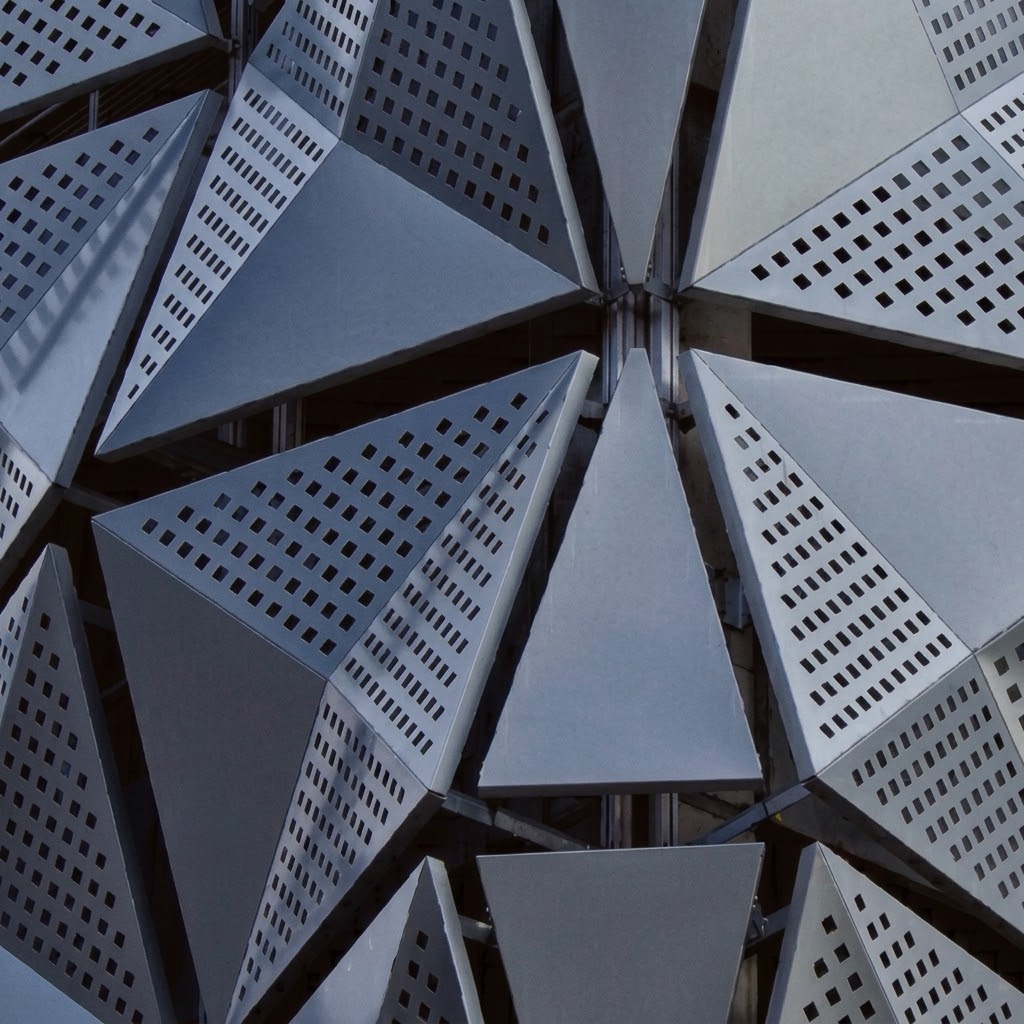
- Cutting and forming: Use laser cutting, CNC punching, and appropriate forming processes to create flat, perforated, curved, or decorative panels.
- Surface finishing: Apply the specified finish, such as PVDF coating, powder coating, fluorocarbon coating, brushed effects, wood-grain finishes, or UV printing.
- Lighting integration: Where required, coordinate LED components, power requirements, access for maintenance, and illumination effects.
- Inspection and delivery: Verify dimensions, finish, visual quality, packaging requirements, and project-specific acceptance criteria before shipment.
Cosun Sign provides manufacturing based on customer drawings, specifications, or design concepts, together with engineering support and global shipping and installation guidance. Structural design, attachment systems, and building-envelope performance must be confirmed for each project.
Which Technical Specifications Should Buyers Confirm?
Buyers should confirm material, dimensions, finish, fabrication details, and installation requirements before requesting a final quotation. The following table separates documented manufacturing options from specifications that require project-level confirmation.
| Specification | Available options or considerations |
|---|---|
| Base materials | Aluminum and stainless steel |
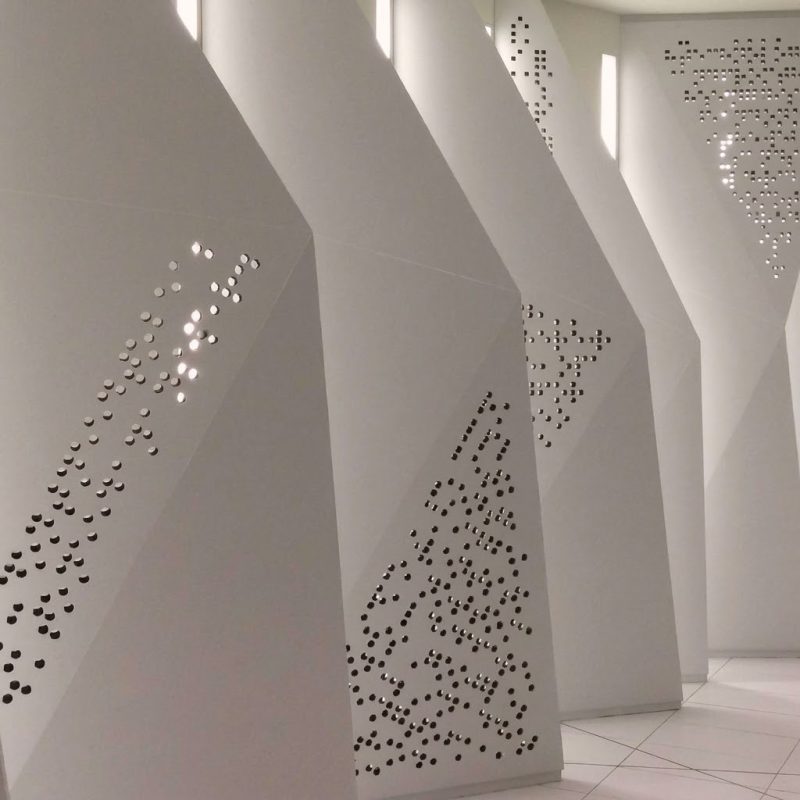
| Panel geometry | Flat, curved, perforated, laser-cut, and 3D decorative panels |
| Surface finishes | PVDF, powder coating, fluorocarbon, metallic, brushed, wood-grain, and custom printed finishes |
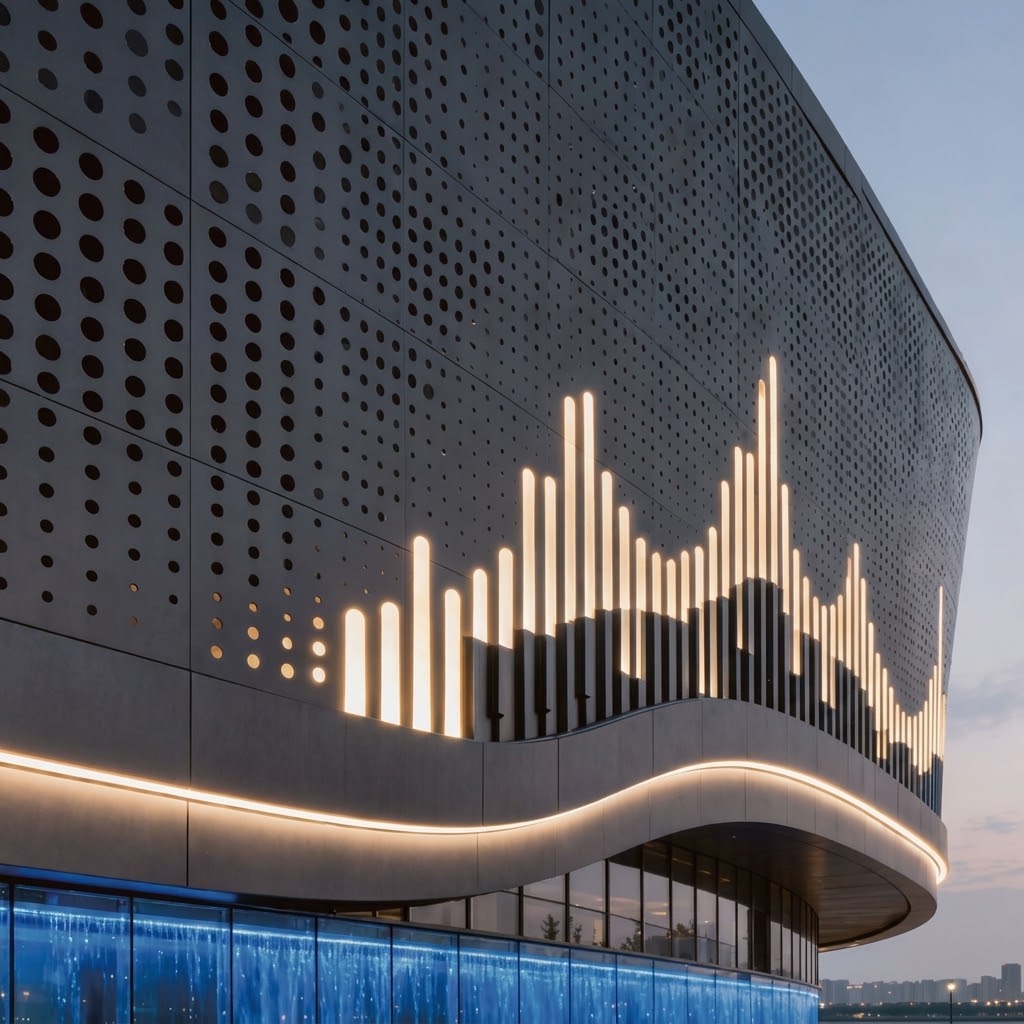
| Lighting | Integrated LED systems for selected illuminated applications |
| Design inputs | DWG, CDR, AI, PDF, SketchUp, 3D models, or technical drawings |
| Panel thickness and dimensions | Confirm against the project drawings |
| Dimensional tolerances | Define in approved manufacturing drawings |
| Wind loads and attachment details | Require project-specific engineering review |
| Coating performance | Specify applicable test methods and acceptance criteria |
| Production capacity and lead time | Confirm with the manufacturer for the required order |
For coating adhesion, ASTM D3359-23 describes tape-test methods for assessing coating adhesion to a substrate. It does not establish overall facade durability or prove compliance with every exterior application.
Where Are Metal Facade Cladding Systems Used?
Metal facade cladding is used in commercial, retail, hospitality, and public-building projects where exterior appearance, material selection, and brand identity are important.
Common applications include:
- Retail stores and flagship locations: Custom graphics, decorative screens, and illuminated aluminum facade panels.
- Corporate offices: Aluminum and stainless steel cladding with contemporary finishes.
- Hotels and hospitality projects: Decorative metal panels, textured surfaces, and backlit feature walls.
- Shopping malls and commercial centers: Perforated metal facade panels and custom architectural features.
- Healthcare facilities: Project-specific exterior panels selected to meet the building’s design, maintenance, and performance requirements.
- Airports and public buildings: Durable architectural finishes and customized exterior cladding, subject to applicable building specifications.
For healthcare and other regulated facilities, material selection and facade design should be reviewed against the relevant fire, safety, accessibility, and building-code requirements. No single panel material automatically satisfies every requirement.
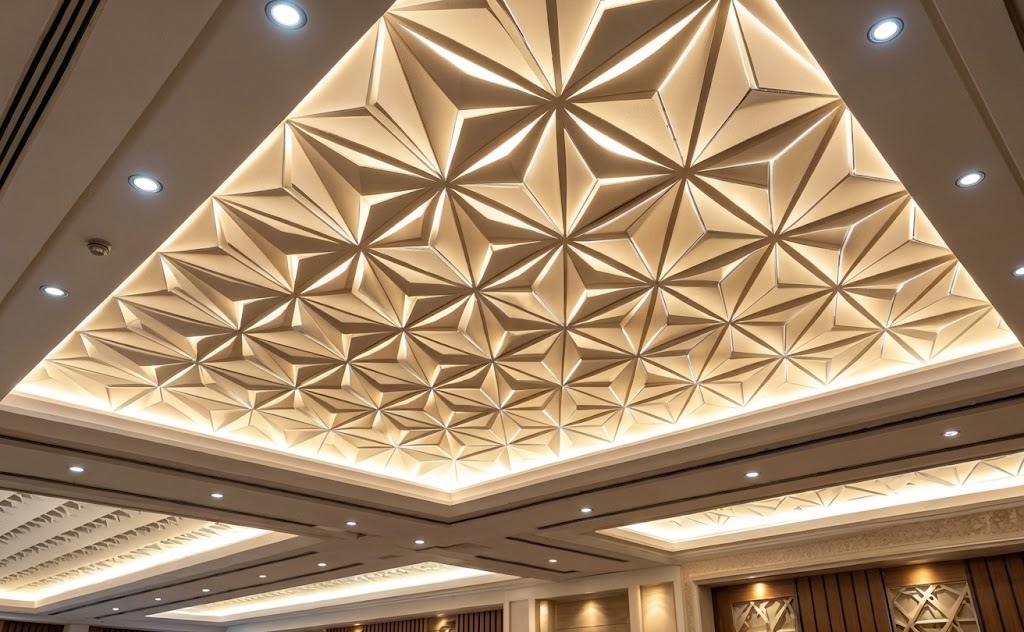
How Does Custom Metal Cladding Compare with Standard Solutions?
Compared with traditional solutions, custom metal facade cladding offers more flexibility in panel geometry, decorative patterns, finishes, and lighting integration. Standardized panels may be more suitable when a project prioritizes repeatable dimensions, simple detailing, and predictable procurement.
| Evaluation factor | Custom metal facade cladding | Standardized facade panels |
|---|---|---|
| Design flexibility | Can accommodate project-specific patterns and shapes | Usually limited to standard formats |
| Branding | Can incorporate custom graphics and lighting | May require separate signage or lighting |
| Manufacturing | Requires design coordination and custom fabrication | Often follows established product specifications |
| Cost structure | Depends on design complexity, finish, quantity, and engineering | May benefit from standardized production |
| Installation | Requires coordinated drawings and fixing details | May use established installation procedures |
| Best suited for | Signature architecture and branded commercial projects | Repetitive layouts and standardized building designs |
Neither approach is universally superior. The appropriate choice depends on design intent, budget, performance requirements, installation conditions, and maintenance planning.
What Determines the Cost of Metal Facade Cladding?
The cost of metal facade cladding depends on material selection, panel dimensions, design complexity, surface finishing, lighting, quantity, and installation requirements.
The main cost factors are:
- Material and thickness: Metal grade and specified thickness affect material use, weight, fabrication, and handling.
- Panel complexity: Curved, perforated, laser-cut, and three-dimensional panels may require additional processing and engineering.
- Surface finish: Specialized coatings, metallic effects, wood-grain finishes, and custom graphics can change production costs.
- Lighting integration: LED components, wiring, access provisions, and electrical requirements add design and manufacturing considerations.
- Order quantity: Setup, tooling, material purchasing, and repeat production influence unit cost.
- Packaging and logistics: Panel size, protective packaging, shipment method, and destination affect delivery costs.
- Installation and engineering: Subframes, fixings, access equipment, and local code requirements may form a significant part of the total project budget.
For a meaningful quotation, provide drawings, approximate quantities, dimensions, preferred materials, finish specifications, project location, and delivery schedule.
How Should Buyers Select an Architectural Metal Cladding Manufacturer?
Buyers should select a manufacturer by checking relevant fabrication experience, technical communication, finishing capabilities, quality-control procedures, and the ability to work from approved drawings.
For example, Cosun Sign reports over 20 years of custom metal fabrication experience and over 5 years of metal facade customization experience. Its stated capabilities include laser cutting, CNC punching, curved and 3D panel fabrication, decorative surface treatments, LED integration, and engineering support.
Before placing an order, buyers should:
- Review comparable projects: Ask for examples using similar materials, panel geometries, finishes, and lighting.
- Confirm technical feasibility: Verify dimensions, tolerances, panel joints, fixing methods, drainage, and access for maintenance.
- Specify coating requirements: Agree on the coating system, sample approval, and applicable inspection methods.
- Request material documentation: Confirm material grades and traceability requirements where relevant.
- Review compliance obligations: Identify applicable local building codes, fire-performance requirements, wind-load criteria, and project specifications.
- Approve samples and drawings: Establish written acceptance criteria before mass production.
Cosun Sign’s published manufacturing options support custom facade and decorative metal projects, but project-specific structural performance, certifications, and compliance must be verified rather than assumed.
FAQ
What Is Custom Metal Facade Cladding?
Custom metal facade cladding is an exterior architectural covering manufactured to project-specific dimensions, shapes, materials, and finishes. Options can include aluminum panels, stainless steel cladding, perforated panels, curved designs, decorative graphics, and illuminated facade elements.
How Do You Choose a Reliable Metal Facade Cladding Manufacturer?
Choose a manufacturer with relevant fabrication experience, suitable cutting and forming capabilities, documented finishing processes, clear technical communication, and a defined inspection procedure. Review similar projects and confirm material specifications, tolerances, installation details, delivery arrangements, and applicable compliance requirements before approving production.
Why Choose 3D Metal Facade Panels Over Traditional Flat Panels?
Three-dimensional metal facade panels can create depth, shadow, texture, and distinctive architectural forms that flat panels cannot achieve in the same way. However, they may involve more complex forming, engineering, installation, and maintenance. Flat panels can be more economical for simple layouts, so the choice should reflect the design objective and project budget.
Source & Expertise
This article is based on Cosun Sign published metal facade product information, including its stated manufacturing experience, material options, fabrication capabilities, surface treatments, and project support services. ASTM D3359-23 is referenced for coating adhesion testing. Applicable building codes and performance standards should be selected according to the project location and specifications.
Last Updated
Last Updated: October 2026

 粤公网安备44030702001648号