

















Signage manufacturing is a highly customized industry, so signs workshop manufacturing is harder to achieve than in standardized products factories. Materials and processes change from project to project, and one signage may pass through shop drawing design, cutting, welding, grinding, painting, assembly, inspection, packing, and delivery. Based on 21 years of signage factory manufacturing experience of COSUNSIGN, we would like to share some approaches to signage workshop 6S management.
A Practical Guide to 6S Management in Sign Fabrication Workshops
Why is 6S management difficult for a signage workshop?
6S management is difficult for a signage workshop because the products are rarely enough for mass production. A shop may handle metal, acrylic, LED, Rowmark, power supplies, Vinyl, paint, packaging material, and a lots of temporary accessories at the same time. When every order has different dimensions, structures, colors, installation needs, and delivery deadlines, the sign factory are easily turns into a mass, and the workers repeated searching, misplaced materials, and created safety risks.
This is why workshop 6S management in the signage industry cannot rely only on experience or occasional cleaning. The signage factory needs to set up a practical system that fits custom signs production. The goal is not to make the workshop looks tidy; the goal is to make workers, materials, machines, tools, and products move in the right direction with fewer interruptions.
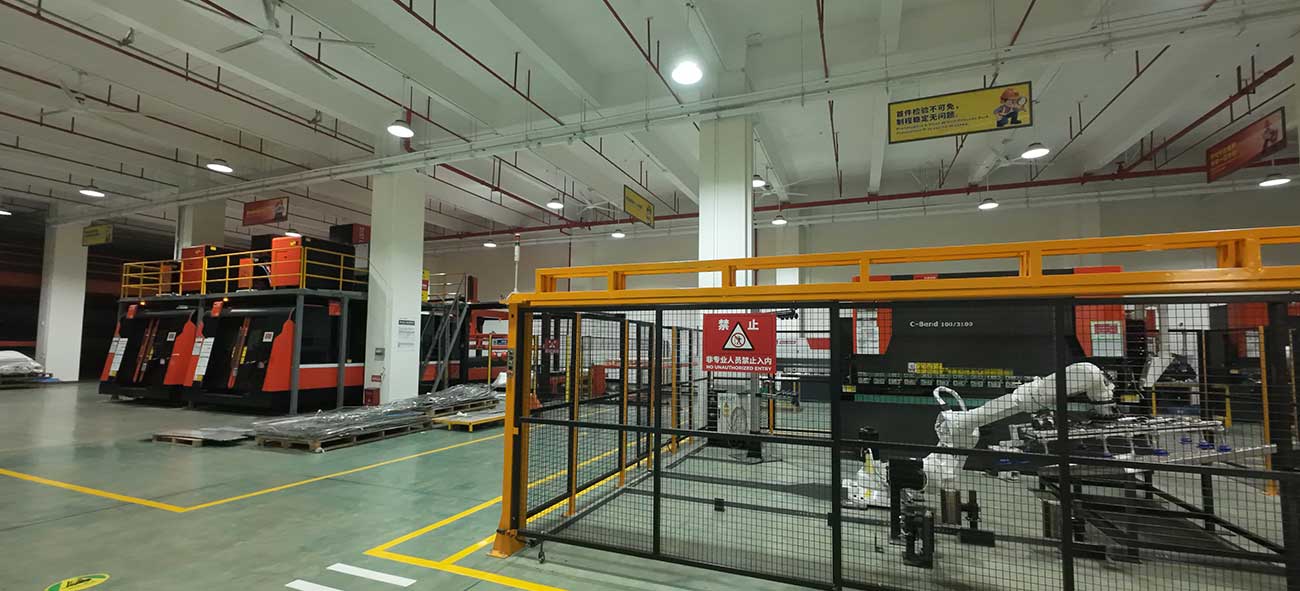
1,Production work-flow planning creates the foundation
For signage fabricators that the workshop route planning is the first condition for effective workshop 6S management. No matter whether the large or small sign workshops, the production areas should be arranged according to the the product manufacturing process. For example, the laser cutting need next to the welding Area.
A good manufacturing layout should answer three simple questions: where does the material enter? Where does each process happen, and where does the product go next? Once the movement route is clear, the workshop can reduce unnecessary production mistakes and create a better basis for efficiently signs fabrication.
Useful flow-planning points include:
- Arrange production areas byfabricate Place related steps closer together where possible, such as cutting near welding processing, or assembly near inspection and packing.
- Set temporary accessoriespick-up areas. Each production area should have suitable places for frequently used auxiliary materials, so workers do not leave the station repeatedly for small items.
- Create defined placement areas.Raw materials, semi-finished products, waiting-for-inspection products, and finished goods should set in different areas.
- Keep aisles open.Aisles are not storage zones. Once they become temporary warehouses, safety and efficiency decline at the same time.
- Reserve space for exceptions.Because signage products vary in size, the layout should include flexible temporary zones for oversized or urgent projects.
- Set standarddocuments . Take photos, create a checklist, and define who owns each part of the area.
Good layout does not solve every problem, but without it, the 6S work becomes much harder. Reasonable movement lines give workshop 6S management a physical foundation and make standard work easier to maintain.
2,Standardized process keeps custom work from becoming chaotic
Custom signs do not mean every step should be improvised. In fact, the more customized the product, the more important standardizes fabrication workflow becomes. A signage workshop needs regulations and rules for receiving drawings, confirming order materials, transferring work orders, checking quality, and handing over products between processes.
Standardization process should not be confused with rigidity. The product can be customized, while the management method remains consistent. For example, the order can have a clear production document, every process can confirm the same key information, and every handover can include status, quantity, and next-step requirements.
A practical standard handover checklist:
- Order information:order name, drawing, quantity, size, material, color, and deadline are confirmed.
- Material status:main materials and auxiliary materials are complete, labeled, and placed in the right area.
- Process status:completed steps are marked, unfinished steps are visible, and abnormal issues are recorded.
- Quality points:dimensions, surface finish requirements, led light parts, and installation requirements .
- Next process:the receiving team knows what to do next and where the product should be placed.
This kind of standardizes fabrication workflow reduces dependence on personal memory. It also helps supervisors see problems earlier. When the process is visible, manufacturing delays are easier to find, responsibility is clearer.
3,How should materials and tools be organized every day?
Materials and tools should be organized according to frequency of use, process and machine location, safety requirements, and identification needs. Daily sorting is not just “putting things neatly”; it means removing what is unnecessary, placing necessary items where they are used, labeling them clearly, and checking whether the arrangement still supports production.
As sign factory, we should using different sorts of signs to achieve visual-able factory management which include:
- Warning signs: Safety sign, safety regulation, safety warning rules, they can remind all the staff not to do or touch things that were dangerous.
- Markingunnecessary items. No matter materials or products that are broken, expired, or unused for a long period should be reviewed instead of silently occupying production space.
- Sign labels to classify by material and use.Metal, acrylic, electrical parts, adhesives, films, paint, and packaging supplies should be separated and labeled.
- Place tools at point of use.Common tools should be close to the station where they are needed, while shared tools should have fixed storage and return rules.
- Use visual daily workshop management signs.Shelves, bins, floor markings, and labels should posting signs to show where they belongs and how much is allowed.
The best test is simple: can a trained worker find, use, and return an item without asking several people? If the answer is no, the organization system still needs improvement.
A signage fabricate workshop needs 6S management that upgrade custom production. Start from production route planning, support it with Standardized process control, strengthen daily sorting and safety management, and use keep improve the 6S management details.
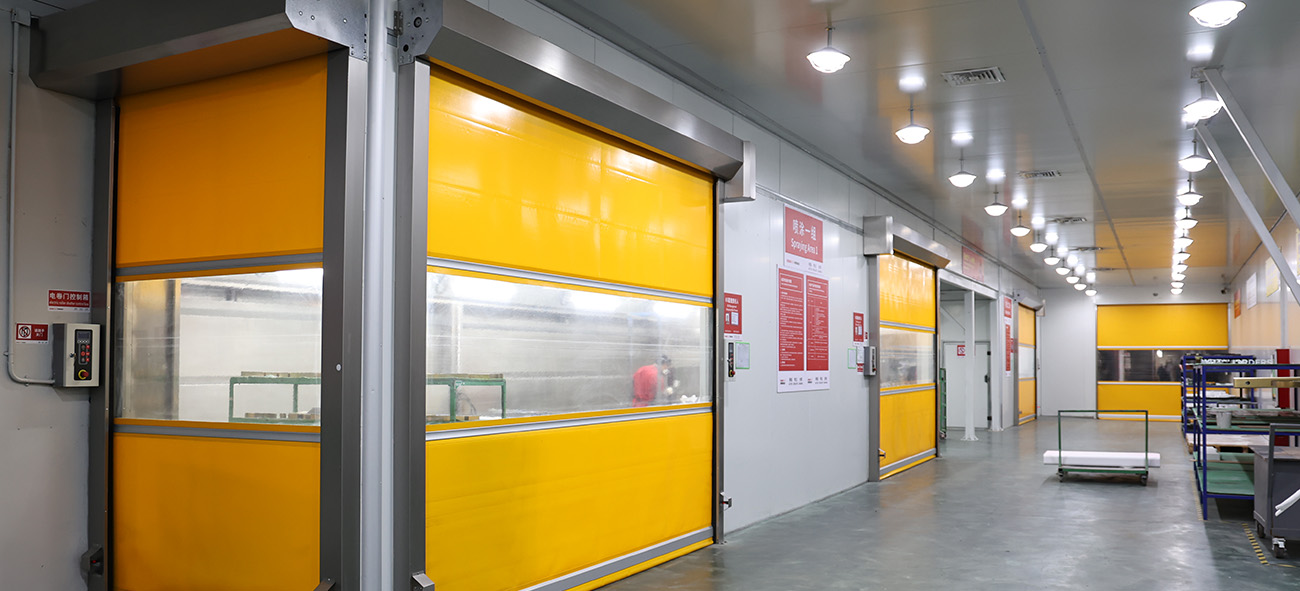
4,Safety management must be built into the workflow
Safety management is one of the most important parts of 6S, especially in signage manufacturing. Workshops may involve cutting equipment, welding, grinding, paint, electricity, lifting, sharp edges, and heavy.
Safety should be designed into the work route, storage method, equipment use, and inspection habits, and document them all.
Safety management points worth to check regularly
- Are fire exits, aisles, electrical boxes, and emergency equipment unobstructed?
- Are chemicals, paint, and solvents labeled and stored correctly?
- Are cutting, grinding, welding, and electrical testing areas separated from unsuitable materials?
- Are sharp parts, heavy panels, and fragile surfaces stored in a way that prevents injury and damage?
- Are workers using the required protective equipment to protect their safety and healthy?
Good safety management also protects delivery schedules. An unsafe workshop creates interruptions, damage, and injuries. A safe workshop gives people confidence to work happily and helps the whole production system stay predictable.
Continuous im
provement turns 6S into a habit
Continuous improvement is what keeps 6S alive after the 6S management begin. Many workshops become tidy during an inspection and return to disorder a few weeks later. The reason is usually not laziness; it is that the system was not reviewed, adjusted, and reinforced through daily management.
For a signage fabricator, improvement can be small, regular, and close to real production. Supervisors can walk the workshop every day, check whether the workers do the work as the 6S regulations and to check whether the temporary areas are overflowing, When a rule is repeatedly ignored, the team should ask whether the rule is unclear, unreasonable, or unsupported by the layout.
A simple continuous-improvement rhythm may look like this:
| Frequency | Focus | Practical action |
| Daily | Basic order and safety | Che
ck aisles, tools, temporary storage, and visible working lines |
| Weekly | Process bottlenecks | Review delays, rework, missing materials, and handover problems |
| Monthly | Layout and standards | Adjust zones, labels, checklists, and storage limits based on real use |
This approach keeps workshop 6S management connected to actual work. Instead of blaming people after problems occur, the team improves the environment so the right behavior becomes easier.
Key takeaway
The points shared byshows a clear principle: efficiency comes from layout, standards, ownership, and habits working together.
FAQ:
1, What are the six parts of 6S ?
A strong 6S program becomes useful when each “S” is translated into the realities of daily sign production. It include: Sort, Set in order, Shine, Standardize, Sustain, Safety.
2,Are 6s fit for all the sign factories?
6S workshop management works well for most signage fabricators. However, very small workshops may not need to follow the full system, and a simpler approach may work just as well.
Meta: .


 粤公网安备44030702001648号